

How Landscaping Businesses Can Build a Stronger Online Presence

How Landscaping Businesses Can Build a Stronger Online Presence

A well-designed garden can transform a home, but potential clients may never see your work if they cannot find your business online. For landscapers, a useful website is more than a digital business card: it can show the quality of past projects, explain services, and help local homeowners decide whom to contact. A few thoughtful improvements can make your online presence clearer without taking time away from the work itself.

1. Build a Portfolio That Tells a Story

Photographs are often the first thing visitors notice on a landscaping website. Choose clear images that show the space as a whole, then add details that reveal the quality of the work: stone edging, planting combinations, lighting, or a carefully finished patio. Before-and-after pairs can be especially helpful because they show the challenge as well as the result.

Give each project a short description. Note the homeowner’s goals, the main features installed, and any practical constraints, such as a narrow side yard or a sloped site. This context helps readers imagine how your approach might work for their property. It also gives search engines meaningful text to understand, rather than leaving a page made up entirely of images.

Ask permission before publishing client photographs, and avoid including addresses or other private details. A small, well-chosen portfolio is more convincing than a large collection of similar images with no explanation.

2. Make Services and Service Areas Easy to Understand

Homeowners often arrive at a landscaping site with a specific need: a planting plan, regular lawn care, a new walkway, or a complete garden renovation. Organize services into straightforward pages or sections, and explain what each one includes. If you offer design and installation, for example, clarify whether consultations, material selection, and ongoing maintenance are part of the process.

Be equally clear about where you work. List the towns or neighbourhoods you genuinely serve, rather than naming a long string of places you rarely visit. Local details can help a visitor judge whether you are a practical choice, especially when travel distance affects scheduling or project costs.

Include a simple way to get in touch on each key page. A phone number, email address, or short inquiry form is usually enough. Tell people what information is useful for an initial estimate, such as approximate dimensions, preferred timing, and a few photos of the site.

3. Share Useful Advice, Not Just Promotions

Articles and seasonal notes can answer common questions and demonstrate knowledge. Topics might include selecting plants for a shaded yard, preparing beds for winter, planning drainage before installing a patio, or choosing surfaces that are comfortable to walk on. Advice should be specific enough to help a reader take a sensible next step, while making clear when a site visit or professional assessment is necessary.

Keep recommendations grounded in your local conditions. Soil, rainfall, temperature, and regional planting guidance vary, so broad claims may not apply to every garden. A concise article based on jobs you have actually completed is often more useful than a general list of trends.

Consistency matters more than publishing every week. A few carefully maintained pages that reflect your work and service area can serve visitors better than a busy blog full of outdated posts.

4. Approach Online Links with Care

Other reputable websites linking to your pages can help people discover your business and may support search visibility. For a landscaper, useful connections might come from local garden groups, suppliers, community projects, or publications that feature home and outdoor design. The strongest links tend to arise from a genuine reason to mention your work, such as a helpful guide, a noteworthy project, or a contribution to a local resource.

Some businesses consider an outsourced link building service when they lack time to manage outreach themselves. Before hiring anyone, ask how potential sites are selected, what work will be reported, and whether the approach relies on relevant editorial mentions rather than bulk placements. Avoid promises of instant rankings or large numbers of links on unrelated sites. A modest, transparent plan is easier to evaluate and less likely to create a poor-quality footprint.

5. Use Freelancers for Defined Tasks

Not every business needs a full-time marketing team. A freelancer may be able to retouch project photos, write a service-page draft, improve a site’s layout, or prepare a few social media graphics. The best results usually come from a clear brief: describe the audience, the materials available, the expected deliverables, and how you will judge whether the work is complete.

Marketplaces such as Osdire let buyers hire freelancers across more than 900 categories, including writing and translation, graphics and design, programming and tech, photography, and marketing. That range can be useful when a small website task calls for more than one kind of skill. Pricing is flat with no hidden fees, and payment is held securely during the order and released when the delivered work is approved. As with any hire, review examples, confirm the scope, and agree on practical milestones before work begins.

Wrapping Up

A strong online presence grows from clear information and evidence of good work. Show projects with enough context to make them meaningful, explain what you offer and where you operate, and publish advice that helps local homeowners make informed choices. If you bring in outside help, set realistic goals and check that each task supports the way your business actually serves clients. The result should feel like a natural extension of your work: useful, trustworthy, and easy to navigate.

How Driveway Power Washing Companies Remove Years of Dirt, Algae, and Surface Buildup

How Driveway Power Washing Companies Remove Years of Dirt, Algae, and Surface Buildup

Your driveway is one of the first things people notice when they approach your property. Over time, it collects dirt, algae, mold, mildew, oil stains, and other contaminants that can make it look older and less appealing. While many people focus on maintaining their landscaping or exterior walls, the condition of a driveway can have a major impact on overall curb appeal.

Regular cleaning is about more than appearance. Dirt and organic growth can gradually affect the surface, creating slippery conditions and contributing to premature wear. That is why many property owners turn to professional cleaning services to restore and protect their driveways.

Professional driveway power washing companies in Ann Arbor, MI, use specialized equipment and techniques to remove years of buildup that ordinary cleaning methods often leave behind. Their work can dramatically improve the appearance and condition of outdoor surfaces while helping property owners avoid larger maintenance concerns in the future.

Why Driveways Accumulate So Much Buildup

Driveways are exposed to weather conditions every day of the year. Rain, wind, sunlight, vehicle traffic, and seasonal debris all contribute to surface contamination.

Common sources of buildup include:

  • Dirt and mud tracked by vehicles
  • Algae and moss growth in shaded areas
  • Mold and mildew are caused by moisture
  • Oil and automotive fluid stains
  • Leaves and organic debris
  • Tire marks and surface discoloration

As these materials accumulate, they can cause stains and diminish the property’s visual appeal.

The Challenge of Removing Deep Surface Contamination

Many stains develop slowly over several years. What starts as a small patch of discoloration can eventually spread across large sections of the driveway.

Algae and mildew are especially difficult to remove because they often grow into tiny pores and surface imperfections. Standard garden hoses and basic scrubbing methods may remove some visible debris but often fail to address the deeper layers of contamination.

This is where professional cleaning methods become valuable.

How Power Washing Targets Embedded Dirt

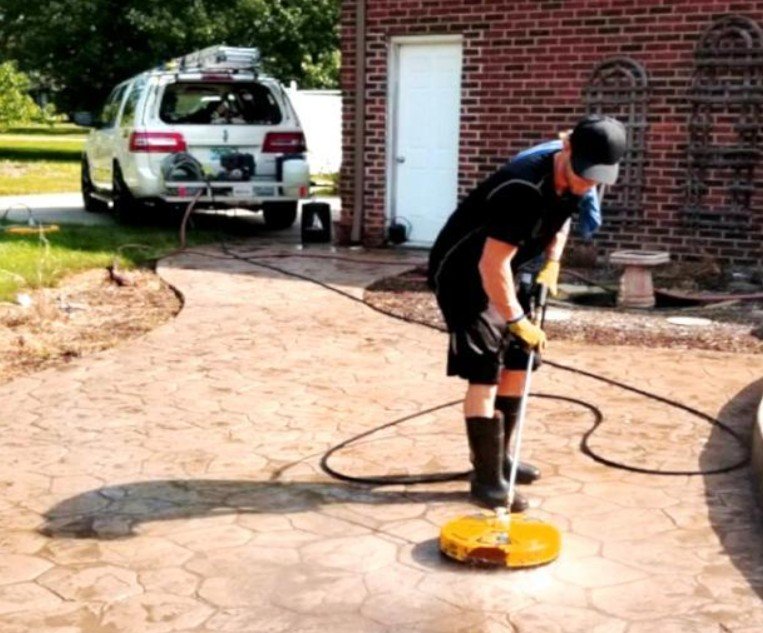
Power washing uses highly pressurized water to break apart and remove dirt, grime, and surface contaminants. The force of the water reaches areas that traditional cleaning methods cannot effectively clean.

Professional technicians evaluate the condition of the driveway before selecting the proper pressure level and cleaning approach. This helps remove buildup efficiently while protecting the surface material.

Many driveway power washing companies combine pressure washing with specialized cleaning solutions designed to loosen stubborn stains and organic growth.

Eliminating Algae, Mold, and Mildew

Algae and mildew are common problems in areas that receive limited sunlight or are frequently exposed to moisture.

These growths can:

  • Create slippery walking conditions
  • Cause unsightly green or dark discoloration
  • Spread over larger surface areas
  • Trap moisture against the driveway

Professional cleaning removes visible growth and helps eliminate the conditions that allow it to thrive. A properly cleaned surface often dries more effectively and looks significantly brighter.

Restoring the Original Appearance of Concrete and Pavers

Many property owners are surprised by how much cleaner their driveways appear after professional service.

Years of accumulated dirt can make concrete look darker and older than it actually is. Once contaminants are removed, the original color and texture often become visible again.

Whether the driveway is made of concrete, pavers, brick, or another material, thorough cleaning can dramatically improve its appearance without the need for expensive replacement projects.

The Importance of Proper Equipment and Techniques

Power washing equipment is powerful and requires proper handling. Incorrect pressure settings can damage certain surfaces or lead to uneven cleaning results.

Experienced professionals understand:

  • Appropriate pressure levels
  • Surface-specific cleaning methods
  • Safe cleaning solutions
  • Effective stain removal techniques
  • Proper water application procedures

This expertise allows them to achieve consistent results while minimizing risks.

Long-Term Benefits of Professional Driveway Cleaning

Routine cleaning offers advantages beyond immediate visual improvement.

Some long-term benefits include:

  • Improved curb appeal
  • Reduced surface staining
  • Better traction and safety
  • Extended surface lifespan
  • Easier ongoing maintenance
  • Enhanced property presentation

Many property owners schedule regular service to prevent contaminants from accumulating again.

When to Consider Professional Power Washing

There are several signs that indicate a driveway may benefit from professional cleaning.

Watch for:

  • Dark discoloration
  • Green algae growth
  • Noticeable mildew patches
  • Oil stains that continue spreading
  • Surface dirt that remains after rainfall
  • Slippery areas during wet weather

Addressing these issues early can help maintain a cleaner and safer outdoor environment.

Environmental Considerations During Cleaning

Responsible cleaning practices are important for protecting surrounding landscapes and water systems.

The United States Environmental Protection Agency provides information about managing stormwater runoff and preventing pollutants from entering local waterways. 

Working with professionals who understand proper cleaning procedures helps support environmentally responsible maintenance practices.

Conclusion

Driveways endure constant exposure to weather, traffic, and environmental contaminants. Over time, dirt, algae, mold, and stains can accumulate and affect both appearance and safety. Professional driveway power-washing companies use specialized equipment and proven techniques to remove years of buildup while helping to protect the surface beneath.

Regular cleaning can improve curb appeal, reduce maintenance concerns, and extend the life of your driveway. By addressing contamination before it becomes a larger problem, you can keep your property looking cleaner and more inviting throughout the year.

If your driveway is showing signs of discoloration, algae growth, or stubborn surface stains, the team at ProClean Power Washing Ann Arbor can help. Our experienced professionals provide thorough cleaning services to restore your driveway’s appearance and enhance your property’s overall look. Contact us today to learn more about our power washing solutions.

Elevating Your Landscape with Florida’s Iconic Palms

Elevating Your Landscape with Florida’s Iconic Palms

Florida’s skyline is defined by the graceful silhouettes of palm trees. For homeowners and commercial developers alike, these botanical giants are more than just aesthetic choices; they are the architectural backbone of a resilient, tropical environment. However, selecting the right palm involves understanding the delicate balance between soil composition, salt tolerance, and cold hardiness. Success in Florida landscaping requires moving beyond the “vacation vibe” and looking at the functional benefits of specific species.

Why Should You Prioritize Native Palm Trees in Florida?

Choosing indigenous species isn’t just a nod to conservation—it’s a practical strategy for long-term maintenance. Native palm trees in Florida have evolved to withstand the state’s unique stressors, from the nutrient-poor sandy soils to the intense humidity and seasonal hurricane winds.

Native varieties, such as the Sabal Palm (Sabal palmetto), the state tree, offer unparalleled durability. Unlike many exotic imports, native palms often require less supplemental irrigation once established and possess a natural resistance to local pests like the palmetto weevil. From a landscape design perspective, they provide a sense of place that honors the local ecosystem while providing essential habitats for native pollinators and birds.

Which Palms Handle Coastal Conditions Best?

If your property is within a few miles of the Atlantic or Gulf coasts, salt spray is your primary adversary. Salt causes desiccation in many plants, leading to browned fronds and stunted growth.

  • The Coconut Palm (Cocos nucifera): While synonymous with the tropics, it is highly salt-tolerant and thrives in the sandy, well-draining soils of South Florida.

  • The Silver Saw Palmetto (Serenoa repens): This is a low-growing powerhouse. Its silver-blue foliage adds incredible texture to the understory and can handle direct salt exposure without flinching.

  • The Thatch Palm (Thrinax radiata): A slender, elegant choice for smaller coastal lots where space is at a premium.

When sourcing these for large-scale projects, professionals often turn to specialized nurseries like Treeworld Wholesale, where the focus is on specimen quality and species accuracy—crucial factors when you are betting your curb appeal on a plant’s ability to survive a storm surge.

How Do You Choose the Right Palm for Your Hardiness Zone?

Florida is divided into several USDA hardiness zones, ranging from 8a in the Panhandle to 11 in the Keys. A common mistake is planting a “Miami palm” in Tallahassee.

Can the Pindo Palm Survive North Florida Winters?

Yes. The Pindo Palm (Butia capitata) is exceptionally cold-hardy, capable of withstanding temperatures as low as 15°F. Its blue-grey, arching fronds offer a Mediterranean look that survives freezes that would kill a Queen Palm.

Is the Bismarck Palm Right for Small Gardens?

Probably not. The Bismarck Palm (Bismarckia nobilis) is one of the most stunning specimens available, but its massive canopy can reach 20 feet across. In professional landscape design, we use the Bismarck as a “focal point” in wide-open spaces. Planting it too close to a structure is a recipe for future structural interference.

What Are the Key Signs of Nutritional Deficiency in Palms?

Palms are “heavy feeders,” particularly when it comes to potassium, magnesium, and manganese. In Florida’s high-alkalinity soils, these minerals often become “locked,” making them unavailable to the plant.

  • Yellowing of older fronds: This usually indicates a potassium deficiency. Do not trim these yellow fronds immediately; the tree is actually relocating nutrients from the old growth to the new bud.

  • Frizzle top: If the newest leaves emerge distorted or “scorched,” it is likely a manganese deficiency, common in the alkaline soils of the Florida Keys and coastal areas.

Designing for the Future

The longevity of a Florida landscape depends on the quality of the initial stock and the intelligence of the planting plan. By selecting palms that match your specific microclimate—be it a wind-swept coastal bluff or a humid inland garden—you reduce future replacement costs and water consumption.

Focus on diversity. Instead of a monoculture of one species, mix heights and textures. Combine the towering height of a Royal Palm with the mid-level canopy of a Christmas Palm and the low-profile texture of a Coontie. This creates a layered, professional look that matures beautifully over decades.

To ensure your landscape thrives, prioritize sourcing from growers who understand the specific physiological needs of Florida’s flora and always test your soil pH before the first spade hits the ground.

Pool Inspection Costs and What to Expect During an Evaluation

Pool Inspection Costs and What to Expect During an Evaluation

Maintaining a pool goes beyond balancing chemicals and skimming debris. A professional pool inspection is essential to ensure that your pool is safe, efficient, and free from hidden issues. Understanding what a pool inspection entails and the typical costs involved helps homeowners plan and avoid costly surprises down the line.

Many pool owners assume that routine cleaning and chemical balancing are enough to keep a pool in good condition. However, unseen problems like leaks, faulty equipment, or structural damage can escalate if not identified early. A professional pool inspection bradenton evaluates every aspect of your pool—from the structural shell to pumps, filters, and plumbing. This assessment allows for early intervention, preventing major repairs and prolonging the pool’s lifespan.

Average Costs of a Pool Inspection

The cost of a pool inspection depends on several factors, including the pool’s size, age, and equipment complexity. On average, homeowners can expect to pay a moderate fee for a thorough evaluation. Small residential pools with standard equipment are generally less expensive to inspect, while larger pools, commercial pools, or those with specialized systems may cost more. Keep in mind that investing in a professional inspection can save money in the long run by identifying problems early and avoiding emergency repairs.

What a Pool Inspection Covers

A complete pool inspection evaluates multiple areas to ensure the pool is functioning correctly, efficiently, and safely. By examining both visible and hidden components, inspectors provide a comprehensive overview that helps prevent costly repairs and safety hazards. Key areas assessed include:

Structural Integrity: Inspectors carefully examine the pool shell for cracks, plaster chips, tile damage, and the overall condition of decks and coping. Even small hairline cracks can expand over time, allowing water to seep beneath the surface. Persistent leaks not only waste water but can undermine the pool’s foundation, potentially leading to uneven flooring, tile displacement, or more serious structural issues. Attention to the pool’s structure ensures long-term stability and protects the surrounding property.

Equipment Functionality: All major pool systems are tested, including pumps, filters, heaters, chemical feeders, and circulation components. Malfunctioning equipment can reduce water circulation and filtration, leading to dirty or unsafe water. For example, a failing pump can increase energy costs and strain the filtration system, while an improperly functioning heater can shorten the swimming season and compromise comfort. A detailed inspection identifies worn parts or mechanical issues early, enabling timely repairs or replacements.

Plumbing and Electrical Systems: Inspectors assess the pool’s plumbing and electrical setups for leaks, corrosion, faulty wiring, and other safety hazards. Hidden problems in pipes, valves, or underwater lighting are a common source of major repairs. Detecting these issues early helps prevent water damage, electrical failures, and safety risks such as shocks or fires. Properly functioning plumbing ensures efficient water flow and reduces strain on pumps and filters.

Signs Your Pool Needs Immediate Attention

Even a well-maintained pool can develop issues over time. Certain warning signs indicate it may be time to schedule a professional pool inspection:

  • Unexplained Water Loss: Pools naturally lose some water through evaporation, but rapid or persistent loss may signal leaks or cracks that require investigation.

  • Visible Cracks or Separation: Cracks in the pool shell, plaster, or tile, or separation around fittings, can allow water to escape and compromise structural integrity.

  • Frequent Equipment Malfunctions or Noises: Pumps, heaters, or filters that fail intermittently or make unusual sounds may indicate underlying mechanical or electrical problems.

  • Persistent Cloudy or Green Water: Algae blooms, cloudy water, or chemical imbalances often point to circulation or filtration issues that need correction.

  • Sagging or Uneven Decking: Pool decks that are sinking, cracking, or shifting can create safety hazards and may indicate structural problems beneath the surface.

Addressing these warning signs early prevents minor issues from becoming costly, major repairs. A timely inspection not only safeguards your investment but also ensures the pool remains safe and enjoyable for swimmers year-round.

Preparing for a Pool Inspection

Before an inspector arrives, there are a few steps homeowners can take to ensure an efficient evaluation:

  • Remove debris from the pool and surrounding areas
  • Make sure pumps, filters, heaters, and other equipment are accessible
  • Provide any maintenance records or notes about past issues
  • Note any specific concerns, such as leaks or unusual noises

Being prepared helps the inspector complete a thorough assessment and provides a more accurate report.

Benefits of a Professional Pool Inspection

Investing in a professional pool inspection offers several advantages. It provides a detailed report on your pool’s condition, identifies areas requiring repair or maintenance, and ensures safety compliance. For homeowners planning to sell, an inspection can verify the pool’s condition for potential buyers, potentially increasing property value. Regular inspections also help extend the pool’s lifespan, reduce maintenance costs, and give homeowners peace of mind.

Conclusion

Understanding pool inspection costs and what to expect during an evaluation helps homeowners protect their investment and maintain a safe, enjoyable swimming environment. Routine inspections catch problems early, prevent costly repairs, and ensure that both structural and equipment issues are addressed efficiently. Partnering with reliable experts like Bradenton Pool Service Pros ensures a thorough evaluation and professional recommendations that keep your pool in top condition year after year.

Concrete Slab Foundation Repair: What Cracks Mean and Repair Costs

Concrete Slab Foundation Repair: What Cracks Mean and Repair Costs

Concrete slab foundations are known for strength and longevity, but they are not immune to damage. Cracks, moisture intrusion, and shifting soil can all affect performance over time. Understanding what different cracks mean and how repair costs are determined helps you act early and avoid structural problems that grow more expensive with delay.

If you are researching local solutions, reviewing professional guidance like slab foundation repair austin gives you a clearer idea of how experts evaluate damage and recommend next steps. Regional soil conditions, moisture levels, and construction standards all influence how repairs are approached and priced.

Here is an expanded version that adds clarity, context, and homeowner-focused insight without drifting off topic or padding the section.

Why Concrete Slabs Crack in the First Place

Concrete is exceptionally strong when compressed but far less tolerant of tension, bending, or uneven support. When the soil beneath a slab shifts, the foundation is forced to flex in ways it was never designed to handle. Expansive soils are the most common culprit. These soils absorb moisture during wet periods and expand, then contract as they dry out. This constant cycle of swelling and shrinking repeatedly stresses the slab until cracks begin to form.

Moisture-related issues beneath the home often worsen the problem. Plumbing leaks under the slab can wash away supporting soil, creating voids that allow parts of the foundation to sink. Even slow, undetected leaks can cause significant damage over time. Poor drainage around the home, improper grading, or water pooling near the foundation further increase soil movement and pressure.

Construction factors also play a role. Inadequate soil compaction before pouring the slab, insufficient reinforcement, or improper concrete thickness reduce the slab’s ability to handle stress. When these conditions combine, cracking becomes more than cosmetic, and slab foundation repair is needed to stabilize the structure and prevent continued movement.

Understanding Different Types of Foundation Cracks

Not all cracks carry the same level of concern. Hairline surface cracks are often cosmetic and may not require immediate action. Wider cracks, stair step patterns, or cracks that grow over time suggest movement beneath the slab.

Vertical cracks often indicate settling, while horizontal cracks may point to pressure from soil expansion. Cracks accompanied by uneven floors or sticking doors usually mean that slab foundation repair should be evaluated promptly by a professional.

How Serious Is a Cracked Slab Foundation

The seriousness depends on size, location, and progression. Small, stable cracks may only need monitoring. Cracks that widen, allow moisture intrusion, or affect load-bearing areas require attention.

Ignoring these signs can lead to structural imbalance, interior damage, and plumbing issues. Early slab foundation repair typically limits the scope and helps prevent secondary problems that raise total cost.

What Repair Costs Are Based On

Repair costs vary depending on severity, repair method, and accessibility. Minor crack sealing costs far less than structural stabilization. More advanced repairs may involve piers, underpinning, or soil correction.

The extent of preparation and labor also affects pricing. Accurate slab foundation repair estimates consider soil conditions, slab thickness, reinforcement needs, and whether plumbing repairs are required at the same time.

Repair Versus Replacement

Full slab replacement is rare and usually reserved for extreme cases. Most issues can be corrected through targeted repairs that restore support and prevent further movement. This approach is typically more cost-effective and less disruptive.

Choosing repair over replacement depends on inspection findings. In many cases, slab foundation repair resolves the problem without requiring major reconstruction.

Slab Leaks and Their Impact on Repair Costs

Slab leaks occur when plumbing lines beneath the foundation fail. These leaks can remain hidden for long periods, eroding soil and weakening support. By the time symptoms appear, damage may already be significant.

Repairing the leak is only part of the solution. Addressing resulting settlement often requires slab foundation repair to restore level surfaces and prevent future cracking.

How Long Repairs Take and What to Expect

Most repairs are completed within days, depending on the scope. Simple crack repairs may take less time, while structural stabilization requires careful planning and curing periods.

A professional evaluation outlines the timeline, process, and expected results. Quality slab foundation repair focuses on long-term stability rather than quick cosmetic fixes.

Insurance and Responsibility Considerations

Coverage varies by policy. Some insurance plans cover damage caused by sudden plumbing failures, while others exclude foundation movement. Reviewing your policy and documentation helps clarify who is responsible.

Regardless of coverage, delaying repairs often increases out of pocket expense. Addressing slab foundation repair early protects property value and structural safety.

Conclusion

Cracks in a concrete slab are signals that should not be ignored. Understanding what they mean and how repair costs are determined allows you to make informed decisions before problems escalate. When you need expert evaluation and dependable solutions, Total Foundation Repair Austin provides professional slab foundation repair services to restore stability and protect your home long term.

Tree Trimming Service Costs: Fair Pricing, Seasonal Timing, and What to Expect

Tree Trimming Service Costs: Fair Pricing, Seasonal Timing, and What to Expect

Trees add shade, character, and curb appeal to your property. But when branches grow too close to your roof, power lines, or driveway, trimming becomes more than a cosmetic task. It becomes a safety priority. Understanding what influences costs and timing helps you make smart decisions rather than guessing.

If you are researching tree trimming service options, you may also be looking for a reliable tree trimming service springfield mo to handle the job professionally. Knowing how pricing works and when scheduling makes the most sense gives you an advantage before you even request an estimate.

What Affects Tree Trimming Service Costs?

No two trees are the same. Size, shape, and location all play a role in pricing.

Tree Height and Canopy Size

Larger trees require more labor, equipment, and safety precautions. A tall tree with a wide canopy takes longer to trim than a small ornamental tree. More time and greater complexity naturally increase the cost of tree trimming services.

Accessibility

If a tree sits in an open yard, trimming is straightforward. If it leans over a house, fence, or power line, crews must work carefully and sometimes use specialized equipment. Limited access increases labor time and risk, which impacts the final estimate.

Tree Condition

Dead or damaged limbs can complicate trimming. Brittle branches may require slower, more cautious removal. Trees with disease or structural weakness may also need strategic pruning to protect long-term health.

When Is the Cheapest Time for Tree Trimming?

Timing affects both tree health and pricing.

Late Winter and Early Spring

For many species, late winter is ideal. Trees are dormant, leaves are minimal, and the branch structure is easy to see. Scheduling during slower seasons can sometimes reduce overall tree trimming service costs due to lower demand.

Avoiding Peak Seasons

Storm season and late spring often bring high demand. Emergency jobs fill schedules quickly. Planning your tree trimming service in advance during calmer months gives you more flexibility and potentially better pricing.

What Is a Fair Price?

Homeowners often ask what they should expect to pay. Pricing depends heavily on the factors discussed earlier. Small trees typically fall into a lower range. Medium- and large-sized trees require more labor and may move into the moderate or higher pricing tiers.

Instead of focusing solely on price, evaluate value. A professional tree trimming service includes trained crews, safety equipment, proper cleanup, and insurance coverage. Cheap shortcuts can lead to property damage or poorly cut branches, weakening the tree.

Tree Trimming vs Tree Removal

Some homeowners wonder whether trimming or removal makes more financial sense.

Trimming preserves the tree and manages growth. Removal is more complex and labor-intensive. In most cases, maintaining your tree with routine tree trimming service is more affordable than removing it entirely.

If a tree is healthy and structurally sound, trimming extends its lifespan and reduces the need for drastic action later.

Common Mistakes Homeowners Make

Improper trimming can harm your tree more than help it.

Topping involves cutting off the upper portion of the tree. This practice can lead to unstable regrowth and long-term structural issues. A qualified tree trimming service avoids this outdated method.

Ignoring Safety

Climbing ladders with chainsaws may seem manageable, but accidents happen quickly. Professional crews use harnesses, lifts, and safety protocols to reduce risk.

How to Save Money on Tree Trimming

Smart planning makes a difference.

  • Schedule during off-peak seasons

  • Bundle multiple trees into one appointment

  • Maintain regular trimming to prevent large corrective jobs

  • Get multiple estimates to compare scope and approach

Routine tree trimming service often costs less than waiting until branches become hazardous or overgrown.

What to Expect During the Process

Professional trimming follows a clear structure.

First, the crew evaluates the tree’s health and shape. They identify dead, crossing, or hazardous branches. Next, they make strategic cuts that improve structure while protecting growth patterns.

Cleanup is typically included. Branches and debris are removed, leaving your property tidy. A reputable tree trimming service explains the work performed and offers maintenance recommendations for the future.

Why Professional Service Is Worth It

Trees are living structures. Improper cuts can lead to disease, decay, and instability. Hiring a qualified tree trimming service protects both your property and the tree’s health.

Professionals understand seasonal timing, structural balance, and safety practices. They also carry insurance, which protects you in case of unexpected incidents.

In many cases, paying for professional expertise now prevents larger expenses later.

Conclusion

Tree care is about more than appearance. It is about safety, structural integrity, and long-term property value. Understanding tree trimming service costs, seasonal timing, and fair pricing helps you plan wisely and avoid rushed decisions.

If you are ready to schedule expert care, Springfield Tree Trimming & Removal Service offers reliable tree trimming solutions designed to protect your landscape and home. Investing in proper maintenance today keeps your trees strong, balanced, and safe for years to come.