Suspended Ceilings – Worth in House

Suspended ceilings, also known as drop ceilings or false ceilings, have long been a staple in commercial spaces, offering practical benefits such as easy access to utilities and improved acoustics. However, their use in residential settings is less common and often overlooked. In this article, we delve into the worth of suspended ceilings in house, exploring their benefits, considerations, and potential impact on comfort, aesthetics, and functionality.

Enhanced Aesthetics and Design Flexibility

One of the primary advantages of suspended ceilings in house is their ability to enhance the aesthetics of interior spaces. By concealing unsightly structural elements, wiring, ductwork, and plumbing, suspended ceilings create a clean, uniform appearance that adds to the overall visual appeal of the room. Additionally, drop ceilings offer design flexibility, allowing homeowners to choose from a wide range of materials, colors, textures, and patterns to complement their interior decor and personal style.

Improved Acoustics and Sound Insulation

Another notable benefit of suspended ceilings is their ability to improve acoustics and sound insulation in the home. By adding an additional layer of insulation between floors, false ceilings can help reduce airborne noise transmission and improve the overall sound quality within rooms. This is especially beneficial in multi-story homes or spaces with high ceilings, where sound can easily travel and reverberate.

Concealed Utilities and Easy Access

In addition to enhancing aesthetics and acoustics, suspended ceilings in Manchester offer practical advantages in terms of utility concealment and accessibility. By hiding electrical wiring, plumbing, HVAC ducts, and other mechanical systems above the ceiling plane, suspended ceilings create a streamlined and clutter-free environment that enhances the overall functionality of the space. Moreover, suspended ceilings provide easy access to utilities for maintenance, repairs, and renovations, eliminating the need to tear down walls or ceilings to access hidden infrastructure. This can save homeowners time, money, and inconvenience in the long run, making suspended ceilings a valuable investment in home maintenance and upkeep.

Energy Efficiency and Thermal Comfort

Suspended ceilings can also contribute to energy efficiency and thermal comfort in the home by providing an additional layer of insulation and reducing heat loss or gain through the ceiling plane. This is particularly beneficial in homes with high ceilings or attic spaces, where heat can easily escape during the winter months or penetrate during the summer months. By adding insulation above the suspended ceiling, homeowners can improve the thermal performance of their homes, reduce energy consumption, and enhance comfort year-round.

Conclusion: Adding Value and Versatility to the Home

In conclusion, suspended ceilings in Manchester offer a range of benefits that make them a worthwhile addition to residential spaces. From enhancing aesthetics and acoustics to improving utility concealment and energy efficiency, suspended ceilings can add value, comfort, and versatility to the home. By carefully considering their advantages and considerations, homeowners can make informed decisions about incorporating suspended ceilings into their interior design plans, creating beautiful, functional, and comfortable living spaces for themselves and their families.

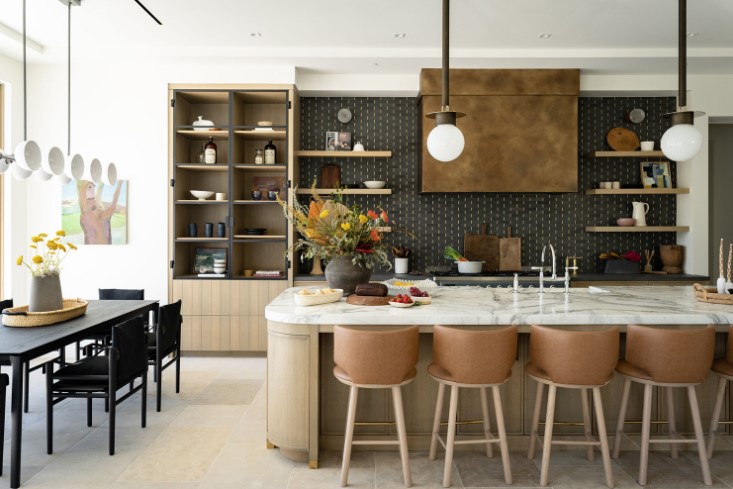
Revolutionize Your Home: Exploring Kitchen Design Ideas for a Stylish Makeover

Kitchen Design Ideas

Introduction

Welcome to the realm of possibilities! In this comprehensive guide, we’ll delve into exciting kitchen design ideas that promise to breathe new life into your home. From contemporary chic to timeless classics, we’ve curated a collection of concepts to suit every taste. Let’s embark on a transformative journey, exploring the heart of your home.

Kitchen Design Ideas Unveiled

kitchen design ideas: A Harmonious Blend of Style and Functionality

Embarking on a kitchen redesign? Start with the focal point – the design. Opt for a modern, minimalist look that maximizes functionality. Think sleek cabinetry, smart storage solutions, and ambient lighting. This approach not only enhances aesthetics but also makes your kitchen a practical and enjoyable space.

Innovative Space Utilization: Small Kitchen Design Ideas

Blessed with a cozy kitchen space? Fear not! Explore ingenious small kitchen design ideas that optimize every inch. From vertical storage to multifunctional furniture, witness the magic of turning limitations into design opportunities. Your compact kitchen can be a stylish haven with the right tweaks.

Timeless Elegance: Classic Kitchen Design Ideas

Some designs never go out of style. Dive into the world of classic kitchen design ideas, where timeless elegance meets modern convenience. Incorporate traditional materials, like rich woods and marble, and pair them with contemporary appliances for a sophisticated yet functional space.

Color Palette Mastery: Vibrant Kitchen Design Ideas

Inject life into your kitchen with a burst of color! Explore vibrant kitchen design ideas that play with color palettes, from bold and bright to soft and muted. Discover how color influences mood and learn to strike the perfect balance for a lively, inviting kitchen.

Tech-Savvy Kitchens: Smart Kitchen Design Ideas

Step into the future with smart kitchen design ideas. From connected appliances to integrated technology, witness the seamless marriage of convenience and innovation. Elevate your culinary experience with intuitive gadgets and automation that redefine modern living.

Kitchen Design Ideas in Action

A Glimpse into My Kitchen Design Journey

Embarking on my kitchen redesign was a thrilling adventure. Inspired by contemporary aesthetics, I embraced open shelving and neutral tones. The result? A spacious, inviting kitchen that effortlessly blends style and functionality. Follow my journey for insights into crafting your dream kitchen.

FAQs – Your Burning Questions Answered

Are These Kitchen Design Ideas Budget-Friendly?

Absolutely! Our curated ideas cater to a range of budgets. From affordable DIY projects to high-end remodels, there’s a solution for everyone.

How Can I Incorporate Sustainable Elements in My Kitchen Design?

Embrace eco-friendly materials, energy-efficient appliances, and sustainable practices. This not only adds a green touch but also contributes to a healthier planet.

Any Recommendations for Pet-Friendly Kitchen Designs?

Certainly! Opt for durable, easy-to-clean materials, and create designated spaces for pet bowls and toys. Strike a balance between style and pet-friendly practicality.

Is Minimalism Still in Vogue for Kitchen Designs?

Absolutely! Minimalist kitchen designs continue to trend, offering a timeless and clutter-free aesthetic. Streamline your space for a chic and functional kitchen.

Tips for Maximizing Storage in a Small Kitchen?

Explore vertical storage solutions, utilize under-cabinet spaces, and invest in multifunctional furniture. These strategies maximize storage without compromising style.

How Can I Blend Modern and Classic Elements in My Kitchen?

Achieve a harmonious balance by combining modern appliances with classic materials. Think stainless steel appliances paired with rich wooden cabinets for a sophisticated fusion.

Conclusion

Congratulations on reaching the end of our journey through kitchen design ideas! Armed with inspiration and insights, you’re ready to embark on your own transformation. Remember, your kitchen is not just a space; it’s an expression of your style and functionality needs. Dive in, experiment, and create a kitchen that reflects the heart of your home.

Modern Art Deco Interior Design: Elevating Spaces with Timeless Elegance

Modern Art Deco Interior Design

Introduction

In the realm of interior design, the fusion of modernity and timeless elegance is beautifully encapsulated in the concept of modern art deco interior design. This style effortlessly marries sleek lines and luxurious details, creating a visual symphony that resonates through every corner of your living spaces.

Unveiling the Allure of Modern Art Deco Interior Design

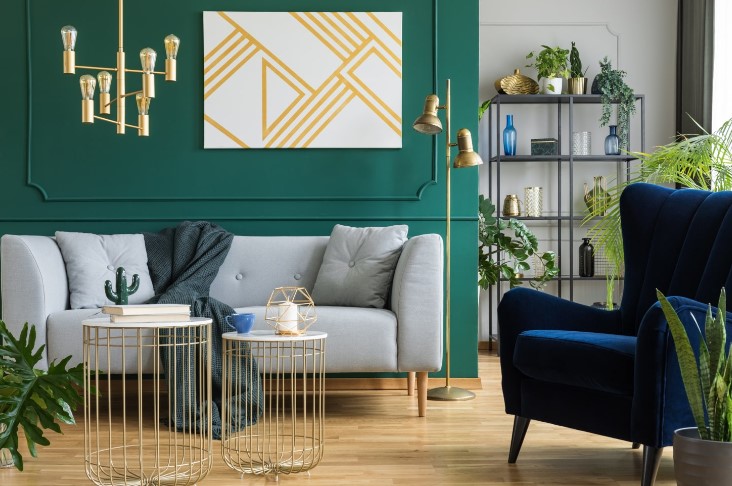
Modern Art Deco Interior Design: A Glimpse into Opulence Embark on a journey through opulence as we delve into the foundational principles of modern art deco interior design. From iconic geometric patterns to lavish materials, this style is a celebration of luxury and sophistication.

The Significance of Geometric Patterns in Modern Art Deco Interior Design Witness the harmonious marriage of symmetry and bold geometric shapes that define modern art deco interior design. These patterns not only add visual interest but also create a sense of order and balance in your living spaces.

Luxurious Materials: Elevating the Aesthetic Experience Explore the lavish world of materials that define modern art deco interior design. From sumptuous velvets to gleaming metals, each element is carefully chosen to evoke a sense of glamour and refinement.

Striking Color Palettes: A Play of Contrasts Dive into the art of choosing the perfect color palette for your modern art deco-inspired space. The interplay of bold contrasts and subdued hues is a hallmark of this style, infusing your home with a captivating and dynamic energy.

Furniture and Accessories: The Epitome of Elegance Discover how furniture and accessories become the protagonists in the narrative of modern art deco interior design. Each piece is a statement, blending functionality with exquisite design to create a space that is both glamorous and comfortable.

Modern Art Deco Interior Design in Practice

Creating a Modern Art Deco Living Room: Where Comfort Meets Opulence Step into the heart of your home and explore how to infuse your living room with the opulence of modern art deco interior design. From statement furniture to carefully curated accessories, transform your space into a haven of sophistication.

Revamping Bedrooms with Modern Art Deco Elegance Unwind in the lap of luxury as we guide you through the process of revamping your bedroom with modern art deco flair. Discover the art of selecting bedding, lighting, and decor elements that transform your bedroom into a sanctuary of style and comfort.

Modern Art Deco Kitchen and Dining: Where Functionality Meets Glamour Explore how to marry functionality with glamour in your kitchen and dining areas. From sleek cabinetry to statement lighting, elevate these spaces into hubs of culinary creativity and social gatherings.

Frequently Asked Questions (FAQs)

How can I incorporate modern art deco elements without a complete overhaul? Embrace small changes like introducing statement furniture, mirrors, or art pieces that encapsulate the essence of modern art deco.

Is modern art deco interior design only suitable for large spaces? Not at all! Modern art deco can be adapted to any space, big or small, by carefully selecting furniture and decor that complement the scale of the room.

What color palettes work best in modern art deco design? Bold contrasts like black and gold, or soft palettes of cream and pastels, can be employed to create the desired aesthetic in modern art deco design.

Can I mix modern art deco with other design styles? Absolutely! Modern art deco is versatile and can be seamlessly blended with other styles like minimalism or contemporary design for a personalized touch.

Where can I find modern art deco-inspired furniture and accessories? Many furniture stores and online platforms offer a wide range of modern art deco-inspired pieces. Look for items with sleek lines, metallic finishes, and geometric patterns.

Is modern art deco interior design a timeless style? Yes, the blend of modernity and timeless elegance in art deco design ensures its enduring appeal, making it a timeless choice for interior aesthetics.

Conclusion

In the realm of interior design, modern art deco stands as a testament to the enduring allure of sophistication and elegance. By understanding its principles and incorporating them into your living spaces, you embark on a journey of transforming your home into a timeless masterpiece.

Rohnert Park Cooling Services for Ultimate Comfort

When the temperatures rise in Rohnert Park, you need a cooling system you can rely on. Elevated Comfort specializes in providing comprehensive cooling services that ensure your indoor comfort remains uninterrupted. With our range of solutions and expert technicians, staying cool during the warmer months is a breeze.

Benefits of Offering a Range of Cooling Solutions

  • Diverse cooling options for Rohnert Park residents.
  • Tailored solutions to fit different property sizes and budgets.
  • Efficient and effective cooling for homes and businesses.

Our Rohnert Park AC installation services are designed to provide you with cooling relief. Our experts will help you select the right AC system for your needs, ensuring efficient and effective cooling throughout your property.

Swift AC Repairs and Maintenance

Is your AC system not performing as it should? Our Rohnert Park AC repair and maintenance services are here to restore your comfort. Our team is dedicated to diagnosing and addressing issues promptly. Efficient cooling doesn’t have to come at the cost of high energy bills. Our team can guide you in selecting energy-efficient AC systems that keep your indoor space comfortable without breaking the bank.

Customer-Centric Cooling Solutions

At Elevated Comfort, our cooling solutions are centered around your comfort. Whether it’s AC installation, repairs, or maintenance, our Rohnert Park experts are here to provide you with reliable and customer-centric services.

Trust Elevated Comfort to Keep Rohnert Park Cool

Elevated Comfort is your trusted partner for Rohnert Park cooling solutions. Our commitment to delivering efficient, effective, and customer-focused services sets us apart. Contact us today to experience the comfort and relief that come with our expert cooling solutions.

The Intersection of Art, Landscape Design, Sacred Places and Religious Statues

The intersection of art, landscape design, sacred places, and religious statues presents a profound exploration of humanity’s spiritual and aesthetic expressions. Since the dawn of civilization, sacred places have served as spiritual conduits, bridging the earthly realm with the divine. They are not merely geographical locations but intricate tapestries of faith, culture, and artistry. Embellished with exquisite art, thoughtfully designed landscapes, and symbolic religious statues, these spaces stand as tangible manifestations of our collective faith, spirituality, and aesthetic sensibility.

These sacred spaces are mirrors reflecting humanity’s quest for transcendence, understanding, and connection with the divine. They encapsulate the creative interplay between image and meaning, nature and architecture, and the human and the divine. This article delves deeper into this fascinating intersection, exploring how art, landscape design, religious statues, and sacred places harmoniously converge to create environments that resonate with spiritual significance and aesthetic appeal.

From the ancient Greek temples adorned with mythological friezes to the tranquil Zen gardens fostering mindfulness; from the iconic Christ the Redeemer statue overlooking Rio de Janeiro to the meticulously planned cityscape of Mecca centered around the Kaaba, we will traverse various cultures and faiths. We will unravel the stories these sacred spaces tell, the spiritual experiences they facilitate, and the timeless wisdom they embody.

Join us on this enlightening journey as we navigate the intricate interplay of art, landscape design, sacred places, and religious statues, and discover how they collectively shape our spiritual landscapes and cultural narratives.

Historical and Cultural Contexts

Sacred places form a pivotal part of human history, serving as profound spiritual sanctuaries and significant cultural landmarks. These are more than just mere physical locations. They symbolize a complex interplay between the divine and the earthly, the tangible and the ethereal. They embody centuries of human faith, devotion, and cultural evolution, standing as timeless testaments to our collective spiritual journey.

The Role of Art and Architecture

Art and architecture have played an instrumental role in shaping these sacred spaces. Every element, from the grand architectural structures to the intricate artistic details, carries profound symbolism and cultural meaning. For instance, the elaborate carvings on the walls of Egyptian temples tell tales of their gods and pharaohs, while the awe-inspiring stained glass windows of Gothic cathedrals illustrate biblical stories in vibrant colors.

Each brush stroke, chiseled stone, or architectural design is more than an aesthetic feature. They are expressions of faith, embodying religious narratives, spiritual ideologies, and cultural values. They serve to inspire, educate, and evoke a sense of reverence among those who visit these sacred places.

Significance of Religious Statues

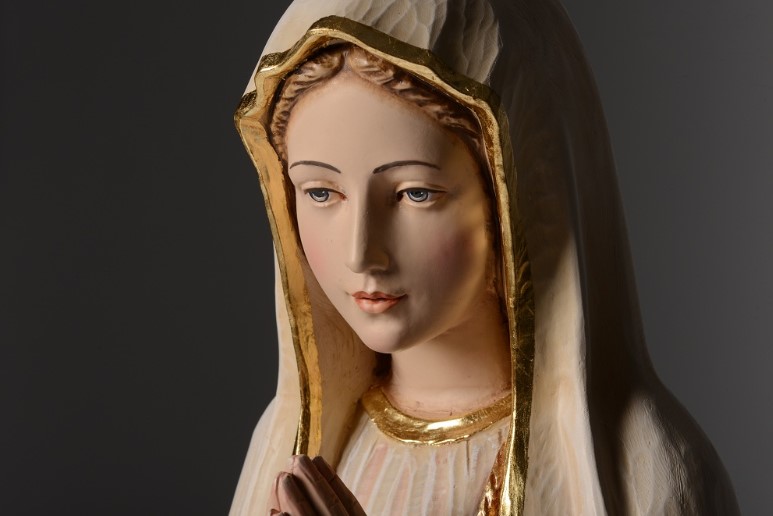
Religious statues, spanning different cultures and faiths, serve as tangible embodiments of the divine. These statues depict various divine entities, revered figures, and key religious events, often embodying core spiritual principles. Just think about the Rio de Janeiro statue, the Christ the Redeemer statue, it stands as a symbol of Christianity’s central theme of redemption and divine love.

These statues provide a visual form to the abstract concepts of divinity, making the divine more accessible and relatable to the followers. They also serve as tools for meditation and prayer, helping devotees focus their minds on their spiritual practices.

Integration of Landscape Design
Integration of Landscape Design

The integration of landscape design into sacred places adds another layer of depth to these spaces. It extends the sacredness beyond the confines of the main worship structures, enveloping the entire space in a spiritual aura. From the tranquil Zen gardens of Japan, designed to foster mindfulness and serenity, to the grandeur of Vatican City, where every tree and water fountain is carefully placed to enhance the aesthetic appeal and spiritual ambiance, landscape design is a crucial aspect of sacred places.

These landscapes are not random; they are meticulously planned and maintained. They reflect the ethos of the specific faith, harmoniously integrating natural elements with man-made structures. Whether it’s the sacred groves of India, preserved for centuries due to religious beliefs, or the labyrinthine paths in Christian monasteries for contemplative walks, landscape design plays a vital role in defining the character, experience, and spiritual resonance of a sacred place.

Interplay of Art, Landscape, Religion, and Statues

Art, landscape design, religion, and statues all converge in sacred spaces, each contributing to the spiritual resonance of these places. They form an intricate tapestry of elements that interact with one another, shaping the physical environment and influencing the spiritual experience of the devotees.

The Role of Art in Sacred Places

Art in sacred places serves as a visual narrative of religious beliefs and customs. It transcends linguistic and cultural barriers, communicating profound spiritual truths through a universally accessible visual language. This form of expression is not confined to any single medium or style. From the intricate iconography in Orthodox churches to the vibrant murals in Hindu temples, from the grand mosaics in Byzantine basilicas to the delicate frescoes in Buddhist caves, art forms are as diverse as the faiths they represent.

Each piece of art tells a unique story of faith and devotion. They illustrate religious myths, depict divine figures, symbolize spiritual concepts, and sometimes even narrate historical events associated with the faith. They serve as visual scriptures, educating devotees about their faith and inspiring them with their beauty and symbolism.

Significance of Religious Statues

Religious statues add a tangible dimension to faith, transforming abstract religious concepts into concrete visual forms. These statues, be it a serene Buddha in a meditative pose, a crucified Christ symbolizing sacrifice and resurrection, or a multi-armed Hindu deity representing various cosmic powers, enable devotees to visualize and connect with divine figures.

These statues transcend mere artistic representation. They are revered objects of veneration, meditation, and pilgrimage, heightening the spiritual journey of devotees. Serving as focal points for prayers and contemplation, they provide a tangible connection to the virtues and principles that followers strive to embody.

Role of Landscape Design in Enhancing Sanctity

Landscape design plays a vital role in shaping the physical environment of sacred places, elevating their sanctity and significance. By creating a serene setting that fosters worship, reflection, and spiritual connection, it establishes an ambiance that resonates with the ethos of a particular faith.

These thoughtfully crafted landscapes are carefully integrated with their natural surroundings, seamlessly incorporating elements such as water bodies, trees, hills, and rocks. They provide a haven of calm and tranquility, offering solace from the demands of daily life, while also facilitating specific religious practices. Christian monasteries feature labyrinthine paths for contemplative walks, while mosques embrace open courtyards for communal prayers.

In conjunction with art and religious statues, landscape design forms a cohesive spiritual environment in sacred places. The interplay between these various elements, in harmony with the minds and hearts of devotees, greatly influences their emotions, thoughts, and spiritual experiences.

Specific Examples

Ancient Greek Temples

The ancient Greek temples, with their intricate sculptures and detailed friezes, stand as a testament to the deep reverence and remarkable aesthetic sensibilities of the Greeks towards their pantheon of gods. Architectural masterpieces like the Parthenon in Athens or the Temple of Apollo at Delphi seamlessly blend art and religion.

Each sculpture adorning these temples tells captivating tales of myth and legend, bringing the gods and goddesses to life in the minds of devotees, and making them more relatable and accessible. The friezes also serve as visual narratives, depicting various mythological events and religious rituals, enlightening devotees about their faith.

Christian Art in Roman Environments

In contrast, the Roman environments of the late antiquity period witnessed a remarkable infusion of Christian iconography, materializing in the form of captivating mosaics, intricate frescoes, and evocative statues. This profound transition indicated a significant shift from the long-standing polytheistic Roman religion to the emergent faith of Christianity, thereby highlighting the complex interplay between art and religion during that era.

The catacombs of Rome best exemplify this transformative period, as they house an array of the earliest Christian art forms. These subterranean burial sites are adorned with vivid frescoes that depict pivotal biblical narratives and meticulously crafted symbols associated with early Christianity, such as the iconic fish and the Good Shepherd. Not only do these masterpieces symbolize the remarkable growth and evolution of the Christian faith within the expansive Roman Empire, but they also provide profound insights into the profound beliefs and practices of early Christians.

Buddha Statues in Buddhist Temples

The statue of Buddha, often observed in a meditative posture, stands as a powerful symbol of enlightenment and inner peace. Seen in Buddhist temples worldwide, from the expansive Borobudur temple in Indonesia to the serene Mahabodhi temple in India, these statues serve as focal points for worship and meditation.

With its serene expression and graceful posture, the Buddha statue embodies the core values of Buddhism – mindfulness, compassion, and detachment. It motivates practitioners to strive for spiritual liberation by evoking the Buddha’s enlightening journey. Additionally, the statue offers a tangible representation of the abstract concept of Nirvana, facilitating devotees’ comprehension and aspirations.

Landscape Design in Mecca

The city of Mecca, renowned for its awe-inspiring landscape design centered around the sacred Kaaba, serves as a striking manifestation of the Islamic principles of unity and communal worship. More than just a city, Mecca holds the esteemed position as the holiest site in Islam, attracting countless pilgrims from all corners of the globe during the annual Hajj pilgrimage.

Each facet of the cityscape is meticulously planned with the sole aim of facilitating the spiritual sojourn of the pilgrims. The expansively designed circular pathways leading to the Kaaba efficiently accommodate the movement of monumental crowds, symbolizing the profound unity and solidarity among Muslims as they reverentially circumambulate the hallowed edifice. The minimalist approach employed in the architecture of the Grand Mosque, characterized by its modest, unadorned aesthetics devoid of elaborate artworks or statues, embodies the Islamic principle of monotheism and simplicity. The picturesque backdrop of towering mountains and sprawling desert surrounding Mecca further enhances the spiritual ambiance, serving as poignant reminders of the life and hardships of the revered Prophet Muhammad.

These compelling illustrations vividly demonstrate the diverse yet harmonious amalgamation of artistic expressions, religious sculptures, and carefully crafted landscape designs that reverberate across cultures and faiths, ultimately serving to engender distinctive and profound spiritual environments.

Unveiling Spiritual Landscapes: Final Reflections

Delving into the complex interplay of art, landscape design, sacred places, and religious statues unveils a rich tapestry of human faith and spirituality. This exploration transcends the aesthetic realm, offering profound insights into diverse cultural expressions and spiritual practices.

Appreciating this intricate intersection fosters a sense of global empathy and mutual respect among different cultures and traditions. It serves as a poignant reminder of our shared human pursuit for spiritual enlightenment and connection, despite our diverse paths.

From the ancient Greek temples to the tranquil Buddhist gardens, from the majestic Christian cathedrals to the awe-inspiring Islamic mosques, these sacred spaces embody the beauty, wisdom, and resilience of human spirit. They are more than just physical locations or artistic creations; they are spiritual havens that inspire, educate, and uplift humanity.

Through their compelling symbolism and cultural significance, these spaces continue to resonate with spiritual seekers across generations. They stand as timeless testaments to our collective aspiration for transcendence, serving as beacons guiding us on our spiritual journeys.

As we conclude this exploration, let us carry forward the appreciation and understanding gained from these spiritual landscapes. Let these sacred spaces inspire us to cultivate a deeper sense of spirituality in our lives and foster greater harmony in our diverse global community.


8 Legendary BIPOC Designers Who Inspire Today’s Talents – Robb Report

From Black architect Paul R. Williams, who designed homes for Hollywood’s biggest stars, to Gira Sarabhai, who cofounded a design school in her native India, BIPOC talents have too often been overlooked. Here, some of today’s brightest stars shine a light on eight visionaries who deserve a fresh appraisal.

Riten Mozumdar (1927-2006)

Following India’s independence from the British Empire in 1947, artisans moved to revive the subcontinent’s ancient handicrafts. One of the most notable was Riten Mozumdar, whose work significantly shaped the country’s post-colonial modernist designs. An apprentice of pioneering artist Benode Behari Mukherjee, Mozumdar has a multifaceted résumé, ranging from furniture and art-work to fashion and sculpture. He gleaned inspiration from India’s rich history—at one point traveling throughout the country to learn more about fabric-dyeing techniques—as well as abroad, in places such as Finland, where he worked in textile manufacturing and absorbed some of the no-frills elements of Scandinavian design. His works are minimalist but often feature bright, bold colors, as seen in his graphic linens for Fabindia and his Kashmiri rugs, awash in fluid calligraphy. Mozumdar designed pavilions and exhibitions in India and showed his work around the world at such prestigious venues as the Museum of Modern Art in New York and the Museum of Decorative Arts in Copenhagen.

Riten Mozumdar Textile Designer

A Namda felted-wool rug by Riten Mozumdar, made with tie-and-dye, resist block print and embroidery.

Courtesy of Chatterjee, Lal, and Ushmita Sahu

“Unlike many modernist Indian designers who emerged from the National Institute of Design with a more Western-focused approach, Mozumdar studied at Santiniketan as an artist and approached modernism from a more indigenous angle. Working with Kashmiri felt-rug makers and Gujarati tie-and-dye artisans and drawing inspiration from both traditional Mughal calligraphy and Bengali script, he developed a modernist design language that felt fresh and new but was still deeply rooted in Indian traditional craft. For me, Mozumdar’s work resonates because it synthesizes traditional Indian motifs and patterns with Western minimalist and abstract art.” —Puru Das, DeMuro Das

Sami El Khazen (Circa 1943-1988)

Born in Lebanon in the early 1940s, El Khazen was a pivotal interior designer in the Middle East, though much of his work has been lost. Many of the homes that he decorated were destroyed in the Lebanese Civil War that ravaged the country during the latter half of the 20th century. Still, bits and pieces of his influential oeuvre remain. He received one of his biggest commissions remarkably early in his career: the interior design of the Lebanese Pavilion at the 1964 World’s Fair in New York. The centerpiece was a massive, nickel-plated-bronze and acrylic chandelier (pictured below) that he made in collaboration with Italian manufacturer Arredoluce. The Shah of Iran purchased it and displayed it in his palace dining room after re-engineering it into a slightly smaller piece; it sold at auction for $32,500 in 2018. What defined El Khazen’s approach was his ability to combine Eastern and Western traditions while also prioritizing Islamic art. His sensibility is most evident in his studio and home on the ground floor of the Rose House in Beirut, a colorful building constructed in 1882. El Khazen softened some of the Arabic architecture’s characteristic geometries to create a more calming environment for work. It was featured in Architectural Digest, which referred to him as “one of the Middle East’s most innovative designers.”

Sami El Khazen Ceiling Light

A ceiling light by Sami El Khazen.

Bonhams/Paul R. Williams: Security Pacific National Bank Collection/Los Angeles Public Library

“Sami El Khazen was a Lebanese designer in the ’60s and ’70s whose legacy was interrupted by war, cut short by an early death and then erased by Beirut’s constant growth. The homes he had designed exist by word of mouth, and very little has been documented or published….

“The project that our studio takes a lot of inspiration from is his home and studio in the Rose House in Beirut, which is decaying now but was a beautiful rose-colored home in traditional Lebanese architecture. His space within the home was published in 1974 in Architectural Digest, and the article notes Sami’s creation of ‘Oriental Contemporary,’ blending East and West. The space is timeless, chic and, above all, has identity. We bring it up a lot to our clients who like contemporary design and architecture as a case study, since a lot of them are from different countries or first-generation born here in the States. We ask them to pull from the different identities within them to create a unique space that’s actually reflective of their journey, not just a Western image of what contemporary is.” —Homan Rajai, Studio Ahead

Paul R. Williams (1894-1980)

His architecture defined the Hollywood aesthetic in the mid-20th century, and yet Williams had to sketch his ideas upside down: The trailblazing Black architect consciously opted to sit across from his white clients rather than next to them, cognizant that such proximity to a Black man might make them uneasy. It’s just one example of the rampant racism that Williams faced in his profession. His contributions to the Beverly Hills Hotel (pictured below) include its instantly recognizable swoopy logo and pink-and-green color scheme, as well as his work on its Polo Lounge, but he was not permitted to stay there. He designed 2,000 homes in Los Angeles—celebrity clients included Cary Grant and Frank Sinatra—but many were in neighborhoods where he would have been barred from buying a house. His legacy, however, is indelible: As the first Black member of the American Institute of Architects, he hoped that his work would ultimately open doors for the next generation.

The Beverly Hills Hotel

The swoopy logo of The Beverly Hills Hotel and its pink-and-green color scheme was contributed by Paul Williams.

Slim Aarons/Getty Images

“The Hollywood style and Art Deco of California’s charm is all to do with his presence in the structures. He set the standard for the cinematic style and glamour for Hollywood and the film industry—something that is still replicated throughout Hollywood today….

“It does alot for me to think about what he may have been experiencing during the designing period, knowing the state of the country during the 1930s, ’40s, ’50s and ’60s and its treatment of Black Americans. He pushed through to produce memorable works to be used by the public; his works were wanted by the very Americans who rejected his Black body, and that speaks more to me as a Black Caribbean designer in 2021.” —Leyden Lewis, Leyden Lewis Design Studio

Demas Nwoko (1935- )

Both an artist and an architect, Nwoko has prioritized his native Nigeria’s traditions throughout his lengthy career. Now 86, he studied fine arts at the College of Arts, Science and Technology in Zaria and later studied scenic design at the Centre Francais du Théâtre in Paris, experiences that exposed him to many different aesthetic traditions. In the late 1950s, just before Nigeria gained independence from the UK, he founded an art society, which became known as the Zaria Rebels, with a handful of other students, among them the renowned artists Bruce Onobrakpeya and Uche Okeke. Their goal was to reintroduce indigenous ideas and forms into the postcolonial landscape while simultaneously incorporating a few of the techniques brought by Westerners. The objective carried over into Nwoko’s architectural practice, where he worked with local materials in order to create a new, distinctly Nigerian design tradition. One of his first major projects, for example, was for the Dominican Mission in Ibadan, which wanted to redesign its churches with African motifs following independence. Nwoko’s chapel (pictured) features a semicircular design evocative of indigenous architecture and stained-glass windows in the shape of crosses scattered, off-kilter, along one wall. Nwoko also built a cultural center in the same city, as well as a theater in Benin.

Demas Nwoko Architecture

One of Nwoko’s first designs (pictured), a chapel featuring a semicircular design evocative of indigenous architecture.

Almay

“Demas Nwoko is a Nigerian artist with no formal training as an architect but nonetheless has designed beautiful buildings and special projects and is at the forefront of creating a modern African vernacular in design. He has a very distinct style that’s almost a deconstructed, African maximalism.” —Tosin Oshinowo, CmDesign Atelier

Gira Sarabhai (1923-2021)

Sarabhai was born into a prominent family in India in 1923 and moved to New York when she was a teenager. In the following years, she trained under Frank Lloyd Wright at his Taliesin West studio in Arizona, then returned to India to create the project that she’s best known for: the National Institute of Design (NID) in Ahmedabad. The architect was a cofounder of the institute, along with her brother—the two collaborated on the design of the campus’s main glass-and-concrete building (pictured). Sarabhai was instrumental in enticing talent from abroad to join the new school as consultants, including Finnish designer Helena Perheentupa, who set up NID’s textile department. Sarabhai helped create an Indian design identity, as the academy not only preserved the past—she stocked its library with important works from the country’s history—but also nurtured young talent for the future. NID still operates today, as does her Calico Museum of Textiles, which houses an extensive collection of Indian fabrics.

Gira Sarabhai Architecture

The National Institute of Design (NID) in Ahmedabad created by Sarabhai.

National Institute of Design

Gira Sarabhai, who passed away earlier this year was a visionary in Indian design education, modern architecture and research. She achieved too much in her life to put in one or two sentences, so I would have to focus on something I got to experience: the National Institute of Design campus. Walking through the campus as an outsider, I couldn’t help but feel jealous of the students who got to live and learn in such an incredible space. While she is credited with having brought numerous global design icons to India as it transitioned to being an independent nation, she is no less an icon herself through the impact she has had and will have over the future of Indian design.” —Urvi Sharma, Indo

Clara Porset (1895-1981)

Porset was born in Cuba in 1895, but she traveled the world to hone her craft at institutions such as the famed École des Beaux-Arts and the Louvre, in Paris. After returning home, she created furniture for schools and gave lectures about the importance of modern design, but her outspoken support for the Cuban worker uprisings quickly led to political exile in 1935. Porset decamped to Mexico, where she married painter and muralist Xavier Guerrero. The two entered the Museum of Modern Art’s Organic Design in Home Furnishings competition as a team in 1940—the first time that Latin American designers were included in a call for proposals—but only Guerrero received credit. While in Mexico, Porset advocated for the use of traditional handicrafts and techniques, in contrast to the prevailing enthusiasm for more efficient industrial manufacturing methods. Perhaps her most notable achievement is her reinvention of the Butaque chair, a low-slung seat that was originally introduced by Spanish conquerors but was later appropriated by Mexicans as a symbol of nationalism. Porset took that activism a step further, tapping local artisans to make the popular design with regionally sourced materials, including wicker, oak and leather.

Clara Porset Interior Designer

Clara Porset’s wood-and-hide Butaque chair by Luteca.

Courtesy of Archivo Clara Porset/CIDI/FA/UNAM/Mexa Design

Within the design industry there’s no doubt that Porset is considered a pioneer. However, in the mainstream, her work is often lesser known to that of her contemporaries, including architect Luis Barragán, who himself commissioned her now-iconic Butaque chairs. Porset was one of the leading voices of Mexican modernism, believing that contemporary Mexican design should also honor its craft history. She was part of a group of progressive designers in Mexico who encouraged the use of local materials, age-old techniques and indigenous design motifs to create a distinct Mexican modernist style.” —Natasha Baradaran, Natasha Baradaran Interior Design

John Moutoussamy (1922-1995)

In 1971, Moutoussamy became the first Black architect to design a high-rise in Chicago. In 2021, he remains the only one. The commission came from John H. Johnson, the powerful founder of Johnson Publishing Company and the first Black businessman to appear on the Forbes 400 list of the richest people in America. Moutoussamy designed the 11-story concrete, marble and glass building (pictured) as the headquarters for Johnson’s magazines, led by Ebony and Jet.

The building received city landmark status in 2017; two years later, apartments replaced the offices, but the exterior signage for the original publications remains. The Chicago-based architect continued designing in the Windy City for the rest of his career, working on projects such as Harry S. Truman College and the Chicago Urban League building. He is also remembered as the first Black architect to be named a partner at a major firm, a milestone he achieved in 1966.

John Moutoussamy Architect

Moutoussamy designed the 11-story concrete Johnson Publishing Building as the headquarters for magazines, led by Ebony and Jet.

Chicago History Museum/Hedrich-Blessing Collection

“One of my favorite Black American architects is John Warren Moutoussamy, who’s best known for designing the Johnson Publishing Building in Chicago. It is more popularly known for its bold interiors (often heralded as a celebration of Black American culture), but I also appreciate the simplicity of its understated, geometric facade. The minimalist aesthetic is most often credited to Mies van der Rohe (under whom Moutoussamy studied), but I also think it’s important to examine the ways in which modernism was largely inspired by African aesthetics. I think the juxtaposition of the minimalist exterior with the colorful, pattern-rich interiors makes for an interesting conversation about Black ownership over different styles of American design.” —Tariq Dixon, Trnk

As one of Indonesia’s pioneering and most prolific interior designers, Ibrahim helped define the much-imitated look and feel of Asia’s luxury hotels. But he never formally studied design. It wasn’t a popular discipline in Indonesia in the 1960s, so Ibrahim earned an economics degree at the UK’s University of York instead. After graduating, he took a job as an assistant to a friend, actress turned interior designer Anouska Hempel. It turned out to be his first big break. Hempel noticed the attention to detail that Ibrahim brought to arranging table settings for her lunches—always symmetrical and color-coordinated—and started training him. By the early ’90s, Ibrahim had returned to Indonesia and was making his mark with commissions for prestigious, five-star hotel projects such as the historic Aman Summer Palace in Beijing, the Legian Bali and the Setai Miami Beach. The prevailing aesthetic was simple: symmetry above all else. Ibrahim also had a keen eye for creating spaces that felt calming and tranquil while still leaving a lasting impression on visitors. Following his death in 2015, his legacy endures via his interiors firm and furniture-manufacturing practice, and his projects continue to influence hospitality designers.

Jaya Ibrahim Hotels and Residences

An Amanfayun Hangzhou villa guest bathroom designed by Jaya Ibrahim.

Courtesy of Jaya Hotels and Residences

Jaya Ibrahim was an Indonesian designer who lived and studied in London and Singapore. I share with him that experience of both Western and Eastern culture. He was one of the first generation of Southeast Asian designers to create a new aesthetic of Asian design that was contemporary and bold.” —Andre Fu, Andre Fu Studio