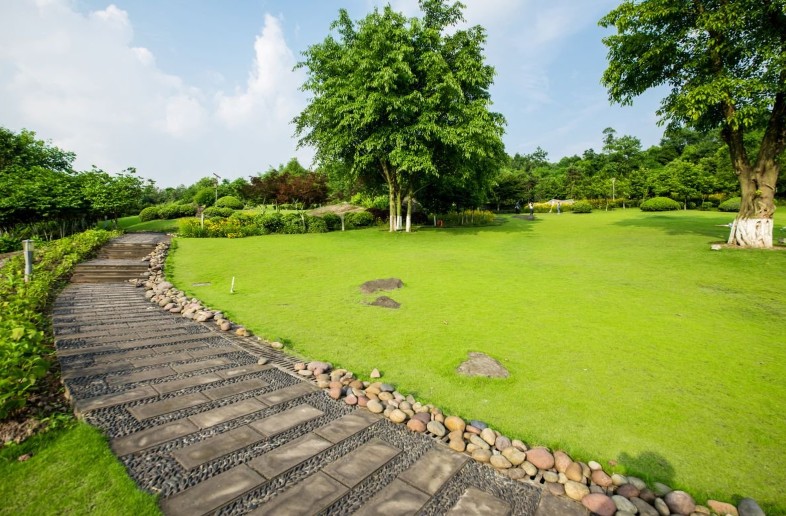
Pool Inspection Costs and What to Expect During an Evaluation

pool inspection bradenton

Maintaining a pool goes beyond balancing chemicals and skimming debris. A professional pool inspection is essential to ensure that your pool is safe, efficient, and free from hidden issues. Understanding what a pool inspection entails and the typical costs involved helps homeowners plan and avoid costly surprises down the line.

Many pool owners assume that routine cleaning and chemical balancing are enough to keep a pool in good condition. However, unseen problems like leaks, faulty equipment, or structural damage can escalate if not identified early. A professional pool inspection bradenton evaluates every aspect of your pool—from the structural shell to pumps, filters, and plumbing. This assessment allows for early intervention, preventing major repairs and prolonging the pool’s lifespan.

Average Costs of a Pool Inspection

The cost of a pool inspection depends on several factors, including the pool’s size, age, and equipment complexity. On average, homeowners can expect to pay a moderate fee for a thorough evaluation. Small residential pools with standard equipment are generally less expensive to inspect, while larger pools, commercial pools, or those with specialized systems may cost more. Keep in mind that investing in a professional inspection can save money in the long run by identifying problems early and avoiding emergency repairs.

What a Pool Inspection Covers

A complete pool inspection evaluates multiple areas to ensure the pool is functioning correctly, efficiently, and safely. By examining both visible and hidden components, inspectors provide a comprehensive overview that helps prevent costly repairs and safety hazards. Key areas assessed include:

Structural Integrity: Inspectors carefully examine the pool shell for cracks, plaster chips, tile damage, and the overall condition of decks and coping. Even small hairline cracks can expand over time, allowing water to seep beneath the surface. Persistent leaks not only waste water but can undermine the pool’s foundation, potentially leading to uneven flooring, tile displacement, or more serious structural issues. Attention to the pool’s structure ensures long-term stability and protects the surrounding property.

Equipment Functionality: All major pool systems are tested, including pumps, filters, heaters, chemical feeders, and circulation components. Malfunctioning equipment can reduce water circulation and filtration, leading to dirty or unsafe water. For example, a failing pump can increase energy costs and strain the filtration system, while an improperly functioning heater can shorten the swimming season and compromise comfort. A detailed inspection identifies worn parts or mechanical issues early, enabling timely repairs or replacements.

Plumbing and Electrical Systems: Inspectors assess the pool’s plumbing and electrical setups for leaks, corrosion, faulty wiring, and other safety hazards. Hidden problems in pipes, valves, or underwater lighting are a common source of major repairs. Detecting these issues early helps prevent water damage, electrical failures, and safety risks such as shocks or fires. Properly functioning plumbing ensures efficient water flow and reduces strain on pumps and filters.

Signs Your Pool Needs Immediate Attention

Even a well-maintained pool can develop issues over time. Certain warning signs indicate it may be time to schedule a professional pool inspection:

  • Unexplained Water Loss: Pools naturally lose some water through evaporation, but rapid or persistent loss may signal leaks or cracks that require investigation.

  • Visible Cracks or Separation: Cracks in the pool shell, plaster, or tile, or separation around fittings, can allow water to escape and compromise structural integrity.

  • Frequent Equipment Malfunctions or Noises: Pumps, heaters, or filters that fail intermittently or make unusual sounds may indicate underlying mechanical or electrical problems.

  • Persistent Cloudy or Green Water: Algae blooms, cloudy water, or chemical imbalances often point to circulation or filtration issues that need correction.

  • Sagging or Uneven Decking: Pool decks that are sinking, cracking, or shifting can create safety hazards and may indicate structural problems beneath the surface.

Addressing these warning signs early prevents minor issues from becoming costly, major repairs. A timely inspection not only safeguards your investment but also ensures the pool remains safe and enjoyable for swimmers year-round.

Preparing for a Pool Inspection

Before an inspector arrives, there are a few steps homeowners can take to ensure an efficient evaluation:

  • Remove debris from the pool and surrounding areas
  • Make sure pumps, filters, heaters, and other equipment are accessible
  • Provide any maintenance records or notes about past issues
  • Note any specific concerns, such as leaks or unusual noises

Being prepared helps the inspector complete a thorough assessment and provides a more accurate report.

Benefits of a Professional Pool Inspection

Investing in a professional pool inspection offers several advantages. It provides a detailed report on your pool’s condition, identifies areas requiring repair or maintenance, and ensures safety compliance. For homeowners planning to sell, an inspection can verify the pool’s condition for potential buyers, potentially increasing property value. Regular inspections also help extend the pool’s lifespan, reduce maintenance costs, and give homeowners peace of mind.

Conclusion

Understanding pool inspection costs and what to expect during an evaluation helps homeowners protect their investment and maintain a safe, enjoyable swimming environment. Routine inspections catch problems early, prevent costly repairs, and ensure that both structural and equipment issues are addressed efficiently. Partnering with reliable experts like Bradenton Pool Service Pros ensures a thorough evaluation and professional recommendations that keep your pool in top condition year after year.

Why JJ. Builders Is the Premier General Contractor in Riverside CA

Why JJ. Builders Is the Premier General Contractor in Riverside CA

Building or remodeling your home represents one of life’s most significant investments. It’s not just about construction; it’s about creating a space where your life unfolds, where your family grows, and where memories form for decades to come. Yet for homeowners across Riverside County and Southern California, the path from vision to reality often feels overwhelming. Stories of budget overruns, communication blackouts, and contractors who disappear mid-project create legitimate anxiety about undertaking any major home improvement.

What if your building or remodeling project didn’t have to feel stressful? What if one trusted team could keep your project organized, your budget clear, and your home protected from day one, so you could actually enjoy seeing your vision take shape?

JJ. Builders has built its reputation across Southern California by helping homeowners turn ideas into lasting homes. As a trusted general contractor serving Riverside County and communities throughout the region, they bring nearly two decades of residential experience to every project. Whether you’re building new, adding an ADU, or reimagining your existing space, they focus on clear communication, careful execution, and craftsmanship you’ll feel every day.

What Makes JJ. Builders Different From Other General Contractors in Riverside?

JJ. Builders operates on principles that separate them from typical contractors who overpromise and underdeliver. Their approach centers on transparency, accountability, and respect for both your investment and your daily life.

Experience matters deeply in residential construction. With nearly two decades of residential construction experience and years spent living and working in both Riverside and Rancho Cucamonga, JJ. Builders understands the homes, neighborhoods, and expectations that define Southern California living. This geographic familiarity means knowing local building codes, understanding architectural styles that fit the region, and working with inspectors who recognize quality work.

The right-sized, accountable team creates advantages that large production companies can’t match. You’re not just another project number in a queue of dozens. The team maintains direct involvement in your build, creating continuity and accountability from initial consultation through final walkthrough. This personal attention ensures details don’t get lost and communication remains consistent.

Their promise centers on outcomes you can measure: straight answers, protected jobsites, and builds done right the first time. This commitment translates into clear pricing early with no guesswork, no surprises, and no last-minute changes. Quality craftsmanship means thoughtful execution that looks great today and holds up over time. Attention to detail ensures designs are built carefully, with precision you can see and feel. Consistent communication provides regular check-ins so you always know what’s happening and what’s next.

Deep familiarity with Riverside and Rancho Cucamonga neighborhoods and requirements prevents the delays and mistakes that contractors from outside the area often encounter. Understanding local permitting processes, knowing which inspectors prioritize which details, and recognizing regional construction challenges streamlines projects significantly.

Portfolio quality demonstrates capability. Their work features clean finishes and tight lines that reflect meticulous execution. From modernized spaces to full custom homes, they deliver work that looks as good as it feels to live in. Cohesive layouts and finishes feel intentional rather than haphazard. Spaces photograph beautifully and function effortlessly.

How Does JJ. Builders Keep Your Project on Track?

Construction projects fail most often due to poor project management. Unclear budgets create disputes. Communication gaps leave homeowners wondering what’s happening. Change orders appear without proper documentation. Timeline slippage becomes the norm rather than the exception. These problems stem from inadequate systems rather than bad intentions.

JJ. Builders prevents these issues through disciplined project management supported by technology that creates transparency. All budgets, schedules, and change orders are managed in JobTread, their client portal for 24/7 visibility and approvals. This system allows you to see exactly where your project stands at any time without needing to call or email for updates.

Clear budget ranges established early eliminate the guesswork that plagues many projects. They discuss both ideal and target budgets, helping you understand what’s achievable within your financial parameters. This honesty prevents the disappointment that comes from falling in love with designs you can’t afford.

Written change-order policy with phased approvals protects both you and the builder. Every change gets documented with cost implications clearly stated before work proceeds. This formal process prevents the disputes that arise when changes happen verbally without proper agreements.

Regular check-ins with transparent schedules and milestone updates keep you informed about progress. You don’t wonder when the next phase starts or why work has slowed. The team communicates proactively about what’s happening, what’s coming next, and any adjustments needed.

Dedicated project management means one person knows your project intimately and serves as your primary contact. You’re not passed between different coordinators or left trying to track down whoever might have information. This continuity improves communication and accountability significantly.

Milestone walkthroughs at critical phases allow you to verify quality before subsequent work covers it. Rather than discovering issues after drywall goes up or finishes are installed, you see work in progress and confirm it meets expectations.

Why Does Jobsite Protection Matter for Your Home?

Remodeling while living in your home creates unique challenges. Construction debris, dust, noise, and worker traffic disrupt your daily routine. Without proper protection, existing finishes get damaged, requiring repairs that add cost and delay completion. Your family’s comfort and your home’s condition both suffer unnecessarily.

JJ. Builders implements jobsite protection standards that respect your home and routine from day one. This commitment means more than just laying down floor protection. It encompasses systematic approaches that preserve your property throughout construction.

Protected work areas isolate construction zones from living spaces. Physical barriers prevent dust and debris from spreading throughout your home. Floor protection shields existing finishes from damage by heavy equipment and worker traffic. Careful planning minimizes disruption to your daily life.

Tidy jobsites reflect professional standards and safety consciousness. A spotless jobsite every time isn’t just about appearances; it prevents accidents, makes work areas safer for both workers and homeowners, and demonstrates respect for your property. Tools and materials get stored properly at day’s end. Debris gets cleaned regularly rather than allowed to accumulate.

A respectful crew understands they’re working in your home, not just a construction site. Professional behavior, appropriate language, and consideration for your privacy create working relationships that make the construction experience more pleasant.

These protection standards particularly matter for remodels and additions where you’re living in the space during construction. The team’s experience with occupied homes means they know how to minimize disruption while maintaining progress.

What Services Does JJ. Builders Provide?

JJ. Builders offers comprehensive services addressing every aspect of residential construction. Their expertise spans multiple project types, each delivered with the same commitment to quality and communication.

Custom homes and ADUs represent their flagship offerings. From ground-up custom homes to thoughtfully designed accessory dwelling units, they create spaces that fit your lot, lifestyle, and budget. Expect transparent pricing, value engineering, and craftsmanship that stands the test of time. Whether building a primary residence or adding a rental unit, the team brings the same attention to detail and quality standards.

Remodels and additions transform existing homes into spaces that better serve your needs. Reimagine the home you have with updated kitchens and baths, open up living areas, improve flow, and add square footage with additions that feel original rather than tacked on. They protect your existing home from day one and keep you informed throughout the process. Their experience with occupied remodels means understanding how to maintain your quality of life while construction proceeds.

General contracting and dream projects bring ambitious ideas to reality. Bring them your vision and they’ll lead the build with disciplined project management, vetted trades, and a written change-order process. From unique details to one-of-a-kind spaces, they turn concepts into completed projects that exceed expectations.

The five-phase process provides structure and predictability: Discovery and budget fit establishes realistic ranges through site review and goal discussion. Design and selections involves architecture, engineering, and value options to keep quality high. Permits and approvals handles city submittals and inspections on your behalf. Build and quality control delivers the project with dedicated project management, milestone walkthroughs, and tidy jobsites. Closeout and warranty provides detailed handover and written warranty protection.

How Does Deep Local Knowledge Benefit Your Project?

General contractors working in unfamiliar areas encounter predictable problems. They don’t understand local building codes. They’re unfamiliar with permitting processes. They don’t know which inspectors prioritize which details. They underestimate site challenges common to the region. These knowledge gaps create delays, additional costs, and frustration.

JJ. Builders eliminates these problems through years of experience in Riverside and Rancho Cucamonga. Living and working in these communities creates understanding that goes beyond just reading code books.

Neighborhood familiarity means knowing architectural styles that fit the area, understanding lot characteristics common to different subdivisions, and recognizing what improvements make sense for specific locations. This context informs design recommendations that enhance property values rather than creating features that don’t align with neighborhood expectations.

Building department relationships streamline permitting. The team knows local inspectors, understands their priorities, and submits plans that meet requirements the first time. This expertise prevents the resubmission cycles that delay projects when contractors unfamiliar with local procedures submit incomplete or incorrect documentation.

Climate considerations influence material selections and construction methods. Southern California’s weather patterns, soil conditions, and seismic requirements demand specific approaches. JJ. Builders knows which materials perform well, which construction techniques provide required durability, and how to build homes that thrive in the local environment.

Subcontractor relationships provide access to skilled trades familiar with the area. Established connections with electricians, plumbers, HVAC technicians, and other specialists mean working with professionals who show up on time, do quality work, and understand local requirements.

What Do Homeowners Value About Working With JJ. Builders?

Client feedback reveals consistent themes that define the JJ. Builders experience. Homeowners repeatedly mention specific qualities that separated their experience from expectations based on stories they’d heard about construction projects.

Clear communication tops the list. Regular check-ins, transparent schedules, and proactive updates create confidence that projects are progressing as planned. Homeowners appreciate never wondering what’s happening or feeling left in the dark about their significant investment.

Pricing and timelines that align from start to finish eliminate the disappointment common in construction. When actual costs match initial estimates and completion happens when promised, trust develops. This reliability stems from realistic planning rather than optimistic promises designed to win contracts.

Quality craftsmanship visible in finished results justifies the investment. Clean finishes, tight lines, and thoughtful execution create homes that look great and function beautifully. The attention to detail shows in ways both obvious and subtle, from how doors close to how tile lines align.

Respectful jobsites and crew behavior make the construction experience more pleasant. Professional conduct, clean work areas, and consideration for homeowners’ daily routines demonstrate respect that goes beyond just doing the work.

Spaces that photograph beautifully and function effortlessly reflect both aesthetic sensibility and practical design. Homeowners love that their completed projects look magazine-worthy while serving their actual daily needs perfectly.

Frequently Asked Questions

What areas do you serve?

We serve Riverside County and surrounding Inland Empire communities, including Riverside, Rancho Cucamonga, and nearby areas. Staying local helps us keep schedules tight and communication easy.

Do you build custom homes and ADUs?

Yes, we design and build custom homes, accessory dwelling units (ADUs), and additions from the ground up. Expect clear pricing, detailed schedules, and craftsmanship that lasts.

Do you handle remodels and renovations?

Absolutely. We specialize in whole home remodels, kitchen and bath upgrades, and layout improvements that make your home feel new again, without the stress or mess.

How does pricing and communication work?

We provide transparent estimates early, with written change orders and frequent check-ins so you always know where your project stands.

What makes JJ. Builders different?

We’re a local, experienced general contractor focused on quality, cleanliness, and accountability, protecting your home, your budget, and your peace of mind from day one.

Building Your Dream Home in Riverside

Choosing a general contractor represents one of your most important decisions when building or remodeling. The right partner transforms your vision into reality while respecting your budget, timeline, and daily life. The wrong choice creates stress, disappointment, and lasting regrets.

JJ. Builders has earned its reputation across Southern California through nearly two decades of helping homeowners build, remodel, and expand their spaces with confidence and care. Their commitment to clear communication, careful execution, and craftsmanship you’ll feel every day separates them from contractors who overpromise and underdeliver.

Your project deserves a general contractor in Riverside CA with deep local knowledge, disciplined project management, and jobsite protection standards that respect your home. A team that provides transparent pricing, quality craftsmanship, attention to detail, and consistent communication. A builder whose work features clean finishes, tight lines, and spaces that function as beautifully as they photograph.

That contractor is JJ. Builders. Whether you’re planning a custom home, ADU, major remodel, or addition, schedule a project discovery call today to start your journey toward a home that looks as good as it feels to live in. Custom homes, remodels, and ADUs done right.
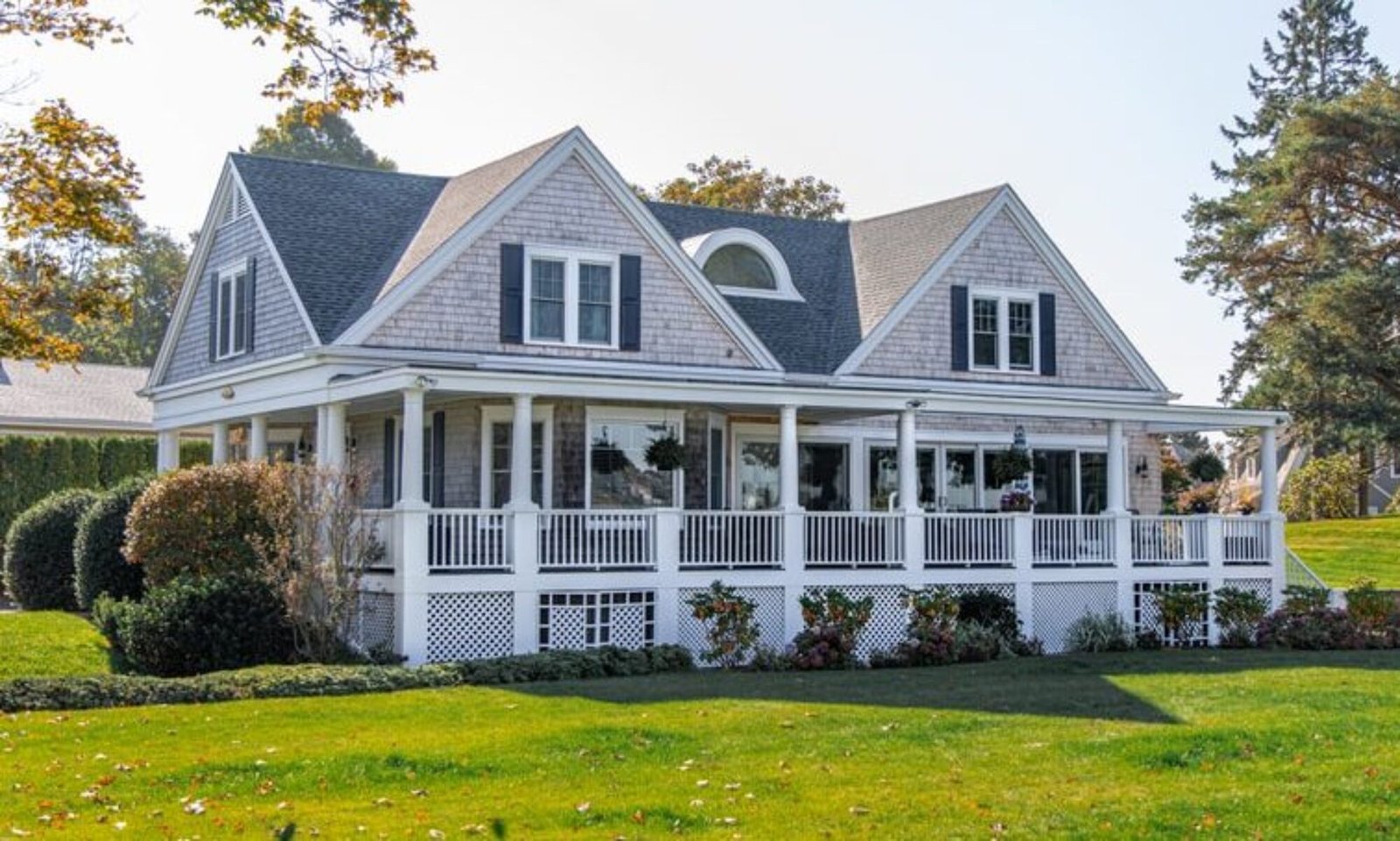

Landscape Design for Beginners: Tips, Mistakes, and Lessons I Wish I Knew Earlier

Landscape Design for Beginners

When I first tried my hand at landscape design, I thought it was going to be easy. You know, buy some plants, dig some holes, and boom — instant curb appeal. Yeah… no. Within three months my flowerbeds looked like a jungle, my “perfect” pathway had weeds poking through, and my dream of a lush green lawn was quickly turning into a brown, patchy mess.

If you’re a beginner, I want to save you from some of the headaches I went through. Designing a landscape isn’t just about making things look pretty; it’s about creating a functional outdoor space that works with your lifestyle. And trust me, a few small decisions in the beginning can save you years of maintenance (or regret).

So, let’s dive in. I’ll share my wins, my “what was I thinking?” mistakes, and practical advice you can use right away.

Start with a Plan (Don’t Just Wing It)

The biggest rookie mistake I made? Plant shopping without a plan. I’d walk into the nursery, get dazzled by colorful blooms, and bring home way more than I could handle. Half of them didn’t even survive because I didn’t check if they needed full sun or shade.

If you’re new to landscape design, grab a notebook and sketch your yard. It doesn’t have to look like a professional blueprint — mine looked more like a treasure map. But just marking where the sun hits, where the shady spots are, and how water drains after rainstorms makes a huge difference.

👉 Pro tip: Use a garden hose to “draw” potential bed shapes on your lawn before committing. I did this when I was debating between a curved flower bed and a straight one. Seeing it laid out in real life helped me avoid the awkward, too-small curve I would’ve regretted later.

Think in Layers (Not Just Random Plants)

When I first started, I’d plop a few flowers in the front, a bush in the middle, and maybe a tree off to the side. The result? It looked unbalanced, like someone threw spaghetti on the wall.

The secret I learned later is to think in layers:

  • Tall plants or trees in the back (or center if it’s an island bed).
  • Medium-height shrubs in the middle.
  • Short flowers or ground cover in the front.

It’s like arranging a family photo — tall people in the back, kids in front. Once I started layering, my garden instantly looked more intentional and professional.

Low Maintenance > High Maintenance

This one’s personal. I thought I wanted a cottage-style garden with wildflowers everywhere. In reality? I didn’t have time to deadhead, prune, or water that much. Within weeks, weeds took over and the “charming wild look” just looked messy.

If you’re busy (and let’s be honest, most of us are), pick low-maintenance plants. Some of my lifesavers:

  • Hostas for shady spots (they’re practically indestructible).
  • Coneflowers and Black-Eyed Susans for sunny areas (they attract pollinators and survive neglect).
  • Evergreens for year-round structure (boxwood, juniper, or dwarf pines).

👉 Trust me, you’ll thank yourself later when you’re sipping lemonade instead of sweating with a weeding fork.

Paths and Flow Matter More Than You Think

One summer, I laid stepping stones from my back deck to the garden. It looked good in theory, but the path was awkward. Everyone kept cutting across the lawn instead of using it. That’s when I learned: design with natural movement in mind.

Walk around your yard and notice the paths you and your family naturally take. That’s where your walkways should go. It’s called “desire lines” in landscape architecture — basically, people will always take the easiest route. So plan for it.

Don’t Forget About Seasons

My first flower bed looked incredible… for about two weeks in spring. Then everything bloomed at once, died back, and I was left with a sad patch of green. Big mistake.

The trick is to stagger your plants so something is always happening. Here’s how I plan now:

  • Spring: Tulips, daffodils, lilacs.
  • Summer: Daylilies, hydrangeas, lavender.
  • Fall: Sedum, asters, ornamental grasses.
  • Winter: Evergreens, holly, red twig dogwood.

Suddenly, my yard had year-round interest. No more “dead zone” after spring!

Soil Prep Is Everything

Here’s the truth no one tells you: your plants will only be as good as your soil. I ignored this at first. I’d dig a hole, toss in a plant, and hope for the best. Surprise, surprise — half of them never thrived.

One year, I actually tested my soil (you can get kits at garden centers for cheap). Turned out mine was clay-heavy, which explained why water pooled in certain spots. After mixing in compost and mulch, the transformation was unreal. My plants grew faster, looked healthier, and I finally understood why gardeners obsess over soil.

The Budget Trap

I’ll admit, I went overboard on my first landscaping project. Fancy stones, expensive perennials, and decorative edging that cost way more than I planned. And then — the worst part — half the plants didn’t survive the first year. Talk about money wasted.

Now, I follow the “80/20 rule”: spend 80{56914840b5a2f0b2724ea43ba3250e74fb96e6d234ed3fada20a3a52fa165935} of your budget on solid, long-lasting elements (like trees, good soil, and quality mulch) and 20{56914840b5a2f0b2724ea43ba3250e74fb96e6d234ed3fada20a3a52fa165935} on “fun extras” (like garden statues or trendy annuals). This way, even if the extras don’t last, your main design will still look good.

Watering Woes

Another rookie mistake: I assumed sprinklers would solve everything. Nope. Some plants drowned, others got crispy.

What worked better was grouping plants by water needs. For example, I put all my drought-tolerant plants (like lavender and yarrow) together in one bed, and my thirstier plants (like hydrangeas) in another. Way easier to manage.

👉 Also, invest in a drip irrigation system if you can. It looks intimidating but honestly, it saved me hours of dragging hoses around.

Lighting Makes a Huge Difference

This was one of my happiest discoveries. I added a couple of solar lights along my pathway one summer, and suddenly my yard felt magical at night. Landscape lighting doesn’t just look good; it makes your space usable after sunset.

If you’re starting small, go for:

  • Solar stake lights along paths.
  • Uplighting on a tree or feature wall.
  • String lights for patios.

Lighting instantly boosts curb appeal and makes your yard safer too.

Focal Points: The Secret Sauce

One thing that really changed my design game was adding focal points. Without them, a yard can look scattered and confusing.

I’ve tried different things over the years:

  • A birdbath in the center of a flower bed.
  • A small Japanese maple as a statement tree.
  • Even a simple bench tucked under a tree.

People’s eyes naturally go to these features, and the rest of the landscape feels more connected. It’s like giving your yard a “story” instead of random pieces.

Mistakes That Still Haunt Me

  • Planting too close to the house. My first shrubs grew way bigger than I expected and started scratching against my siding. Always check mature size before planting!
  • Ignoring drainage. I put a flower bed in a low spot that turned into a swamp every spring. Had to redo the whole thing.
  • Overplanting. I wanted instant fullness, but by year two everything was overcrowded. Patience pays off — give plants room to grow.

The Joy of Trial and Error

Here’s the truth: you’ll make mistakes. Everyone does. But landscape design is a long game. Plants grow, tastes change, and sometimes what looks like a disaster ends up teaching you something valuable.

I once planted a clump of ornamental grass in the wrong spot — it got way too tall and blocked my view. I was annoyed at first, but when I moved it to a corner, it became the perfect privacy screen. Happy accident.

Quick Beginner Tips (That I Wish I Knew)

  • Start small. One flower bed or one section at a time. Don’t try to redesign the whole yard at once.
  • Mulch is your friend. It keeps weeds down, moisture in, and instantly makes beds look finished.
  • Borrow ideas. Walk your neighborhood and notice what grows well. If your neighbor’s roses are thriving, chances are yours will too.
  • Think long-term. That tiny tree in a pot could be 20 feet tall in 10 years. Plan ahead.
  • Enjoy the process. Seriously. It’s not about perfection — it’s about creating a space you love.

Final Thoughts

Landscape design for beginners can feel overwhelming, but it doesn’t have to be. I made every mistake in the book — from planting without a plan to blowing money on the wrong stuff — but each misstep taught me something. Now, when I walk through my yard, I see not just plants and paths, but little lessons learned along the way.

If I could give just one piece of advice, it’s this: don’t aim for perfection right away. Aim for progress. Even one well-planned bed can transform your outdoor space. And over time, those small projects add up to something beautiful.

So grab your notebook, sketch out some ideas, and get started. Your dream yard is probably just a few weekends (and a few mistakes) away.

Frequently Asked Questions About Landscape Design for Beginners

  1. What is the easiest landscaping style for beginners?

The easiest landscaping style for beginners is a low-maintenance garden design. Think simple shapes, evergreen shrubs for structure, and a few flowering perennials for color. Cottage gardens and formal styles look great, but they often require constant pruning and upkeep. If you’re just starting out, focus on clean lines, mulch for weed control, and hardy plants that don’t need daily care.

  1. How do I design my yard if I have a small space?

For small yards, the trick is to maximize vertical space and create clear zones. Use trellises or climbing plants to draw the eye upward. A small seating area, a single focal point (like a fountain or statement plant), and layered plantings can make the space feel bigger. Avoid cramming too many plants in; instead, pick a few that thrive and give them room to shine.

  1. What are some cheap landscaping ideas for beginners?

Budget-friendly landscaping is totally possible. Some of the cheapest ideas include:

  • Using mulch to define flower beds.
  • Planting perennials instead of annuals, so they return each year.
  • Adding gravel or stepping stones for DIY paths.
  • Starting plants from seeds or cuttings instead of buying full-grown.
    Also, check your local community groups — people often give away extra plants or stones for free.
  1. How do I know which plants will survive in my yard?

The key is to check your USDA Plant Hardiness Zone (or equivalent in your country). This tells you which plants can survive your local climate. Also, pay attention to sunlight in your yard. Some areas may get full sun, while others are shady most of the day. Match your plants to those conditions. For example, lavender loves sun, while hostas thrive in shade.

  1. What are the biggest mistakes beginners make in landscaping?

Some of the most common mistakes I’ve seen (and made myself) are:

  • Planting trees and shrubs too close to the house.
  • Ignoring how big plants will get when mature.
  • Forgetting about drainage, leading to swampy beds.
  • Buying plants without a plan and ending up with mismatched designs.
  • Overplanting — it looks full at first, but in two years it’s overcrowded.
  1. How can I make my yard look good all year round?

The secret is seasonal interest. Choose plants that shine at different times of year. Tulips and daffodils in spring, daylilies and hydrangeas in summer, ornamental grasses and sedum in fall, and evergreens or holly in winter. That way, your yard never looks bare or boring.

  1. Do I need professional help for landscaping, or can I DIY?

You can absolutely DIY most beginner-friendly landscaping projects. Start small with a flower bed or pathway. However, if you’re planning something major like a retaining wall, irrigation system, or big tree removal, it’s worth calling in a pro. Think of it like home repair — do what you can, and get help for the tricky stuff.

  1. How often should I water new plants in my landscape?

New plants usually need more water until their roots establish. A good rule of thumb is deep watering 2–3 times a week for the first month, depending on weather. After that, most established plants only need water once a week (or less, if they’re drought-tolerant). Grouping plants with similar water needs together makes this much easier.

  1. What tools should every beginner gardener have?

You don’t need a huge shed full of tools to get started. My must-haves are:

  • A sturdy pair of gloves.
  • A digging spade or shovel.
  • A hand trowel.
  • Pruners for trimming.
  • A hose with a spray nozzle or watering can.
    Optional but helpful: a wheelbarrow and a rake for spreading mulch.
  1. How long does it take to see results in landscaping?

This depends on the project, but here’s the truth: landscaping is a long game. Some things, like adding mulch, pathways, or container plants, give you instant gratification. But for trees and shrubs, you’ll need patience — it can take 2–5 years before they really fill out. Don’t get discouraged if it doesn’t look perfect right away. Think of it as watching your yard grow up over time.

The Art of Landscaping: Creating Beautiful Outdoor Spaces

The Art of Landscaping - Creating Beautiful Outdoor Spaces

Landscaping is more than just planting flowers or mowing the lawn—it’s an art form that transforms outdoor spaces into stunning, functional environments. Whether you have a small backyard or a sprawling estate, professional landscapers can help design and maintain a space that enhances curb appeal, promotes relaxation, and complements your lifestyle. In this article, we’ll explore the key elements of landscaping, the benefits of hiring expert landscapers, and tips for creating your own beautiful outdoor retreat.

The Elements of Effective Landscaping

A well-designed landscape balances aesthetics, functionality, and sustainability. Here are the essential components that landscapers consider when crafting outdoor spaces:

  1. Design and Planning

Before breaking ground, a detailed plan is crucial. Professional landscapers assess the property’s topography, soil quality, climate, and existing vegetation to create a cohesive design. Key considerations include:

  • Hardscaping:Pathways, patios, retaining walls, and water features add structure.
  • Softscaping:Trees, shrubs, flowers, and grass bring color and life.
  • Focal Points:A gazebo, fountain, or sculpture can serve as a centerpiece.
  1. Plant Selection

Choosing the right plants is vital for a thriving landscape. Landscapers recommend native species that adapt well to local conditions, reducing water usage and maintenance. Layering plants by height, texture, and bloom time ensures year-round visual interest.

  1. Sustainability and Eco-Friendliness

Modern landscaping emphasizes sustainability. Techniques like xeriscaping (low-water landscaping), rainwater harvesting, and organic mulching help conserve resources while maintaining beauty.

  1. Lighting

Strategic lighting enhances safety and ambiance. Landscapers use LED lights, solar-powered fixtures, and accent lighting to highlight pathways, trees, and architectural features.

  1. Irrigation and Drainage

Proper water management prevents flooding and promotes healthy plant growth. Drip irrigation, sprinkler systems, and French drains are common solutions implemented by landscapers.

Why Hire Professional Landscapers?

While DIY landscaping can be rewarding, hiring experts offers several advantages:

  1. Expertise and Creativity

Experienced landscapers bring knowledge of horticulture, design principles, and construction techniques to create a harmonious outdoor space.

  1. Time and Cost Efficiency

Professionals avoid costly mistakes and complete projects faster, ensuring long-term durability and value.

  1. Increased Property Value

A well-maintained landscape boosts curb appeal and can increase home value by up to 15{56914840b5a2f0b2724ea43ba3250e74fb96e6d234ed3fada20a3a52fa165935}, making it a smart investment.

  1. Customized Maintenance Plans

From seasonal cleanups to pest control, landscapers provide tailored maintenance to keep your yard pristine.

DIY Landscaping Tips for Homeowners

If you prefer a hands-on approach, here are some tips to get started:

  1. Start with a Clear Vision

Sketch your ideas or use digital tools to plan layouts. Consider how you’ll use the space—entertaining, gardening, or relaxation.

  1. Work with Your Climate

Choose drought-resistant plants in dry areas or shade-loving varieties in cooler regions.

  1. Layer Plants for Depth

Place taller plants in the back, medium-height shrubs in the middle, and ground cover or flowers in the front.

  1. Incorporate Functional Spaces

Add a patio for dining, a fire pit for gatherings, or a vegetable garden for fresh produce.

  1. Maintain Regularly

Prune shrubs, weed flower beds, and mulch annually to keep your landscape healthy.

Conclusion

Landscaping is an art that blends nature and design to create breathtaking outdoor spaces. Whether you hire professional landscapers or tackle the project yourself, thoughtful planning and creativity are key. A well-designed landscape not only enhances your home’s beauty but also provides a peaceful retreat for years to come.

Effortless Beauty: Low Maintenance Landscape Ideas for Busy People

Effortless Beauty - Low Maintenance Landscape Ideas for Busy People

Introduction

In today’s busy world, finding time to care for your garden can feel like a challenge. Yet, having a beautiful and inviting outdoor space is something many of us desire. The good news is that you don’t need to spend hours on yard work to achieve a stunning landscape. Low maintenance landscaping offers the perfect solution—combining effortless beauty with practical design so your garden thrives with minimal effort. Whether you’re juggling work, family, or other commitments, these ideas will help you create an attractive, stress-free yard that fits your lifestyle.

Why Choose Low Maintenance Landscaping?

Low maintenance landscaping is an ideal choice for anyone looking to enjoy a beautiful outdoor space without the hassle of constant upkeep. For busy homeowners, it means less time spent watering, weeding, pruning, and fertilizing, freeing up your schedule for the things you love. Beyond convenience, low maintenance gardens often embrace sustainable practices like using native and drought-tolerant plants, which conserve water and reduce the need for chemicals. This not only benefits the environment but also saves money on water bills and garden products. Additionally, a well-designed low maintenance landscape enhances your home’s curb appeal and overall value, creating a welcoming, attractive space that looks great year-round with minimal effort.

Key Principles of Low Maintenance Landscaping

Creating a low maintenance landscape starts with smart planning and thoughtful choices. Here are the key principles to guide you:

  1. Choose Drought-Tolerant and Native Plants
    Opt for plants that naturally thrive in your local climate. Native species and drought-resistant varieties require less watering, fertilizer, and pest control, making them easier to care for.

  2. Use Mulch to Control Weeds and Retain Moisture
    Applying a thick layer of mulch around plants helps suppress weeds and keeps soil moist longer, reducing the need for frequent watering.

  3. Incorporate Hardscaping Elements
    Adding features like stone pathways, gravel beds, patios, or retaining walls reduces planting areas and provides structure, cutting down on garden maintenance while adding visual appeal.

  4. Select Perennials Over Annuals
    Perennials come back year after year, eliminating the need for replanting each season. Many are hardy and low-maintenance, offering lasting color and texture.

  5. Consider Turf Alternatives
    Traditional lawns can demand significant care. Alternatives such as clover, ground covers, or artificial turf offer green spaces that require less mowing, watering, and fertilizing.

By following these principles, you can design a landscape that stays beautiful and healthy with minimal time and effort.

Best Low Maintenance Plants for Busy People

Choosing the right plants is essential for a low maintenance garden that stays vibrant with little effort. Here are some of the best plants that thrive with minimal care and suit busy lifestyles:

  • Succulents and Cacti
    These water-storing plants require very little watering and can survive in dry, sunny spots. Their unique shapes add interesting texture to your landscape.

  • Lavender
    Known for its fragrant purple blooms, lavender is drought-tolerant and pest-resistant, making it easy to grow while adding color and aroma.

  • Hostas
    Perfect for shady areas, hostas have lush foliage and require minimal attention, thriving in a variety of soil types.

  • Daylilies
    These hardy perennials bloom profusely and tolerate a range of conditions, making them both beautiful and easy to maintain.

  • Ornamental Grasses
    Grasses like fountain grass or blue fescue add movement and texture without demanding much water or pruning.

By incorporating these resilient plants into your yard, you can enjoy a thriving garden without the constant upkeep.

Practical Tips for Maintaining a Low Maintenance Landscape

Maintaining a low maintenance landscape doesn’t mean you can completely forget about it, but with smart habits, your upkeep can be quick and easy. Here are some practical tips to keep your garden looking great with minimal effort:

  • Automate Your Watering
    Install drip irrigation or soaker hoses connected to timers to deliver water efficiently and consistently. This reduces water waste and ensures your plants get just the right amount of moisture.

  • Prune Strategically
    Instead of frequent trimming, focus on pruning only when necessary to remove dead or overgrown branches. This keeps plants healthy without adding extra work.

  • Use Ground Covers to Suppress Weeds
    Plant ground covers like creeping thyme or sedum to fill in bare spaces. These plants reduce weed growth and eliminate the need for constant weeding.

  • Apply Mulch Regularly
    Replenish mulch annually to maintain its weed-suppressing and moisture-retaining benefits, reducing watering and weeding needs.

  • Plan for Seasonal Interest
    Choose plants that offer visual appeal across different seasons. This way, your garden looks vibrant year-round without needing constant replanting.

By incorporating these simple maintenance strategies, you can enjoy a thriving, beautiful landscape without spending hours each week on garden chores.

Designing Your Low Maintenance Landscape

Designing a low maintenance landscape starts with a thoughtful plan that balances beauty and practicality. Begin by assessing your yard’s conditions—consider factors like sunlight, soil type, and drainage to select plants that will naturally thrive in your environment. Group plants with similar water and sunlight needs together to simplify care and irrigation.

Incorporate hardscaping elements such as stone paths, patios, or decorative gravel beds to reduce the amount of planting area that requires upkeep. These features add structure and visual interest while minimizing maintenance. Consider using raised beds or container gardens, which are easier to manage and control, especially in small spaces.

Choose a mix of evergreen shrubs, perennials, and drought-tolerant plants to ensure your landscape remains attractive throughout the year with minimal effort. Finally, plan your layout to allow easy access for any necessary maintenance tasks, making your outdoor space as functional as it is beautiful.

With careful design, your low maintenance landscape will be a stylish, inviting retreat that fits your busy lifestyle perfectly.

Conclusion: Enjoy Beauty Without the Burden

Low maintenance landscaping proves that you don’t have to sacrifice beauty for convenience. With the right plant choices, smart design, and simple upkeep strategies, you can create a stunning outdoor space that fits seamlessly into your busy life. By embracing drought-tolerant plants, incorporating hardscaping, and automating care where possible, your garden can thrive with minimal effort. This approach not only saves time and money but also reduces stress, allowing you to fully enjoy the beauty of your yard without the usual burden of constant maintenance. Effortless elegance is within reach—transform your landscape into a peaceful, low-maintenance oasis today.

Backyard Bliss: Creative Landscaping Ideas for a Dream Retreat

Backyard Bliss - Creative Landscaping Ideas for a Dream Retreat

Introduction

Imagine stepping into your backyard and instantly feeling a sense of peace, joy, and inspiration. Your backyard holds the potential to become much more than just a patch of grass or a place for the occasional barbecue—it can be your personal retreat, a sanctuary that reflects your lifestyle and soothes your soul. Whether you dream of sipping coffee beside a blooming garden, entertaining friends under twinkling lights, or creating a play haven for your family, thoughtful landscaping can bring that vision to life.

In this blog post, we’ll guide you through creative landscaping ideas that transform ordinary outdoor spaces into extraordinary dream retreats. From water features and cozy seating areas to edible gardens and sustainable design tips, discover how to create your own slice of backyard bliss—beautiful, functional, and uniquely yours.

1. Why Your Backyard Deserves Attention

Your backyard isn’t just an empty space behind your home—it’s a valuable extension of your living area with the potential to enrich your lifestyle in countless ways. By giving it the attention it deserves, you can turn it into a multi-functional oasis that reflects your personal taste and supports your well-being.

Here’s why it matters:

  • Boosts Property Value: A beautifully landscaped backyard can significantly increase the value of your home, making it more appealing to potential buyers.

  • Enhances Daily Living: A thoughtfully designed outdoor area offers a peaceful escape for reading, relaxing, dining, or connecting with nature—right outside your door.

  • Promotes Mental Well-being: Spending time outdoors reduces stress, improves mood, and encourages mindfulness.

  • Encourages Social Interaction: Whether you’re hosting a summer barbecue or a cozy evening around a fire pit, a welcoming backyard makes gatherings more enjoyable.

  • Supports Sustainable Living: With eco-conscious landscaping, you can reduce water usage, grow your own food, and create habitats for birds and pollinators.

In short, investing in your backyard is not just about aesthetics—it’s about creating a meaningful space that adds comfort, joy, and value to your everyday life.

2. Define Your Dream Retreat: Purpose First

Before diving into plants, patios, or pergolas, it’s essential to start with a clear vision: What do you want your backyard to be? Defining its purpose sets the foundation for every design decision and ensures your outdoor space truly meets your needs.

Ask yourself these key questions:

  • Relaxation or Entertainment?
    Do you envision a tranquil garden for quiet mornings or a vibrant space for hosting friends and family?

  • Family-Friendly or Private Escape?
    Do you need room for kids and pets to play, or are you looking for a serene, adults-only retreat?

  • Functional or Aesthetic (or Both)?
    Should your yard provide practical benefits like growing food or simply serve as a beautiful view?

  • All-Season Use or Seasonal Enjoyment?
    Would you like features that make the space usable year-round, such as a fire pit, pergola, or weatherproof seating?

By identifying your goals first—whether it’s creating a cozy nook, an outdoor kitchen, or a nature-inspired meditation zone—you’ll have a clear roadmap to guide your landscaping choices. Your backyard should reflect how you want to live, relax, and recharge. Start with purpose, and design will naturally follow.

3. Layered Planting for Depth and Drama

Layered planting is a powerful design technique that brings texture, dimension, and visual intrigue to your backyard. Instead of planting everything on one level, layering involves strategically placing plants of varying heights and textures to create a lush, dynamic landscape that feels full and thoughtfully curated.

Here’s how to achieve it:

  • Start with the Backdrop: Use tall elements like trees, ornamental grasses, or large shrubs to create structure and privacy along fences or walls.

  • Add Mid-Level Interest: Medium-height plants, such as flowering bushes, perennials, or decorative grasses, serve as the core of your garden. They add bursts of color and seasonal interest.

  • Finish with Ground Covers: Fill in the base with low-growing plants like creeping thyme, moss, or succulents. These soften the edges and help suppress weeds.

Design Tip: Think in layers from back to front—tallest in the back, medium in the middle, shortest up front. This makes your garden look more natural and expansive.

Pro Bonus: Choose a mix of evergreen and seasonal bloomers to ensure your retreat looks vibrant all year long. Native plants are also ideal—they require less maintenance and support local ecosystems.

With layered planting, your backyard instantly feels more alive, engaging, and professionally designed. It’s a simple way to elevate your space with depth, drama, and beauty.

4. Add Serenity with a Water Feature

Incorporating a water feature into your backyard instantly brings a sense of calm and tranquility. The gentle sound of flowing water soothes the mind, masks unwanted noise, and creates a peaceful atmosphere that makes your outdoor space feel like a true retreat.

Here are some popular water feature ideas to consider:

  • Ponds: A small pond with aquatic plants and fish adds natural beauty and attracts wildlife like birds and frogs, enhancing the feeling of a living ecosystem.

  • Fountains: Whether classic or modern, fountains provide a focal point with the relaxing sound of trickling or cascading water.

  • Waterfalls and Streams: These features add movement and visual interest, creating a mini oasis effect.

  • Water Walls: Sleek and contemporary, water walls offer a striking statement while maintaining the soothing benefits of water.

When choosing a water feature, consider your space size, maintenance preferences, and style. Even a small tabletop fountain or birdbath can make a meaningful impact in a compact backyard.

Beyond aesthetics, water features help increase humidity, cool the air on hot days, and provide a sanctuary for local wildlife. Adding one is an easy way to elevate your backyard into a serene, sensory-rich haven.

5. Outdoor Living Spaces: Comfort Meets Nature

Creating dedicated outdoor living spaces is key to turning your backyard into a true retreat where comfort meets the beauty of nature. These areas extend your home’s usable space, inviting you to relax, entertain, and enjoy fresh air in style.

Here are some ideas to make your outdoor living area both functional and inviting:

  • Pergolas and Gazebos: These structures provide shade and define your space, making it comfortable during sunny days while adding architectural interest.

  • Cozy Seating Areas: Invest in weather-resistant furniture like cushioned sofas, lounge chairs, or hammocks that encourage relaxation and conversation.

  • Fire Pits and Outdoor Fireplaces: Perfect for chilly evenings, fire features create warmth and ambiance, extending the usability of your backyard well into cooler seasons.

  • Outdoor Kitchens and Dining Spaces: Cooking and dining al fresco is a luxury that enhances entertaining. Think built-in grills, counters, and dining tables for effortless gatherings.

  • Multi-Functional Zones: Design your space with different areas for dining, lounging, and even working, so your backyard caters to every mood and activity.

Using natural materials such as wood, stone, and woven textiles will help your outdoor living spaces blend seamlessly with the surrounding landscape. Adding soft lighting and lush plants completes the inviting atmosphere, making your backyard a comfortable haven that feels connected to nature.

With thoughtfully designed outdoor living spaces, you’ll find yourself spending more time outside, savoring the perfect balance of comfort and the great outdoors.

6. Creative Lighting for Mood and Magic

Lighting is the secret ingredient that transforms your backyard from a daytime haven into a magical nighttime retreat. Thoughtful outdoor lighting not only enhances safety but also adds ambiance, highlights your landscaping features, and extends the usability of your space well after the sun sets.

Here are some creative lighting ideas to set the perfect mood:

  • String Lights: These timeless favorites add a warm, whimsical glow, perfect for patios, pergolas, or tree canopies. They create a cozy, festive atmosphere ideal for gatherings.

  • Pathway Lights: Illuminate walkways with solar or low-voltage lights to guide guests safely while accentuating your garden’s layout.

  • Uplighting: Use spotlights to highlight trees, shrubs, or architectural features, adding dramatic depth and visual interest.

  • Lanterns and Candlelight: Portable lanterns or LED candles bring intimate, flickering warmth to seating areas or dining tables.

  • Accent Lighting: Add small, focused lights to highlight water features, sculptures, or flower beds for an artistic touch.

Energy-efficient and solar-powered options make it easy to create stunning effects without high electricity costs or complicated wiring.

By layering different types of lighting, you can create zones that serve both function and mood, turning your backyard into a captivating retreat that feels cozy, enchanting, and inviting — even after dark.

7. Use Natural Materials for Harmony

Incorporating natural materials into your backyard landscaping helps create a seamless connection between your outdoor space and the environment. Using elements like wood, stone, and bamboo not only adds texture and warmth but also promotes a sense of harmony and timelessness.

Here’s why natural materials matter and how to use them effectively:

  • Wood: Whether it’s for decking, pergolas, garden furniture, or raised beds, wood brings warmth and organic beauty. Choose durable, weather-resistant types like cedar or teak for longevity.

  • Stone: Natural stone is perfect for pathways, retaining walls, patios, and edging. Its varied textures and colors create visual interest while blending effortlessly with plants and water features.

  • Bamboo and Rattan: These materials are ideal for fencing, trellises, or decorative screens, adding a tropical or rustic vibe while being sustainable and eco-friendly.

  • Mulch and Gravel: Using natural mulch improves soil health and retains moisture, while gravel provides excellent drainage and a clean, minimalist look for walkways or seating areas.

Natural materials age gracefully, developing character over time, and tend to require less maintenance than synthetic alternatives. Plus, they foster an eco-conscious approach by often being renewable or recyclable.

By thoughtfully incorporating natural materials, your backyard will feel balanced, welcoming, and in tune with the surrounding landscape—perfect for creating a peaceful retreat you’ll love to spend time in.

8. Vertical Gardens for Small Spaces

When space is limited, vertical gardens offer a smart and stylish solution to maximize greenery without sacrificing precious square footage. By growing plants upward instead of outward, you can transform even the smallest backyard into a lush, vibrant retreat.

Here’s how to make the most of vertical gardening:

  • Wall-Mounted Planters: Attach pockets, pots, or modular panels to fences or exterior walls to create living art that adds color and texture.

  • Trellises and Arbors: Train climbing plants like ivy, jasmine, or clematis to grow up structures, providing privacy and natural shade.

  • Stacked Planters: Use tiered pots or shelves to arrange multiple plants vertically, perfect for herbs, succulents, or flowers.

  • Green Screens: Vertical gardens can double as privacy screens, blocking unsightly views while adding a natural touch.

  • DIY Options: From repurposed pallets to hanging shoe organizers, creative homeowners can craft unique vertical gardens on a budget.

Vertical gardens not only save space but also improve air quality, reduce noise, and create a calming green backdrop. They’re ideal for urban homes, patios, or any backyard looking to pack a lot of life into a small footprint.

With vertical gardening, limited space is no barrier to achieving a stunning, nature-filled oasis.

9. Low-Maintenance Landscaping Ideas

Not everyone has the time or energy to spend hours caring for their backyard, which is why low-maintenance landscaping is a smart choice for many homeowners. With thoughtful planning, you can create a beautiful, inviting outdoor space that requires minimal upkeep but delivers maximum impact.

Here are some ideas to keep your landscaping easy and stress-free:

  • Drought-Tolerant Plants: Opt for native or drought-resistant plants like succulents, lavender, ornamental grasses, and sage that thrive with little water and care.

  • Mulching: Apply mulch around plants to retain moisture, suppress weeds, and reduce the need for frequent watering or weeding.

  • Artificial Turf: For a green lawn look without mowing or watering, consider high-quality artificial grass—perfect for small yards or shaded areas.

  • Ground Covers: Replace traditional grass with low-growing ground covers such as creeping thyme, clover, or sedum to reduce mowing and add texture.

  • Efficient Irrigation: Install drip irrigation systems or smart sprinklers that target plants directly and save water.

  • Simple Hardscaping: Incorporate stone pathways, gravel beds, or patios to minimize planting areas and reduce maintenance chores.

By combining these strategies, you’ll enjoy a lush, attractive backyard that lets you spend more time relaxing and less time working. Low-maintenance landscaping proves that effortless beauty is entirely achievable.

10. Edible Landscapes: Beauty You Can Taste

Edible landscaping is a wonderful way to combine beauty and functionality in your backyard. By integrating fruits, vegetables, herbs, and edible flowers into your garden design, you create a space that not only looks stunning but also provides fresh, homegrown food right at your fingertips.

Here’s how to create an edible landscape that delights both the eyes and the palate:

  • Mix Edibles with Ornamentals: Blend fruit trees, berry bushes, and vegetable plants with flowering perennials and shrubs to maintain a balanced, attractive garden.

  • Herb Gardens: Plant herbs like basil, rosemary, thyme, and mint in containers, borders, or raised beds for easy access and fragrance.

  • Edible Flowers: Incorporate nasturtiums, pansies, and calendula for pops of color that are also great in salads and teas.

  • Vertical Growing: Use trellises and vertical planters for climbing vegetables such as peas, beans, and cucumbers to save space.

  • Companion Planting: Choose plants that benefit each other’s growth while deterring pests, creating a healthy and productive garden ecosystem.

Edible landscaping not only enhances your backyard’s visual appeal but also encourages sustainable living and healthy eating. Harvesting fresh produce from your own garden adds satisfaction and flavor to every meal, turning your outdoor space into a true feast for the senses.

11. Playful Features for Families

A backyard retreat isn’t just for adults—it can be a joyful playground for kids and a gathering spot for the whole family. Incorporating playful features ensures your outdoor space is both fun and functional, creating lasting memories for everyone.

Here are some family-friendly landscaping ideas to consider:

  • Safe Play Areas: Designate soft, open spaces with grass or rubber mulch where children can run, jump, and play freely.

  • Treehouses and Play Structures: Add a treehouse, swing set, or climbing frame that encourages active outdoor fun and creativity.

  • Sandbox or Sensory Garden: Create a spot where little ones can dig, explore textures, and connect with nature.

  • Water Play Features: Small splash pads, fountains, or shallow ponds can provide cool, interactive fun during hot days.

  • Multi-Use Spaces: Design patios or decks that accommodate both family meals and games, with durable furniture and plenty of shade.

By including playful elements, your backyard becomes a vibrant, welcoming space for kids of all ages, encouraging outdoor activity and family bonding. It’s the perfect way to make your dream retreat a lively hub of joy and togetherness.

12. Sustainable Landscaping Practices

Creating a beautiful backyard retreat doesn’t have to come at the expense of the environment. Sustainable landscaping practices help you design an eco-friendly space that conserves resources, supports local wildlife, and reduces your carbon footprint—all while enhancing the natural beauty of your outdoor area.

Here are some key sustainable landscaping tips:

  • Native Plants: Choose plants that are native to your region—they’re adapted to local climate and soil conditions, require less water, and provide essential habitat for birds and pollinators.

  • Water Conservation: Implement rainwater harvesting systems, use drip irrigation, and select drought-tolerant plants to minimize water usage.

  • Composting: Recycle garden waste and kitchen scraps into nutrient-rich compost to enrich your soil naturally and reduce landfill waste.

  • Reduce Lawn Size: Replace portions of traditional lawn with ground covers, native grasses, or mulched beds to cut down on mowing, watering, and fertilizing.

  • Organic Practices: Avoid synthetic pesticides and fertilizers; opt for organic alternatives to protect soil health and biodiversity.

  • Wildlife-Friendly Features: Incorporate birdhouses, bee hotels, and pollinator-friendly plants to support beneficial insects and animals.

By embracing sustainable landscaping, you create a backyard that’s not only gorgeous and functional but also kind to the planet—helping you enjoy your dream retreat with a clear conscience.

13. Seasonal Touches for Year-Round Bliss

A truly inviting backyard retreat is one that delights the senses throughout every season. Adding seasonal touches ensures your outdoor space remains vibrant, interesting, and welcoming no matter the time of year.

Here’s how to keep your backyard beautiful year-round:

  • Spring Blooms: Plant bulbs like tulips, daffodils, and crocuses for early bursts of color that signal new beginnings.

  • Summer Flair: Incorporate bright flowering perennials, lush foliage, and plenty of shade with trees or umbrellas to create a cool, lively oasis.

  • Fall Foliage: Choose plants with striking autumn colors—maples, burning bushes, and ornamental grasses add warm tones and texture.

  • Winter Interest: Include evergreens, berry-producing shrubs, and sculptural plants like ornamental grasses or branches to maintain structure and color during the colder months.

  • Seasonal Decor: Swap out outdoor cushions, add string lights, or place seasonal planters and wreaths to refresh your space with minimal effort.

  • Edible Seasons: Grow herbs and vegetables that thrive in different seasons to enjoy fresh harvests year-round.

By thoughtfully planning for seasonal changes, your backyard stays dynamic and inviting, offering a continuous source of joy and relaxation throughout the entire year.

Final Thoughts: Your Blissful Backyard Awaits

Transforming your backyard into a dream retreat is an exciting journey that combines creativity, planning, and a touch of nature’s magic. Whether you crave a peaceful sanctuary, a vibrant entertainment space, or a family-friendly oasis, the possibilities are endless.

By embracing thoughtful landscaping ideas—from layered planting and water features to sustainable practices and seasonal touches—you can craft an outdoor haven that reflects your lifestyle and brings joy year-round.

Remember, your backyard is more than just a patch of land; it’s a personal sanctuary where memories are made, stress melts away, and nature’s beauty surrounds you. With patience and inspiration, your blissful backyard retreat is well within reach—ready to welcome you home to comfort, relaxation, and endless enjoyment.