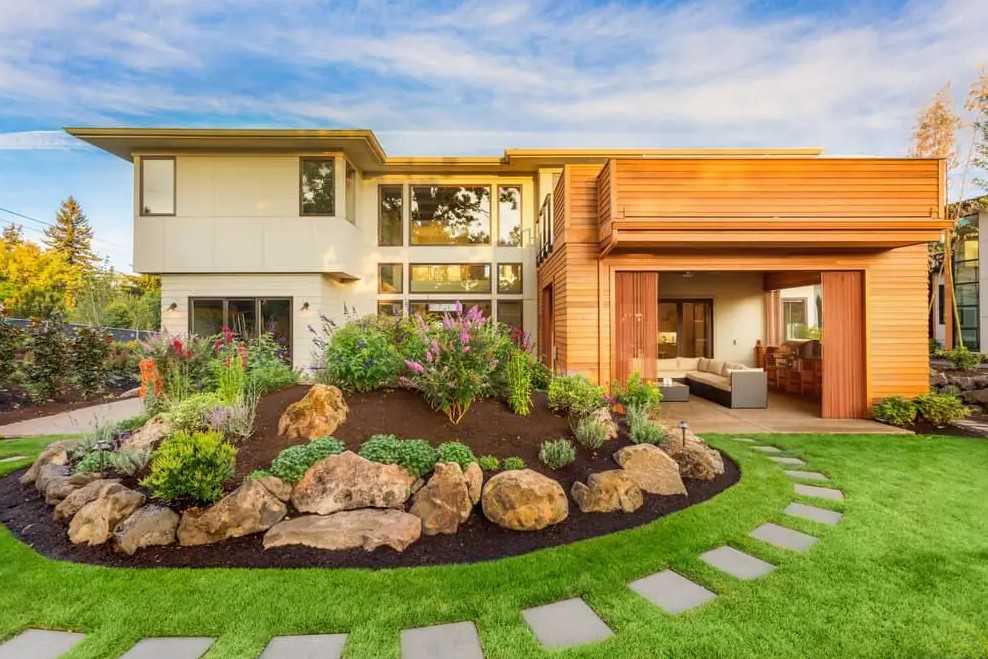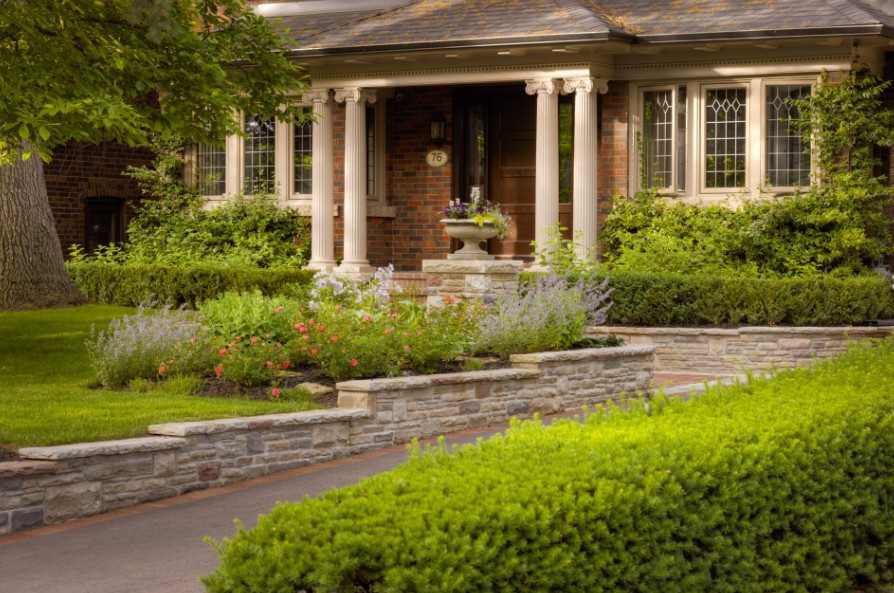
Transform Your Curb Appeal: Stunning Front Yard Landscaping Ideas

stunning front yard landscaping ideas

Introduction

Your front yard is more than just a patch of grass—it’s the first impression your home makes. Whether you’re preparing to sell your property or simply want to take pride in your outdoor space, a well-designed front yard can completely transform your curb appeal. It’s one of the most cost-effective ways to boost your home’s value, charm, and personality.

In this guide, we’ll walk you through stunning front yard landscaping ideas that suit every style, budget, and skill level. From low-maintenance designs to modern makeovers and eco-friendly tips, you’ll find plenty of inspiration to help you create a front yard that’s both beautiful and welcoming.

Ready to turn heads and impress visitors before they even step through the door?

1. Why Curb Appeal Matters

Curb appeal is the visual attractiveness of your home’s exterior when viewed from the street—and it plays a bigger role than you might think. Whether you’re planning to sell or simply want to create a more inviting atmosphere, curb appeal can dramatically influence perception and property value.

According to real estate experts, homes with strong curb appeal can sell for 7{56914840b5a2f0b2724ea43ba3250e74fb96e6d234ed3fada20a3a52fa165935} more than similar homes with neglected exteriors. First impressions matter, and a well-landscaped front yard sends a message of care, pride, and attention to detail.

But curb appeal isn’t just about aesthetics. It also:

  • Enhances home value and marketability

  • Improves neighborhood appearance, creating a ripple effect of pride

  • Reflects your personality and style, setting the tone for guests

  • Adds functionality, such as better lighting, safer walkways, and usable outdoor space

Simply put, investing in your front yard is one of the smartest upgrades you can make—both visually and financially.

2. Design Principles for Front Yard Landscaping

Before you start planting flowers or laying down pavers, it’s important to understand the core design principles that guide successful front yard landscaping. These foundational ideas ensure that your outdoor space feels cohesive, balanced, and visually appealing.

1. Balance

Balance doesn’t mean everything has to be perfectly symmetrical—but your design should feel stable and harmonious.

  • Symmetrical balance: Matching elements on either side of a central point (great for traditional homes).

  • Asymmetrical balance: Different elements with equal visual weight (ideal for more natural or modern styles).

2. Focal Point

Every front yard needs a focal point that draws the eye. This could be:

  • A colorful tree or flowering shrub

  • A statement front door

  • A water feature, sculpture, or large planter
    The focal point anchors your landscape and adds interest.

3. Unity and Cohesion

Choose plants, materials, and colors that complement each other and your home’s architecture. A unified look feels intentional and polished rather than random and chaotic.

4. Proportion and Scale

Select landscaping elements that suit the size of your house and yard.

  • Large trees can overwhelm small homes.

  • Tiny flower beds can look lost next to a grand façade.
    Aim for proportional relationships between your home, plants, and hardscape features.

5. Rhythm and Repetition

Repeating plants, colors, or shapes throughout the yard creates flow and rhythm, helping guide the eye through the space in a pleasing way.

6. Functionality

Beautiful landscapes are great—but they should also work for your lifestyle. Make sure pathways are wide enough, plantings don’t obstruct views or windows, and there’s room to move and enjoy the space.

By applying these time-tested design principles, you’ll set a strong foundation for a front yard that’s not only beautiful but also balanced, welcoming, and practical.

3. Low Maintenance Landscaping Ideas

Want a beautiful front yard without the endless hours of mowing, pruning, and watering? You’re not alone. Low maintenance landscaping is perfect for busy homeowners, retirees, or anyone who prefers to spend more time enjoying their yard than working in it. The good news? You don’t have to sacrifice style for simplicity.

Here are some top low maintenance landscaping ideas that combine ease with elegance:

1. Choose Native Plants

Native plants are adapted to your local climate and soil, which means they require less water, fewer chemicals, and minimal care. Look for drought-tolerant options like:

  • Lavender

  • Coneflowers

  • Salvia

  • Yarrow

  • Ornamental grasses

2. Use Mulch Generously

Mulch is your best friend for low maintenance landscaping. It helps:

  • Retain soil moisture

  • Suppress weeds

  • Add a polished look to flower beds
    Organic mulches like bark or wood chips also break down over time and improve soil health.

3. Limit the Lawn

Traditional grass lawns can be high-maintenance. Consider reducing lawn space by:

  • Expanding planting beds

  • Installing a gravel garden

  • Using artificial turf for a lush, green look without mowing

4. Incorporate Ground Covers

Ground cover plants are an excellent substitute for turf. They spread quickly and choke out weeds. Popular low-maintenance options include:

  • Creeping thyme

  • Sedum

  • Liriope

  • Ajuga

5. Add Hardscaping

Hardscape elements like gravel paths, stone patios, or decorative boulders reduce the area you need to maintain. They also add structure and contrast to your landscape.

6. Install Drip Irrigation

Forget dragging hoses around. A drip irrigation system delivers water right to the roots, saves water, and reduces weed growth—plus, it’s easy to automate.

7. Plant Perennials Over Annuals

Perennials come back year after year with minimal effort. They require less replanting and provide long-term color and texture. Some easy-care perennials include:

  • Black-eyed Susans

  • Daylilies

  • Hostas

  • Coreopsis

8. Simplify with Containers

Potted plants are easier to control and maintain. Group containers near your entryway or on a porch to add style without the commitment of full garden beds.

With the right choices, your front yard can be both beautiful and low-effort. Focus on smart plant selection, reduce your lawn space, and incorporate materials that minimize upkeep. Your weekend self will thank you!

4. Modern Front Yard Designs

If clean lines, minimalist aesthetics, and contemporary charm appeal to you, then a modern front yard design is the perfect fit. Modern landscaping focuses on simplicity, structure, and functionality while making a bold visual statement. It’s an ideal approach for homeowners who prefer a polished, low-clutter look with high impact.

Here’s how to bring modern design into your front yard:

1. Embrace Geometric Shapes

Modern yards thrive on structure and symmetry. Use geometric layouts—like squares, rectangles, and linear patterns—for your:

  • Garden beds

  • Pathways

  • Hardscape features
    Concrete slabs with gravel in between or angular stepping stones are popular for walkways.

2. Limit the Plant Palette

Less is more in modern landscaping. Instead of using a wide variety of plants, stick to a few well-chosen species and repeat them for cohesion. Opt for:

  • Ornamental grasses

  • Agave and succulents

  • Boxwoods

  • Architectural plants with clean lines

3. Use Hardscapes as a Focal Point

Hardscaping plays a major role in modern front yards. Consider incorporating:

  • Smooth concrete planters

  • Steel edging

  • Minimalist retaining walls

  • Stone, gravel, or wood decking

These elements add texture and contrast without creating visual clutter.

4. Incorporate Modern Lighting

Strategic lighting enhances the clean lines and dramatic silhouettes of a modern design. Use:

  • LED strip lighting under steps or along paths

  • Uplights for trees or architectural plants

  • Sleek bollard or pathway lights with simple shapes

Lighting adds both style and safety to your yard.

5. Opt for Neutral and Natural Colors

Stick to a modern color palette: whites, greys, blacks, and earthy tones. These shades complement the architecture of contemporary homes and provide a timeless feel.

6. Add a Bold Statement Feature

Every modern yard should have one striking element. This could be:

  • A sculptural water feature

  • A large geometric planter

  • A minimalist bench or seating area

  • A stylized address sign

This focal point anchors the design and draws the eye.

7. Choose Low-Maintenance, High-Impact Plants

Many modern landscapes use drought-tolerant and evergreen plants that stay sleek year-round with little care. Think sculptural rather than fluffy.

By focusing on simplicity, structure, and strategic design, a modern front yard can elevate your home’s curb appeal to a whole new level. It’s stylish, practical, and perfect for those who love design that’s as clean as it is impactful.

5. Budget-Friendly Front Yard Makeovers

You don’t need a massive budget to give your front yard a serious facelift. In fact, with a little creativity and some smart planning, you can achieve a high-end look without spending a fortune. A budget-friendly front yard makeover is all about choosing the right improvements that deliver big impact with minimal cost.

Here are some clever, affordable ideas to upgrade your curb appeal without breaking the bank:

1. Refresh with Mulch

One of the simplest and cheapest ways to make your yard look neat and polished is by adding fresh mulch to your garden beds. It instantly tidies up the space, helps retain moisture, and keeps weeds at bay—all for under $50 in most yards.

2. Paint or Upgrade the Front Door

A bold front door can completely change the look of your home. A fresh coat of paint in a vibrant or modern color (like navy, red, or black) makes a powerful statement. Even better? It usually costs less than $30 if you DIY.

3. Add Solar Lighting

Inexpensive solar path lights can add charm, visibility, and safety to your front yard. Place them along walkways or around garden beds for a warm, welcoming glow without the need for wiring or high energy costs.

4. Create a DIY Gravel Path

Gravel is one of the most budget-friendly materials for walkways. Lay down a defined path with landscape fabric and inexpensive gravel for a stylish, functional upgrade that’s easy to maintain.

5. Install Window Boxes or Planters

Colorful flowers or trailing vines in window boxes or DIY planters add instant curb appeal. Use repurposed wood, crates, or even old buckets for a rustic touch on a budget.

6. Edge Your Flower Beds

Well-defined edges make a yard look polished. Use inexpensive materials like bricks, stone, or recycled pavers to outline your beds. It’s an easy weekend project that makes a noticeable difference.

7. Shop Plant Sales and Swap Events

Many local nurseries offer seasonal sales, and community plant swaps can help you get new greenery for free. Stick with perennials and native plants that return each year and require little upkeep.

8. Add Decorative House Numbers

Modern or oversized house numbers give your entryway a stylish update. You can find affordable options online or craft your own for a custom touch that enhances your home’s personality.

9. Use Ground Cover Instead of Grass

Replacing sections of lawn with hardy ground cover plants can reduce mowing and water bills. It’s also a great way to add texture and visual interest for less.

10. Power Wash Your Driveway and Walkways

Sometimes the best makeover doesn’t involve adding anything—it’s just about cleaning up. A power wash can make your concrete or pavers look brand new, instantly boosting your home’s appearance.

With these cost-effective landscaping ideas, you can completely transform your front yard without hiring a landscaper or draining your savings. A little effort and creativity go a long way in achieving a front yard that feels fresh, inviting, and full of personality.

6. Classic & Timeless Landscaping Styles

While trends come and go, classic and timeless landscaping styles never go out of fashion. These designs offer enduring beauty, sophistication, and curb appeal that feels both welcoming and well-established. They often rely on symmetry, structured plantings, and traditional materials—making them perfect for homeowners who want a front yard that will look elegant for years to come.

Here’s how to create a landscape with lasting charm:

1. Embrace Symmetry and Structure

One of the hallmarks of timeless landscaping is symmetry. Think:

  • Matching shrubs or planters on either side of the front door

  • Mirrored garden beds flanking a walkway

  • Balanced tree placements

This creates a sense of order, calm, and visual harmony that’s both stately and inviting.

2. Use Evergreen Foundation Plants

Evergreens are the backbone of traditional landscaping. They provide year-round color and structure, helping your yard look tidy and lush in every season. Popular choices include:

  • Boxwoods

  • Holly

  • Junipers

  • Yews

Use them to line walkways, frame entrances, or define garden beds.

3. Include a Central Lawn Area

A neatly trimmed lawn is a staple in classic front yard design. While it may require more maintenance, it offers a soft, green contrast to structured beds and hardscape features.

4. Choose Timeless Materials

Stick with materials that have stood the test of time, such as:

  • Brick

  • Natural stone

  • Wrought iron

  • Wood fencing or arbors

These elements add warmth and authenticity, giving your yard a grounded, elegant feel.

5. Plant Formal Hedges and Borders

Boxwood hedges or clipped shrubs can define paths, create garden rooms, and bring a formal touch to your yard. Borders made of perennials like lavender or salvia offer soft color while maintaining neat edges.

6. Incorporate Classic Flower Beds

Use soft, layered plantings with a blend of textures and bloom times. Great options include:

  • Hydrangeas

  • Roses

  • Peonies

  • Hostas

Aim for a cohesive color palette—such as whites, pinks, and purples—for a timeless look.

7. Add a Charming Pathway

A curved stone or brick path leading to your front door adds storybook appeal. Line it with low-growing plants or lantern-style lighting for extra charm.

8. Install Traditional Features

Consider including features like:

  • A white picket fence

  • A pergola or arbor

  • A classic bench or birdbath

These additions evoke nostalgia and add personality without overwhelming the design.

9. Use Repetition for Cohesion

Repeating similar shapes, plants, or materials throughout your front yard brings consistency and grace to the overall look, making it feel professionally designed and well-thought-out.

By focusing on balance, symmetry, and natural elegance, you can design a front yard that’s always in style. Classic landscaping offers timeless appeal that complements nearly any architectural style and adds lasting value to your home.

7. Creative Pathways & Walkways

Pathways and walkways are more than just practical elements—they’re an opportunity to add style, guide visitors, and enhance the overall flow of your front yard. Creative pathways can transform your landscape from ordinary to extraordinary, making the journey to your front door an experience in itself.

Here are some inspiring ideas and tips to design stunning front yard walkways:

1. Choose the Right Materials

The material you select sets the tone for your pathway. Popular options include:

  • Natural stone: Timeless and durable, stones like flagstone or slate offer an organic, elegant look.

  • Brick: Classic and charming, brick paths add warmth and work well in traditional or cottage-style landscapes.

  • Concrete pavers: Versatile and affordable, pavers come in various shapes and colors for a modern or rustic feel.

  • Gravel: Easy to install and maintain, gravel paths are perfect for casual or cottage gardens.

2. Play with Shapes and Patterns

Move beyond straight lines by incorporating curves, zigzags, or geometric patterns. Curved paths feel natural and inviting, while straight lines offer a clean, formal look. Patterns like herringbone or basket weave with bricks or pavers add visual interest and texture.

3. Consider Path Width and Function

Ensure your walkway is wide enough for comfort—typically 3 to 4 feet for single paths, wider if you expect two people to walk side by side. Think about how the path connects your driveway, porch, and garden spaces for easy navigation.

4. Add Decorative Edging

Borders made from bricks, stones, or metal edging not only define the path but also prevent materials from spreading. Edging adds a crisp, finished look and can complement other design elements in your yard.

5. Incorporate Lighting

Illuminate pathways with low-voltage or solar-powered lights to enhance safety and highlight your walkway’s design at night. Soft lighting also creates a warm, welcoming ambiance.

6. Integrate Greenery Along the Path

Line walkways with low-growing plants, ground covers, or flowering borders to soften hard edges and add color. Plants like creeping thyme, lavender, or dwarf boxwoods work well without obstructing the path.

7. Mix Hardscape and Softscape

For a more dynamic look, mix materials like stepping stones set in grass or gravel with moss or low ground cover growing between. This blend adds texture and an organic feel to the path.

8. Use Functional Features as Part of the Path

Consider integrating functional elements like built-in benches, small planters, or birdbaths near the walkway to create spots for rest and visual interest.

Creative pathways don’t just lead guests to your door—they set the stage for your entire front yard. Thoughtfully designed walkways add personality, improve flow, and enhance curb appeal, making every step a delight.

8. Front Yard Planting Ideas

Choosing the right plants is essential to creating a vibrant, inviting front yard that complements your home’s style and thrives in your climate. Whether you prefer colorful blooms, lush greenery, or a mix of textures, thoughtful planting can add life, personality, and year-round interest to your landscape.

Here are some inspiring front yard planting ideas to help you design a garden that stands out:

1. Layer Your Plants

Create depth and visual interest by layering plants in different heights:

  • Tall plants like ornamental grasses or small trees provide structure and background.

  • Medium-height shrubs and flowering plants add fullness and color.

  • Low-growing ground covers or edging plants soften edges and fill gaps.

2. Incorporate Seasonal Blooms

To keep your front yard colorful throughout the year, include a mix of plants that bloom in different seasons:

  • Spring: Tulips, daffodils, hyacinths

  • Summer: Daylilies, coneflowers, petunias

  • Fall: Asters, mums, ornamental kale

  • Winter: Evergreens, hellebores, winterberry shrubs

3. Use Native Plants

Native plants are adapted to your local climate and soil, making them easier to maintain and more sustainable. Plus, they attract beneficial pollinators like bees and butterflies. Examples include:

  • Black-eyed Susan

  • Butterfly weed

  • Eastern redbud

  • Blue fescue grass

4. Add Evergreen Plants for Year-Round Interest

Evergreens provide structure and greenery even in winter. Boxwoods, hollies, and junipers are popular choices that hold their shape well and look great as hedges or foundation plants.

5. Mix Textures and Colors

Combining different leaf shapes, sizes, and colors adds richness to your garden. Pair broad-leafed plants with fine grasses, or mix bright foliage with dark green to create contrast and dimension.

6. Create Focal Points with Specimen Plants

Choose one or two standout plants to serve as focal points in your yard, such as:

  • A flowering dogwood or Japanese maple tree

  • A large, colorful hydrangea bush

  • A dramatic agave or yucca plant

7. Plant Edible Gardens

Incorporate herbs, vegetables, or fruit-bearing plants for a functional and beautiful landscape. Try rosemary, lavender, cherry tomatoes, or blueberry bushes near pathways or entrances.

8. Use Containers and Planters

Container gardens allow for flexibility and seasonal changes. Group pots with complementary plants near your front door or along walkways to add pops of color and texture.

9. Consider Drought-Tolerant Plants

For water-wise landscaping, choose drought-resistant species like succulents, lavender, or ornamental grasses. These plants thrive with less water and require less maintenance.

By carefully selecting and arranging your plants, you can create a front yard that’s vibrant, welcoming, and uniquely yours. Thoughtful planting turns your outdoor space into a living masterpiece that enhances your home’s curb appeal year-round.

9. Incorporating Lawn Alternatives

If you’re looking to reduce water use, cut down on lawn maintenance, or simply want a more unique and eco-friendly front yard, incorporating lawn alternatives is a smart choice. These options offer beautiful, functional ground covers that require less mowing, watering, and fertilizing—saving you time, money, and effort while boosting curb appeal.

Here are some popular lawn alternatives to consider:

1. Ground Cover Plants

Low-growing ground covers can create lush, green carpets without the upkeep of traditional grass. Some great choices include:

  • Creeping thyme: Fragrant, drought-tolerant, and produces tiny purple flowers.

  • Sedum: Succulent ground covers that thrive in sunny spots and poor soil.

  • Irish moss: Soft, dense, and great for shady areas.

  • Clover: Nitrogen-fixing, drought-tolerant, and attracts pollinators.

2. Artificial Turf

Modern synthetic grass looks realistic and stays green year-round with zero watering or mowing. It’s perfect for homeowners seeking a pristine lawn without any maintenance.

3. Gravel or Decorative Stone

Gravel, pebbles, or decomposed granite create a clean, low-maintenance surface that can be combined with stepping stones or pavers for visual interest. This option is especially good for dry climates or minimalist designs.

4. Mulch or Bark Beds

Covering lawn areas with mulch or bark reduces weed growth and water evaporation. It also creates a neat, natural look around trees, shrubs, or flower beds.

5. Native Prairie or Meadow Plants

Replace lawn with a native wildflower or prairie mix for a natural, colorful meadow that supports local wildlife and requires minimal care once established.

6. Drought-Tolerant Xeriscaping

Xeriscaping uses drought-resistant plants like succulents, cacti, and ornamental grasses to create a sustainable, eye-catching landscape that conserves water.

7. Paved or Hardscape Areas

Incorporate patios, walkways, or decorative patios to reduce lawn size while adding functional outdoor living space.

8. Mixed Plant and Hardscape Design

Combine hardscape elements with pockets of ground cover or low plants to create texture and contrast, breaking up large lawn areas for visual appeal and easier maintenance.

Choosing the right lawn alternative depends on your climate, soil, and personal style, but any of these options can help you create a front yard that’s eco-friendly, beautiful, and hassle-free. Say goodbye to endless mowing and watering, and hello to a fresh, modern landscape!

10. Lighting for Curb Appeal

Good lighting is one of the most effective—and often overlooked—ways to enhance your front yard’s curb appeal. Thoughtfully placed lights not only improve safety and security but also highlight your landscaping features and create a warm, inviting atmosphere after dark. Whether you want subtle illumination or dramatic effects, the right lighting can transform your home’s exterior into a stunning nighttime showcase.

Here’s how to use lighting to boost your curb appeal:

1. Pathway Lighting

Illuminate walkways with low-level lights to guide visitors safely to your front door. Solar-powered stakes or LED fixtures are easy to install and create a welcoming glow without harsh brightness.

2. Accent Lighting

Use spotlights or uplights to highlight architectural features of your home or standout plants like trees, shrubs, or sculptures. This adds depth and dimension, making your yard feel larger and more dynamic at night.

3. Porch and Entryway Lights

A well-lit entryway is essential for both function and style. Choose fixtures that complement your home’s design—whether classic lanterns or sleek modern sconces—to create a focal point and enhance visibility.

4. Step Lighting

Built-in step lights improve safety on stairs and add a subtle elegance to your front yard design. They also help prevent accidents when navigating uneven terrain in the dark.

5. String Lights and Lanterns

For a cozy, festive vibe, consider string lights draped across trees, pergolas, or bushes. Lanterns placed on steps or near seating areas create charming accents and soft, ambient light.

6. Motion Sensor Lights

Motion-activated lights increase security by illuminating when movement is detected. They can be placed near entrances, driveways, or dark corners to deter intruders without staying on all night.

7. Color Temperature Matters

Choose warm white lights (2700K to 3000K) for a welcoming and natural look. Cooler lights can feel harsh and less inviting in residential settings.

8. Energy Efficiency

Opt for LED or solar-powered lighting options to reduce energy consumption and maintenance costs while providing bright, long-lasting illumination.

9. Layer Your Lighting

Combine different types of lighting—ambient, task, and accent—to create a balanced and visually appealing nighttime landscape. Layered lighting enhances safety while showcasing your yard’s best features.

Proper lighting elevates your front yard from ordinary to extraordinary, making your home feel safe, stylish, and inviting even after the sun goes down. It’s a relatively simple investment that delivers lasting curb appeal day and night.

11. Seasonal Landscaping Tips

To keep your front yard looking fresh and inviting all year round, it’s important to tailor your landscaping efforts to the changing seasons. Seasonal landscaping not only enhances curb appeal but also helps your plants thrive by aligning care and design with nature’s cycles. Here are practical tips to maintain a beautiful yard through every season:

Spring: Refresh and Rejuvenate

  • Clean up debris: Remove leaves, dead plants, and winter mulch to prepare beds for new growth.

  • Plant spring bulbs: Add vibrant color with tulips, daffodils, and crocuses.

  • Prune and trim: Shape shrubs and trees to encourage healthy growth and remove any winter damage.

  • Add fresh mulch: Apply a new layer to conserve moisture and give beds a polished look.

  • Fertilize: Boost soil nutrients to support budding plants.

Summer: Maintain and Protect

  • Water wisely: Deep, early morning watering helps plants endure heat and drought.

  • Deadhead flowers: Remove spent blooms to encourage continuous flowering.

  • Control pests: Monitor for insects and diseases and treat promptly.

  • Shade sensitive plants: Use shade cloth or strategically plant taller greenery to protect delicate species.

  • Mow regularly: Keep grass trimmed but avoid cutting too short to prevent stress.

Fall: Prepare and Beautify

  • Plant perennials and shrubs: Fall is ideal for planting many species because roots establish before winter.

  • Add fall color: Incorporate mums, ornamental kale, and colorful foliage plants.

  • Rake leaves: Prevent mold and keep the lawn healthy by removing fallen leaves regularly.

  • Aerate and fertilize lawn: Improve soil health and root growth before winter.

  • Protect tender plants: Use mulch or burlap wraps to shield vulnerable plants from frost.

Winter: Protect and Plan

  • Minimize foot traffic: Avoid walking on frozen grass to prevent damage.

  • Prune dormant trees: Remove dead or crossing branches to promote strong spring growth.

  • Use winter interest plants: Evergreens, holly berries, and ornamental grasses add color and texture during colder months.

  • Plan for spring: Use downtime to design your garden layout and order seeds or bulbs.

  • Protect irrigation systems: Drain and cover hoses and sprinkler heads to prevent freezing.

By adapting your landscaping practices to each season, you ensure your front yard remains healthy, attractive, and ready to impress year-round. Seasonal care helps plants flourish, reduces maintenance headaches, and keeps your curb appeal consistently stunning no matter the weather.

12. Eco-Friendly Landscaping

Eco-friendly landscaping—also known as sustainable or green landscaping—is all about creating a beautiful outdoor space that works with nature, not against it. By using environmentally conscious techniques and materials, you can reduce your carbon footprint, conserve resources, and support local ecosystems—all while enhancing your front yard’s curb appeal.

Here are key strategies for making your landscaping more eco-friendly:

1. Choose Native Plants

Native plants are adapted to your region’s soil and climate, which means they require less water, fertilizer, and care. They’re also better at resisting pests and attracting beneficial pollinators like bees, butterflies, and birds.

2. Reduce Lawn Area

Traditional turf lawns can be water-intensive and high-maintenance. Replace sections with native grasses, ground covers, wildflower meadows, or drought-tolerant plants to reduce water and chemical use.

3. Practice Water-Wise Landscaping

Also known as xeriscaping, this approach minimizes water usage through smart plant choices and design. Tips include:

  • Grouping plants with similar water needs

  • Using drip irrigation systems

  • Watering early in the morning to reduce evaporation

4. Use Organic Mulch

Mulching helps retain moisture, suppress weeds, and improve soil health. Opt for natural materials like wood chips, bark, or shredded leaves, which decompose over time and enrich the soil.

5. Compost Yard Waste

Turn grass clippings, leaves, and food scraps into nutrient-rich compost. Use it to fertilize your garden naturally, reduce landfill waste, and build healthier soil.

6. Install Permeable Surfaces

Use permeable pavers, gravel, or spaced stones instead of solid concrete for driveways and walkways. These materials allow rainwater to soak into the ground, reducing runoff and erosion.

7. Harvest Rainwater

Install rain barrels or a rainwater collection system to capture water from your roof for use in your garden. This sustainable practice lowers water bills and reduces demand on municipal systems.

8. Avoid Harmful Chemicals

Ditch synthetic fertilizers, herbicides, and pesticides in favor of organic or natural alternatives. These safer products protect soil health and reduce pollution of local waterways.

9. Plant Trees Strategically

Well-placed trees can provide shade, lower home cooling costs, and reduce heat island effects in urban areas. Choose fast-growing native species and plant them away from power lines or foundations.

10. Encourage Biodiversity

Design your front yard as a mini-ecosystem. Include plants that flower at different times, install bird feeders or bee hotels, and create habitat zones to support a diverse range of wildlife.

Eco-friendly landscaping doesn’t mean sacrificing style. In fact, sustainable front yards often look more vibrant and alive than traditional ones. By designing with nature in mind, you’ll enjoy a healthier yard that’s beautiful, cost-effective, and better for the planet.

13. Water Features for Front Yards

Adding a water feature to your front yard is a powerful way to elevate curb appeal, create a sense of tranquility, and introduce movement and sound into your outdoor space. Whether you’re working with a large lawn or a small garden bed, water features come in all sizes and styles—making them a versatile and elegant landscaping element.

Here are some popular and creative water feature ideas for front yards:

1. Fountains

A classic choice, fountains come in many forms—from tiered stone structures to sleek modern columns.

  • Tiered fountains add old-world charm and sound.

  • Wall-mounted or freestanding fountains are perfect for small spaces.

  • Solar-powered options offer eco-friendliness and easy installation.

2. Pondless Waterfalls

These self-contained waterfalls recirculate water and don’t require a pond, making them safer for children and lower maintenance. Their natural look pairs beautifully with rocks, native plants, and gravel.

3. Decorative Birdbaths

Birdbaths add both aesthetic appeal and environmental value by attracting birds to your yard. Choose ornate ceramic or stone designs that match your landscape style and keep them clean and filled.

4. Modern Water Walls

Perfect for contemporary homes, water walls are sleek vertical structures where water flows down a textured surface, creating visual drama with a gentle trickling sound.

5. Mini Ponds

If you have the space, a small pond with aquatic plants and perhaps some goldfish creates a peaceful and natural vibe. Add stones, lilies, or a bubbling fountain head to complete the look.

6. Container Water Gardens

These compact, easy-to-install features are ideal for porches or small garden beds. Use large ceramic pots or troughs to grow water-loving plants like lotus, water hyacinth, or miniature reeds.

7. Water Bowls

Simple yet stylish, decorative bowls with gently circulating water are low-maintenance and add instant serenity. Place one near the entryway or amid a flower bed for a unique focal point.

8. Bubbling Rocks

These are natural-looking stones with hidden plumbing that gently bubble water from the top, creating soothing sound and movement with minimal footprint.

Benefits of Water Features:

  • Enhance curb appeal with a unique and eye-catching element

  • Mask street noise with the soothing sound of moving water

  • Support local wildlife like birds and butterflies

  • Increase property value by adding elegance and personality

Adding a water feature brings life and serenity to your front yard while making a striking impression on guests and passersby. Whether traditional or contemporary, large or small, water features offer a timeless charm that elevates any landscape design.

14. Edging and Borders for a Polished Look

Edging and borders are the subtle design elements that can take your front yard from average to absolutely polished. These finishing touches define spaces, create visual organization, and add structure to your landscaping. Whether you’re outlining flower beds, walkways, or lawns, clean edges make your yard look tidy, intentional, and professionally maintained.

Here’s how to use edging and borders to enhance your front yard’s curb appeal:

1. Why Edging Matters

  • Defines boundaries between different landscape features like grass, flower beds, mulch, and pathways

  • Prevents overgrowth of grass and weeds into garden beds

  • Makes maintenance easier by simplifying mowing and trimming

  • Creates symmetry and balance in your overall design

  • Improves visual flow and guides the eye naturally through the space

2. Popular Edging Materials

  • Brick or Stone: Durable and timeless, these materials add a classic, elegant touch. Great for both traditional and modern landscapes.

  • Metal (Steel or Aluminum): Sleek, long-lasting, and perfect for clean lines in contemporary designs.

  • Concrete: Can be molded into curves or straight lines; works well with all styles.

  • Plastic or Rubber: Budget-friendly and easy to install, these are great for DIY landscaping.

  • Wood (Timber or Logs): Natural and rustic, ideal for cottage gardens or eco-conscious designs.

  • Living Edges: Use low-growing plants like boxwood, lavender, or mondo grass to create organic, green borders.

3. Types of Edging Styles

  • Mowed Edge: A clean, trench-style edge cut between the lawn and bed for a minimalist, natural look.

  • Raised Edge: Physically elevated border using bricks, stones, or pavers to add depth and dimension.

  • Inset Edge: A flat, level edge that’s flush with the ground—great for a seamless, walkable finish.

4. Design Tips for Impactful Edging

  • Match the materials to your home’s style for a cohesive appearance.

  • Use curves and lines strategically to guide movement and create visual interest.

  • Contrast colors and textures (e.g., dark mulch against light stone) to make borders pop.

  • Keep lines consistent in height and alignment for a unified, intentional look.

5. DIY vs. Professional Installation

While many edging projects are DIY-friendly, especially with flexible materials, hiring a professional may be worth it for intricate patterns or permanent stonework to ensure long-term durability and perfect alignment.

In short, edging and borders are more than just decorative—they’re functional and essential for a tidy, eye-catching landscape. They frame your design, reduce maintenance effort, and give your front yard the crisp, finished look that wows every passerby.

15. Final Thoughts: Your Dream Front Yard Awaits

Your front yard is more than just the space leading to your door—it’s the first impression your home makes on the world. Whether you’re aiming for a bold transformation or subtle enhancements, the right landscaping choices can elevate your curb appeal, increase your home’s value, and create a warm welcome for guests and passersby alike.

From timeless design principles and low-maintenance options to modern features, eco-friendly upgrades, and stunning lighting or water features, there are countless ways to bring beauty and personality to your outdoor space. You don’t need a massive budget or professional crew to get started—just a clear vision, some inspiration, and a willingness to dig in.

Start small if needed. Try refreshing your borders, planting native flowers, or upgrading your lighting. With thoughtful planning and creativity, your front yard can become an inspiring extension of your home’s style and spirit.

Your dream front yard is closer than you think—now’s the perfect time to bring it to life.

What is the Most Cost-Effective Option for Landscaping?

Landscape design can transform your yard from a boring, uninspiring space into something beautiful and functional. But to do this within a budget, you need a plan. You can increase curb appeal while not straining your budget by choosing cost-effective landscape solutions. Here are some of the best budget-friendly ideas for landscaping that will deliver excellent results with minimal investment.

Opt for Native Plants

Native plants are one of the best landscaping options. These plants require less water and fertilizer because they are adapted to the local climate. They also need less maintenance. You can save money on both the initial cost of purchasing plants and on ongoing costs like pest control, irrigation, fertilizers and maintenance. Native plants are often beneficial to local wildlife, pollinators and the ecosystem.

Incorporate Perennials Instead of Annuals

You don’t need to replant perennial plants every year. They are more cost-effective than annuals which only live for one season. Perennials such as lavender, black-eyed Susan, and hostas can add texture and color to your landscape, without having to replant them every year. With a variety of perennials, you can create a landscape that is vibrant and lasts years, with little maintenance.

Use Mulch for Water Retention and Weed Control

Mulch offers many benefits. It can reduce water evaporation and suppress weeds. Over time, organic mulches such as wood chips or bark break down and enrich the soil. They also support plant health. Mulching flower beds and garden edges is a low-cost way to improve your landscaping. It also helps you save money on water and labor costs associated with weeding.

Consider Hardscaping with Affordable Materials

Pavers, gravel, or recycled bricks, can be used to create pathways, borders, and patios. This will add functionality and structure to your yard, without costing a lot. Gravel, pavers, and recycled bricks are less expensive and easier to install than concrete or flagstone. These materials will help you create areas that are defined in your landscape and add depth to it on a budget.

Use Ground Covers for Lawn Alternatives

Due to the regular mowing and watering of traditional lawns, they can be expensive to maintain. Consider low-maintenance, water-saving ground covers such as clover, creeping thyme, or sedum. These are perfect for areas with high traffic. Ground covers are a great way to reduce maintenance costs, and they’re a unique eco-friendly option for grass.

Beautiful Landscaping Without the High Cost

It’s not necessary to spend a lot of money on a beautiful landscape. You can create a beautiful yard without breaking the bank by choosing low-maintenance flowers, using mulch, and incorporating hardscaping that is affordable. You can enjoy a lush and inviting outdoor space on a budget by choosing these cost-effective solutions.

This post was written by a professional at 345 Landscaping. 345 Landscaping in Blacksburg, Virginia, turning outdoor areas into breathtaking retreats. With over a decade of experience, 345 Landscaping offers services which include landscaping Louisville KY, and hardscape design, custom pools, retaining walls, patios, 3D designs, and lawn maintenance. Their expert team is committed to excellence, blending innovation and skill to exceed your expectations. Whether it’s creating new spaces or maintaining existing ones, 345 Landscaping ensures your outdoor space reflects your dreams. Let them transform your outdoors into stunning retreats for lasting enjoyment. Trust 345 Landscaping for unparalleled outdoor transformations.

Why Add a Water Feature to Your Landscape?

Adding a water feature to your landscape can transform your outdoor space into a serene oasis. Water features come in various forms, including ponds, fountains, and waterfalls, each offering unique benefits that enhance the overall aesthetic and ambiance of your property.

One of the primary reasons to incorporate a water feature to your landscape is the calming effect it provides. The soothing sound of flowing water can create a peaceful atmosphere, making your garden a perfect retreat for relaxation and meditation. Whether you’re enjoying a quiet evening at home or hosting a gathering with friends, the gentle trickle of water adds an element of tranquility.

In addition to their aesthetic appeal, water features attract a variety of wildlife. Birds, butterflies, and beneficial insects are drawn to the presence of water, enriching your garden’s ecosystem. This natural attraction not only adds life to your landscape but also provides opportunities for enjoyable bird watching and wildlife observation.

Moreover, a well-designed water feature can significantly increase your property’s value. Potential buyers often appreciate outdoor spaces with unique features, and a beautiful fountain or pond can be a standout element that sets your home apart in the real estate market.

Finally, water features can serve as focal points in your landscape design. Whether you choose a dramatic waterfall or a simple birdbath, these elements can enhance the overall composition of your garden, creating visual interest and guiding the eye through the space.

In conclusion, adding a water feature to your landscape not only enhances its beauty but also promotes relaxation, attracts wildlife, increases property value, and adds unique character to your outdoor space. Consider this investment for your home, and watch your garden flourish!

This post was written by a professional at The Landscape Company. The Landscape Company has been providing quality landscape services in Colorado since 1979. We have won numerous awards in the residential and commercial markets. Our personalized service has been our trademark and selling point. We take the time to listen to our valued clients and work with them to meet their unique landscape needs. We can develop a plan to meet not only your landscaping needs, but your budget as well. We Specialize in: Irrigation systems, Landscape Maintenance, Drainage, outdoor kitchens Erie co, Full Landscape Install and Design.

How Long Does It Take to Hardscape?

Hardscaping, which involves the use of materials such as stone, wood, and concrete, is an important part of landscape design. It can be used to create patios, pathways, retaining walls, and outdoor kitchens. Many homeowners are curious about the time it takes to hardscape. The answer is dependent on many factors including the scope of the project, the materials used, the weather conditions, and the contractor’s availability.

1. Project Scope and Complexity

Hardscaping projects can take a long time to complete, depending on their size and complexity. A simple project such as installing a stone path might only take a few weeks, while a more complex project, like a patio that includes a fire pit and retaining walls along with an outdoor kitchen, could take up to several weeks.

  • Small Projects: This includes tasks such as laying a walkway in stone, building a patio, or installing a garden border. These projects can take from 2 to 5 working days depending on their complexity.
  • Medium-Sized Projects: Projects of medium size, such as constructing a patio larger than usual, installing retaining walls, or creating an outdoor living area, could take between 1 and 3 weeks. Time can be extended by the need for excavation, leveling, and curing of materials such as concrete.
  • Large projects: Complex, multi-faceted projects, like outdoor kitchens with water features and large patios or driveways, can take up to eight weeks. These projects require detailed planning, material handling, and coordination between different trades.

2. Materials & Availability

Timelines are also affected by the choice of material. For example, natural stone and concrete pavers that are custom-made may take more time to install and source than prefabricated materials. Some materials need time to settle or cure. Concrete, for instance, needs to cure at least 24 to 72 hours before it can be walked upon, and it may take several weeks for the concrete to cure completely for heavy usage.

3. Weather Conditions

The weather plays an important role in determining the timeline for hardscaping. Work can be delayed by rain, extreme temperatures, or freezing conditions. Concrete pouring, for example, requires specific temperatures to cure. Wet weather can also make it difficult to install stone or wood because the ground may be too soft or muddy.

4. Contractor Schedule and Coordination

Your contractor’s availability and schedule can also influence the timeline. Especially during peak season, skilled contractors have busy schedules. Some projects may require coordination between multiple specialists such as masons, landscapers, or electricians. This can increase the time required.

Hardscapes can take anywhere from a couple of days for simpler projects to weeks or months for larger, more complex ones. You can estimate your hardscaping timeline by understanding the scope of the project, choosing appropriate materials, taking into consideration weather conditions, and planning with your contractor. Planning ensures your hardscaping project is not only completed with efficiency and lasting quality but also enhances the look of your outdoor space.

This post was written by a professional at 345 Landscaping. 345 Landscaping in Blacksburg, Virginia, turning outdoor areas into breathtaking retreats. With over a decade of experience, 345 Landscaping offers services which include landscape and hardscape design, custom pools, retaining walls, patios, 3D designs, and lawn maintenance. Their expert team is committed to excellence, blending innovation and skill to exceed your expectations. Whether it’s creating new spaces or maintaining existing ones, 345 Landscaping ensures your outdoor space reflects your dreams. Let them transform your outdoors into stunning retreats for lasting enjoyment. Trust 345 Landscaping for unparalleled outdoor transformations.

Improving User Experience (UX) on Law-Related Websites

The way to gain more traffic for your law firm is by a strong online presence which does not just mean you have a website design for personal injury lawyers but also means that your site and user experience (UX) relate to attract customers, build confidence, and convert leads. In this post, we will examine some sophisticated and creative methods all criminal defense lawyers can adopt on their websites to ensure that they distinguish from the crowd while providing a better user experience.

Why UX is Important?

User Experience at all levels of the website is essential. This includes a redesign both for the aesthetic of the site but also, more importantly usability in terms of use and content. A good UX will get visitors to stick around on the site longer, engage more with the content, and result in greater client inquiries & conversions. Having a good User Experience (UX) can play an enormous role in whether or not someone is going to reach out and hire you for legal help if they need criminal defense.

Improved Discoverability for Users

One of the basics of UX is easy navigation. People who visit the website of a personal injury lawyer often do so looking for certain information (e.g. practice areas, attorney bios, or contact details), and they want that information fast to meet these needs:

Simplify Menu Structures:

Label your menu items understandably and appropriately

Avoid long main menus that take the visitors to decision fatigue crossing all your pages permanently.

Implement a Search Function:

Without a search bar, users may have to scroll through all the tabs to locate a certain page.

The search feature should be in an easy-to-find place and work.

Breadcrumb Navigation:

Breadcrumbs tell users where they are on a website, and how to get back there.

Mobile Responsive

Since a large portion of internet traffic is driven by accessing the web on mobile devices, making sure your website looks good and functions properly from tablets to desktops can be very important. A mobile-responsive site will work on every screen and deliver the finest performance for all your smartphone or tablet users. Key considerations include:

Responsive Design:

Flexible grids and layouts that adapt to different screen sizes.

Make sure that text and images scale accordingly, so they do not look too small or move off the screen out of sight on smaller screens.

Mobile-Friendly Features:

Make forms easy to fill out on mobile and simplify versions

Compress images: Use efficient coding practices to decrease load times

Interactive and Educational Content: Creating Trust and Authority

This is another UX website content study with suitable engagement. They put the stuff of interest out there to establish this and also build trust. There are numerous ways to elevate content:

Detailed Information: Plain and Simple

Translate legal concepts and processes into plain language so you can easily understand them.

Use headings, bullets, and short paragraphs to separate text for skimmers.

Visual Content:

Use images, videos, and infographics of high quality to enhance the attractiveness of your content.

Introduction videos, client testimonials – any video content can help you connect with users on a personal level.

Regular Blog Updates:

Write a blog about legal topics, case studies, and FAQs.

Providing regular updates shows search engines that your site is actively managed and can positively impact SEO rankings.

Conclusively, improving user experience on websites for criminal defense attorneys requires a mix of navigability, responsivity with mobiles, exciting content creation, and speed optimization as well as being accessible SAPs thus creating personalization CTAs that prompt effective enforcement both online and off. An emphasis on these components allows a criminal defense lawyer to have not just his website bring in potential clients, but also it convert them into permanent clientele for the long run which is pivotal to the success of their practice.

3D Wall Decor for Living Room: Elevate Your Home Aesthetics

3D Wall Decor for Living Room

Introduction

Welcome to the immersive world of 3D wall decor, where art meets innovation. In this guide, we’ll delve into the myriad possibilities this design trend offers, from enhancing aesthetic appeal to practical installation tips. Whether you’re a seasoned decorator or a novice, get ready to elevate your living room’s ambiance with the latest in interior design.

Why Choose 3D Wall Decor

In the ever-evolving realm of home decor, 3D wall decor stands out for various compelling reasons. The aesthetic appeal it brings, coupled with limitless customization options, aligns seamlessly with modern design trends. Let’s explore why opting for 3D wall decor can be a game-changer for your living space.

Aesthetic Appeal

The three-dimensional nature of these art pieces adds depth and texture to your walls, creating a visually captivating focal point. Unlike traditional flat art, 3D wall decor engages viewers with its dynamic presence.

Customization Options

One size does not fit all, especially when it comes to home decor. 3D wall decor offers a spectrum of designs, allowing you to choose or even create pieces that align with your unique style and preferences.

Modern Design Trends

Keeping your living space up-to-date with contemporary design trends is effortlessly achievable with 3D wall decor. It seamlessly integrates into modern interior aesthetics, making it a preferred choice for those seeking a chic and stylish home.

Types of 3D Wall Decor

Dive into the diverse world of 3D wall decor, where creativity knows no bounds. Whether you prefer subtle textures or bold sculptural statements, there’s a type of 3D wall decor for every taste.

Textured Panels

For those who appreciate a touch of subtlety, textured panels offer a sophisticated way to introduce depth. These panels, available in various materials, add a tactile element to your walls without overwhelming the space.

Sculptural Wall Art

Make a bold statement with sculptural wall art. From abstract designs to nature-inspired creations, these pieces not only captivate the eye but also serve as conversation starters, infusing your living room with personality.

Decals and Murals

If you’re seeking a more immersive experience, opt for 3D decals and murals. Transform your walls into breathtaking landscapes or cityscapes, creating a visually stunning backdrop for your living space.

Popular Materials

The material choice can significantly impact the overall look and feel of your 3D wall decor. Let’s explore the popular materials that dominate this design trend.

Wood

Bring warmth and natural beauty into your living room with wooden 3D wall decor. Whether it’s intricately carved panels or minimalist geometric designs, wood adds a timeless touch to your space.

Metal

For a contemporary and industrial vibe, consider metal 3D wall decor. Metal pieces often feature intricate patterns and can be a focal point in a room with neutral tones or minimalist decor.

Acrylic

Embrace modernity with acrylic 3D wall decor. This material offers a sleek and glossy finish, perfect for those aiming for a futuristic or minimalist look. The transparency of acrylic adds a light and airy feel to your living room.

Installation Tips

Embarking on a 3D wall decor journey requires careful planning and precise execution. Follow these step-by-step installation tips to ensure a seamless and visually striking result.

Surface Preparation

Before installing 3D wall decor, ensure that your walls are clean and free from imperfections. Smooth surfaces provide the ideal canvas for these dimensional pieces, allowing them to shine without any distractions.

Step-by-Step Guide

  1. Plan Your Layout: Visualize the placement of each piece to achieve a balanced and harmonious arrangement.
  2. Secure Properly: Depending on the material, use appropriate adhesives, screws, or hooks to secure the 3D wall decor firmly in place.
  3. Consider Lighting: Experiment with lighting to highlight the textures and shadows created by your 3D wall decor.
  4. Maintain Consistency: Whether you’re installing panels or sculptures, maintain consistent spacing for a polished look.

DIY 3D Wall Decor Ideas

Unleash your creativity with these budget-friendly and personalized DIY 3D wall decor ideas. Elevate your living room with unique pieces that reflect your style and artistic flair.

Paper Quilling Art

Transform simple paper strips into intricate and mesmerizing designs. This affordable DIY option allows you to customize the colors and patterns, adding a personal touch to your living space.

Geometric Shapes Installation

Play with shapes and dimensions by creating a geometric installation. Use materials like cardboard, wood, or metal to craft three-dimensional shapes that form an eye-catching arrangement on your wall.

Upcycled Materials

Give old materials a new life by upcycling them into 3D wall decor. From repurposed wood to discarded metal, unleash your eco-friendly creativity while adding a unique flair to your living room.

Best Color Schemes

Choosing the right color scheme is crucial for harmonizing your 3D wall decor with the overall aesthetics of your living room. Here are some color schemes that work exceptionally well.

Neutral Tones for Versatility

Opt for neutral tones like beige, gray, or white for a versatile backdrop. Neutral colors allow your 3D wall decor to take center stage while seamlessly blending with various design styles.

Bold Colors for a Statement

If you crave drama and want your 3D wall decor to be the star of the show, consider bold color schemes. Deep blues, rich reds, or vibrant greens can create a striking contrast against neutral furniture and decor.

Maintenance Guide

Preserving the beauty of your 3D wall decor involves a combination of regular cleaning and preventive measures. Follow these tips to keep your dimensional art pieces looking pristine.

Cleaning Tips

  • Dust Regularly: Use a soft, dry cloth or a gentle duster to remove dust from the surfaces of your 3D wall decor.
  • Avoid Moisture: Protect wooden and paper-based decor from excessive moisture, as it can lead to warping or damage.
  • Use Mild Cleaners: When cleaning metal or acrylic pieces, opt for mild, non-abrasive cleaners to maintain their finish.

Avoiding Damage

  • Be Gentle During Cleaning: Avoid using excessive force or harsh brushes, especially on delicate materials like paper or acrylic.
  • Secure Properly: Ensure that your 3D wall decor is securely installed to prevent accidental falls or damage.
  • Monitor Sun Exposure: Minimize prolonged exposure to direct sunlight to prevent fading, especially for pieces in vibrant colors.

Incorporating Lighting

Enhance the visual impact of your 3D wall decor by strategically incorporating lighting. Experiment with different lighting options to create captivating effects.

Accentuating Textures with Lights

Use spotlights to highlight the textures and details of your 3D wall decor. Shadows cast by the lighting can add an extra layer of dimension, creating a captivating interplay of light and shadow.

LED Strips and Spotlights

For a modern and dynamic look, consider installing LED strips behind or around your 3D wall decor. This not only adds a contemporary touch but also allows you to change the ambiance of your living room with different lighting colors.

Budget-Friendly Options

Transforming your living room with 3D wall decor doesn’t have to break the bank. Explore these budget-friendly options that offer both style and affordability.

Affordable Materials

Look for 3D wall decor made from budget-friendly materials like cardboard, paper, or lightweight wood. Many affordable options still provide a visually stunning impact without compromising quality.

DIY Projects

Embrace the spirit of DIY by creating your own 3D wall decor on a budget. With readily available materials and a dash of creativity, you can craft personalized pieces that add character to your living space.

3D Wall Decor for Small Living Rooms

Even in smaller living rooms, 3D wall decor can be a transformative addition. Discover tips on maximizing space and optimal placement for a visually pleasing effect.

Maximizing Space with Illusions

Use strategically placed 3D wall decor to create the illusion of depth and space. Opt for designs that draw the eye upward, making the room feel larger and more open.

Optimal Placement

Consider focal points like above the fireplace or behind the sofa for optimal placement. Avoid overwhelming the space with too many pieces, focusing on quality over quantity.

Mixing Styles

Blend traditional and modern decor seamlessly with 3D wall decor. Explore how these dimensional art pieces can bridge the gap between classic and contemporary aesthetics.

Seasonal Themes

Infuse your living room with seasonal charm by adapting your 3D wall decor to different themes throughout the year. From festive designs to nature-inspired motifs, welcome each season with a fresh and inviting ambiance.

Feng Shui with 3D Wall Decor

Explore the principles of Feng Shui to enhance the positive energy flow in your living room. Discover placement guidelines and how 3D wall decor can contribute to a harmonious and balanced space.

Case Studies

Witness the transformative power of 3D wall decor through real-life case studies. Explore before-and-after transformations and gain inspiration for your own living room makeover.

Reviews and Ratings

Make informed decisions with insights from customer testimonials and expert opinions. Discover top-rated 3D wall decor options that have garnered acclaim for their quality and design.

Sustainability in 3D Wall Decor

For eco-conscious homeowners, explore sustainable options in 3D wall decor. From eco-friendly materials to recyclable choices, make a positive impact on both your living space and the environment.

Addressing Common Concerns

While 3D wall decor brings numerous benefits, it’s essential to address common concerns to ensure a hassle-free experience.

Removal Difficulties

Some 3D wall decor may pose challenges during removal. We provide tips on safely and efficiently removing your decor without damaging your walls.

Can 3D Wall Decor Be Painted?

Discover whether it’s possible to customize your 3D wall decor with paint and unleash your creativity without compromising the integrity of the pieces.

Are Removable Options Safe for Walls?

Explore the safety of removable 3D wall decor options and learn how to enjoy the flexibility of changing your decor without causing damage to your walls.

Can 3D Wall Decor Be Used in Bathrooms?

Uncover the possibilities of incorporating 3D wall decor in bathrooms, considering the unique challenges posed by moisture and humidity.

What Styles Complement 3D Wall Decor?

Find inspiration on blending different interior design styles with 3D wall decor, creating a cohesive and visually appealing living room.

How to Repair Damaged 3D Wall Decor?

In the unfortunate event of damage, learn practical tips on repairing your 3D wall decor and restoring its original beauty.

Expert Recommendations

Curate your living space with confidence using our expert recommendations. Explore top picks for 3D wall decor and discover where to purchase quality pieces for your home.

Conclusion

In conclusion, 3D wall decor offers a unique and versatile way to elevate your living room aesthetics. From choosing the right materials to strategic placement, this guide has covered every aspect to help you make informed decisions. Embrace the world of dimensional art and transform your living space into a haven of creativity and style.