

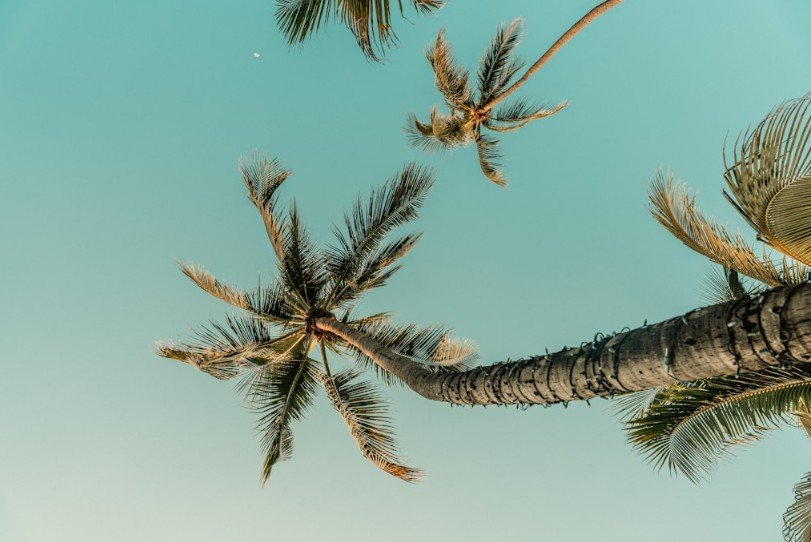
Florida’s skyline is defined by the graceful silhouettes of palm trees. For homeowners and commercial developers alike, these botanical giants are more than just aesthetic choices; they are the architectural backbone of a resilient, tropical environment. However, selecting the right palm involves understanding the delicate balance between soil composition, salt tolerance, and cold hardiness. Success in Florida landscaping requires moving beyond the “vacation vibe” and looking at the functional benefits of specific species.
Why Should You Prioritize Native Palm Trees in Florida?
Choosing indigenous species isn’t just a nod to conservation—it’s a practical strategy for long-term maintenance. Native palm trees in Florida have evolved to withstand the state’s unique stressors, from the nutrient-poor sandy soils to the intense humidity and seasonal hurricane winds.
Native varieties, such as the Sabal Palm (Sabal palmetto), the state tree, offer unparalleled durability. Unlike many exotic imports, native palms often require less supplemental irrigation once established and possess a natural resistance to local pests like the palmetto weevil. From a landscape design perspective, they provide a sense of place that honors the local ecosystem while providing essential habitats for native pollinators and birds.
Which Palms Handle Coastal Conditions Best?
If your property is within a few miles of the Atlantic or Gulf coasts, salt spray is your primary adversary. Salt causes desiccation in many plants, leading to browned fronds and stunted growth.
-
The Coconut Palm (Cocos nucifera): While synonymous with the tropics, it is highly salt-tolerant and thrives in the sandy, well-draining soils of South Florida.
-
The Silver Saw Palmetto (Serenoa repens): This is a low-growing powerhouse. Its silver-blue foliage adds incredible texture to the understory and can handle direct salt exposure without flinching.
-
The Thatch Palm (Thrinax radiata): A slender, elegant choice for smaller coastal lots where space is at a premium.
When sourcing these for large-scale projects, professionals often turn to specialized nurseries like Treeworld Wholesale, where the focus is on specimen quality and species accuracy—crucial factors when you are betting your curb appeal on a plant’s ability to survive a storm surge.
How Do You Choose the Right Palm for Your Hardiness Zone?
Florida is divided into several USDA hardiness zones, ranging from 8a in the Panhandle to 11 in the Keys. A common mistake is planting a “Miami palm” in Tallahassee.
Can the Pindo Palm Survive North Florida Winters?
Yes. The Pindo Palm (Butia capitata) is exceptionally cold-hardy, capable of withstanding temperatures as low as 15°F. Its blue-grey, arching fronds offer a Mediterranean look that survives freezes that would kill a Queen Palm.
Is the Bismarck Palm Right for Small Gardens?
Probably not. The Bismarck Palm (Bismarckia nobilis) is one of the most stunning specimens available, but its massive canopy can reach 20 feet across. In professional landscape design, we use the Bismarck as a “focal point” in wide-open spaces. Planting it too close to a structure is a recipe for future structural interference.
What Are the Key Signs of Nutritional Deficiency in Palms?
Palms are “heavy feeders,” particularly when it comes to potassium, magnesium, and manganese. In Florida’s high-alkalinity soils, these minerals often become “locked,” making them unavailable to the plant.
-
Yellowing of older fronds: This usually indicates a potassium deficiency. Do not trim these yellow fronds immediately; the tree is actually relocating nutrients from the old growth to the new bud.
-
Frizzle top: If the newest leaves emerge distorted or “scorched,” it is likely a manganese deficiency, common in the alkaline soils of the Florida Keys and coastal areas.
Designing for the Future
The longevity of a Florida landscape depends on the quality of the initial stock and the intelligence of the planting plan. By selecting palms that match your specific microclimate—be it a wind-swept coastal bluff or a humid inland garden—you reduce future replacement costs and water consumption.
Focus on diversity. Instead of a monoculture of one species, mix heights and textures. Combine the towering height of a Royal Palm with the mid-level canopy of a Christmas Palm and the low-profile texture of a Coontie. This creates a layered, professional look that matures beautifully over decades.
To ensure your landscape thrives, prioritize sourcing from growers who understand the specific physiological needs of Florida’s flora and always test your soil pH before the first spade hits the ground.