Landscape Design for Beginners: Tips, Mistakes, and Lessons I Wish I Knew Earlier

Landscape Design for Beginners: Tips, Mistakes, and Lessons I Wish I Knew Earlier

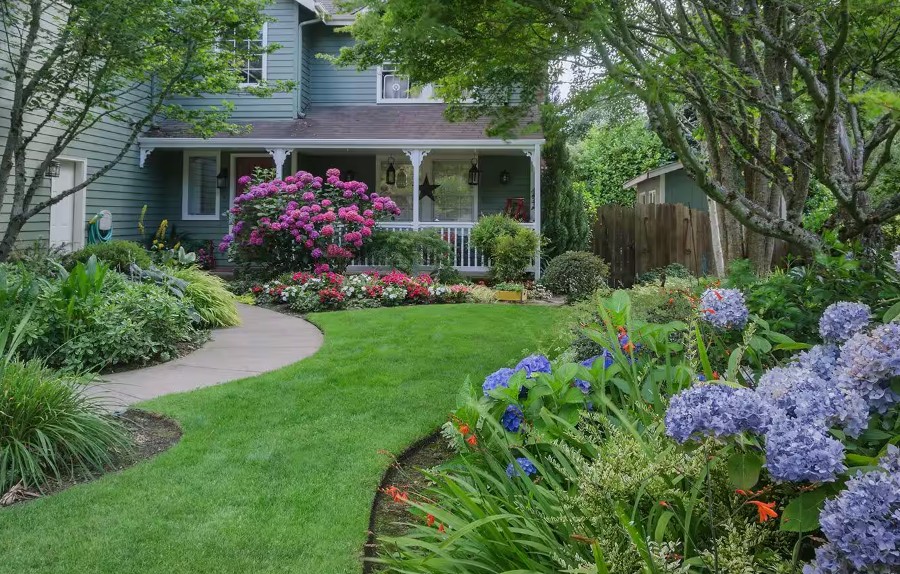
When I first tried my hand at landscape design, I thought it was going to be easy. You know, buy some plants, dig some holes, and boom — instant curb appeal. Yeah… no. Within three months my flowerbeds looked like a jungle, my “perfect” pathway had weeds poking through, and my dream of a lush green lawn was quickly turning into a brown, patchy mess.

If you’re a beginner, I want to save you from some of the headaches I went through. Designing a landscape isn’t just about making things look pretty; it’s about creating a functional outdoor space that works with your lifestyle. And trust me, a few small decisions in the beginning can save you years of maintenance (or regret).

So, let’s dive in. I’ll share my wins, my “what was I thinking?” mistakes, and practical advice you can use right away.

Start with a Plan (Don’t Just Wing It)

The biggest rookie mistake I made? Plant shopping without a plan. I’d walk into the nursery, get dazzled by colorful blooms, and bring home way more than I could handle. Half of them didn’t even survive because I didn’t check if they needed full sun or shade.

If you’re new to landscape design, grab a notebook and sketch your yard. It doesn’t have to look like a professional blueprint — mine looked more like a treasure map. But just marking where the sun hits, where the shady spots are, and how water drains after rainstorms makes a huge difference.

👉 Pro tip: Use a garden hose to “draw” potential bed shapes on your lawn before committing. I did this when I was debating between a curved flower bed and a straight one. Seeing it laid out in real life helped me avoid the awkward, too-small curve I would’ve regretted later.

Think in Layers (Not Just Random Plants)

When I first started, I’d plop a few flowers in the front, a bush in the middle, and maybe a tree off to the side. The result? It looked unbalanced, like someone threw spaghetti on the wall.

The secret I learned later is to think in layers:

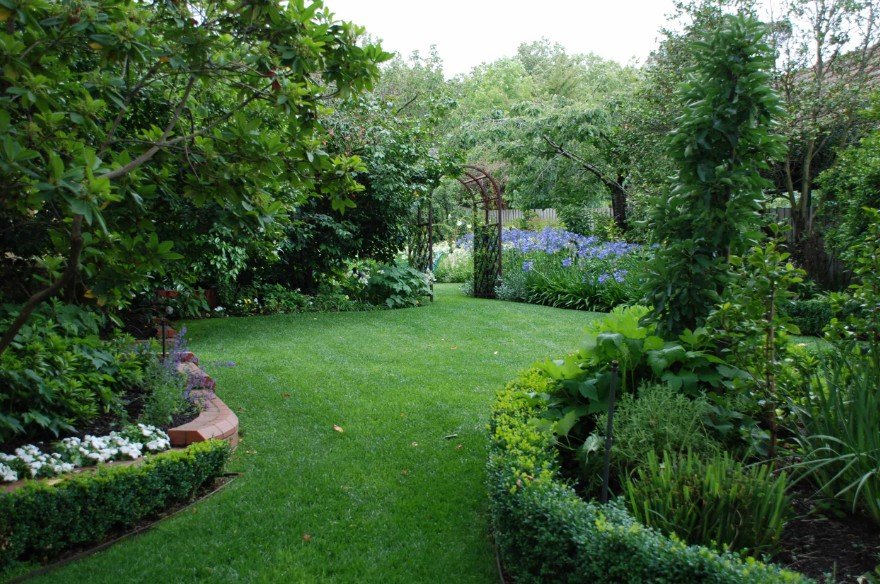
  • Tall plants or trees in the back (or center if it’s an island bed).
  • Medium-height shrubs in the middle.
  • Short flowers or ground cover in the front.

It’s like arranging a family photo — tall people in the back, kids in front. Once I started layering, my garden instantly looked more intentional and professional.

Low Maintenance > High Maintenance

This one’s personal. I thought I wanted a cottage-style garden with wildflowers everywhere. In reality? I didn’t have time to deadhead, prune, or water that much. Within weeks, weeds took over and the “charming wild look” just looked messy.

If you’re busy (and let’s be honest, most of us are), pick low-maintenance plants. Some of my lifesavers:

  • Hostas for shady spots (they’re practically indestructible).
  • Coneflowers and Black-Eyed Susans for sunny areas (they attract pollinators and survive neglect).
  • Evergreens for year-round structure (boxwood, juniper, or dwarf pines).

👉 Trust me, you’ll thank yourself later when you’re sipping lemonade instead of sweating with a weeding fork.

Paths and Flow Matter More Than You Think

One summer, I laid stepping stones from my back deck to the garden. It looked good in theory, but the path was awkward. Everyone kept cutting across the lawn instead of using it. That’s when I learned: design with natural movement in mind.

Walk around your yard and notice the paths you and your family naturally take. That’s where your walkways should go. It’s called “desire lines” in landscape architecture — basically, people will always take the easiest route. So plan for it.

Don’t Forget About Seasons

My first flower bed looked incredible… for about two weeks in spring. Then everything bloomed at once, died back, and I was left with a sad patch of green. Big mistake.

The trick is to stagger your plants so something is always happening. Here’s how I plan now:

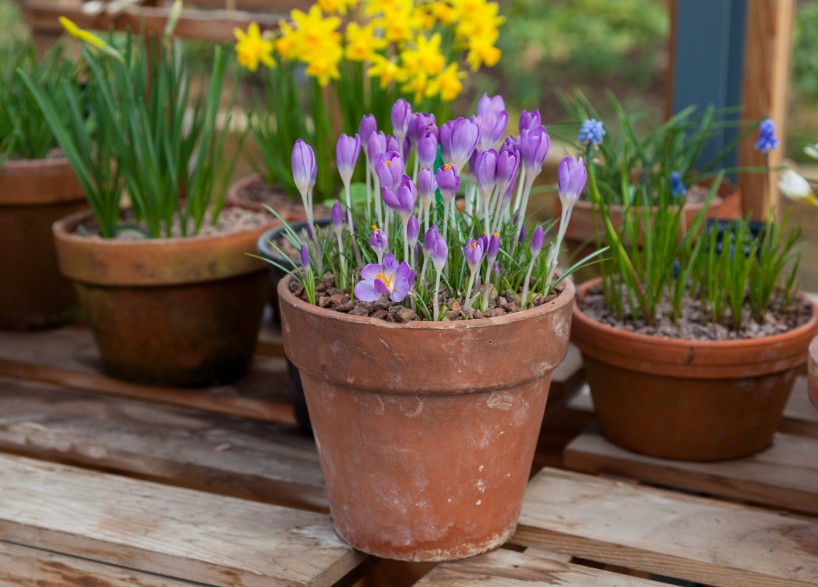
  • Spring: Tulips, daffodils, lilacs.
  • Summer: Daylilies, hydrangeas, lavender.
  • Fall: Sedum, asters, ornamental grasses.
  • Winter: Evergreens, holly, red twig dogwood.

Suddenly, my yard had year-round interest. No more “dead zone” after spring!

Soil Prep Is Everything

Here’s the truth no one tells you: your plants will only be as good as your soil. I ignored this at first. I’d dig a hole, toss in a plant, and hope for the best. Surprise, surprise — half of them never thrived.

One year, I actually tested my soil (you can get kits at garden centers for cheap). Turned out mine was clay-heavy, which explained why water pooled in certain spots. After mixing in compost and mulch, the transformation was unreal. My plants grew faster, looked healthier, and I finally understood why gardeners obsess over soil.

The Budget Trap

I’ll admit, I went overboard on my first landscaping project. Fancy stones, expensive perennials, and decorative edging that cost way more than I planned. And then — the worst part — half the plants didn’t survive the first year. Talk about money wasted.

Now, I follow the “80/20 rule”: spend 80{56914840b5a2f0b2724ea43ba3250e74fb96e6d234ed3fada20a3a52fa165935} of your budget on solid, long-lasting elements (like trees, good soil, and quality mulch) and 20{56914840b5a2f0b2724ea43ba3250e74fb96e6d234ed3fada20a3a52fa165935} on “fun extras” (like garden statues or trendy annuals). This way, even if the extras don’t last, your main design will still look good.

Watering Woes

Another rookie mistake: I assumed sprinklers would solve everything. Nope. Some plants drowned, others got crispy.

What worked better was grouping plants by water needs. For example, I put all my drought-tolerant plants (like lavender and yarrow) together in one bed, and my thirstier plants (like hydrangeas) in another. Way easier to manage.

👉 Also, invest in a drip irrigation system if you can. It looks intimidating but honestly, it saved me hours of dragging hoses around.

Lighting Makes a Huge Difference

This was one of my happiest discoveries. I added a couple of solar lights along my pathway one summer, and suddenly my yard felt magical at night. Landscape lighting doesn’t just look good; it makes your space usable after sunset.

If you’re starting small, go for:

  • Solar stake lights along paths.
  • Uplighting on a tree or feature wall.
  • String lights for patios.

Lighting instantly boosts curb appeal and makes your yard safer too.

Focal Points: The Secret Sauce

One thing that really changed my design game was adding focal points. Without them, a yard can look scattered and confusing.

I’ve tried different things over the years:

  • A birdbath in the center of a flower bed.
  • A small Japanese maple as a statement tree.
  • Even a simple bench tucked under a tree.

People’s eyes naturally go to these features, and the rest of the landscape feels more connected. It’s like giving your yard a “story” instead of random pieces.

Mistakes That Still Haunt Me

  • Planting too close to the house. My first shrubs grew way bigger than I expected and started scratching against my siding. Always check mature size before planting!
  • Ignoring drainage. I put a flower bed in a low spot that turned into a swamp every spring. Had to redo the whole thing.
  • Overplanting. I wanted instant fullness, but by year two everything was overcrowded. Patience pays off — give plants room to grow.

The Joy of Trial and Error

Here’s the truth: you’ll make mistakes. Everyone does. But landscape design is a long game. Plants grow, tastes change, and sometimes what looks like a disaster ends up teaching you something valuable.

I once planted a clump of ornamental grass in the wrong spot — it got way too tall and blocked my view. I was annoyed at first, but when I moved it to a corner, it became the perfect privacy screen. Happy accident.

Quick Beginner Tips (That I Wish I Knew)

  • Start small. One flower bed or one section at a time. Don’t try to redesign the whole yard at once.
  • Mulch is your friend. It keeps weeds down, moisture in, and instantly makes beds look finished.
  • Borrow ideas. Walk your neighborhood and notice what grows well. If your neighbor’s roses are thriving, chances are yours will too.
  • Think long-term. That tiny tree in a pot could be 20 feet tall in 10 years. Plan ahead.
  • Enjoy the process. Seriously. It’s not about perfection — it’s about creating a space you love.

Final Thoughts

Landscape design for beginners can feel overwhelming, but it doesn’t have to be. I made every mistake in the book — from planting without a plan to blowing money on the wrong stuff — but each misstep taught me something. Now, when I walk through my yard, I see not just plants and paths, but little lessons learned along the way.

If I could give just one piece of advice, it’s this: don’t aim for perfection right away. Aim for progress. Even one well-planned bed can transform your outdoor space. And over time, those small projects add up to something beautiful.

So grab your notebook, sketch out some ideas, and get started. Your dream yard is probably just a few weekends (and a few mistakes) away.

Frequently Asked Questions About Landscape Design for Beginners

  1. What is the easiest landscaping style for beginners?

The easiest landscaping style for beginners is a low-maintenance garden design. Think simple shapes, evergreen shrubs for structure, and a few flowering perennials for color. Cottage gardens and formal styles look great, but they often require constant pruning and upkeep. If you’re just starting out, focus on clean lines, mulch for weed control, and hardy plants that don’t need daily care.

  1. How do I design my yard if I have a small space?

For small yards, the trick is to maximize vertical space and create clear zones. Use trellises or climbing plants to draw the eye upward. A small seating area, a single focal point (like a fountain or statement plant), and layered plantings can make the space feel bigger. Avoid cramming too many plants in; instead, pick a few that thrive and give them room to shine.

  1. What are some cheap landscaping ideas for beginners?

Budget-friendly landscaping is totally possible. Some of the cheapest ideas include:

  • Using mulch to define flower beds.
  • Planting perennials instead of annuals, so they return each year.
  • Adding gravel or stepping stones for DIY paths.
  • Starting plants from seeds or cuttings instead of buying full-grown.
    Also, check your local community groups — people often give away extra plants or stones for free.
  1. How do I know which plants will survive in my yard?

The key is to check your USDA Plant Hardiness Zone (or equivalent in your country). This tells you which plants can survive your local climate. Also, pay attention to sunlight in your yard. Some areas may get full sun, while others are shady most of the day. Match your plants to those conditions. For example, lavender loves sun, while hostas thrive in shade.

  1. What are the biggest mistakes beginners make in landscaping?

Some of the most common mistakes I’ve seen (and made myself) are:

  • Planting trees and shrubs too close to the house.
  • Ignoring how big plants will get when mature.
  • Forgetting about drainage, leading to swampy beds.
  • Buying plants without a plan and ending up with mismatched designs.
  • Overplanting — it looks full at first, but in two years it’s overcrowded.
  1. How can I make my yard look good all year round?

The secret is seasonal interest. Choose plants that shine at different times of year. Tulips and daffodils in spring, daylilies and hydrangeas in summer, ornamental grasses and sedum in fall, and evergreens or holly in winter. That way, your yard never looks bare or boring.

  1. Do I need professional help for landscaping, or can I DIY?

You can absolutely DIY most beginner-friendly landscaping projects. Start small with a flower bed or pathway. However, if you’re planning something major like a retaining wall, irrigation system, or big tree removal, it’s worth calling in a pro. Think of it like home repair — do what you can, and get help for the tricky stuff.

  1. How often should I water new plants in my landscape?

New plants usually need more water until their roots establish. A good rule of thumb is deep watering 2–3 times a week for the first month, depending on weather. After that, most established plants only need water once a week (or less, if they’re drought-tolerant). Grouping plants with similar water needs together makes this much easier.

  1. What tools should every beginner gardener have?

You don’t need a huge shed full of tools to get started. My must-haves are:

  • A sturdy pair of gloves.
  • A digging spade or shovel.
  • A hand trowel.
  • Pruners for trimming.
  • A hose with a spray nozzle or watering can.
    Optional but helpful: a wheelbarrow and a rake for spreading mulch.
  1. How long does it take to see results in landscaping?

This depends on the project, but here’s the truth: landscaping is a long game. Some things, like adding mulch, pathways, or container plants, give you instant gratification. But for trees and shrubs, you’ll need patience — it can take 2–5 years before they really fill out. Don’t get discouraged if it doesn’t look perfect right away. Think of it as watching your yard grow up over time.

Transform Your Home with Professional Interior Painting in Cleveland Heights, Ohio

Transform Your Home with Professional Interior Painting in Cleveland Heights, Ohio

When it comes to making your house feel like a home, few upgrades are as effective and transformative as a fresh coat of paint. In Cleveland Heights, Ohio, where the charm of older homes blends with modern updates, interior painting is one of the most popular home improvement projects. Whether you live in a century-old colonial or a contemporary condo, updating your interior walls with new colors can dramatically improve the mood, aesthetics, and even value of your space.

But there’s more to interior painting than just choosing a color and grabbing a brush. If you live in cities like Cleveland, Akron, or their surrounding suburbs, hiring a professional painter can make all the difference in getting long-lasting, high-quality results. Let’s explore how a professional interior paint job can revitalize your home and why it’s especially worthwhile for residents of Cleveland Heights.

Why Interior Painting Matters

Interior painting is more than just a visual upgrade — it’s a way to express your personality, brighten up dark or outdated rooms, and even improve indoor air quality (if you’re switching from older paints to low-VOC options). In homes across Cleveland Heights, where architectural details like crown molding and hardwood floors are common, the right paint can highlight those features and add elegance to every room.

A professional paint job can also:

  • Protect surfaces: Paint acts as a barrier against moisture, dust, and everyday wear.
  • Boost property value: A freshly painted interior is a strong selling point for potential buyers.
  • Enhance mood: Color psychology is real — blues can calm, yellows can energize, and greens can restore.

Cleveland Heights: A City of Character

One of the things that sets Cleveland Heights apart from other cities in Ohio is its eclectic mix of homes. From Tudor-style houses to Craftsman bungalows, this suburb is rich in character. And with that charm comes the need for special care when it comes to interior updates.

Unlike newer builds found in some neighborhoods of Akron, homes in Cleveland Heights often require extra preparation before painting — from repairing plaster walls to navigating intricate woodwork. Local professional painters are well-versed in the quirks of older homes and know how to handle everything from lead-safe practices to custom color matching for historic palettes.

Choosing the Right Color Palette

Color trends may come and go, but your personal style should be the foundation of your paint choices. Still, it doesn’t hurt to be aware of what’s popular. In Cleveland and Akron, many homeowners are embracing earthy tones, deep navy blues, and warm neutrals — shades that both modernize a space and maintain a cozy Midwestern feel.

Here are some trending ideas for different rooms:

  • Living Rooms: Warm greige, soft taupe, or a rich olive green can create a welcoming atmosphere.
  • Kitchens: Crisp whites or soft blues can brighten up the heart of your home.
  • Bedrooms: Deep blues or calming greens offer a restful retreat.
  • Bathrooms: Soft grays or spa-inspired mint tones are always a hit.

Finding the Right Painter in Cleveland Heights

Hiring a professional ensures your interior paint job not only looks beautiful but also lasts. In cities like Cleveland and Akron, there are countless painting contractors, but not all offer the same level of service. When choosing a painter in Cleveland Heights, look for the following:

  • Local experience: They should be familiar with the architectural styles and weather-related wear typical of Northeast Ohio homes.
  • Customer reviews: Online testimonials or word-of-mouth referrals can tell you a lot about a contractor’s reliability.
  • Detailed estimates: A professional painter will offer a written quote, timeline, and outline of services.
  • Proper licensing and insurance: Protect yourself from liability and ensure high standards.

Final Thoughts

A fresh coat of paint can breathe new life into your home, especially in a community as vibrant and diverse as Cleveland Heights, Ohio. Whether you’re preparing to sell or simply want to love where you live a little more, interior painting is a smart investment.

Residents in cities like Cleveland and Akron understand the importance of maintaining and enhancing their homes, and with so many skilled painters in the area, it’s easier than ever to get professional results that reflect your personal style and add value to your space.

So if you’re ready to reimagine your interiors, there’s no better time to start. Pick your palette, call in the pros, and watch your home transform — one brushstroke at a time.

The Benefits of Professional Waterproofing for Homes

The Benefits of Professional Waterproofing for Homes

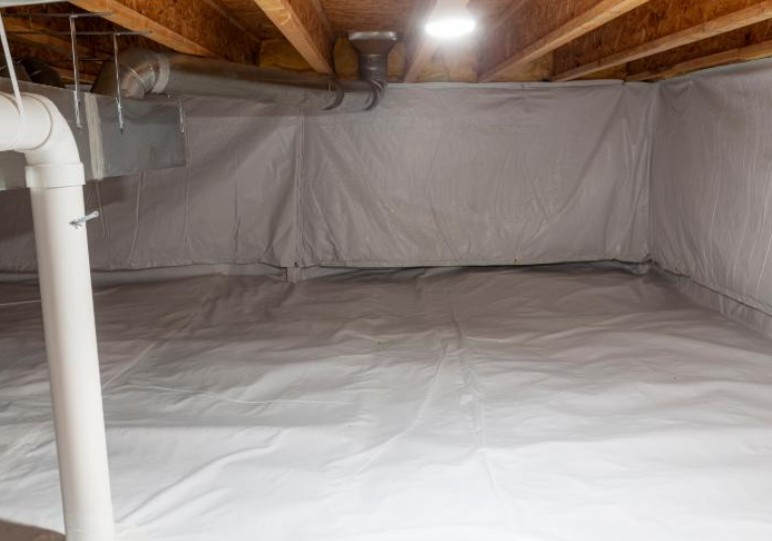
Water damage is one of the most common and costly issues homeowners face. Whether it’s a leaky basement, damp crawl space, or water stains along the foundation, moisture problems can impact your home’s safety, value, and comfort. While some minor fixes may be manageable for DIYers, professional waterproofing offers long-term protection beyond surface-level repairs.

If you’re considering waterproofing in Fishers, understanding the full range of benefits can help you make a smart investment in your property. From health protection to structural integrity, waterproofing is a solution that pays off in more ways than one.

Why Waterproofing Matters

Moisture that seeps into your home doesn’t just disappear. It can lead to mold growth, structural decay, foundation shifting, and even pest infestations. Over time, this kind of damage compromises the safety and value of your house. Waterproofing tackles the root cause by keeping water out in the first place, protecting your investment from the ground up.

Many homeowners in Fishers turn to professional waterproofing services after noticing issues like a musty odor, water pooling in the basement, or visible cracks in the foundation. If you’ve experienced any of these, it’s time to look into waterproofing in Fishers for long-term peace of mind.

1. Protects Structural Integrity

Water can weaken the structure of your home over time. As moisture enters cracks or porous materials, it can erode concrete, warp wood framing, and cause metal supports to rust. This leads to issues like bowed basement walls, sagging floors, and shifting foundations.

Professional waterproofing strengthens your home by sealing the water before it reaches structural elements. It may involve installing vapor barriers, exterior membranes, sump pumps, or drainage systems, all working together to keep your home dry and sound.

2. Reduces Mold and Mildew

Mold thrives in moist, dark environments, like a damp basement or crawl space. Once mold takes hold, it can spread quickly through walls, insulation, and air ducts. Not only does this create an unpleasant smell, but it can also trigger allergies and respiratory problems for the people living in your home.

By eliminating the moisture source, waterproofing significantly lowers the risk of mold growth. Professional waterproofing contractors use materials that resist water and mold buildup, ensuring cleaner, healthier air in your home.

3. Improves Indoor Air Quality

The air in your basement or crawl space doesn’t stay there, it circulates through your home. If that space is filled with damp air or mold spores, it can impact the air quality throughout your living areas. Poor ventilation, combined with moisture, leads to musty smells, allergy symptoms, and even visible dust buildup, clear signs that your indoor environment isn’t as healthy as it should be.

With proper waterproofing and improved ventilation, the lower levels of your home stay dry and clean, which helps maintain healthier air throughout the house. This is especially important for families with young children, elderly residents, or anyone with asthma or allergies.

4. Prevents Costly Repairs

Water damage isn’t just unpleasant, it’s expensive. Foundation repairs, mold remediation, and replacing damaged flooring or drywall can add up quickly. Homeowners can avoid major renovation costs by addressing moisture problems early with professional waterproofing.

In many cases, proactive waterproofing can extend the life of other systems in your home, too, such as HVAC, plumbing, and electrical components, all of which are vulnerable to moisture.

5. Increases Property Value

A dry, well-maintained basement or crawl space is a big selling point for potential buyers. When buyers see waterproofing systems in place, it gives them peace of mind about the home’s condition and reduces the risk of last-minute surprises during inspection.

Homes free of moisture problems are more appealing and often fetch higher offers. Waterproofing can make your home stand out in competitive real estate markets like Fishers.

When to Consider Waterproofing

Not sure if you need professional waterproofing? Here are some common signs that it’s time to take action:

  • Water stains on basement walls or floors
  • Musty odors in the basement or crawl space
  • Visible mold or mildew
  • Cracks in walls or floors
  • Damp insulation or warped wood
  • Flooding after heavy rain

Even if your basement has never flooded, small leaks or condensation can be warning signs of a growing issue. A professional inspection can help you determine the best waterproofing approach based on your home’s needs.

DIY vs. Professional Waterproofing

While some homeowners attempt waterproofing with sealants or store-bought drainage mats, these fixes rarely offer long-term results. Professional waterproofing services use industrial-grade materials and proven techniques tailored to your home and soil conditions.

Trained contractors also have access to tools and expertise that make the job faster, safer, and more effective. Hiring a professional provides the greatest value and the longest-lasting protection for most homeowners.

Conclusion

Waterproofing is one of the smartest home improvements you can make. It protects your home’s structure, improves your air quality, reduces mold, and boosts your property value while saving you from costly future repairs.

If you’re considering waterproofing in Fishers, now is the time to act. Contact the Dayton Basement Waterproofing Experts team for a professional assessment and a custom plan to keep your home dry, safe, and protected year-round.

The Art of Landscaping: Creating Beautiful Outdoor Spaces

The Art of Landscaping: Creating Beautiful Outdoor Spaces

Landscaping is more than just planting flowers or mowing the lawn—it’s an art form that transforms outdoor spaces into stunning, functional environments. Whether you have a small backyard or a sprawling estate, professional landscapers can help design and maintain a space that enhances curb appeal, promotes relaxation, and complements your lifestyle. In this article, we’ll explore the key elements of landscaping, the benefits of hiring expert landscapers, and tips for creating your own beautiful outdoor retreat.

The Elements of Effective Landscaping

A well-designed landscape balances aesthetics, functionality, and sustainability. Here are the essential components that landscapers consider when crafting outdoor spaces:

  1. Design and Planning

Before breaking ground, a detailed plan is crucial. Professional landscapers assess the property’s topography, soil quality, climate, and existing vegetation to create a cohesive design. Key considerations include:

  • Hardscaping:Pathways, patios, retaining walls, and water features add structure.
  • Softscaping:Trees, shrubs, flowers, and grass bring color and life.
  • Focal Points:A gazebo, fountain, or sculpture can serve as a centerpiece.
  1. Plant Selection

Choosing the right plants is vital for a thriving landscape. Landscapers recommend native species that adapt well to local conditions, reducing water usage and maintenance. Layering plants by height, texture, and bloom time ensures year-round visual interest.

  1. Sustainability and Eco-Friendliness

Modern landscaping emphasizes sustainability. Techniques like xeriscaping (low-water landscaping), rainwater harvesting, and organic mulching help conserve resources while maintaining beauty.

  1. Lighting

Strategic lighting enhances safety and ambiance. Landscapers use LED lights, solar-powered fixtures, and accent lighting to highlight pathways, trees, and architectural features.

  1. Irrigation and Drainage

Proper water management prevents flooding and promotes healthy plant growth. Drip irrigation, sprinkler systems, and French drains are common solutions implemented by landscapers.

Why Hire Professional Landscapers?

While DIY landscaping can be rewarding, hiring experts offers several advantages:

  1. Expertise and Creativity

Experienced landscapers bring knowledge of horticulture, design principles, and construction techniques to create a harmonious outdoor space.

  1. Time and Cost Efficiency

Professionals avoid costly mistakes and complete projects faster, ensuring long-term durability and value.

  1. Increased Property Value

A well-maintained landscape boosts curb appeal and can increase home value by up to 15{56914840b5a2f0b2724ea43ba3250e74fb96e6d234ed3fada20a3a52fa165935}, making it a smart investment.

  1. Customized Maintenance Plans

From seasonal cleanups to pest control, landscapers provide tailored maintenance to keep your yard pristine.

DIY Landscaping Tips for Homeowners

If you prefer a hands-on approach, here are some tips to get started:

  1. Start with a Clear Vision

Sketch your ideas or use digital tools to plan layouts. Consider how you’ll use the space—entertaining, gardening, or relaxation.

  1. Work with Your Climate

Choose drought-resistant plants in dry areas or shade-loving varieties in cooler regions.

  1. Layer Plants for Depth

Place taller plants in the back, medium-height shrubs in the middle, and ground cover or flowers in the front.

  1. Incorporate Functional Spaces

Add a patio for dining, a fire pit for gatherings, or a vegetable garden for fresh produce.

  1. Maintain Regularly

Prune shrubs, weed flower beds, and mulch annually to keep your landscape healthy.

Conclusion

Landscaping is an art that blends nature and design to create breathtaking outdoor spaces. Whether you hire professional landscapers or tackle the project yourself, thoughtful planning and creativity are key. A well-designed landscape not only enhances your home’s beauty but also provides a peaceful retreat for years to come.

Where to Buy Plants Online: 5 Best Online Nurseries Ranked

Where to Buy Plants Online: 5 Best Online Nurseries Ranked

If you’re looking to buy plants online, choosing the right nurseries can make all the difference. Whether you’re a gardening enthusiast or a landscaping professional, purchasing from reputable online nurseries ensures healthy plants, great variety, and excellent customer service.

In this article, we’ve ranked the 5 best online nurseries to help you find the perfect plants for your home or garden.

1. Bloom & Bulb

Bloom & Bulb is one of the top-rated online nurseries, known for its high-quality plants and exceptional customer service. They offer a wide selection of perennials, shrubs, and seasonal flowers, making them a favorite among home gardeners.

Why Choose Bloom & Bulb?

  • Premium plant quality– Healthy, well-rooted plants
  • Wide variety– From rare finds to popular favorites
  • Sustainable practices– Eco-friendly packaging and growing methods

Whether you’re looking for vibrant blooms or hardy shrubs, Bloom & Bulb is a reliable choice.

2. TN Nursery

TN Nursery is a trusted name in the world of online nurseries, specializing in native plants and affordable landscaping solutions. They cater to both individual gardeners and wholesale buyers, offering bulk pricing for larger projects.

Why Choose TN Nursery?

  • Affordable pricing– Great deals on bulk orders
  • Native plant selection– Ideal for eco-friendly gardening
  • Fast shipping– Well-packaged plants to ensure safe delivery

If you’re looking for cost-effective, hardy plants, TN Nursery is an excellent option.

3. Tennessee Wholesale Nursery

For those in need of large quantities of plants, Tennessee Wholesale Nursery stands out among online nurseries. They specialize in providing high-volume orders for landscapers, municipalities, and commercial projects.

Why Choose Tennessee Wholesale Nursery?

  • Wholesale focus– Perfect for bulk purchases
  • Extensive inventory– Trees, shrubs, and ground covers
  • Expert advice– Helpful guidance for large-scale planting

If you’re planning a big landscaping project, Tennessee Wholesale Nursery is a top contender.

4. Wholesale Nursery Co

Wholesale Nursery Co is another leading name in the online nurseries space, offering a diverse selection of plants at competitive prices. They serve both retail and wholesale customers, making them a versatile choice.

Why Choose Wholesale Nursery Co?

  • Competitive pricing– Great value for money
  • Large plant selection– From ornamentals to fruit trees
  • Reliable shipping– Plants arrive in excellent condition

Whether you’re a hobbyist or a professional, Wholesale Nursery Co delivers quality and affordability.

5. The Sill(Bonus Pick)

While not a wholesale option, The Sill deserves mention among the best online nurseries for indoor plant lovers. They focus on houseplants, offering stylish pots and beginner-friendly plant care tips.

Why Choose The Sill?

  • Trendy indoor plants– Perfect for home decor
  • Educational resources– Great for new plant parents
  • Subscription options– Regular plant deliveries

If you love indoor greenery, The Sill is a fantastic choice.

Final Thoughts: Which Nursery is Right for You?

Choosing the best online nurseries depends on your needs:

  • For premium quality & variety→ Bloom & Bulb
  • For affordable native plants→ TN Nursery
  • For wholesale landscaping plants→ Tennessee Wholesale Nursery
  • For budget-friendly bulk orders→ Wholesale Nursery Co
  • For stylish indoor plants→ The Sill

Garage Door Opener Repair and Maintenance: Your Ultimate Guide

Garage Door Opener Repair and Maintenance: Your Ultimate Guide

When your garage door opener malfunctions, it can disrupt your daily routine and compromise home security. Whether you need garage door opener repair, replacement parts, or a reliable garage door repair near me service, this guide covers everything you need to know.

Common Garage Door Opener Problems

A faulty garage door opener can result from various issues, including:

  • Motor Failure– If the motor burns out, the opener won’t function.
  • Broken Gears– Worn-out gears can prevent the door from moving.
  • Remote Control Issues– Dead batteries or signal interference may be the culprit.
  • Misaligned Sensors– Safety sensors must align properly for the door to operate.
  • Chain or Belt Problems– A loose or broken chain/belt affects movement.

If you notice unusual noises, slow operation, or complete failure, it’s time for garage door opener repair.

DIY Garage Door Opener Repair Tips

Before calling a professional, try these fixes:

  1. Check Power Supply– Ensure the opener is plugged in and the circuit breaker hasn’t tripped.
  2. Replace Batteries– If the remote isn’t working, swap out the batteries.
  3. Inspect Sensors– Clean and realign the safety sensors near the floor.
  4. Lubricate Moving Parts– Apply garage door lubricant to rollers, chains, and hinges.
  5. Reset the Opener– Some models have a reset button to restore functionality.

For more complex issues like motor or gear replacement, consider hiring a garage door repair near me expert.

Essential Garage Door Opener Parts

If your opener needs replacement parts, here are the most common components:

  • Drive Motor– Powers the lifting mechanism.
  • Gear and Sprocket Assembly– Transfers motor power to the chain/belt.
  • Circuit Board– Controls opener functions.
  • Remote Controls & Keypads– Wireless entry devices.
  • Safety Sensors– Prevent the door from closing on obstructions.
  • Rollers and Hinges– Ensure smooth door movement.

Always buy high-quality garage door opener parts compatible with your model (e.g., LiftMaster, Chamberlain, Genie).

When to Call a Professional for Garage Door Repair

While DIY fixes can help, some situations require expert attention:

  • Motor Replacement– Installing a new motor is complex and often requires professional tools.
  • Broken Springs– High-tension springs are dangerous to handle without training.
  • Persistent Issues– If problems recur, a technician can diagnose underlying causes.

Searching for garage door repair near me will help you find licensed, insured technicians for safe and efficient service.

Choosing the Right Garage Door Repair Service

When selecting a repair company, consider:

✔ Experience & Reputation – Read reviews and check years in business.
✔ Licensing & Insurance – Ensures quality work and liability coverage.
✔ Warranty Offerings – Reputable companies guarantee their repairs.
✔ Emergency Services – Some providers offer 24/7 assistance.

A quick search for garage door repair near me will yield local options—compare quotes before deciding.

Preventive Maintenance for Garage Door Openers

Extend your opener’s lifespan with these tips:

✅ Monthly Inspections – Check for loose bolts, worn parts, and alignment issues.
✅ Lubricate Regularly – Keep chains, screws, and rollers well-oiled.
✅ Test Safety Features – Ensure sensors reverse the door when obstructed.
✅ Keep It Clean – Dust and debris can affect performance.

Routine care reduces the need for garage door opener repair and costly replacements.

Final Thoughts

Whether you need garage door opener parts, troubleshooting tips, or professional garage door repair near me services, addressing issues early saves time and money. For complex repairs, always rely on certified technicians to ensure safety and functionality.