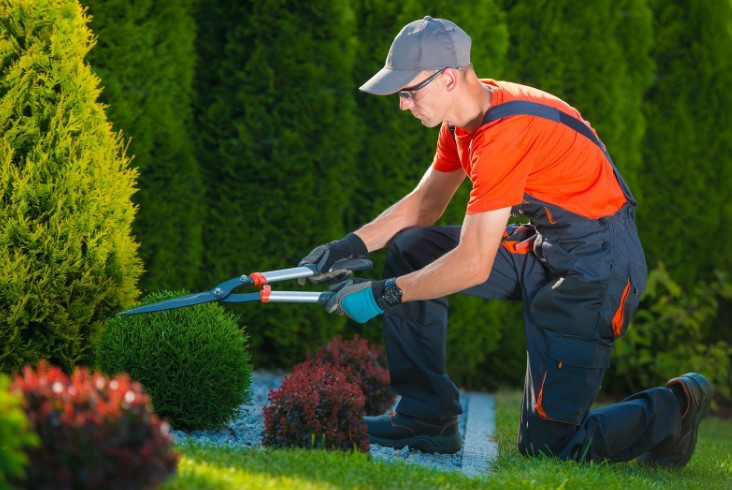

Kitchen Gardening: Your Guide to Growing Fresh Produce at Home

Introduction

The Rise of Kitchen Gardening

In recent years, kitchen gardening has seen a significant resurgence. People are increasingly turning to their backyards, balconies, and even kitchen countertops to grow their own fresh produce. This trend is driven by a desire for healthier eating, environmental consciousness, and the simple pleasure of gardening.

Benefits of Kitchen Gardening

Kitchen gardening offers numerous benefits. It provides a steady supply of fresh, organic produce, helps reduce grocery bills, and promotes a sustainable lifestyle. Additionally, gardening can be a therapeutic and rewarding hobby, bringing a sense of accomplishment and tranquility.

Getting Started with Kitchen Gardening

Choosing the Right Location

The first step in starting a kitchen garden is selecting the right location. Ideally, you should choose a spot that receives at least six hours of sunlight each day. If outdoor space is limited, consider using windowsills, balconies, or even indoor grow lights.

Essential Tools and Supplies

To get started, you’ll need a few basic tools: a trowel, watering can, pruning shears, and gardening gloves. Additionally, investing in quality soil, compost, and pots or raised beds will set the foundation for a thriving garden.

Planning Your Kitchen Garden

Deciding What to Grow

Before planting, decide what vegetables, herbs, and fruits you want to grow. Consider what your family eats regularly and what grows well in your climate. Leafy greens, tomatoes, and herbs like basil and parsley are great options for beginners.

Designing Your Garden Layout

Once you know what you want to grow, plan your garden layout. Group plants with similar needs together, and ensure there’s enough space for each plant to grow. Companion planting—growing plants that benefit each other together—can also enhance your garden’s productivity.

Understanding Soil and Fertilization

Types of Soil

Soil quality is crucial for a successful garden. Most vegetables prefer well-draining, loamy soil rich in organic matter. If your garden soil is poor, consider raised beds or containers filled with a high-quality potting mix.

Composting Basics

Composting is a great way to enrich your soil naturally. Kitchen scraps like vegetable peels, coffee grounds, and eggshells can be composted to create nutrient-rich soil amendments. Regularly turning your compost pile ensures it decomposes evenly.

Organic vs. Chemical Fertilizers

While chemical fertilizers can provide quick nutrients, they often harm the environment. Organic fertilizers, such as compost, manure, and bone meal, release nutrients slowly and improve soil health over time.

Selecting the Right Plants

Best Vegetables for Beginners

If you’re new to gardening, start with easy-to-grow vegetables. Leafy greens like lettuce and spinach, root vegetables like radishes and carrots, and vine crops like cucumbers are excellent choices.

Herbs for Your Kitchen Garden

Herbs are a must-have for any kitchen garden. Basil, parsley, mint, and cilantro are not only easy to grow but also add fresh flavors to your meals. Most herbs thrive in containers, making them perfect for small spaces.

Growing Fruits at Home

While growing fruits requires more space and care, some varieties are well-suited for kitchen gardens. Strawberries, blueberries, and dwarf fruit trees can be grown in pots or small garden plots.

Planting Your Garden

Seed Starting vs. Transplants

Decide whether to start your plants from seeds or purchase transplants. While seeds are more economical and offer a greater variety, transplants provide a head start and are easier for beginners.

Planting Techniques

Plant seeds at the depth recommended on the seed packet, and be sure to thin seedlings as they grow to prevent overcrowding. For transplants, dig a hole slightly larger than the root ball and water thoroughly after planting.

Watering Your Garden

How Much Water Do Plants Need?

Proper watering is crucial for plant health. Most garden plants need about 1 inch of water per week, but this can vary based on weather and soil conditions. Check the soil moisture regularly to ensure your plants are getting enough water.

Efficient Watering Methods

To conserve water, use efficient watering methods like drip irrigation or soaker hoses. Watering early in the morning reduces evaporation and helps prevent diseases.

Dealing with Pests and Diseases

Common Garden Pests

Pests like aphids, caterpillars, and slugs can damage your plants. Regularly inspect your garden for signs of pests and take action immediately to prevent infestations.

Organic Pest Control Methods

Use organic pest control methods to keep your garden chemical-free. Introducing beneficial insects, using neem oil, or making homemade insecticidal soap are effective ways to control pests naturally.

Preventing Plant Diseases

Prevent diseases by planting disease-resistant varieties, practicing crop rotation, and ensuring proper spacing for good air circulation. Remove any diseased plants promptly to prevent the spread.

Maintenance and Care

Pruning and Harvesting

Regular pruning helps keep your plants healthy and productive. Remove dead or diseased leaves, and trim back excessive growth. Harvest your produce when it’s ripe to enjoy the best flavors and encourage more production.

Seasonal Care Tips

Adapt your gardening practices to the seasons. In spring and summer, focus on planting and growing, while fall is the time to harvest and prepare your garden for winter. Use mulch to protect plants from extreme temperatures.

Indoor Kitchen Gardening

Best Indoor Plants for the Kitchen

If you lack outdoor space, indoor gardening is a great alternative. Herbs like basil, thyme, and oregano thrive indoors, as do compact vegetables like cherry tomatoes and peppers.

Container Gardening Tips

Choose containers with good drainage and use a high-quality potting mix. Place your containers in a sunny spot and water them regularly. Indoor plants may need extra humidity, so misting them occasionally can help.

Sustainable Gardening Practices

Water Conservation

Conserving water is essential for a sustainable garden. Use rain barrels to collect rainwater, and mulch your plants to reduce water evaporation.

Companion Planting

Companion planting involves growing plants together that benefit each other. For example, planting basil near tomatoes can improve tomato flavor and deter pests.

Crop Rotation

Rotating crops each season prevents soil depletion and reduces the risk of pests and diseases. Plan your garden layout so that different plant families occupy the same spot in successive years.

Maximizing Yield

Vertical Gardening

Vertical gardening uses trellises, stakes, and other structures to grow plants upward, saving space and increasing yield. Cucumbers, beans, and tomatoes are excellent candidates for vertical gardening.

Succession Planting

Succession planting involves planting new crops as soon as previous ones are harvested. This technique ensures a continuous harvest throughout the growing season.

Kitchen Garden Design Ideas

Small Space Solutions

Even if you have limited space, you can still enjoy a productive garden. Use vertical gardening techniques, hanging baskets, and window boxes to maximize your growing area.

Aesthetic Garden Design

Create a beautiful and functional garden by incorporating pathways, decorative containers, and garden art. Mixing flowers with vegetables can enhance the garden’s aesthetic appeal.

Benefits of Kitchen Gardening

Health Benefits

Growing your own food ensures you have access to fresh, nutrient-rich produce. Gardening also promotes physical activity and reduces stress, contributing to overall well-being.

Environmental Impact

Kitchen gardening reduces your carbon footprint by cutting down on the transportation and packaging associated with store-bought produce. It also supports biodiversity and improves soil health.

Conclusion

Encouraging Kitchen Gardening in Your Community

Kitchen gardening is not only beneficial for individuals but also for communities. Share your knowledge and produce with neighbors, start a community garden, or participate in local gardening groups.

Final Thoughts

Embarking on a kitchen gardening journey is a rewarding experience that offers numerous benefits. Whether you have a large backyard or a small balcony, you can grow fresh, healthy produce and enjoy the many joys of gardening.

FAQs

How do I start a kitchen garden?

Start by choosing a sunny location, gathering essential tools, and planning what to grow. Begin with easy-to-grow vegetables and herbs, and gradually expand your garden as you gain experience.

What are the easiest vegetables to grow in a kitchen garden?

Leafy greens like lettuce and spinach, root vegetables like radishes and carrots, and vine crops like cucumbers are among the easiest vegetables to grow for beginners.

How often should I water my kitchen garden?

Most garden plants need about 1 inch of water per week. Check the soil moisture regularly and water deeply to ensure the roots receive adequate hydration.

Can I grow a kitchen garden indoors?

Yes, you can grow a kitchen garden indoors. Choose compact plants like herbs, cherry tomatoes, and peppers, and place them in a sunny spot. Use containers with good drainage and a quality potting mix.

What are the best organic fertilizers for kitchen gardens?

Compost, manure, bone meal, and fish emulsion are excellent organic fertilizers that enrich the soil and provide essential nutrients to your plants.
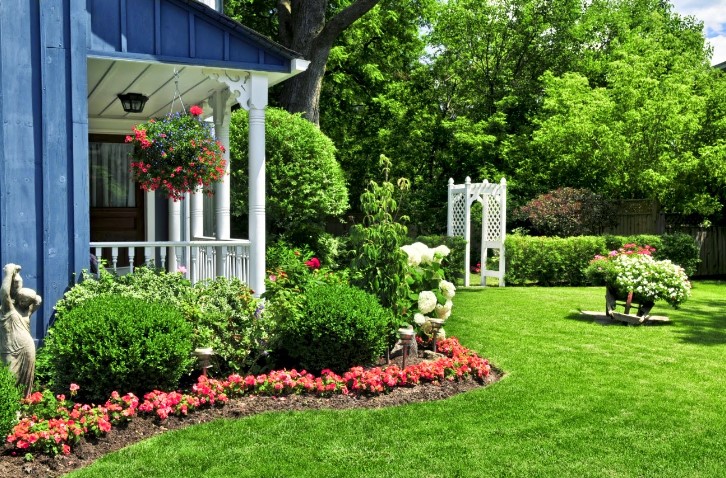

Garden House: Your Ultimate Guide to Creating a Backyard Haven

Garden House

Introduction to Garden Houses

Ever dreamed of having a cozy retreat right in your backyard? That’s what a garden house offers. Whether you’re looking for a quiet place to work, relax, or indulge in hobbies, a garden house can be the perfect addition to your home.

What is a Garden House?

A garden house, also known as a garden shed, summerhouse, or garden office, is a small structure located in your garden or backyard. It can serve multiple purposes, from a storage space for gardening tools to a fully equipped office or a tranquil getaway.

Brief History of Garden Houses

Garden houses have been around for centuries, initially used as potting sheds or tool storage. Over time, they’ve evolved into versatile structures that reflect personal style and function, becoming more than just a utility space.

Types of Garden Houses

Garden houses come in various shapes and sizes, each designed to meet different needs and preferences.

Traditional Garden Sheds

These are the classic garden houses used primarily for storage. They keep your gardening tools, lawnmowers, and other outdoor equipment safe and organized.

Modern Garden Offices

With the rise of remote work, garden offices have become increasingly popular. These are insulated, comfortable, and equipped with everything you need to work from home.

Summerhouses

Summerhouses are perfect for relaxing and entertaining. They often feature large windows and cozy interiors, making them ideal for reading, hosting gatherings, or simply enjoying your garden’s beauty.

Greenhouses

Greenhouses are designed for gardening enthusiasts who want to grow plants all year round. They provide a controlled environment that promotes plant growth, regardless of the weather.

Benefits of Having a Garden House

Additional Living Space

A garden house adds valuable extra space to your home without the need for a costly extension. It can serve as a guest room, a playhouse for children, or even a personal gym.

Increased Property Value

Investing in a garden house can significantly boost your property’s value. Potential buyers see it as an attractive feature, adding versatility and charm to the home.

Personal Retreat

Life can be hectic, and having a garden house offers a quiet retreat to unwind. Whether it’s for yoga, meditation, or simply reading a book, it’s your own private sanctuary.

Gardening Advantages

For gardening enthusiasts, a garden house, especially a greenhouse, provides the perfect environment for nurturing plants and expanding your gardening activities.

Choosing the Right Garden House

Assessing Your Needs

Before you start, think about how you’ll use your garden house. Is it for storage, a home office, or a relaxation space? Your needs will dictate the type of garden house you choose.

Space Considerations

Measure your available garden space to ensure your chosen garden house fits comfortably. Consider leaving room for pathways, plants, and other garden features.

Material Choices

Garden houses come in various materials, including wood, metal, and plastic. Wood offers a natural look but requires maintenance, while metal and plastic are more durable and low-maintenance.

Design and Style

Choose a design that complements your home’s architecture and garden aesthetic. From rustic to modern, there are plenty of styles to suit your taste.

Planning and Preparation

Local Regulations and Permits

Check local building regulations and obtain any necessary permits before starting your project. Some areas have specific rules regarding the size and placement of garden houses.

Budgeting

Set a realistic budget that includes all costs, from materials and construction to furnishings and décor. Remember to factor in any potential extras like insulation or utilities.

Site Preparation

Prepare the site by clearing the area and ensuring a level foundation. Good site preparation is crucial for a stable and durable garden house.

Building Your Garden House

DIY vs. Hiring Professionals

Decide whether you’ll build the garden house yourself or hire professionals. DIY can save money but requires time and skills, while professionals can ensure a high-quality, hassle-free build.

Step-by-Step Construction Guide

  1. Foundation: Lay a solid foundation using concrete slabs or treated wood.
  2. Frame: Construct the frame, ensuring it’s level and square.
  3. Walls and Roof: Install walls and roof panels, adding insulation if needed.
  4. Doors and Windows: Fit doors and windows for light and ventilation.
  5. Interior Finishing: Finish the interior with flooring, walls, and any electrical or plumbing work.

Essential Tools and Materials

Gather all necessary tools and materials before starting. Common tools include a hammer, saw, drill, and level, while materials may include timber, screws, and roofing felt.

Interior Design Ideas

Functional Layouts

Plan a functional layout that suits your garden house’s purpose. For a home office, include a desk, shelves, and comfortable seating. For a relaxation space, think about sofas, cushions, and soft lighting.

Decorating Tips

Decorate in a style that makes you happy. Use colors and textures that create a welcoming atmosphere, and don’t be afraid to add personal touches like artwork and plants.

Furniture and Accessories

Choose furniture that’s both practical and stylish. Consider multifunctional pieces that save space and add to the comfort and usability of the garden house.

Maintaining Your Garden House

Routine Maintenance Tips

Keep your garden house in top condition with regular maintenance. Check for leaks, treat wood with preservative, and keep the interior clean and dry.

Seasonal Care

Prepare your garden house for different seasons. In winter, ensure it’s weatherproof and insulated. In summer, keep it ventilated to avoid overheating.

Repairs and Upgrades

Address any repairs promptly to prevent further damage. Upgrades like additional insulation, solar panels, or new décor can enhance your garden house’s comfort and functionality.

Eco-Friendly Garden Houses

Sustainable Materials

Opt for sustainable building materials like reclaimed wood or recycled metal. These materials reduce your environmental footprint and often add unique character to your garden house.

Energy-Efficient Design

Incorporate energy-efficient features such as double-glazed windows, proper insulation, and solar panels to reduce energy consumption and costs.

Rainwater Harvesting

Consider installing a rainwater harvesting system to collect and reuse rainwater for gardening or other purposes. It’s an eco-friendly addition that conserves water and supports your garden.

Garden House Landscaping

Integrating with the Garden

Ensure your garden house blends seamlessly with your garden by choosing complementary colors, materials, and design elements.

Plant Selection

Select plants that enhance the garden house’s aesthetic and thrive in your local climate. Consider flowers, shrubs, and even small trees to create a lush, inviting environment.

Pathways and Lighting

Create attractive pathways leading to your garden house using materials like gravel, stone, or wood. Add garden lighting to highlight the path and enhance safety.

Security and Safety

Secure Locks and Alarms

Install secure locks and consider an alarm system to protect your garden house and its contents from theft and vandalism.

Fire Safety Measures

Equip your garden house with fire safety measures like smoke detectors and a fire extinguisher. If you have electrical installations, ensure they are safe and up to code.

Weatherproofing

Ensure your garden house is weatherproof to protect it from rain, wind, and extreme temperatures. Use quality materials and proper sealing techniques to keep it dry and comfortable year-round.

Innovative Uses for Garden Houses

Home Office

Transform your garden house into a productive home office with a desk, ergonomic chair, and all the office supplies you need. It’s a great way to separate work from home life.

Art Studio

Set up an art studio with easels, storage for supplies, and plenty of natural light. It’s a perfect space for creativity and inspiration.

Guest House

Provide a cozy and private space for guests by furnishing your garden house with a bed, seating, and basic amenities. It’s a great way to welcome friends and family.

Yoga and Meditation Room

Create a peaceful retreat for yoga and meditation with mats, cushions, and calming décor. It’s an ideal space to relax and rejuvenate.

Cost Considerations

Initial Investment

The cost of building a garden house can vary widely depending on size, materials, and complexity. Plan and budget carefully to avoid unexpected expenses.

Long-Term Savings

A well-built garden house can save you money in the long run by providing extra space without the need for a home extension or renting office space.

DIY vs. Pre-built Options

DIY garden houses can be more affordable but require time and effort. Pre-built options offer convenience and professional craftsmanship but come at a higher price.

Case Studies and Success Stories

Real-Life Examples

Learn from real-life examples of people who have built and enjoyed their garden houses. Their experiences can provide valuable insights and inspiration.

Testimonials

Read testimonials from garden house owners who share their stories and tips on making the most of these versatile structures.

Conclusion

Garden houses are a fantastic addition to any home, offering versatile space, increased property value, and a personal retreat. Whether you choose to build one yourself or hire professionals, the result is a charming and functional haven in your backyard. So why wait? Start planning your garden house today and enjoy the countless benefits it brings.

FAQs

1. Do I need a permit to build a garden house?

It depends on your local regulations. Check with your local authority to see if you need a permit for your garden house.

2. How much does it cost to build a garden house?

The cost can vary widely based on size, materials, and features. A basic garden shed might cost a few hundred dollars, while a fully equipped garden office could run into thousands.

3. Can a garden house be used year-round?

Yes, with proper insulation and weatherproofing, you can use your garden house throughout the year.

4. What are the best materials for a garden house?

Wood is popular for its natural look, but metal and plastic are more durable and low-maintenance options.

5. How do I maintain my garden house?

Regular maintenance includes checking for leaks, treating wood, keeping the interior clean, and performing seasonal care to ensure longevity.

Vegetable Garden

Introduction to Vegetable Gardening

Are you ready to embark on the rewarding journey of vegetable gardening? Growing your own vegetables is not only a delightful hobby but also a fantastic way to ensure you have fresh, organic produce right at your fingertips. Imagine stepping out into your garden and picking ripe tomatoes, crisp lettuce, or fragrant herbs for your meals. The joy of harvesting what you’ve nurtured from tiny seeds is unparalleled.

Planning Your Vegetable Garden

Choosing the Right Location

Location is key when it comes to a successful vegetable garden. Most vegetables thrive in a spot that gets at least 6-8 hours of direct sunlight per day. Ensure your garden is close to a water source and has good drainage to prevent waterlogging.

Understanding Your Climate and Soil

Knowing your local climate helps you select the right vegetables to grow. Some plants prefer cooler temperatures, while others need the heat of summer to flourish. Testing your soil’s pH and nutrient levels can guide you in amending it to suit your chosen crops.

Selecting Vegetables to Grow

Beginner-Friendly Vegetables

If you’re new to gardening, start with easy-to-grow vegetables like tomatoes, zucchini, radishes, and beans. These are hardy and forgiving, making them perfect for novice gardeners.

Advanced Vegetables for Experienced Gardeners

For those with more gardening experience, try growing more challenging vegetables like broccoli, cauliflower, or Brussels sprouts. These require more attention and care but are incredibly rewarding.

Preparing Your Garden Bed

Soil Preparation

Good soil is the foundation of a productive garden. Start by clearing any weeds and debris from your garden area. Then, enrich your soil with compost or well-rotted manure to boost its nutrient content.

Building Raised Beds vs. Traditional Gardening

Raised beds are an excellent option for areas with poor soil. They provide better drainage and can be filled with high-quality soil mix. Traditional gardening, however, works well if your native soil is fertile and well-draining.

Planting Your Vegetables

Seeds vs. Seedlings

Deciding between seeds and seedlings depends on your patience and experience. Seeds are more cost-effective but take longer to grow. Seedlings, while more expensive, give you a head start.

Planting Techniques for Different Vegetables

Different vegetables have different planting needs. Root vegetables like carrots need loose, deep soil, while leafy greens like lettuce prefer closer spacing. Always follow the specific instructions for each plant.

Watering Your Vegetable Garden

How Much and How Often to Water

Consistent watering is crucial for vegetable gardens. Most need about an inch of water per week. Water deeply to encourage roots to grow deeper, making plants more resilient.

Best Practices for Efficient Watering

Water in the early morning or late evening to reduce evaporation. Using soaker hoses or drip irrigation can help direct water to the roots, minimizing waste.

Fertilizing and Feeding Your Plants

Organic vs. Synthetic Fertilizers

Organic fertilizers, such as compost and bone meal, improve soil structure and provide slow-release nutrients. Synthetic fertilizers offer immediate nutrients but can sometimes harm beneficial soil organisms.

When and How to Fertilize Your Garden

Fertilize your garden at planting time and during the growing season as needed. Avoid over-fertilizing, as this can lead to excessive foliage growth with fewer fruits or vegetables.

Dealing with Pests and Diseases

Common Garden Pests and How to Manage Them

Aphids, caterpillars, and slugs are common garden pests. Natural remedies like neem oil, insecticidal soaps, or introducing beneficial insects can help control these nuisances.

Preventing and Treating Plant Diseases

Rotate crops annually to prevent soil-borne diseases. Remove and destroy infected plants promptly to prevent the spread of diseases. Proper spacing and air circulation also reduce disease risk.

Weeding and Mulching

Keeping Your Garden Weed-Free

Weeds compete with your vegetables for nutrients and water. Regular weeding is essential to keep them at bay. Mulching around your plants can suppress weed growth and retain soil moisture.

Benefits of Mulching and How to Do It Right

Mulch acts as a barrier against weeds and helps conserve moisture. Organic mulches, like straw or wood chips, also decompose over time, enriching the soil. Apply a 2-3 inch layer around your plants, keeping it away from stems.

Harvesting Your Vegetables

Signs That Vegetables Are Ready to Harvest

Each vegetable has specific signs indicating it’s ready to be picked. For instance, tomatoes should be fully colored and slightly soft, while cucumbers are best harvested when firm and green.

Proper Harvesting Techniques

Use clean, sharp tools to avoid damaging plants during harvest. Harvest regularly to encourage more production and ensure you enjoy your vegetables at their peak flavor and nutrition.

Storing and Preserving Your Harvest

Short-Term and Long-Term Storage Options

Store freshly harvested vegetables in a cool, dark place. Some, like root vegetables, can be kept in sand or sawdust. Freezing, canning, and drying are excellent methods for long-term preservation.

Tips for Preserving Your Vegetables

Blanching vegetables before freezing preserves color and flavor. Canning requires careful sterilization to prevent contamination. Drying works well for herbs and some fruits.

Seasonal Gardening Tips

Spring Gardening

Start seeds indoors for an early start. Plant cool-season crops like peas, lettuce, and spinach.

Summer Gardening

Focus on warm-season vegetables such as tomatoes, peppers, and cucumbers. Keep an eye on watering needs as temperatures rise.

Fall Gardening

Plant fall crops like kale, Brussels sprouts, and carrots. Protect plants from early frosts with row covers.

Winter Gardening

In mild climates, grow winter-hardy vegetables like garlic, onions, and spinach. Use cold frames or greenhouses to extend the growing season.

Gardening Tools and Supplies

Essential Tools for Vegetable Gardening

Basic tools include a trowel, pruning shears, a watering can, and gloves. Invest in quality tools to make gardening tasks easier and more enjoyable.

How to Care for Your Gardening Tools

Clean tools after each use to prevent rust and disease spread. Sharpen blades regularly and store tools in a dry place.

Companion Planting and Crop Rotation

Benefits of Companion Planting

Companion planting involves growing certain plants together to enhance growth and deter pests. For example, planting basil near tomatoes can improve their flavor and repel insects.

How to Rotate Crops to Maintain Soil Health

Rotating crops prevents nutrient depletion and reduces the risk of soil-borne diseases. Plan a rotation schedule where you don’t plant the same family of vegetables in the same spot year after year.

Sustainable Gardening Practices

Eco-Friendly Gardening Techniques

Use rain barrels to collect water and reduce reliance on municipal water supplies. Compost kitchen scraps and garden waste to create nutrient-rich soil amendments.

Reducing Waste and Conserving Water

Practice xeriscaping with drought-tolerant plants to minimize water usage. Avoid single-use plastics by using durable, reusable gardening supplies.

Conclusion

Starting a vegetable garden is a fulfilling endeavor that brings joy, health, and sustainability to your life. With careful planning, consistent care, and a bit of patience, you’ll enjoy bountiful harvests and the satisfaction of growing your own food. Whether you’re a novice or an experienced gardener, the tips and techniques outlined in this guide will help you cultivate a thriving vegetable garden.

FAQs

  1. What vegetables are easiest for beginners to grow?
    • Tomatoes, zucchini, radishes, and beans are some of the easiest vegetables for beginners due to their hardiness and low maintenance requirements.
  2. How often should I water my vegetable garden?
    • Most vegetable gardens need about an inch of water per week. Water deeply once or twice a week rather than lightly every day to encourage strong root growth.
  3. Can I grow vegetables in containers?
    • Yes, many vegetables, including tomatoes, peppers, and lettuce, can be grown in containers. Ensure the containers have good drainage and use high-quality potting soil.
  4. What is companion planting?
    • Companion planting involves growing certain plants together to benefit each other. For example, planting marigolds near vegetables can repel pests.
  5. How do I know when my vegetables are ready to harvest?

    • Each vegetable has specific signs of ripeness. For instance, tomatoes should be fully colored, and beans should be firm and snap easily. Refer to seed packets or gardening guides for detailed information.

The Ultimate Guide to Creating a Beautiful Fence Garden

Creating a fence garden is like painting a masterpiece around the borders of your yard. It’s a blend of nature and structure, offering both beauty and functionality. If you’re looking to transform your outdoor space, a fence garden might be just the ticket. Let’s dive into how you can create your very own fence garden.

The Charm of a Fence Garden

There’s something uniquely enchanting about a fence garden. It frames your outdoor space, offering a backdrop that highlights the plants and flowers within. Not only does it provide aesthetic appeal, but it also serves practical purposes such as privacy and protection.

Why Choose a Fence Garden?

Why opt for a fence garden? The reasons are plentiful. A well-designed fence garden enhances curb appeal, provides a habitat for wildlife, and can even act as a windbreak. Plus, it’s a fantastic way to make the most of limited space.

Planning Your Fence Garden

Assessing Your Space

Before you start digging, take a good look at your yard. Measure the area you plan to use and note the amount of sunlight it receives. This will help you choose the right plants and design for your fence garden.

Determining the Purpose of Your Garden

What do you want from your fence garden? Privacy, beauty, a wind barrier, or maybe a mix of all three? Defining its purpose will guide your design choices and plant selections.

Choosing the Right Fence

Types of Fences

From wooden panels to metal railings, the type of fence you choose will set the tone for your garden. Wooden fences offer a rustic charm, while metal or vinyl options can provide a modern touch.

Materials for Your Fence

The material of your fence should align with your aesthetic goals and maintenance preferences. Wood, while classic, may require more upkeep compared to vinyl or metal.

Designing Your Fence Garden

Aesthetic Considerations

Think about color schemes, plant heights, and textures. A cohesive design can make your fence garden a visual delight. Consider mixing flowering plants with evergreens for year-round interest.

Functional Aspects

Your fence garden should not only look good but also function well. Ensure there’s enough space for plants to grow and for you to perform maintenance tasks. Consider the growth habits of your plants to avoid overcrowding.

Selecting Plants for Your Fence Garden

Climbers and Vines

Climbing plants like ivy, clematis, and honeysuckle are perfect for fence gardens. They add vertical interest and can cover unsightly areas of the fence.

Shrubs and Small Trees

For a more substantial look, incorporate shrubs and small trees. Boxwood, hydrangea, and lilac are excellent choices that provide structure and seasonal blooms.

Flowers and Perennials

Don’t forget the flowers! Perennials such as lavender, daisies, and coneflowers bring color and attract pollinators.

Installing the Fence

Preparing the Ground

Clear the area of any debris and level the ground. Mark out where the fence posts will go, ensuring they are evenly spaced.

Step-by-Step Installation Guide

  1. Dig Holes for Posts: Each hole should be about a third of the post’s height.
  2. Set Posts in Concrete: Ensure they are straight and allow the concrete to set.
  3. Attach Panels or Rails: Secure them to the posts, checking for level alignment.
  4. Finishing Touches: Add caps to the posts and paint or stain if desired.

Planting Your Fence Garden

Soil Preparation

Good soil is the foundation of a thriving garden. Mix in compost or organic matter to enrich the soil and improve drainage.

Planting Techniques

Follow the specific planting instructions for each type of plant. Generally, you’ll want to dig a hole twice the size of the root ball, place the plant, and fill in with soil.

Maintaining Your Fence Garden

Watering and Feeding

Regular watering is crucial, especially during dry spells. Use mulch to retain moisture and feed your plants with a balanced fertilizer.

Pruning and Training

Keep your plants in check with regular pruning. Train climbers to follow the fence lines using ties or trellises.

Seasonal Care Tips

Spring and Summer

Spring is the time for planting and pruning. Summer requires vigilant watering and pest control.

Fall and Winter

In fall, prepare your garden for the colder months by mulching and cutting back perennials. Winter is a quieter period but keep an eye on any damage to the fence or plants.

Decorative Elements for Fence Gardens

Garden Art and Accessories

Incorporate garden art such as sculptures, birdhouses, or wind chimes. These can add personality and charm to your fence garden.

Lighting Ideas

Outdoor lighting can enhance the beauty of your fence garden at night. Consider solar lights, string lights, or lanterns.

Sustainable Practices

Eco-Friendly Materials

Choose sustainable materials for your fence and garden. Reclaimed wood or recycled metal are great options.

Water Conservation Tips

Install a drip irrigation system to minimize water usage. Collect rainwater in barrels for a free and sustainable water source.

DIY Projects for Your Fence Garden

Homemade Trellises and Supports

Get creative with DIY trellises made from branches or recycled materials. They’re perfect for supporting climbers and adding a rustic touch.

Upcycled Planters

Use old containers, pallets, or even tires as planters. Upcycling is eco-friendly and adds unique character to your garden.

Safety Considerations

Safe Use of Tools

Always use garden tools safely. Wear gloves and eye protection, and ensure your tools are in good condition.

Child and Pet Safety

If you have children or pets, choose non-toxic plants and secure any hazardous materials.

Common Problems and Solutions

Pest Control

Use natural pest repellents and encourage beneficial insects to keep pests in check.

Dealing with Plant Diseases

Monitor your plants regularly for signs of disease. Remove affected parts immediately and use organic treatments when necessary.

Conclusion

A fence garden is more than just a border; it’s a living, breathing part of your home. With thoughtful planning and regular maintenance, it can become a beautiful sanctuary. So, grab your tools and get started on creating your very own fence garden today!

FAQs

What are the best plants for a fence garden?

The best plants for a fence garden include climbers like ivy and clematis, shrubs such as hydrangea, and perennials like lavender and daisies.

How do I choose the right fence for my garden?

Consider the style, material, and purpose of the fence. Wooden fences offer a classic look, while vinyl or metal may require less maintenance.

What maintenance does a fence garden require?

Regular watering, feeding, pruning, and pest control are essential. Seasonal care includes preparing plants for winter and refreshing the garden in spring.

Can I create a fence garden in a small space?

Absolutely! Use vertical space with climbers and opt for compact plants. Container gardening is also a great option for small spaces.

How do I deal with pests in my fence garden?

Encourage beneficial insects, use natural repellents, and keep your garden clean to prevent pest infestations.

Junk Removal Service Tips on Decluttering Before Moving

You may decide to move, or you wish to declutter belongings that are affecting your situation because you can save both time and energy. Before moving or relocating, you must free space by throwing away things you do not need. Generally, when you have lots of belongings, you will need more space for the process.

At the same time, when you decide to sell or donate belongings for downsizing, you can take more money to spend on the relocation process. If you wish to learn the tips that will help stay on time, on track and feel better, you should stay with us.

Generally, with all decluttering advantages that we can mention here, the process can seem like a challenging assignment, especially if you combine it with relocation, which can be significantly stressful situation you must control properly.

The good thing is that you do not have to consider decluttering as a problem, but a solution. You should know where, when and how to go through your belongings to boost the entire process, make it simpler and have fun throughout the process.

That is why you should stay with us to learn more about on how to create a strategy that will help you prevent unwanted stress from affecting you. Let us start from the beginning.

1.    Motivation

You should be real about the process: decluttering is a process that can easily affect your emotionally due to nostalgia side effects, especially if it is your first time. Generally, you need a slight push to find ways to ensure the process and deal with it without causing severe problems that may happen when you start remembering the old days.

You should remind yourself that trimming the extra belongings will save you money, help you make money in specific situations and start without baggage in a new household. You will be surprised at how interesting it is to find ways to break free from unnecessary belongings. The main idea is to throw things that served their purpose, which will prevent potential problems.

2.    Start Early

Before calling Junk Removal Service, you should remember specific mistakes people make. Generally, the decluttering project is not as simple as it seems, meaning you should start on time. Generally, we tend to collect and gather stuff from all around, which is why it is vital to start early.

We recommend you begin a few months before the relocation date. Of course, with a large household, you may start twelve months before, while six months is optimal for everyone because you will have time to use for nostalgia and rationalisation.

3.    Begin With Rooms You Do Not Use

Begin With Rooms You Do Not Use

When the time comes, you should think about each room you have and your belongings altogether. Since the process requires entering all rooms and dealing with items you have an emotional connection with, we recommend you avoid memorabilia.

For instance, if you begin in rooms where you cannot find the items that will bring you down, which means you will have enough time to sort the things you do not need and things you do.

Therefore, we recommend you to begin at a garage, which is the perfect way to motivate yourself and train yourself to understand the idea of purpose and value of things you possess. That way, you can reach the important stuff, especially because you will perfect the perspective before reaching rooms filled with memories.

When packing, you should keep stuff in boxes, which will help you remove them by calling professionals and dealing with processes. The main idea is to tackle a few birds with a single stone and cause minimal disruption to your daily activities.

4.    Be Effective

Since you will relocate to the new household, the main idea is to combine cluttering with packing, which will save you time throughout the process. It is vital to deal the certain areas where you can pack items you will not use until you reach a new home.

Taking time to deal with every item in your home should allow you to ensure your items are without additional dust, which will prevent potential issues from happening. The best thing about it is that you will cut down on materials, which will allow you to reduce the expenses.

5.    Avoid Lingering

You do not have to think about things you wish to do, because decluttering features emotional attachment is something you cannot avoid and neglect. The main idea is to get back to the present as soon as you notice that a small piece of something took you down and ensure you fall into a web of the past.

When decluttering, the biggest problem is staring at a box a husband bought you for the first year. The main idea is to consider these things as the relevant part of your lives, but you should avoid nostalgia, because it is not effective and efficient, especially since the relocation process is closer than you think.

The crucial step you should remember when it comes to decluttering is sorting and separating items, which will ensure whether you need them or not. The most common options include donate, sell, shred, store and recycle.

6.    Involve Your Loved Ones

Although it may require much longer, you should bring your loved ones in the decluttering process, especially when it comes to their belongings. The main idea is to teach them about patience and time, but generally, children can help you go through the relevant possessions and help you decide what to keep.

When it comes to dealing with toys, you should directly ask them whether they want to play with them or not. That way, you can avoid bringing things that your loved ones do not wish to use anymore.

The best thing about children is their honesty, which is something that will help you throughout the process. You do not have to do it for five hours a day, but spare one with loved ones.

Garden Maintenance Services: Keeping Your Outdoor Oasis Flourishing

Garden Maintenance Services

Introduction

Creating a beautiful and well-maintained garden is a rewarding endeavor. However, maintaining a garden requires time, effort, and expertise. Many homeowners find it challenging to devote sufficient attention to their gardens amidst their busy schedules. That’s where professional garden maintenance services come into play. In this article, we will explore the ins and outs of garden maintenance, the benefits of hiring professionals, and provide you with valuable tips to keep your outdoor oasis in prime condition.

Garden Maintenance Services: Ensuring Your Garden’s Vitality

A well-kept garden not only enhances the curb appeal of your property but also provides a serene and inviting environment. Proper garden maintenance involves a range of activities that contribute to the health and beauty of your plants, flowers, and outdoor space.

1. Regular Lawn Care: A Lush Green Carpet

A well-manicured lawn is the foundation of a beautiful garden. Garden maintenance services offer regular lawn care, including mowing, edging, and trimming, to keep your grass looking neat and healthy.

2. Pruning and Trimming: Shaping Nature’s Masterpieces

Pruning and trimming are essential for maintaining the shape and size of your plants and trees. Professional gardeners have the expertise to perform precision pruning, ensuring your garden’s greenery remains visually appealing and healthy.

3. Weed and Pest Control: Eliminating Unwanted Intruders

Weeds can quickly take over your garden and disrupt the growth of your desired plants. Effective weed control methods, such as manual removal and herbicide application, are part of comprehensive garden maintenance services. Additionally, professional gardeners can address pest infestations, protecting your plants from harmful insects and diseases.

4. Soil Maintenance: The Foundation of Healthy Growth

Healthy soil is vital for the optimal growth of your plants and flowers. Garden maintenance services include soil testing, fertilization, and soil conditioning, ensuring that your garden’s soil composition is balanced and rich in nutrients.

5. Seasonal Planting and Flowerbed Maintenance: Colorful Delights All Year Round

To keep your garden vibrant throughout the year, professional gardeners can assist with seasonal planting, ensuring a continuous display of blooming flowers and lush foliage. They also take care of flowerbed maintenance, including deadheading, weeding, and mulching, to enhance the longevity and beauty of your flower displays.

6. Irrigation and Watering: Nurturing Your Garden’s Thirst

Proper irrigation and watering are crucial for the health and growth of your garden. Expert garden maintenance services can design and install efficient irrigation systems tailored to your garden’s specific needs, saving you time and effort while ensuring your plants receive adequate water.

7. Tree Care and Maintenance: Preserving Nature’s Majesty

Trees play a significant role in any garden, providing shade, beauty, and a habitat for wildlife. Professional garden maintenance services offer tree care, including pruning, tree removal, and disease management, to maintain the health and integrity of your trees.

8. Landscape Design and Renovation: Transforming Your Vision into Reality

If you’re looking to transform your garden into a stunning outdoor retreat, professional garden maintenance services can provide landscape design and renovation expertise. From conceptualization to implementation, skilled professionals can help you create the garden of your dreams.

Why Opt for Professional Garden Maintenance Services?

Now that we’ve explored the key aspects of garden maintenance, let’s delve into the reasons why hiring professionals for your garden’s upkeep can make a significant difference.

1. Expertise and Knowledge

Professional garden maintenance service providers have extensive knowledge and expertise in horticulture. They understand the unique needs of different plants, the appropriate techniques for pruning and trimming, and the best methods for weed and pest control. Their expertise ensures that your garden receives the care it deserves, promoting healthy growth and longevity.

2. Time-Saving Convenience

Maintaining a garden requires a considerable amount of time and effort. By hiring garden maintenance services, you can reclaim your valuable time and use it for other priorities. Professionals will take care of all the necessary tasks, allowing you to enjoy your garden without the stress of constant upkeep.

3. Access to Professional Tools and Equipment

Proper garden maintenance often requires specialized tools and equipment. Professional service providers come equipped with high-quality tools and machinery necessary for tasks such as mowing, pruning, and irrigation. By hiring professionals, you won’t need to invest in expensive equipment or worry about the maintenance and storage of these tools.

4. Consistent and Regular Care

One of the advantages of professional garden maintenance services is the consistency and regularity of care. They will establish a maintenance schedule tailored to your garden’s needs, ensuring that all necessary tasks are performed at the right time. Consistent care contributes to the overall health and vitality of your garden, keeping it in its best condition throughout the year.

5. Enhanced Aesthetic Appeal

Professional gardeners have an eye for aesthetics and design. They can help you enhance the visual appeal of your garden by offering suggestions on plant selection, placement, and landscape design. With their expertise, they can transform your outdoor space into a stunning and harmonious oasis that reflects your personal style.

6. Seasonal Expertise

Different seasons require different care for your garden. Professional garden maintenance services understand the specific needs of each season and can adapt their maintenance practices accordingly. Whether it’s protecting your plants from frost in winter or providing adequate water during the hot summer months, professionals will ensure that your garden thrives year-round.

Frequently Asked Questions (FAQs)

1. How often should I hire garden maintenance services? It depends on the size and complexity of your garden, as well as your personal preferences. Most homeowners opt for regular maintenance services, such as monthly or bi-weekly visits, to keep their gardens in optimal condition. However, you can discuss your specific requirements with the service provider to determine the frequency that suits your needs.

2. Will garden maintenance services work within my budget? Garden maintenance services can be tailored to fit various budgets. The cost will depend on factors such as the size of your garden, the scope of work required, and the frequency of visits. It’s advisable to obtain quotes from different service providers and compare their offerings before making a decision.

3. Can garden maintenance services help with landscaping projects? Yes, many garden maintenance service providers also offer landscaping services. Whether you want to redesign your entire garden or make small enhancements, professionals can assist you in creating a captivating and functional outdoor space.

4. Are garden maintenance services only for residential properties? No, garden maintenance services cater to both residential and commercial properties. Whether you have a small backyard garden or a large corporate landscape, professional gardeners can tailor their services to meet your specific requirements.

5. Do I need to be present during garden maintenance visits? It’s not necessary for you to be present during every garden maintenance visit. However, it’s recommended to communicate your expectations and requirements to the service provider beforehand. You can also schedule periodic walkthroughs with the professionals to discuss any specific concerns or changes you’d like to make.

Conclusion

Maintaining a beautiful garden requires time, effort, and expertise. Hiring professional garden maintenance services can alleviate the burden of garden upkeep and ensure that your outdoor oasis thrives year-round. With their knowledge, skills, and access to specialized tools, these professionals can provide regular care, tackle weed and pest control, offer expert advice, and enhance the aesthetic appeal of your garden. By opting for professional services, you can enjoy a flourishing and stunning garden without the stress and hassle.

So, if you’re ready to transform your garden into a vibrant and captivating space, consider hiring professional garden maintenance services today.

Partner Site : Financial Management, Vacation Destinations, Home Garden, Landscape Design, Home Decoration, How News Today, Healthy Lifestyle, Finance News, Business Loans, Healthy Update