Window Replacement Trends: Which Styles Are Most Popular Right Now?

Window Replacement Trends - Which Styles Are Most Popular Right Now

Windows shape the way a home feels, looks, and functions. They bring in light, frame your view, and influence everything from comfort to efficiency. With so many modern designs available, homeowners are paying closer attention to how the right windows can update their homes in a meaningful way.

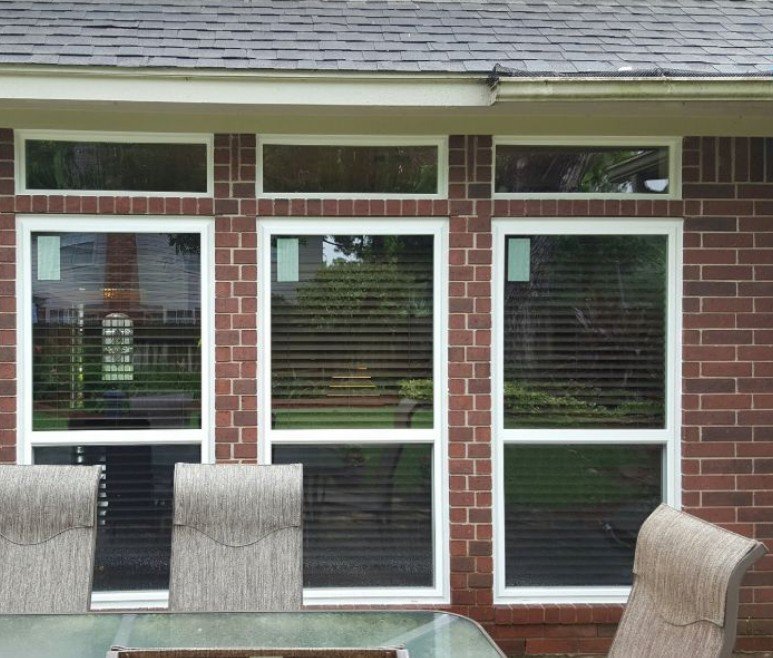
If you are planning a window replacement in Houston, knowing today’s most popular styles helps you choose options that improve both comfort and curb appeal. Modern windows offer better energy performance, cleaner lines, and improved durability, making them an attractive upgrade for any home. Understanding these trends makes it easier to select styles that fit your architecture and long-term goals.

This guide highlights the window designs homeowners love most right now and explains why they’re trending. With the right choices, your window replacement project can instantly refresh your home and boost everyday comfort.

Black-Framed Windows Stay in Style

Black window frames remain one of the most prominent trends. Their bold appearance adds a modern touch and offers a striking contrast against lighter walls or exterior siding. They work well with a variety of architectural styles, including contemporary, industrial, and farmhouse designs.

The sleek lines of black frames help define a space without overwhelming it. Indoors, they act like natural picture frames around your view. Outdoors, they add eye-catching character without needing extra details or trim.

Large Picture Windows for More Light

Homeowners who want more natural light are upgrading to large picture windows. These windows offer wide, unobstructed views and make rooms feel more open and inviting. With slimmer frame designs becoming popular, picture windows bring in more daylight while maintaining a clean, modern look.

Since they don’t open, picture windows are also naturally energy efficient. They work especially well in living rooms, dining rooms, and any space where you want to highlight the outdoors.

Energy-Efficient Windows Lead the Way

Rising energy costs have made efficiency one of the biggest reasons homeowners choose new windows. Double-pane and triple-pane designs reduce heat transfer, helping keep homes cooler in summer and warmer in winter. Low-E glass, which reflects heat without blocking natural light, is becoming a must-have option in hot climates.

Energy-efficient windows are a smart choice for window replacement because they enhance comfort, reduce fading on furniture, and lower energy bills. They offer long-term savings that make the initial investment worthwhile.

Sliding Windows Grow in Popularity

Sliding or gliding windows are trending because they are practical, easy to operate, and ideal for tight spaces. They slide open horizontally, requiring no extra room to swing out, which makes them perfect for kitchens, hallways, and bathrooms.

These windows offer wide views and strong airflow. They also have fewer moving parts than many other styles, which means less maintenance and fewer repairs over time.

Casement Windows Offer Ventilation and Style

Casement windows continue to rise in popularity for their combination of strong airflow and secure sealing. They hinge at the side and open outward, catching breezes more effectively than most window types. When closed, they form a tight seal that improves energy efficiency.

Their clean, simple lines make them a suitable fit for both traditional and modern homes. Casement windows are especially useful in bedrooms and kitchens where controlled ventilation is needed.

Bay and Bow Windows Add Depth and Character

For homeowners looking to add architectural interest, bay and bow windows remain top choices. These windows extend outward from the home, creating additional interior space and a beautiful exterior focal point. They bring in more light and create cozy areas perfect for reading, plants, or decorative seating.

Modern materials make bay and bow windows more durable and insulated than older versions. Their elegant look, paired with today’s efficiency improvements, keeps them trending year after year.

Sound-Reducing Windows Gain Attention

Noise pollution is a growing concern, especially for homes near busy roads, schools, or commercial areas. Sound-reducing windows, often double-pane or triple-pane, help block outside noise and create a quieter living environment.

These windows not only improve comfort but also boost energy efficiency. They have become a popular upgrade for homeowners wanting a peaceful home without sacrificing style.

Smart Windows Appeal to Tech-Loving Homeowners

Smart home technology is becoming more common, and windows are no exception. Smart windows use automated tinting or powered blinds built into the glass to reduce glare, block heat, and increase privacy. Some models connect to home automation systems so you can control them with your phone or voice commands.

While still a higher-end option, smart windows continue to attract attention for their convenience and modern appeal.

Choosing the Right Trend for Your Home

Before choosing a trending style, consider how it complements your home’s architecture. A modern black-framed design may look perfect on a contemporary home, but may clash with a more traditional exterior. Think about your local climate, too. Energy-efficient features like Low-E glass are especially important in warm regions.

Budget and long-term value also matter. Some trends deliver instant visual impact, while others offer ongoing savings or lower maintenance needs. The best window replacement projects strike a balance between appearance, durability, and energy performance.

Conclusion

Window trends continue to evolve, giving homeowners more ways to update their homes with style and function. Whether you’re drawn to bold black frames, expansive picture windows, energy-efficient upgrades, or smart technology, the right design can make a noticeable difference in comfort and appearance. Understanding these trends helps you make informed decisions that enhance your home for years to come.

For expert help choosing and installing the best windows for your home, contact Conservation Construction of Houston for window replacement. Their team provides high-quality materials, skilled installation, and modern solutions designed to improve both performance and curb appeal.
Low-Pressure House Washing: Safe Cleaning for Every Home

power washing company in Grand Rapids

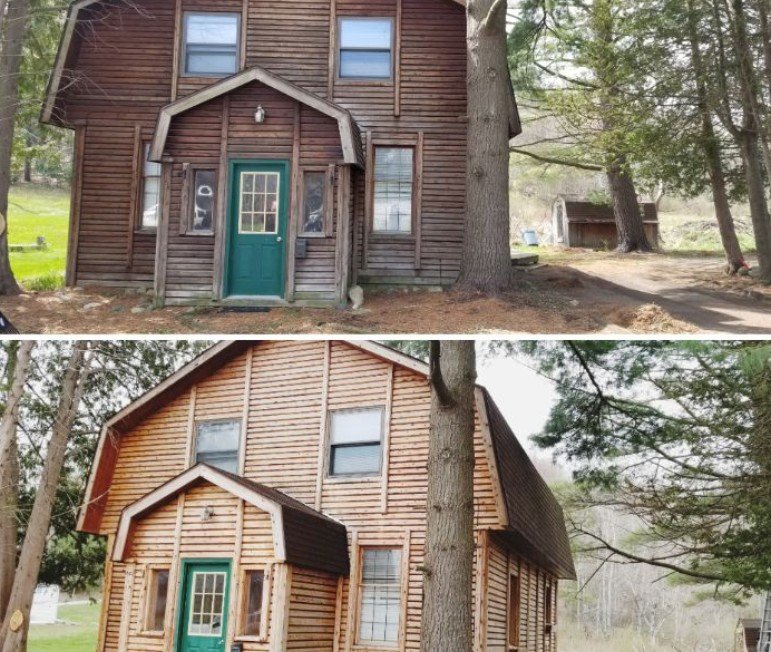
Keeping your home’s exterior clean is one of the simplest ways to preserve its beauty and value. Over time, dirt, algae, and mildew can collect on siding and other surfaces, leaving your property looking dull or aged. The most effective solution for gentle yet thorough cleaning is low-pressure house washing, a method that safely removes buildup without harming paint, siding, or landscaping.

Many homeowners wonder if soft washing is really worth it compared to high-pressure cleaning. The truth is that it offers the same fresh, renewed appearance with none of the risk. For lasting results and professional care, trust our local power washing company in Grand Rapids for reliable cleaning solutions tailored to every type of home exterior.

What Is Low-Pressure House Washing?

Low-pressure house washing, also known as soft washing, combines mild water pressure with specialized cleaning solutions to break down grime and organic growth. Instead of blasting surfaces with high force, the process gently lifts away dirt and stains, protecting your home’s finish.

How It Works

  1. Pre-Treatment: Eco-friendly cleaning solutions are applied to siding to loosen dirt and kill mold or algae.

  2. Gentle Rinse: A low-pressure stream of water washes away debris without damaging the surface.

  3. Final Inspection: Technicians ensure that every area is clean and free from residue or streaks.

This process keeps siding, brick, and painted areas clean without causing chipping, etching, or fading.

Benefits of Low-Pressure House Washing

Choosing low-pressure washing over traditional methods offers several important advantages for homeowners.

Safe for All Surfaces

Vinyl, stucco, wood, and painted finishes can be damaged by high pressure. Soft washing is safe for even the most delicate materials.

Prevents Damage and Costly Repairs

Harsh cleaning methods can strip paint, loosen siding, or force water behind walls. Low-pressure cleaning helps avoid these issues, thereby extending the life of your home’s exterior.

Kills Mold and Mildew at the Source

Cleaning agents used in soft washing do more than remove dirt. They eliminate spores, preventing regrowth for months.

Enhances Curb Appeal

A freshly washed home exterior looks brighter, newer, and more inviting. Regular cleaning maintains a polished look and adds instant curb appeal.

When to Schedule House Washing

Timing can significantly impact the effectiveness of exterior cleaning.

Ideal Seasons for Cleaning

Spring and early summer are the best times to schedule house washing. Removing grime before humidity rises helps keep mold and mildew from spreading.

Signs Your Home Needs Washing

  • Dark streaks or patches on siding

  • Green or black growth near gutters

  • Discoloration on brick or stucco

  • Dull or faded exterior paint

If you notice any of these, it’s time to book a professional cleaning before the buildup worsens.

How Professionals Perform Soft Washing

Professional cleaning teams follow a specific set of steps to achieve spotless, streak-free results while protecting your home.

  1. Inspection: A thorough review of the property identifies problem areas and surface types.

  2. Preparation: Plants, windows, and fixtures are covered to prevent overspray.

  3. Application: Cleaning solutions are evenly sprayed to dissolve dirt and algae.

  4. Rinse: A low-pressure rinse removes contaminants, leaving a clean and uniform finish.

  5. Final Review: Surfaces are checked for any remaining spots or discoloration.

This meticulous process ensures thorough cleaning without damage, even on older homes or delicate materials.

Low-Pressure vs. High-Pressure Washing

While both methods remove dirt and buildup, they use very different techniques.

Low-Pressure Washing

  • Uses mild water pressure and detergents

  • Safe for all siding types and roofing

  • Kills mold and algae instead of spreading them

  • Prevents structural damage and paint loss

High-Pressure Washing

  • Relies on force instead of cleaning agents

  • Can damage surfaces or force water into cracks

  • Provides short-term results without preventing regrowth

Low-pressure house washing remains the preferred method for homeowners who value safety, longevity, and appearance.

How Often Should You Wash Your Home?

Experts recommend washing your home’s exterior every 12 to 18 months. However, homes in shaded or humid areas may benefit from more frequent cleaning to control the growth of mold and mildew. Consistent maintenance helps preserve siding and paint, preventing premature wear.

Environmental and Health Benefits

Soft washing uses biodegradable cleaners that break down naturally, making it safe for your landscaping and the environment. It also reduces allergens, such as mold spores and pollen, thereby improving air quality around your home.

According to EPA.gov, keeping surfaces clean and free from mold or mildew supports better indoor air quality and overall household health.

Why Professional Service Matters

DIY house washing may seem simple, but without the right equipment and cleaning solutions, it can result in uneven surfaces or damage. Professional cleaners use calibrated equipment designed for safe, consistent pressure and environmentally friendly products.

Advantages of Hiring Professionals

  • Correct water pressure for every surface

  • Specialized cleaning agents that protect materials

  • Experienced technicians who prevent damage

  • Time savings and guaranteed results

Conclusion

Your home deserves care that protects both its beauty and structure. With low-pressure house washing, you can maintain a clean, bright, and healthy exterior safely and effectively. For dependable results and expert care, homeowners trust Grand Rapids Power Washing Pros to deliver professional cleaning solutions that leave every surface looking like new.

Transform Your Home with Professional Interior Painting in Cleveland Heights, Ohio

Transform Your Home with Professional Interior Painting in Cleveland Heights, Ohio

When it comes to making your house feel like a home, few upgrades are as effective and transformative as a fresh coat of paint. In Cleveland Heights, Ohio, where the charm of older homes blends with modern updates, interior painting is one of the most popular home improvement projects. Whether you live in a century-old colonial or a contemporary condo, updating your interior walls with new colors can dramatically improve the mood, aesthetics, and even value of your space.

But there’s more to interior painting than just choosing a color and grabbing a brush. If you live in cities like Cleveland, Akron, or their surrounding suburbs, hiring a professional painter can make all the difference in getting long-lasting, high-quality results. Let’s explore how a professional interior paint job can revitalize your home and why it’s especially worthwhile for residents of Cleveland Heights.

Why Interior Painting Matters

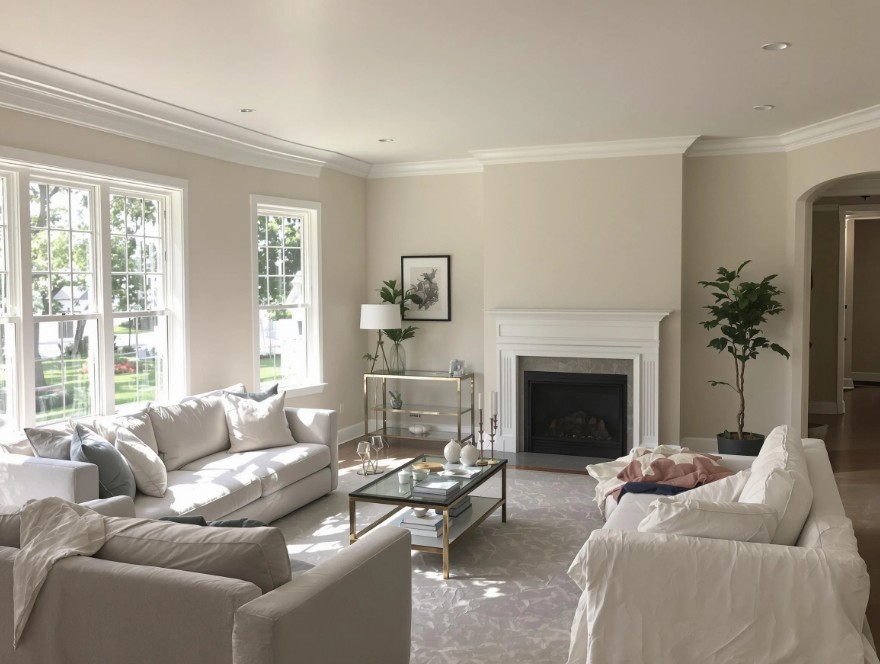
Interior painting is more than just a visual upgrade — it’s a way to express your personality, brighten up dark or outdated rooms, and even improve indoor air quality (if you’re switching from older paints to low-VOC options). In homes across Cleveland Heights, where architectural details like crown molding and hardwood floors are common, the right paint can highlight those features and add elegance to every room.

A professional paint job can also:

  • Protect surfaces: Paint acts as a barrier against moisture, dust, and everyday wear.
  • Boost property value: A freshly painted interior is a strong selling point for potential buyers.
  • Enhance mood: Color psychology is real — blues can calm, yellows can energize, and greens can restore.

Cleveland Heights: A City of Character

One of the things that sets Cleveland Heights apart from other cities in Ohio is its eclectic mix of homes. From Tudor-style houses to Craftsman bungalows, this suburb is rich in character. And with that charm comes the need for special care when it comes to interior updates.

Unlike newer builds found in some neighborhoods of Akron, homes in Cleveland Heights often require extra preparation before painting — from repairing plaster walls to navigating intricate woodwork. Local professional painters are well-versed in the quirks of older homes and know how to handle everything from lead-safe practices to custom color matching for historic palettes.

Choosing the Right Color Palette

Color trends may come and go, but your personal style should be the foundation of your paint choices. Still, it doesn’t hurt to be aware of what’s popular. In Cleveland and Akron, many homeowners are embracing earthy tones, deep navy blues, and warm neutrals — shades that both modernize a space and maintain a cozy Midwestern feel.

Here are some trending ideas for different rooms:

  • Living Rooms: Warm greige, soft taupe, or a rich olive green can create a welcoming atmosphere.
  • Kitchens: Crisp whites or soft blues can brighten up the heart of your home.
  • Bedrooms: Deep blues or calming greens offer a restful retreat.
  • Bathrooms: Soft grays or spa-inspired mint tones are always a hit.

Finding the Right Painter in Cleveland Heights

Hiring a professional ensures your interior paint job not only looks beautiful but also lasts. In cities like Cleveland and Akron, there are countless painting contractors, but not all offer the same level of service. When choosing a painter in Cleveland Heights, look for the following:

  • Local experience: They should be familiar with the architectural styles and weather-related wear typical of Northeast Ohio homes.
  • Customer reviews: Online testimonials or word-of-mouth referrals can tell you a lot about a contractor’s reliability.
  • Detailed estimates: A professional painter will offer a written quote, timeline, and outline of services.
  • Proper licensing and insurance: Protect yourself from liability and ensure high standards.

Final Thoughts

A fresh coat of paint can breathe new life into your home, especially in a community as vibrant and diverse as Cleveland Heights, Ohio. Whether you’re preparing to sell or simply want to love where you live a little more, interior painting is a smart investment.

Residents in cities like Cleveland and Akron understand the importance of maintaining and enhancing their homes, and with so many skilled painters in the area, it’s easier than ever to get professional results that reflect your personal style and add value to your space.

So if you’re ready to reimagine your interiors, there’s no better time to start. Pick your palette, call in the pros, and watch your home transform — one brushstroke at a time.

The Benefits of Professional Waterproofing for Homes

The Benefits of Professional Waterproofing for Homes

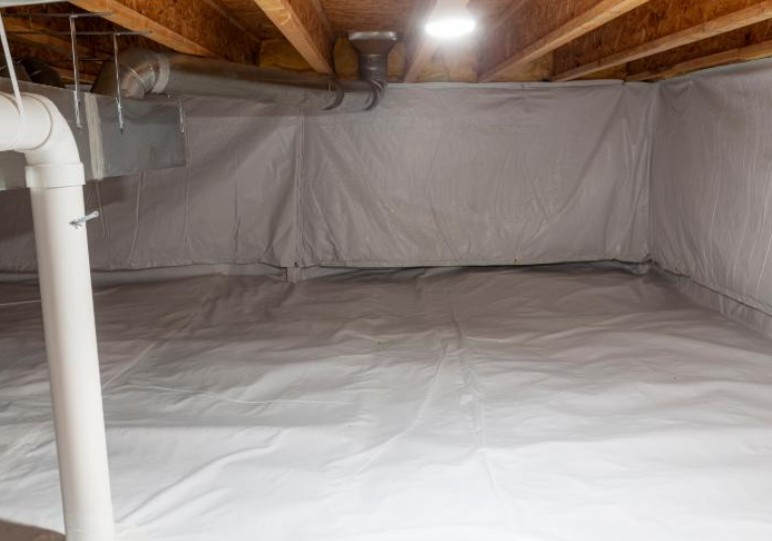
Water damage is one of the most common and costly issues homeowners face. Whether it’s a leaky basement, damp crawl space, or water stains along the foundation, moisture problems can impact your home’s safety, value, and comfort. While some minor fixes may be manageable for DIYers, professional waterproofing offers long-term protection beyond surface-level repairs.

If you’re considering waterproofing in Fishers, understanding the full range of benefits can help you make a smart investment in your property. From health protection to structural integrity, waterproofing is a solution that pays off in more ways than one.

Why Waterproofing Matters

Moisture that seeps into your home doesn’t just disappear. It can lead to mold growth, structural decay, foundation shifting, and even pest infestations. Over time, this kind of damage compromises the safety and value of your house. Waterproofing tackles the root cause by keeping water out in the first place, protecting your investment from the ground up.

Many homeowners in Fishers turn to professional waterproofing services after noticing issues like a musty odor, water pooling in the basement, or visible cracks in the foundation. If you’ve experienced any of these, it’s time to look into waterproofing in Fishers for long-term peace of mind.

1. Protects Structural Integrity

Water can weaken the structure of your home over time. As moisture enters cracks or porous materials, it can erode concrete, warp wood framing, and cause metal supports to rust. This leads to issues like bowed basement walls, sagging floors, and shifting foundations.

Professional waterproofing strengthens your home by sealing the water before it reaches structural elements. It may involve installing vapor barriers, exterior membranes, sump pumps, or drainage systems, all working together to keep your home dry and sound.

2. Reduces Mold and Mildew

Mold thrives in moist, dark environments, like a damp basement or crawl space. Once mold takes hold, it can spread quickly through walls, insulation, and air ducts. Not only does this create an unpleasant smell, but it can also trigger allergies and respiratory problems for the people living in your home.

By eliminating the moisture source, waterproofing significantly lowers the risk of mold growth. Professional waterproofing contractors use materials that resist water and mold buildup, ensuring cleaner, healthier air in your home.

3. Improves Indoor Air Quality

The air in your basement or crawl space doesn’t stay there, it circulates through your home. If that space is filled with damp air or mold spores, it can impact the air quality throughout your living areas. Poor ventilation, combined with moisture, leads to musty smells, allergy symptoms, and even visible dust buildup, clear signs that your indoor environment isn’t as healthy as it should be.

With proper waterproofing and improved ventilation, the lower levels of your home stay dry and clean, which helps maintain healthier air throughout the house. This is especially important for families with young children, elderly residents, or anyone with asthma or allergies.

4. Prevents Costly Repairs

Water damage isn’t just unpleasant, it’s expensive. Foundation repairs, mold remediation, and replacing damaged flooring or drywall can add up quickly. Homeowners can avoid major renovation costs by addressing moisture problems early with professional waterproofing.

In many cases, proactive waterproofing can extend the life of other systems in your home, too, such as HVAC, plumbing, and electrical components, all of which are vulnerable to moisture.

5. Increases Property Value

A dry, well-maintained basement or crawl space is a big selling point for potential buyers. When buyers see waterproofing systems in place, it gives them peace of mind about the home’s condition and reduces the risk of last-minute surprises during inspection.

Homes free of moisture problems are more appealing and often fetch higher offers. Waterproofing can make your home stand out in competitive real estate markets like Fishers.

When to Consider Waterproofing

Not sure if you need professional waterproofing? Here are some common signs that it’s time to take action:

  • Water stains on basement walls or floors
  • Musty odors in the basement or crawl space
  • Visible mold or mildew
  • Cracks in walls or floors
  • Damp insulation or warped wood
  • Flooding after heavy rain

Even if your basement has never flooded, small leaks or condensation can be warning signs of a growing issue. A professional inspection can help you determine the best waterproofing approach based on your home’s needs.

DIY vs. Professional Waterproofing

While some homeowners attempt waterproofing with sealants or store-bought drainage mats, these fixes rarely offer long-term results. Professional waterproofing services use industrial-grade materials and proven techniques tailored to your home and soil conditions.

Trained contractors also have access to tools and expertise that make the job faster, safer, and more effective. Hiring a professional provides the greatest value and the longest-lasting protection for most homeowners.

Conclusion

Waterproofing is one of the smartest home improvements you can make. It protects your home’s structure, improves your air quality, reduces mold, and boosts your property value while saving you from costly future repairs.

If you’re considering waterproofing in Fishers, now is the time to act. Contact the Dayton Basement Waterproofing Experts team for a professional assessment and a custom plan to keep your home dry, safe, and protected year-round.

Garage Door Opener Repair and Maintenance: Your Ultimate Guide

Garage Door Opener Repair and Maintenance - Your Ultimate Guide

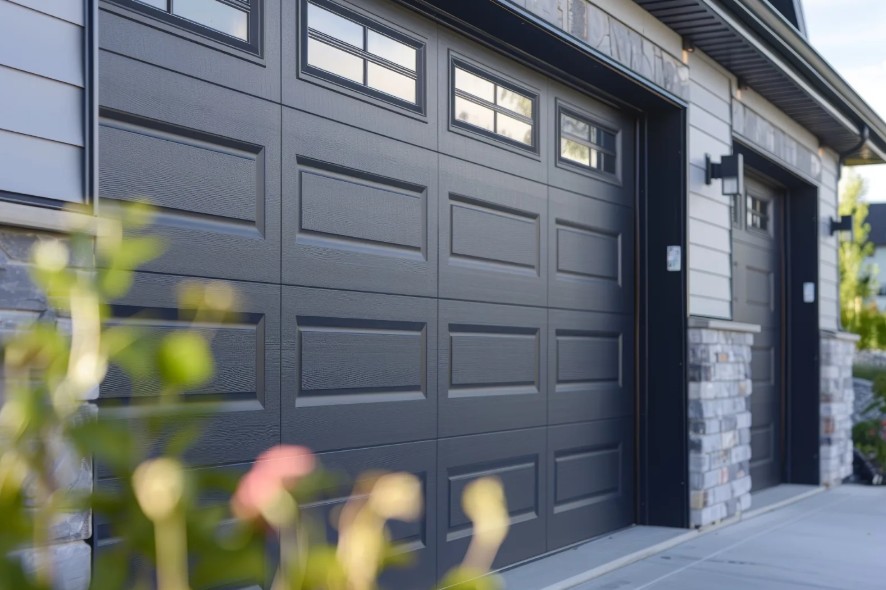
When your garage door opener malfunctions, it can disrupt your daily routine and compromise home security. Whether you need garage door opener repair, replacement parts, or a reliable garage door repair near me service, this guide covers everything you need to know.

Common Garage Door Opener Problems

A faulty garage door opener can result from various issues, including:

  • Motor Failure– If the motor burns out, the opener won’t function.
  • Broken Gears– Worn-out gears can prevent the door from moving.
  • Remote Control Issues– Dead batteries or signal interference may be the culprit.
  • Misaligned Sensors– Safety sensors must align properly for the door to operate.
  • Chain or Belt Problems– A loose or broken chain/belt affects movement.

If you notice unusual noises, slow operation, or complete failure, it’s time for garage door opener repair.

DIY Garage Door Opener Repair Tips

Before calling a professional, try these fixes:

  1. Check Power Supply– Ensure the opener is plugged in and the circuit breaker hasn’t tripped.
  2. Replace Batteries– If the remote isn’t working, swap out the batteries.
  3. Inspect Sensors– Clean and realign the safety sensors near the floor.
  4. Lubricate Moving Parts– Apply garage door lubricant to rollers, chains, and hinges.
  5. Reset the Opener– Some models have a reset button to restore functionality.

For more complex issues like motor or gear replacement, consider hiring a garage door repair near me expert.

Essential Garage Door Opener Parts

If your opener needs replacement parts, here are the most common components:

  • Drive Motor– Powers the lifting mechanism.
  • Gear and Sprocket Assembly– Transfers motor power to the chain/belt.
  • Circuit Board– Controls opener functions.
  • Remote Controls & Keypads– Wireless entry devices.
  • Safety Sensors– Prevent the door from closing on obstructions.
  • Rollers and Hinges– Ensure smooth door movement.

Always buy high-quality garage door opener parts compatible with your model (e.g., LiftMaster, Chamberlain, Genie).

When to Call a Professional for Garage Door Repair

While DIY fixes can help, some situations require expert attention:

  • Motor Replacement– Installing a new motor is complex and often requires professional tools.
  • Broken Springs– High-tension springs are dangerous to handle without training.
  • Persistent Issues– If problems recur, a technician can diagnose underlying causes.

Searching for garage door repair near me will help you find licensed, insured technicians for safe and efficient service.

Choosing the Right Garage Door Repair Service

When selecting a repair company, consider:

✔ Experience & Reputation – Read reviews and check years in business.
✔ Licensing & Insurance – Ensures quality work and liability coverage.
✔ Warranty Offerings – Reputable companies guarantee their repairs.
✔ Emergency Services – Some providers offer 24/7 assistance.

A quick search for garage door repair near me will yield local options—compare quotes before deciding.

Preventive Maintenance for Garage Door Openers

Extend your opener’s lifespan with these tips:

✅ Monthly Inspections – Check for loose bolts, worn parts, and alignment issues.
✅ Lubricate Regularly – Keep chains, screws, and rollers well-oiled.
✅ Test Safety Features – Ensure sensors reverse the door when obstructed.
✅ Keep It Clean – Dust and debris can affect performance.

Routine care reduces the need for garage door opener repair and costly replacements.

Final Thoughts

Whether you need garage door opener parts, troubleshooting tips, or professional garage door repair near me services, addressing issues early saves time and money. For complex repairs, always rely on certified technicians to ensure safety and functionality.

The Ultimate Guide to Choosing and Maintaining a Wood Fence

The Ultimate Guide to Choosing and Maintaining a Wood Fence

wood fence is a timeless and versatile option for homeowners looking to enhance their property’s privacy, security, and curb appeal. Whether you’re considering installing a new fence or maintaining an existing one, understanding the benefits, types, and care tips for wood fences is essential. In this comprehensive guide, we’ll explore everything you need to know about wood fences, from material choices to installation and maintenance.

Why Choose a Wood Fence?

wood fence offers several advantages that make it a popular choice among homeowners:

  • Natural Aesthetic Appeal– Wood provides a warm, classic look that complements various architectural styles.
  • Customizable Design– You can stain, paint, or leave the wood in its natural state for a personalized touch.
  • Durability– With proper maintenance, a wood fence can last for decades.
  • Privacy & Security– Solid wood panels create an effective barrier against intruders and nosy neighbors.
  • Eco-Friendly Option– Wood is a renewable resource, making it an environmentally friendly choice.

Types of Wood Fences

When selecting a wood fence, you’ll encounter different styles and wood types. Here are the most common options:

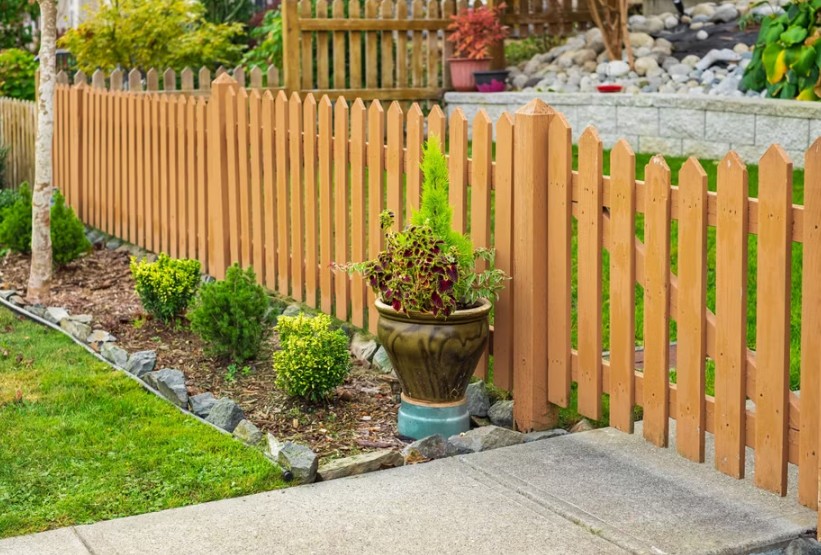
  1. Picket Fence

A classic choice for front yards, picket fences feature evenly spaced vertical boards with pointed or rounded tops. They offer a charming, decorative look rather than full privacy.

  1. Privacy Fence

Designed to block visibility, privacy fences use tall, tightly spaced panels (often 6-8 feet high). Popular styles include board-on-board and stockade fences.

  1. Split Rail Fence

Common in rural areas, split rail fences consist of horizontal wooden rails fitted into vertical posts. They provide a rustic, open look ideal for large properties.

  1. Lattice Fence

Lattice fences feature crisscrossed wood strips, offering partial privacy while allowing light and airflow. They’re often used as garden or deck accents.

  1. Shadowbox Fence

This style alternates fence panels on either side of the rails, creating a semi-private yet visually appealing design that allows some airflow.

Best Wood Types for Fencing

The longevity and appearance of your wood fence depend on the type of wood you choose. Here are the most common options:

  • Cedar– Naturally resistant to rot, insects, and warping. It has a beautiful reddish-brown hue that weathers to a silvery gray.
  • Redwood– Durable and insect-resistant, but more expensive. It offers a rich, natural color.
  • Pressure-Treated Pine– Affordable and treated to resist decay and pests. Requires staining or sealing for longevity.
  • Spruce or Fir– Budget-friendly but less durable. Best for dry climates and requires regular maintenance.

Installing a Wood Fence: Key Steps

Proper installation ensures your wood fence stands strong for years. Follow these essential steps:

  1. Plan & Measure
  • Check local zoning laws and HOA regulations.
  • Mark property lines and obtain necessary permits.
  • Measure the perimeter to determine materials needed.
  1. Gather Materials & Tools

You’ll need:

  • Fence panels or lumber
  • Posts, rails, and fasteners
  • Concrete (for setting posts)
  • Level, post-hole digger, and saw
  1. Set the Posts
  • Dig holes (about 1/3 the post’s height).
  • Place posts in concrete and ensure they’re level.
  • Allow concrete to cure (24-48 hours).
  1. Attach Rails & Panels
  • Install horizontal rails between posts.
  • Secure fence panels or vertical pickets.
  • Ensure even spacing and alignment.
  1. Apply Finishing Touches
  • Sand rough edges.
  • Stain, paint, or seal the wood for protection.

Maintaining Your Wood Fence

To extend the life of your wood fence, follow these maintenance tips:

  • Regular Cleaning– Use a mild detergent and water to remove dirt and mildew.
  • Staining/Sealing– Apply a protective sealant every 2-3 years to prevent moisture damage.
  • Inspecting for Damage– Check for loose boards, rot, or insect infestations and repair promptly.
  • Trimming Vegetation– Keep plants and vines away to prevent moisture retention and wood decay.

Conclusion

wood fence is an excellent investment for enhancing privacy, security, and aesthetic appeal. By selecting the right type of wood, following proper installation techniques, and maintaining it regularly, your fence will remain sturdy and beautiful for years to come. Whether you prefer the classic charm of a picket fence or the solid privacy of a board-on-board design, a wood fence offers endless possibilities to suit your home’s needs.