
The Ultimate Guide to Choosing and Maintaining a Wood Fence

The Ultimate Guide to Choosing and Maintaining a Wood Fence

wood fence is a timeless and versatile option for homeowners looking to enhance their property’s privacy, security, and curb appeal. Whether you’re considering installing a new fence or maintaining an existing one, understanding the benefits, types, and care tips for wood fences is essential. In this comprehensive guide, we’ll explore everything you need to know about wood fences, from material choices to installation and maintenance.

Why Choose a Wood Fence?

wood fence offers several advantages that make it a popular choice among homeowners:

  • Natural Aesthetic Appeal– Wood provides a warm, classic look that complements various architectural styles.
  • Customizable Design– You can stain, paint, or leave the wood in its natural state for a personalized touch.
  • Durability– With proper maintenance, a wood fence can last for decades.
  • Privacy & Security– Solid wood panels create an effective barrier against intruders and nosy neighbors.
  • Eco-Friendly Option– Wood is a renewable resource, making it an environmentally friendly choice.

Types of Wood Fences

When selecting a wood fence, you’ll encounter different styles and wood types. Here are the most common options:

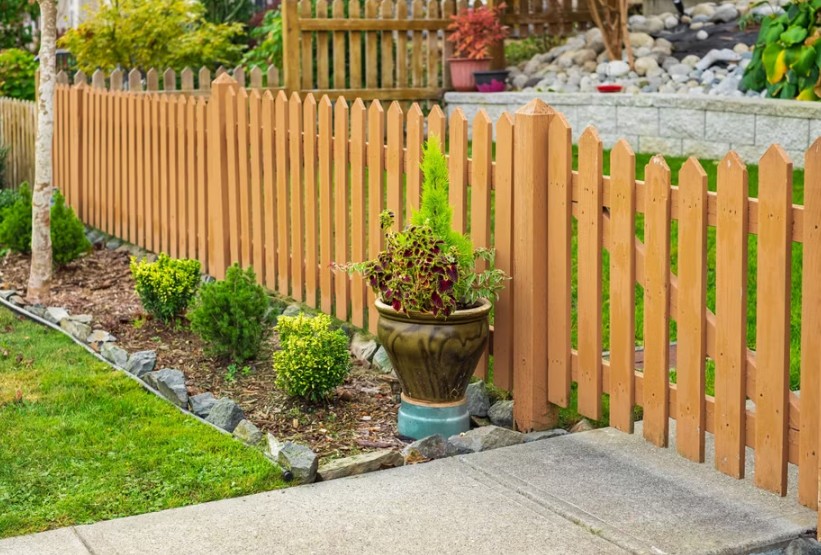
  1. Picket Fence

A classic choice for front yards, picket fences feature evenly spaced vertical boards with pointed or rounded tops. They offer a charming, decorative look rather than full privacy.

  1. Privacy Fence

Designed to block visibility, privacy fences use tall, tightly spaced panels (often 6-8 feet high). Popular styles include board-on-board and stockade fences.

  1. Split Rail Fence

Common in rural areas, split rail fences consist of horizontal wooden rails fitted into vertical posts. They provide a rustic, open look ideal for large properties.

  1. Lattice Fence

Lattice fences feature crisscrossed wood strips, offering partial privacy while allowing light and airflow. They’re often used as garden or deck accents.

  1. Shadowbox Fence

This style alternates fence panels on either side of the rails, creating a semi-private yet visually appealing design that allows some airflow.

Best Wood Types for Fencing

The longevity and appearance of your wood fence depend on the type of wood you choose. Here are the most common options:

  • Cedar– Naturally resistant to rot, insects, and warping. It has a beautiful reddish-brown hue that weathers to a silvery gray.
  • Redwood– Durable and insect-resistant, but more expensive. It offers a rich, natural color.
  • Pressure-Treated Pine– Affordable and treated to resist decay and pests. Requires staining or sealing for longevity.
  • Spruce or Fir– Budget-friendly but less durable. Best for dry climates and requires regular maintenance.

Installing a Wood Fence: Key Steps

Proper installation ensures your wood fence stands strong for years. Follow these essential steps:

  1. Plan & Measure
  • Check local zoning laws and HOA regulations.
  • Mark property lines and obtain necessary permits.
  • Measure the perimeter to determine materials needed.
  1. Gather Materials & Tools

You’ll need:

  • Fence panels or lumber
  • Posts, rails, and fasteners
  • Concrete (for setting posts)
  • Level, post-hole digger, and saw
  1. Set the Posts
  • Dig holes (about 1/3 the post’s height).
  • Place posts in concrete and ensure they’re level.
  • Allow concrete to cure (24-48 hours).
  1. Attach Rails & Panels
  • Install horizontal rails between posts.
  • Secure fence panels or vertical pickets.
  • Ensure even spacing and alignment.
  1. Apply Finishing Touches
  • Sand rough edges.
  • Stain, paint, or seal the wood for protection.

Maintaining Your Wood Fence

To extend the life of your wood fence, follow these maintenance tips:

  • Regular Cleaning– Use a mild detergent and water to remove dirt and mildew.
  • Staining/Sealing– Apply a protective sealant every 2-3 years to prevent moisture damage.
  • Inspecting for Damage– Check for loose boards, rot, or insect infestations and repair promptly.
  • Trimming Vegetation– Keep plants and vines away to prevent moisture retention and wood decay.

Conclusion

wood fence is an excellent investment for enhancing privacy, security, and aesthetic appeal. By selecting the right type of wood, following proper installation techniques, and maintaining it regularly, your fence will remain sturdy and beautiful for years to come. Whether you prefer the classic charm of a picket fence or the solid privacy of a board-on-board design, a wood fence offers endless possibilities to suit your home’s needs.

The Ultimate Guide to Creating a Beautiful Fence Garden

Creating a fence garden is like painting a masterpiece around the borders of your yard. It’s a blend of nature and structure, offering both beauty and functionality. If you’re looking to transform your outdoor space, a fence garden might be just the ticket. Let’s dive into how you can create your very own fence garden.

The Charm of a Fence Garden

There’s something uniquely enchanting about a fence garden. It frames your outdoor space, offering a backdrop that highlights the plants and flowers within. Not only does it provide aesthetic appeal, but it also serves practical purposes such as privacy and protection.

Why Choose a Fence Garden?

Why opt for a fence garden? The reasons are plentiful. A well-designed fence garden enhances curb appeal, provides a habitat for wildlife, and can even act as a windbreak. Plus, it’s a fantastic way to make the most of limited space.

Planning Your Fence Garden

Assessing Your Space

Before you start digging, take a good look at your yard. Measure the area you plan to use and note the amount of sunlight it receives. This will help you choose the right plants and design for your fence garden.

Determining the Purpose of Your Garden

What do you want from your fence garden? Privacy, beauty, a wind barrier, or maybe a mix of all three? Defining its purpose will guide your design choices and plant selections.

Choosing the Right Fence

Types of Fences

From wooden panels to metal railings, the type of fence you choose will set the tone for your garden. Wooden fences offer a rustic charm, while metal or vinyl options can provide a modern touch.

Materials for Your Fence

The material of your fence should align with your aesthetic goals and maintenance preferences. Wood, while classic, may require more upkeep compared to vinyl or metal.

Designing Your Fence Garden

Aesthetic Considerations

Think about color schemes, plant heights, and textures. A cohesive design can make your fence garden a visual delight. Consider mixing flowering plants with evergreens for year-round interest.

Functional Aspects

Your fence garden should not only look good but also function well. Ensure there’s enough space for plants to grow and for you to perform maintenance tasks. Consider the growth habits of your plants to avoid overcrowding.

Selecting Plants for Your Fence Garden

Climbers and Vines

Climbing plants like ivy, clematis, and honeysuckle are perfect for fence gardens. They add vertical interest and can cover unsightly areas of the fence.

Shrubs and Small Trees

For a more substantial look, incorporate shrubs and small trees. Boxwood, hydrangea, and lilac are excellent choices that provide structure and seasonal blooms.

Flowers and Perennials

Don’t forget the flowers! Perennials such as lavender, daisies, and coneflowers bring color and attract pollinators.

Installing the Fence

Preparing the Ground

Clear the area of any debris and level the ground. Mark out where the fence posts will go, ensuring they are evenly spaced.

Step-by-Step Installation Guide

  1. Dig Holes for Posts: Each hole should be about a third of the post’s height.
  2. Set Posts in Concrete: Ensure they are straight and allow the concrete to set.
  3. Attach Panels or Rails: Secure them to the posts, checking for level alignment.
  4. Finishing Touches: Add caps to the posts and paint or stain if desired.

Planting Your Fence Garden

Soil Preparation

Good soil is the foundation of a thriving garden. Mix in compost or organic matter to enrich the soil and improve drainage.

Planting Techniques

Follow the specific planting instructions for each type of plant. Generally, you’ll want to dig a hole twice the size of the root ball, place the plant, and fill in with soil.

Maintaining Your Fence Garden

Watering and Feeding

Regular watering is crucial, especially during dry spells. Use mulch to retain moisture and feed your plants with a balanced fertilizer.

Pruning and Training

Keep your plants in check with regular pruning. Train climbers to follow the fence lines using ties or trellises.

Seasonal Care Tips

Spring and Summer

Spring is the time for planting and pruning. Summer requires vigilant watering and pest control.

Fall and Winter

In fall, prepare your garden for the colder months by mulching and cutting back perennials. Winter is a quieter period but keep an eye on any damage to the fence or plants.

Decorative Elements for Fence Gardens

Garden Art and Accessories

Incorporate garden art such as sculptures, birdhouses, or wind chimes. These can add personality and charm to your fence garden.

Lighting Ideas

Outdoor lighting can enhance the beauty of your fence garden at night. Consider solar lights, string lights, or lanterns.

Sustainable Practices

Eco-Friendly Materials

Choose sustainable materials for your fence and garden. Reclaimed wood or recycled metal are great options.

Water Conservation Tips

Install a drip irrigation system to minimize water usage. Collect rainwater in barrels for a free and sustainable water source.

DIY Projects for Your Fence Garden

Homemade Trellises and Supports

Get creative with DIY trellises made from branches or recycled materials. They’re perfect for supporting climbers and adding a rustic touch.

Upcycled Planters

Use old containers, pallets, or even tires as planters. Upcycling is eco-friendly and adds unique character to your garden.

Safety Considerations

Safe Use of Tools

Always use garden tools safely. Wear gloves and eye protection, and ensure your tools are in good condition.

Child and Pet Safety

If you have children or pets, choose non-toxic plants and secure any hazardous materials.

Common Problems and Solutions

Pest Control

Use natural pest repellents and encourage beneficial insects to keep pests in check.

Dealing with Plant Diseases

Monitor your plants regularly for signs of disease. Remove affected parts immediately and use organic treatments when necessary.

Conclusion

A fence garden is more than just a border; it’s a living, breathing part of your home. With thoughtful planning and regular maintenance, it can become a beautiful sanctuary. So, grab your tools and get started on creating your very own fence garden today!

FAQs

What are the best plants for a fence garden?

The best plants for a fence garden include climbers like ivy and clematis, shrubs such as hydrangea, and perennials like lavender and daisies.

How do I choose the right fence for my garden?

Consider the style, material, and purpose of the fence. Wooden fences offer a classic look, while vinyl or metal may require less maintenance.

What maintenance does a fence garden require?

Regular watering, feeding, pruning, and pest control are essential. Seasonal care includes preparing plants for winter and refreshing the garden in spring.

Can I create a fence garden in a small space?

Absolutely! Use vertical space with climbers and opt for compact plants. Container gardening is also a great option for small spaces.

How do I deal with pests in my fence garden?

Encourage beneficial insects, use natural repellents, and keep your garden clean to prevent pest infestations.

50 Functional Privacy Fence Ideas That Look Great in Your Yard | Architectural Digest

Your dwelling ought to be the spot where you feel the most peaceful, but without some privacy fence ideas it’s challenging to genuinely unwind if you experience like you’ve obtained undesired eyes peeking above your shoulder. “Privacy fencing, possibly along a home line or about a certain area in your back garden, generates a sense of sanctuary, seclusion, and peacefulness,” states Janice Parker, a landscape architect centered in Greenwich, Connecticut. “A garden need to, at its ideal, connect us to character, and this is less complicated to do when you can unwind in a tranquil setting. Concealed locations, designed with privacy screening, develop a sense of thriller, as you do not see all of the backyard at the moment. Secret tends to make a good backyard garden!”

Luckily, intelligent retaining wall suggestions and privacy fence strategies (some are even Do it yourself landscaping layouts) can guarantee your backyard is the secluded oasis you want it to be. “A privacy fence does all the perform of a normal fence—indicating boundaries and preserving folks and animals in or out—while also blocking sights into the property,” states Kevin Lenhart, a landscape designer and design director at Yardzen, 1 of the nation’s largest on line landscape platforms.

Listed here, a information to creating yard landscaping and a privateness fence—whether you use a pergola or a trellis—to hold onlookers out and a peace of mind in.

Are privateness fences a great concept?

“From an ecological and purely natural place of check out, privateness fences are the least fascinating factor in the landscape,” states Jonathan Fargion, a landscape designer primarily based in New York Metropolis. This does not imply privateness fences are necessarily a bad notion, just that there are a number of considerations to take into account right before finding started.

Privateness fences reduce the land into loads, which can be problematic for the bugs, bugs, and other wildlife that reside there. “As a rule of thumb, fences should really be at least two inches off the ground to permit critters the liberty to move between houses,” Fargion points out. In standard, he claims privacy fences make the most sense on compact qualities, like town home gardens. For greater yards, he suggests producing use of normal greenery, like trees, to retain undesirable eyes from infiltrating your place.

How tall can I make my privacy fence?

Fences that are six feet tall need to block most views from the ground stage. “I’d recommend not going any taller than you have to, equally to preserve on charges and to limit the shrinking, enclosing result fences can have on a area,” Lenhart says. If you do want added top, he indicates adding 12 to 18 inches of lattice on the top rated of a fence, which will increase privacy while reducing the visual impression of a taller fence. If you opt for a organic privateness hedge, these can be a great deal taller and usually go up to 12 toes.

What is the ideal style of privateness fence?

The very best privacy fence will rely on each and every homeowner’s plans for the fence and their property. “By necessity, privacy fences should obscure sight strains,” Lenhart suggests. For this motive, lots of privateness fences are designed from solid wooden and designed to be fully opaque. If the objective is to have total seclusion, something stable without any gaps would most likely be the greatest option.

There are also fences that are a minor much more open and provide breathability in a place. “Obviously, a privacy fence fails if you can plainly see through it, but there’s a gradient with which designers can perform,” Lenhart notes. In these cases, he claims the objective is to incorporate gaps that are substantial enough to be obvious, but small enough to avoid a apparent check out. “The homeowner’s fashion and priorities will dictate the distinct fence structure to use on a supplied undertaking,” Lenhart explains.