

Lynn Castle never knew what the late John Fairey would pull from under his bed, dig from his closets or retrieve from the rafters when she visited his home near Hempstead.
Fairey famously collected many rare botanical specimens from remote areas of Mexico during a few decades of plant hunting that began in the late 1980s. Over time, the acres he cultivated with those finds evolved into one of the world’s great conservation gardens.
And plants weren’t all Fairey brought home. He was just as obsessed with Mexican folk art, amassing more than 600 pieces — way more than the private gallery next to his home could hold. When he donated those objects in 2017 to the Art Museum of Southeast Texas, Castle — the museum’s director — made at least 10 van trips from Beaumont to retrieve them. “Every time we showed up, he had found more,” she says. “It was always a surprise.”
Fairey’s collection includes masks from Guerrero, ceramics from Puebla and a number of unusual tree of life miniatures. Thanks to his gift, Mexican folk art now accounts for more than a quarter of the Beaumont museum’s holdings. “John was impressed with our educational programs, and he wanted his collection to be accessible to the public,” Castle says.
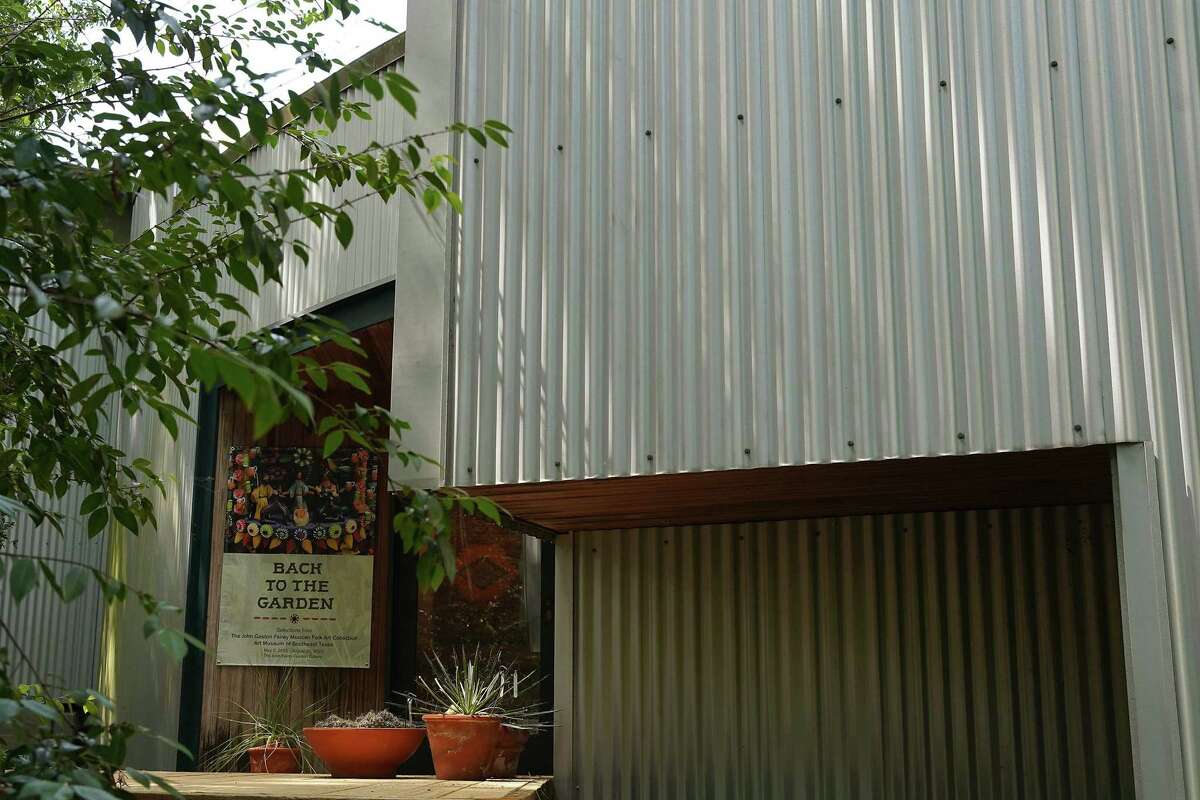
Then, in spite of failing health, Fairey began filling his home gallery again. He made his last trip to Mexico in late 2021, a few months before he died. Some of his final purchases are on view this summer in the special exhibition, “Back to the Garden,” at the John Fairey Garden in Hempstead, which also invites the public for the first time into Fairey’s gallery.
This is a carousel. Use Next and Previous buttons to navigate
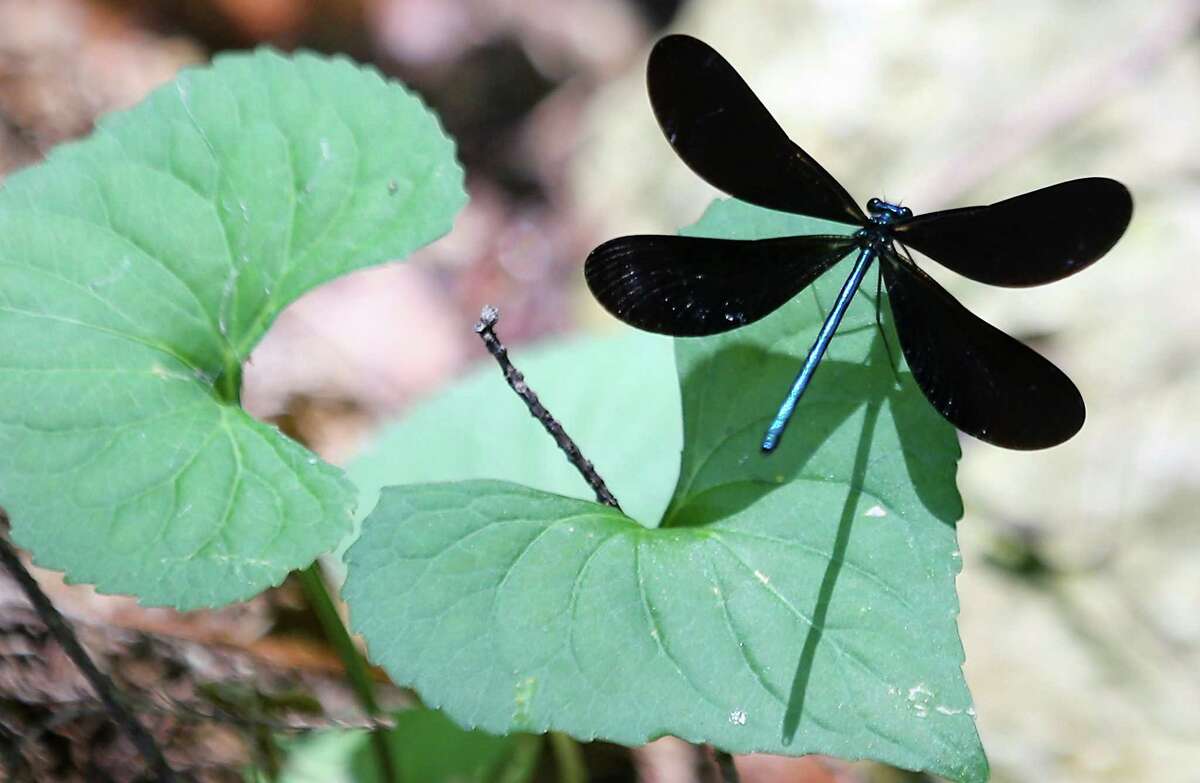
An ebony jewelwing dragonfly rests on a leaf at the John Fairey Garden on Tuesday, May 17, 2022 in Hempstead.
Elizabeth Conley, Houston Chronicle / Staff photographer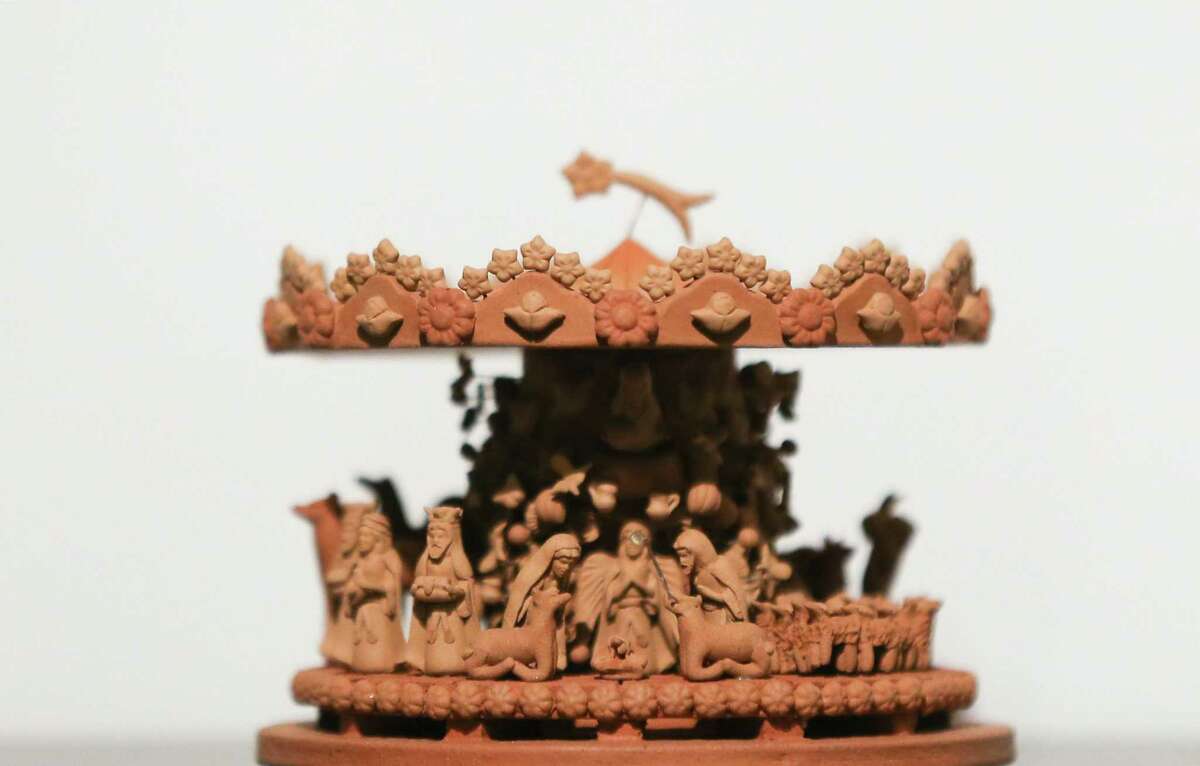
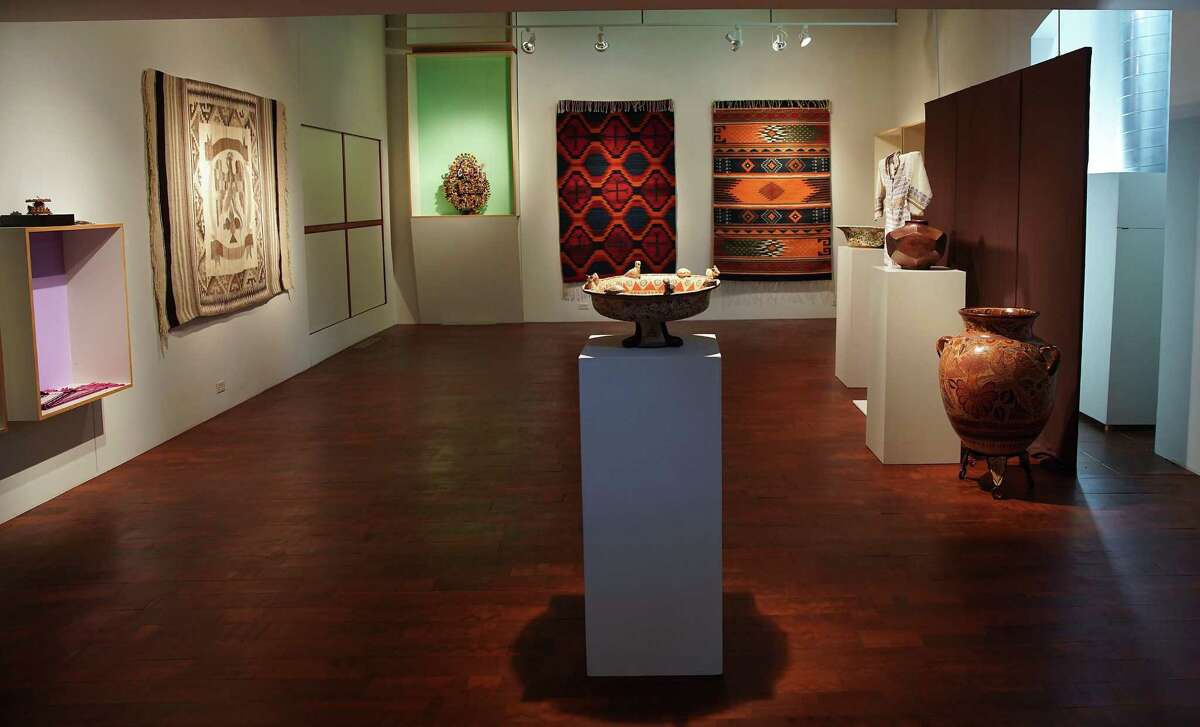
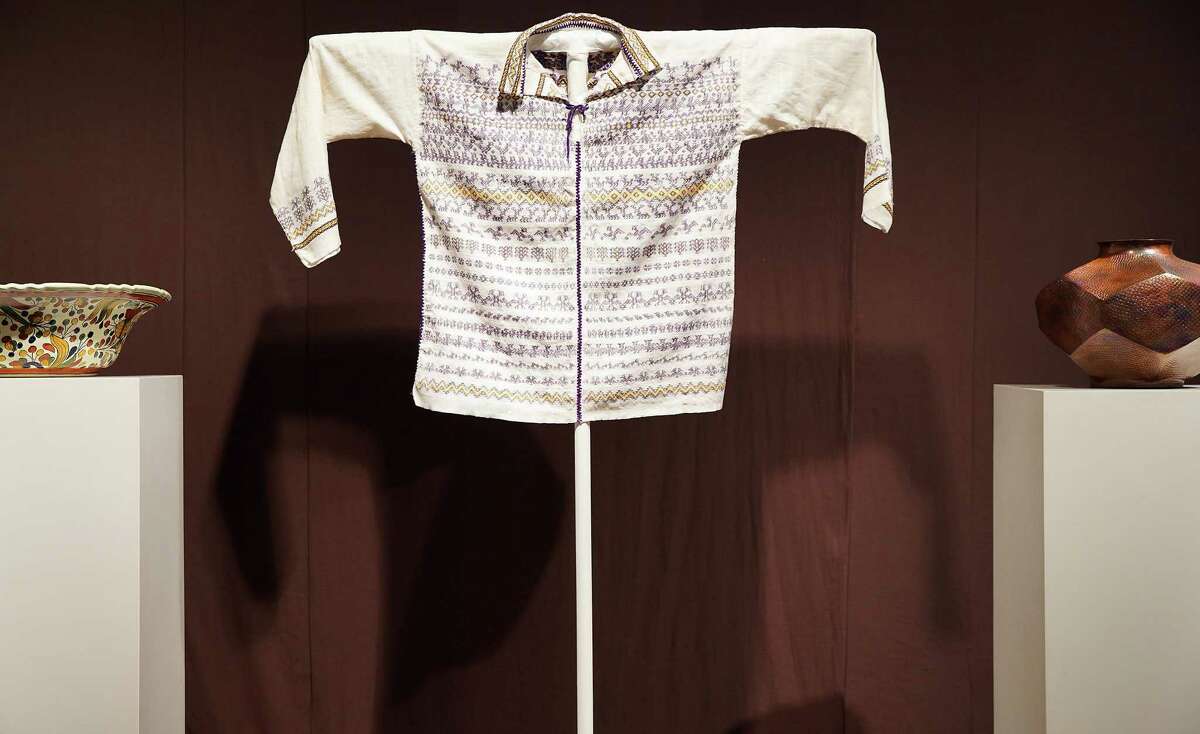
Textiles and clay, the collection’s strong suits, comprise most of the show. While Fairey befriended Mexican dealers who helped him locate works, he loved the thrill of discovering folk art as much as he did finding plants previously unknown to science. “As time went by, he went deeper and deeper into Mexico,” Castle says. “And he went out and met artists.”
The localized traditions of Mexican folk art developed in villages where artisans work in specific mediums. Oaxaca, a mecca of such villages, is well represented in the intimate show. About 30 works are on view. While that doesn’t sound like much, they’re not a quick study.
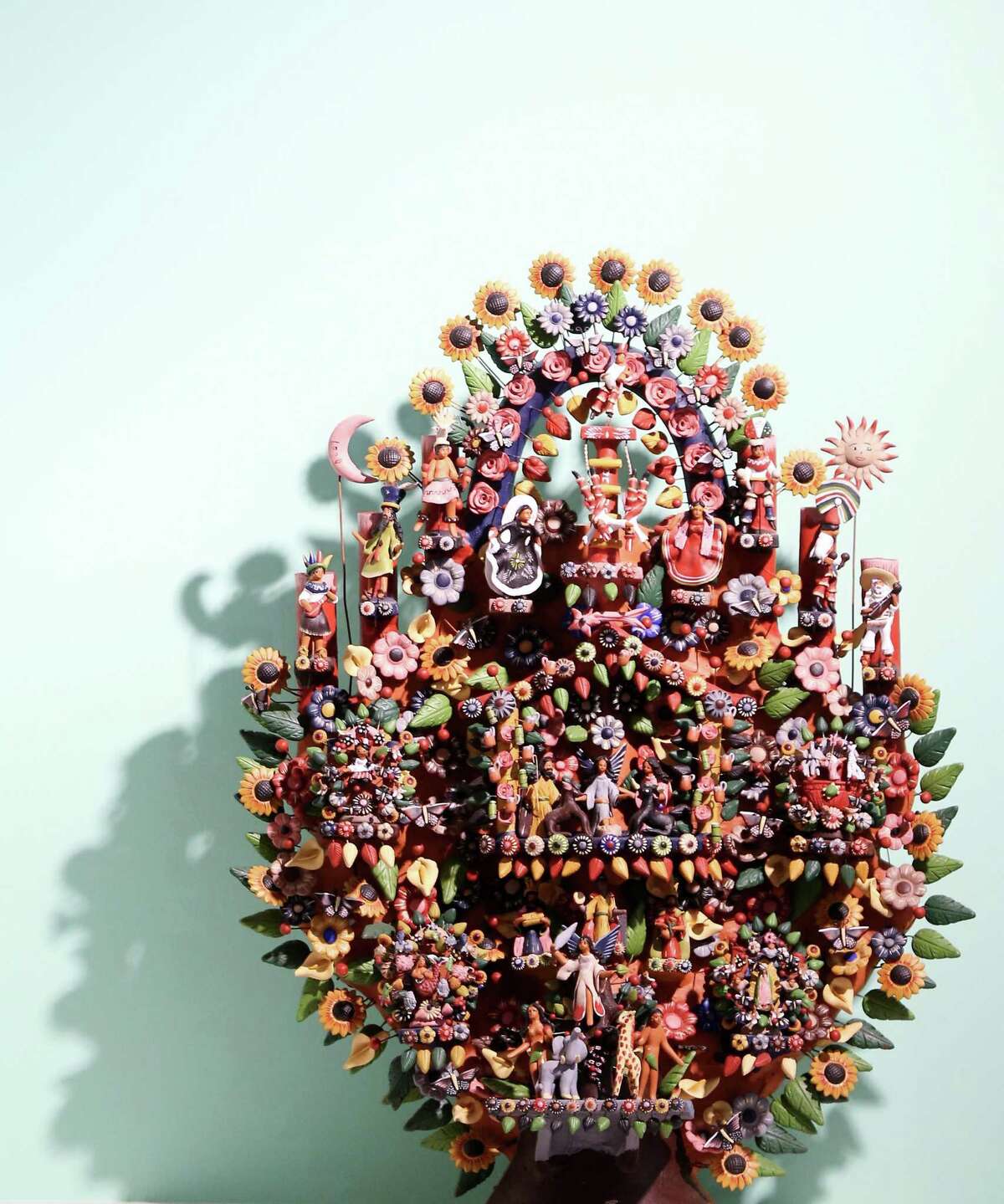
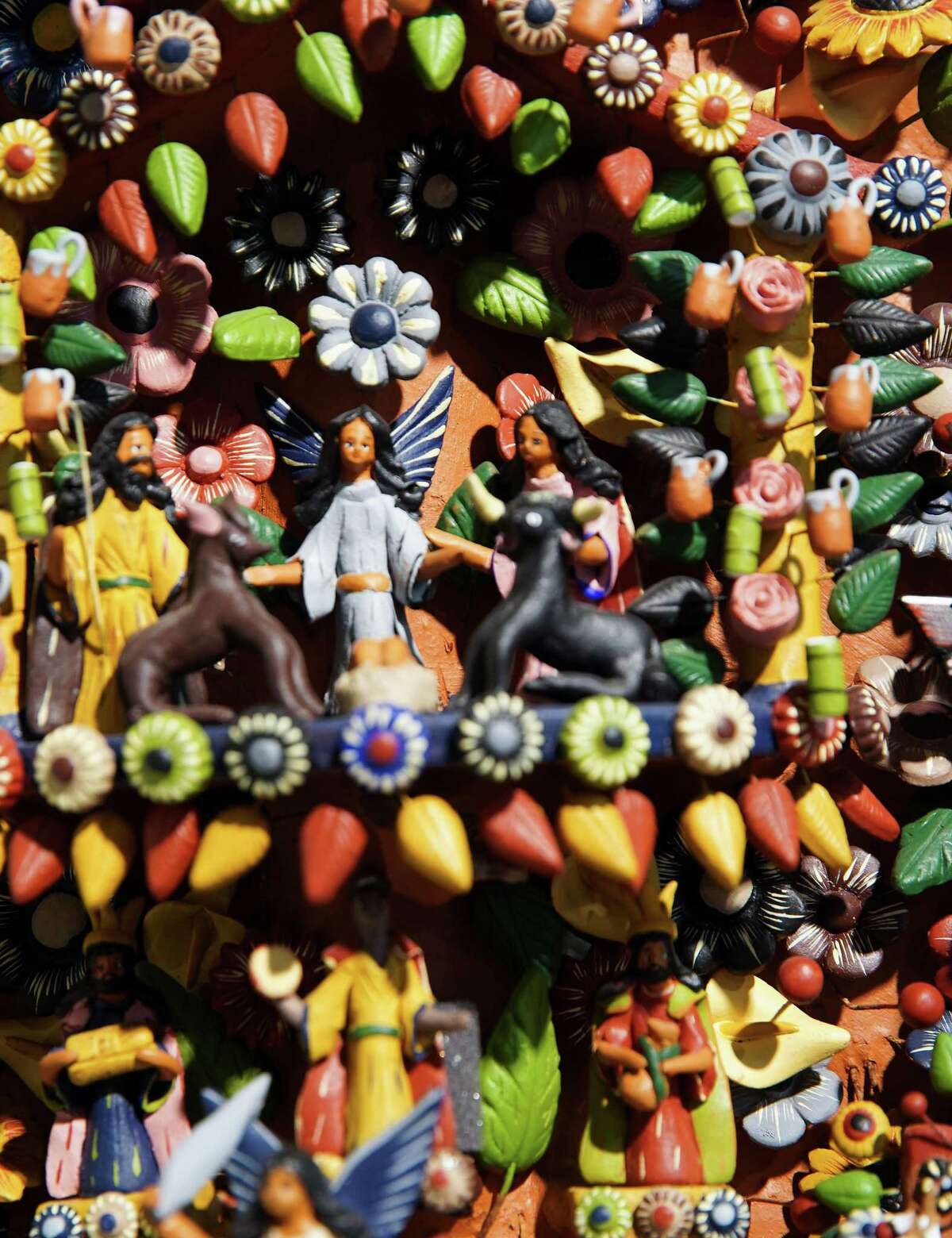
Intricate works made with pastillage, a technique of piecing together many small, decorative clay shapes, can take a while to absorb. It makes sense that a man who cared deeply about the differences between, say, Yucca rostrata and Yucca linearifolia would appreciate objects whose details command attention.
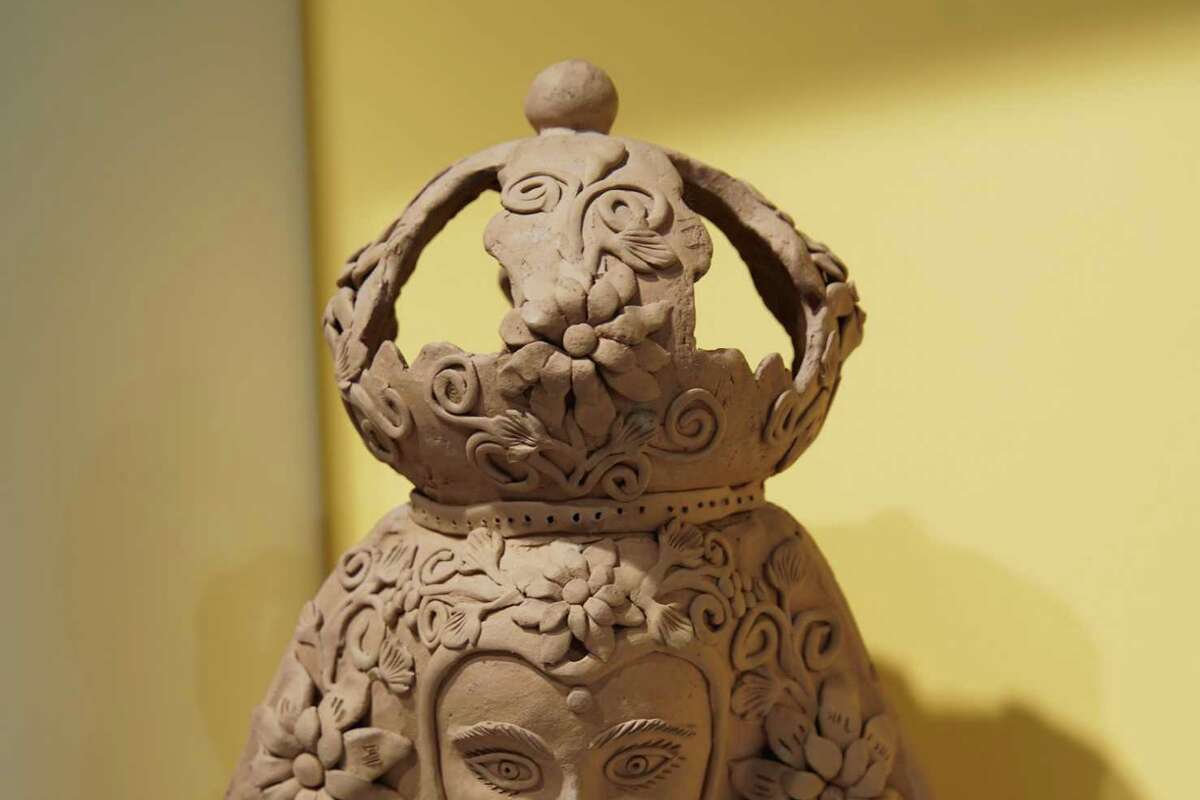
A statue titled “Santa María Atzompa” from Oaxaca, Mexico, is on exhibit a the John Fairey Garden Gallery on Tuesday, May 17, 2022 in Hempstead. The art work for the exhibit titled “Back to the Garden” is from The John Gaston Fairey Mexican Folk Art Collection at the Art Museum of Southeast Texas.
Elizabeth Conley, Houston Chronicle / Staff photographer
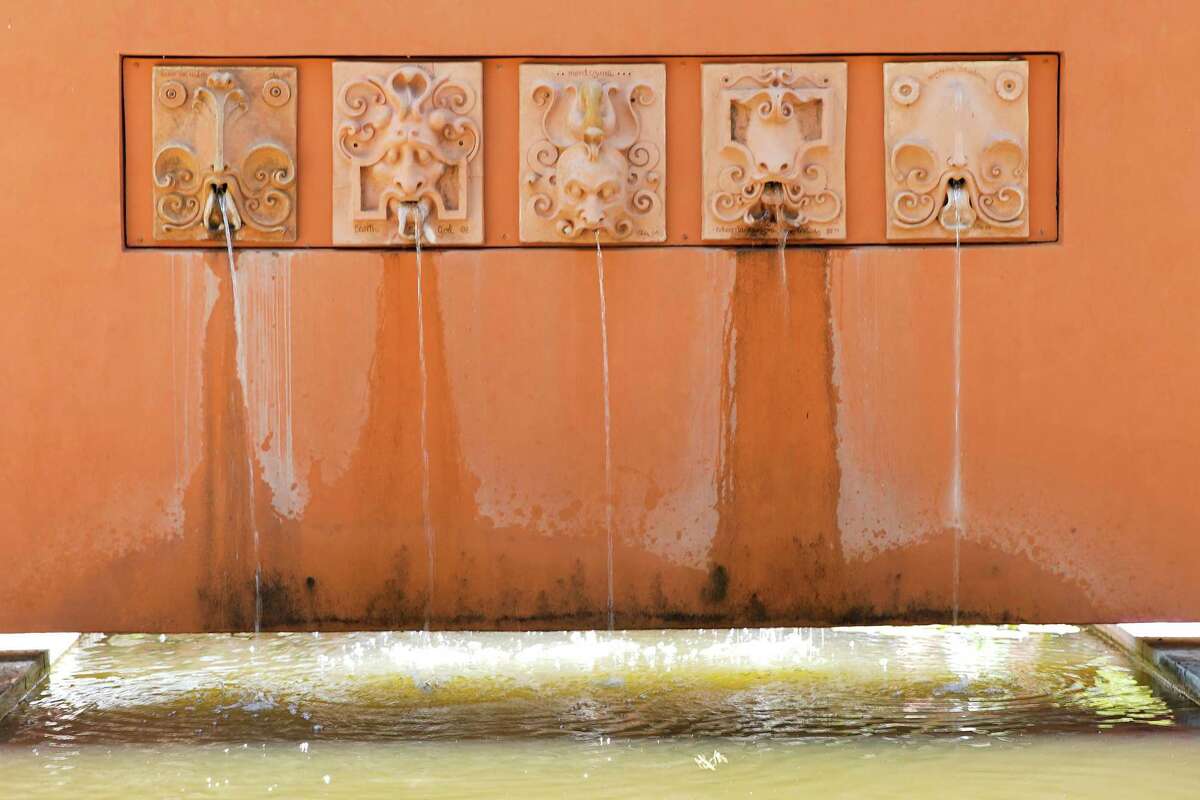
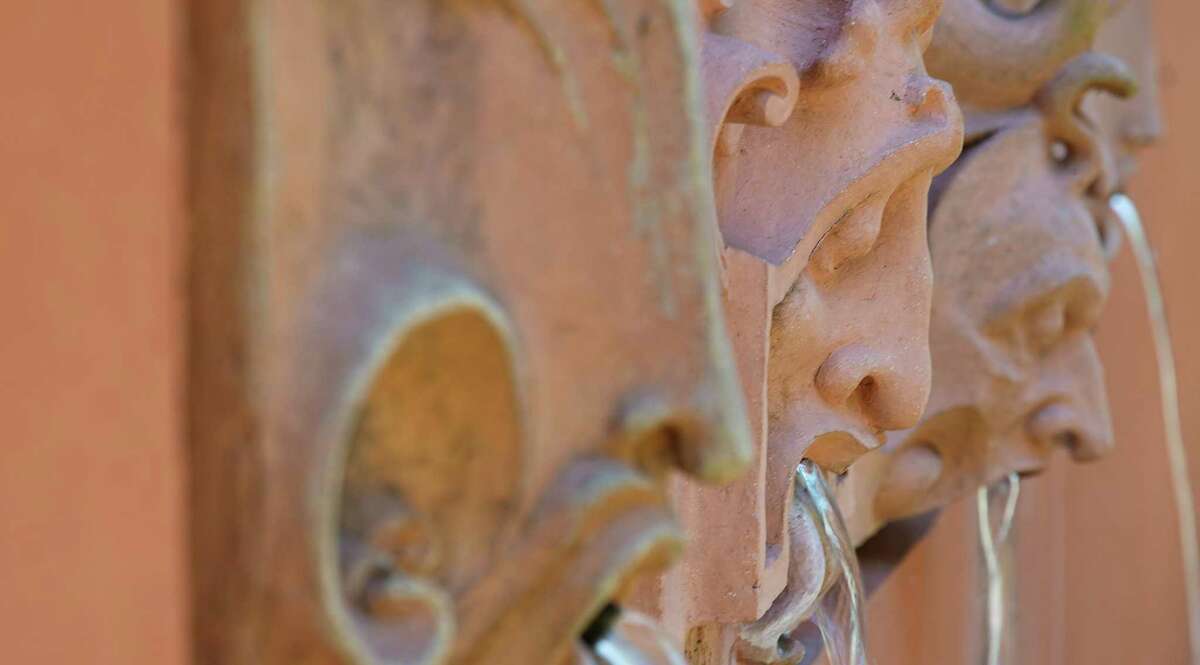
A fountain outside the John Fairey Garden Gallery on Tuesday, May 17, 2022 in Hempstead.
Elizabeth Conley, Houston Chronicle / Staff photographer
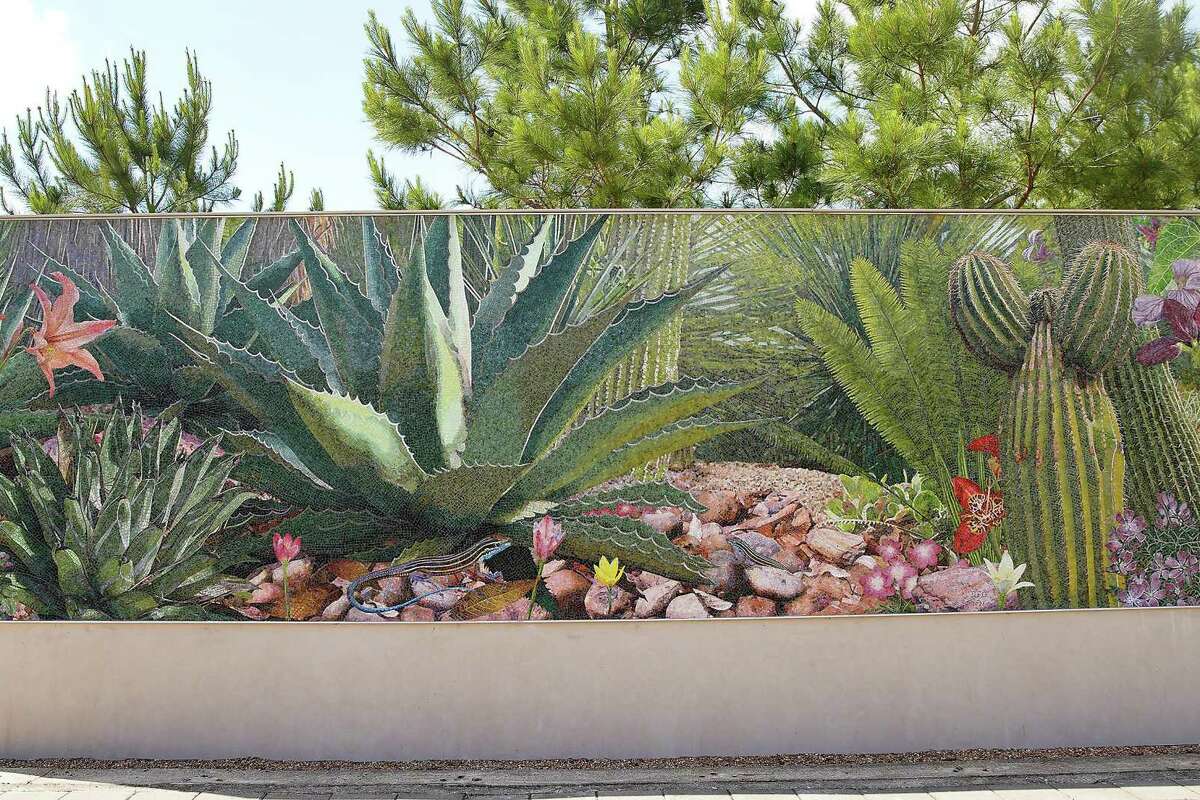
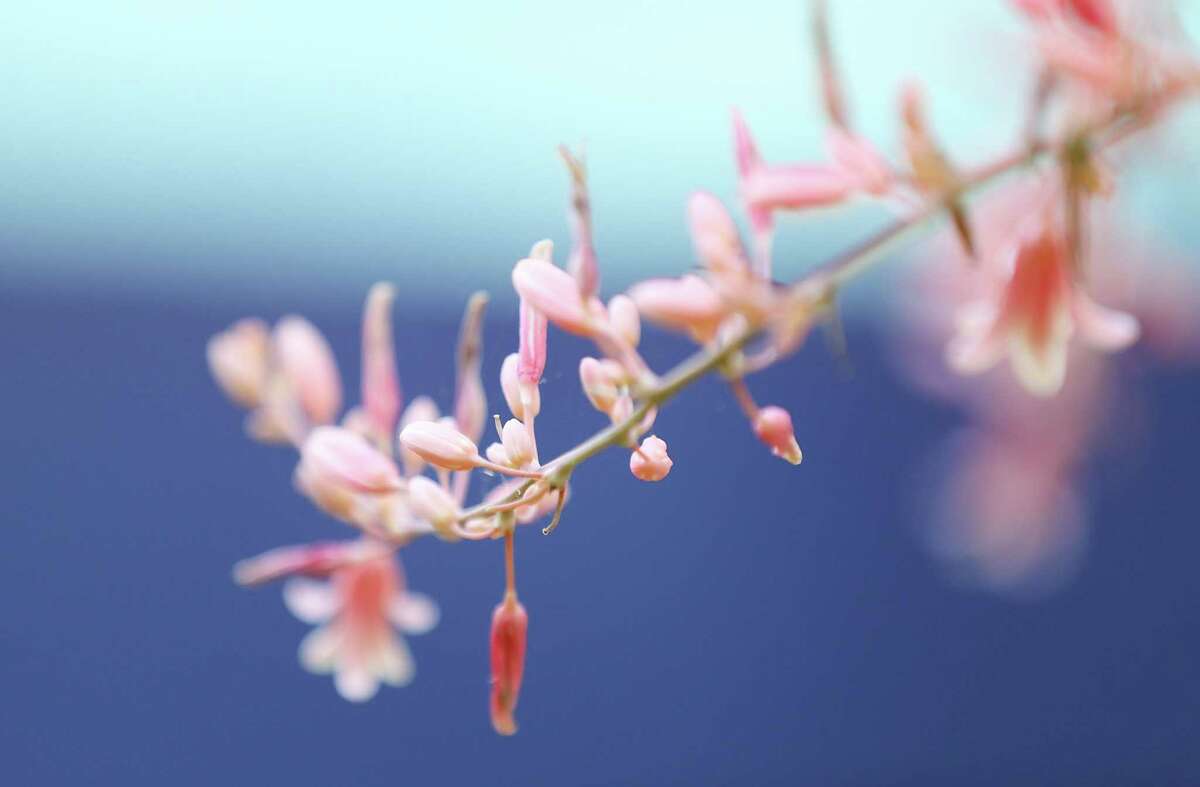
John Fairey Garden on Tuesday, May 17, 2022 in Hempstead.
Elizabeth Conley, Houston Chronicle / Staff photographer
A statue titled “Santa María Atzompa” from Oaxaca, Mexico, is on exhibit at the John Fairey Garden Gallery. (Elizabeth Conley/Houston Chronicle)
A miniature carousel that holds a complex nativity scene is among the quirkier treasures. Two distinctive sculptures by Angélica Delfina Vásquez Cruz, one of Oaxaca’s most prominent contemporary artists, also captured my imagination. Cruz’s female figures tell stories within their billowing skirts: One conveys sadness and loss, depicting a traumatized, hooded woman with a sliver of moon, barren trees, a skeleton with a child in its arms, a man and a boy, a howling coyote, calla lilies and roses. The other expresses its opposite — a smiling dancer whose skirt holds rows of lacy flowers and small, smiling people who could be a family or a broader community. Simon Castro Hernandez’ large, colorful “tree of life” clay sculpture (a specialty in his hometown of Metepec) is a showstopper; its hundreds of pastillage elements have garden of Eden and nativity motifs.
Regardless of the stories one reads into them, Fairey clearly favored objects that celebrate the natural world. Creatures appear in multiple mediums: bird-shaped whistles of black clay, a snake and a winged creature in gray clay, and crisply painted imaginary animals, or alebrijes, carved from copal wood. Painted birds and ferns cover a couple of large, graceful clay pots. Small pastillage birds sit on the rim of a lavishly painted footed bowl as if it were a feeder.
Fairey made his living as a design professor in the architecture program at Texas A&M University, and his eye for graphic geometries comes through in the color-saturated patterns of the show’s finely woven rugs and ceremonial sashes. Refined, woven textiles by two of Oaxaca’s best-known masters, Arnulfo Mendoza Ruiz and J. Isaac Vasquez Garcia, were made with natural dyes, yet so saturated with color they almost vibrate off the walls.
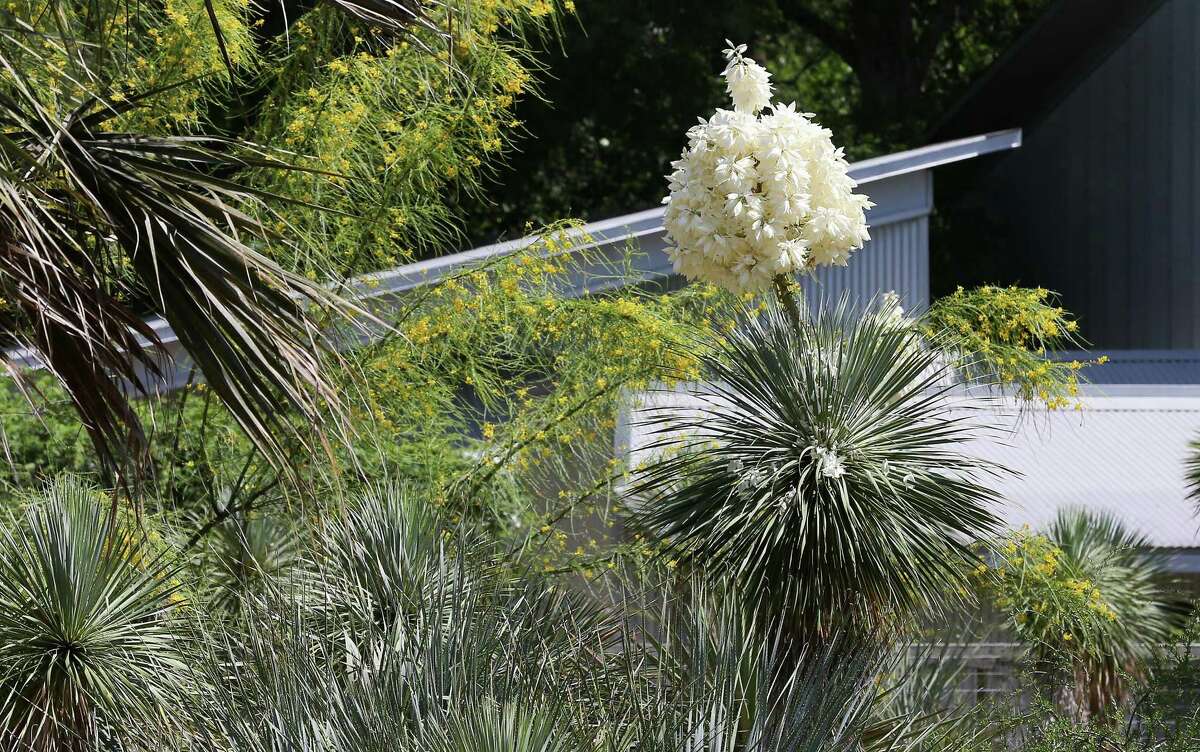
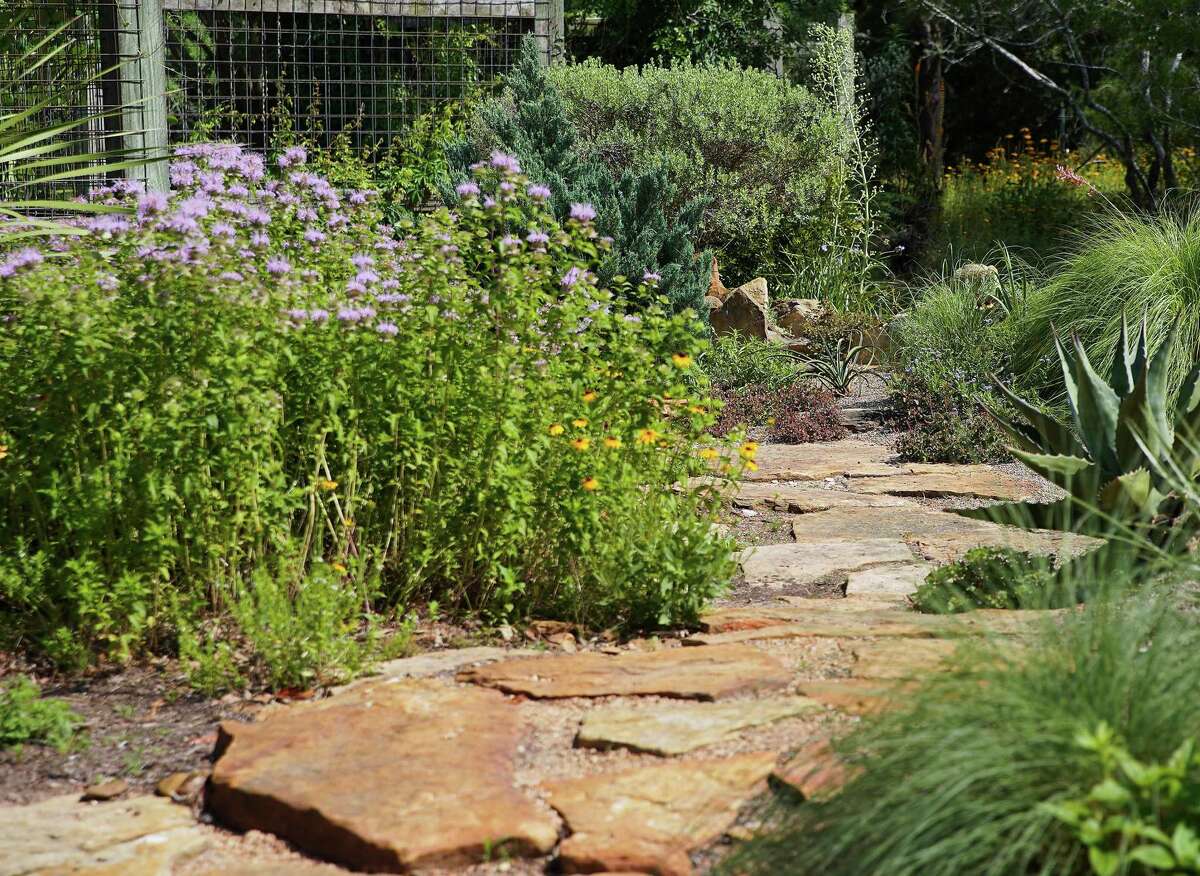
The garden enveloping Fairey’s gallery struts its stuff even during the heat of summer. That was part of his vision. He displayed plants as if they were green art and architecture, meticulously placing specimens of varied shapes and textures to capture shifting light and shadows throughout the days and seasons.
When: Timed tours 11 a.m.-3 p.m. Wednesdays-Saturdays, through Aug. 20
Where: John Fairey Garden, 20559 FM 359, Hempstead
Tickets: $15-$20; 979.826.3232; jfgarden.org
Art Museum of Southeast Texas
A focused selection from the John Gaston Fairey Collection of Mexican Folk Art is on display at the Art Museum of Southeast Texas. “Collecting a Master” features major figurative groupings by the Oaxacan barro negro (black clay) master Carlomagno Pedro Martínez. Through March 12, 2023; 500 Main, Beaumont; 409-832-3432, amset.org.
In a sense, the John Fairey Garden is a naturalist’s equivalent of Houston’s Rothko Chapel; it can confound visitors who expect to see tidy, formal flower beds. Fairey was known to scold such visitors that if they wanted to see blossoms, they should go to Walmart. This time of year, the garden’s dappled woodland area is especially welcoming, and visitors to the gallery will glimpse a back side of it that is not normally open to the public.
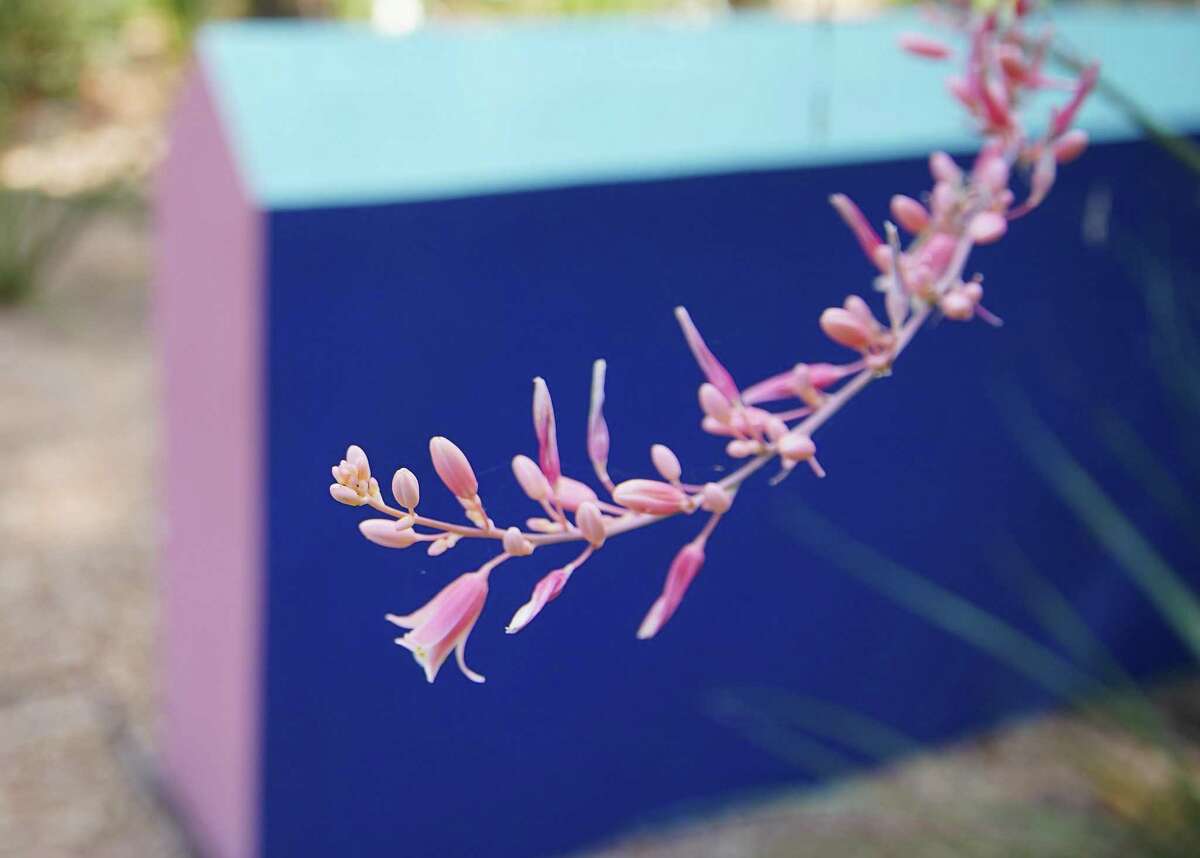
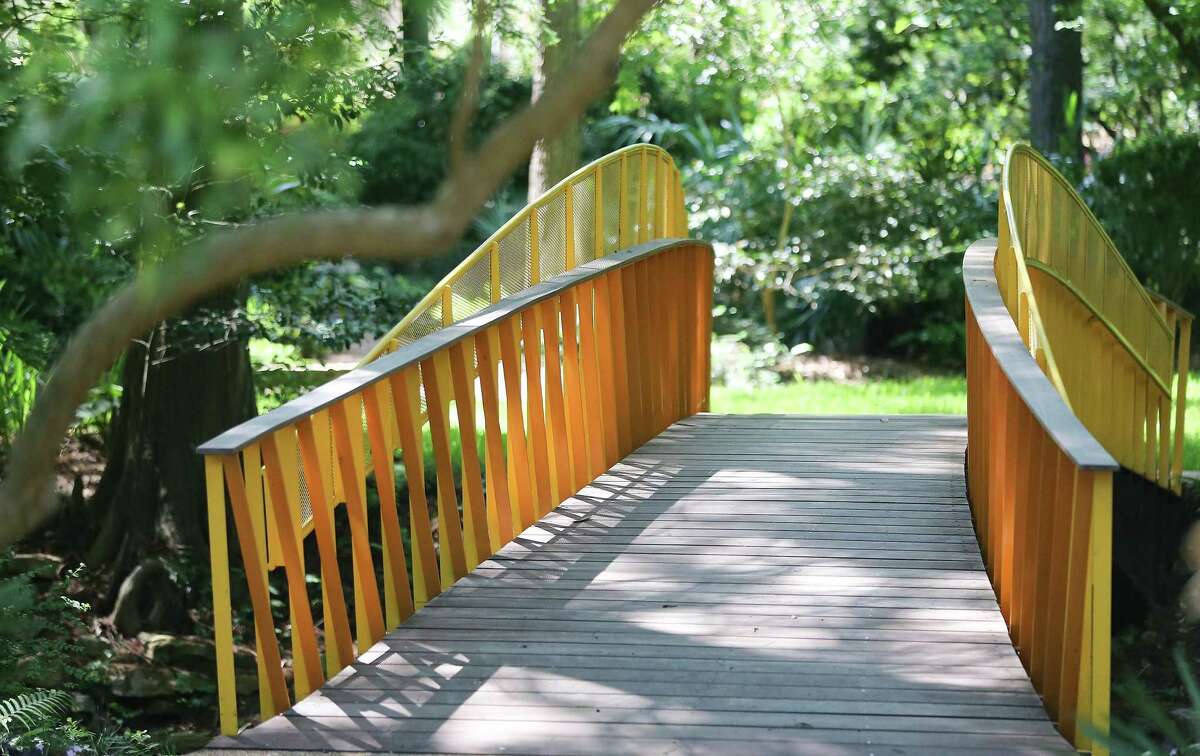
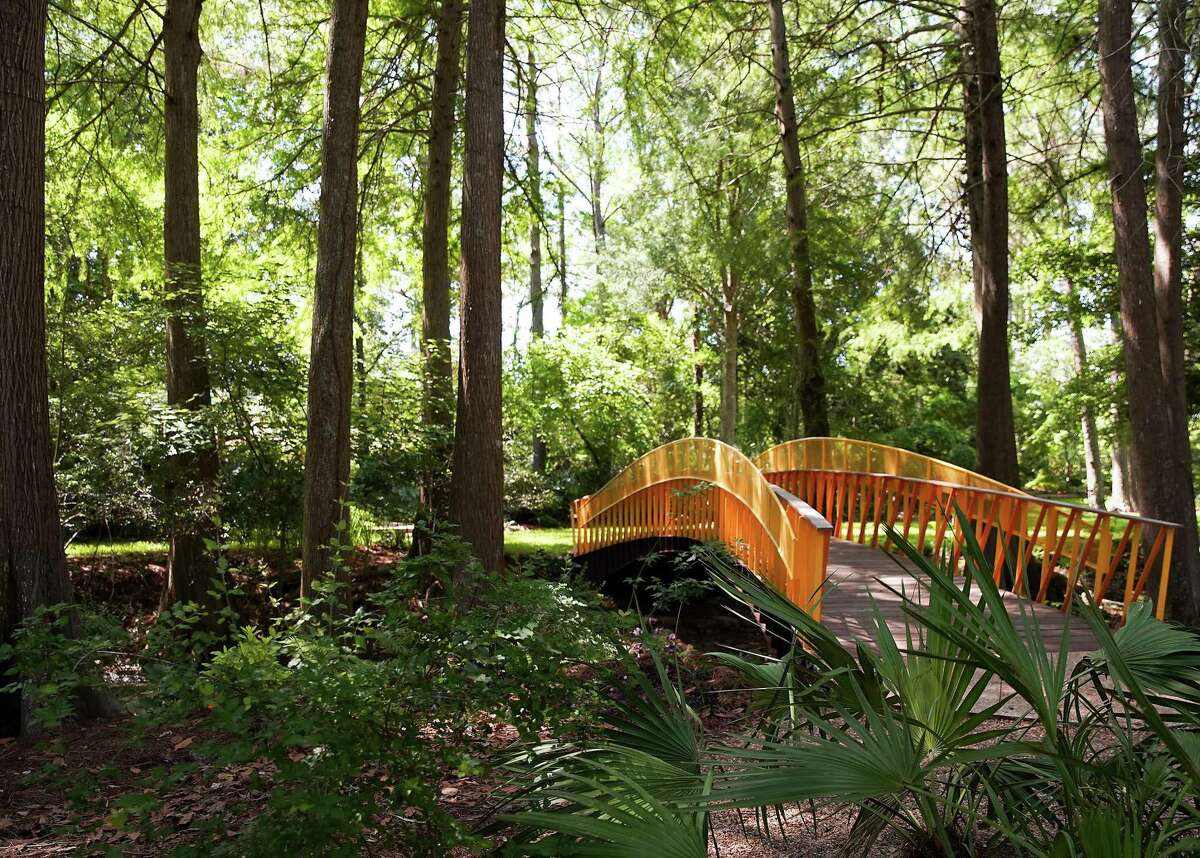
All visits to the John Fairey Garden are guided tours, and the exhibition ticket includes a walk across a stunning new footbridge to the dramatic north dry garden — a wonderland of agaves, yuccas and palms in gravel beds around a low wall that’s an homage to Frida Kahlo’s Blue House. The inventively engineered bridge, painted a vivid yellow, was designed and built by Houston’s Metalab Studio, whose founder Joe Meppelink studied with Fairey at A&M.
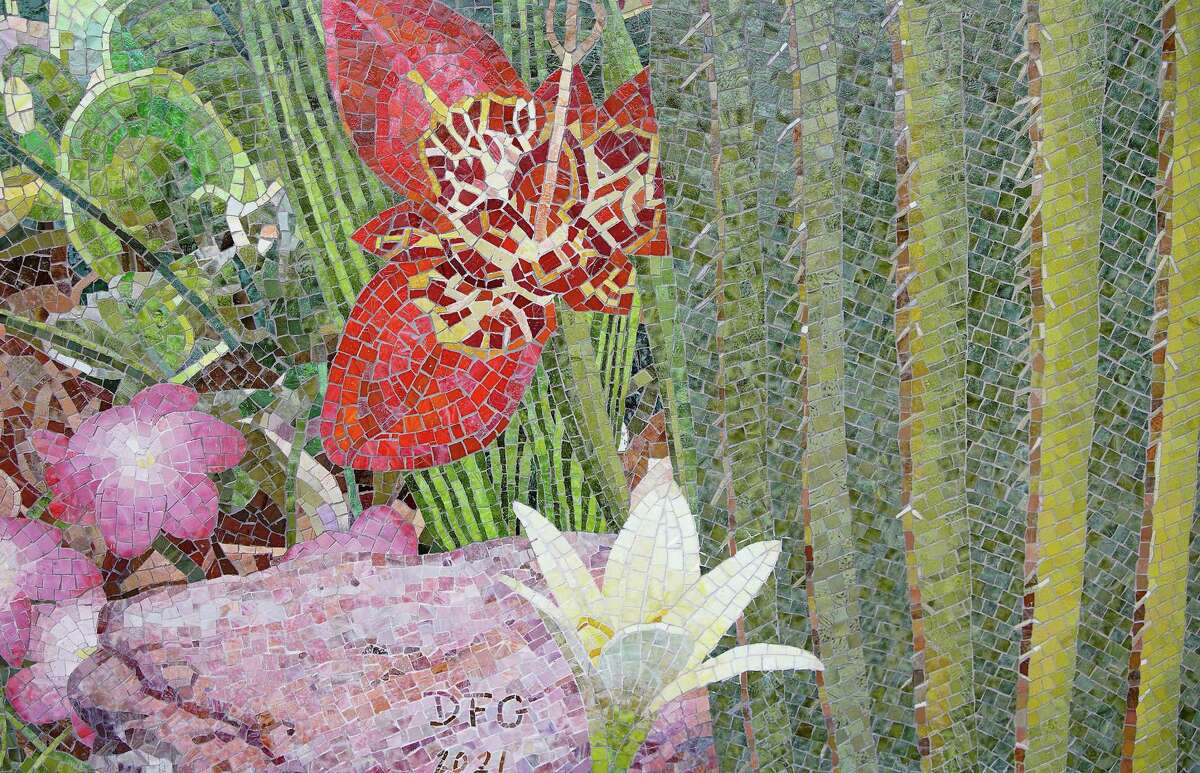
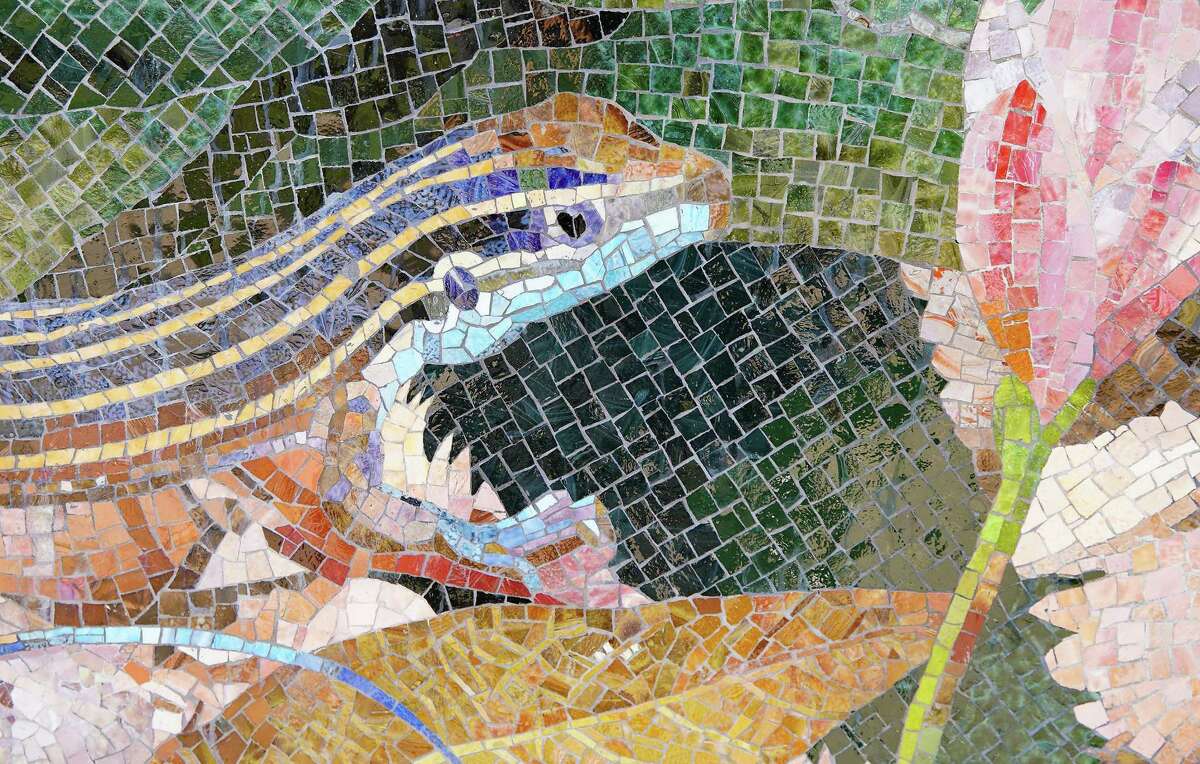
Another must-see livens up a new event deck near the garden’s entrance and nursery, which is open to the public during tours. Before he died, Fairey commissioned Houston artist Dixie Friend Gay to create one of her signature mosaic tile murals for that spot. Emphasizing the beauty and complexity of the garden’s sometimes elusive flora and fauna, it’s the one place on the 39-acre property where a flower show guaranteed. Rain rain lilies only pop out in late summer after rains, and speedy Texas whiptail lizards dart across paths almost before you see them, but the mural captures them and invites close inspection. Like the folk art in the gallery, it’s a treasure to behold.