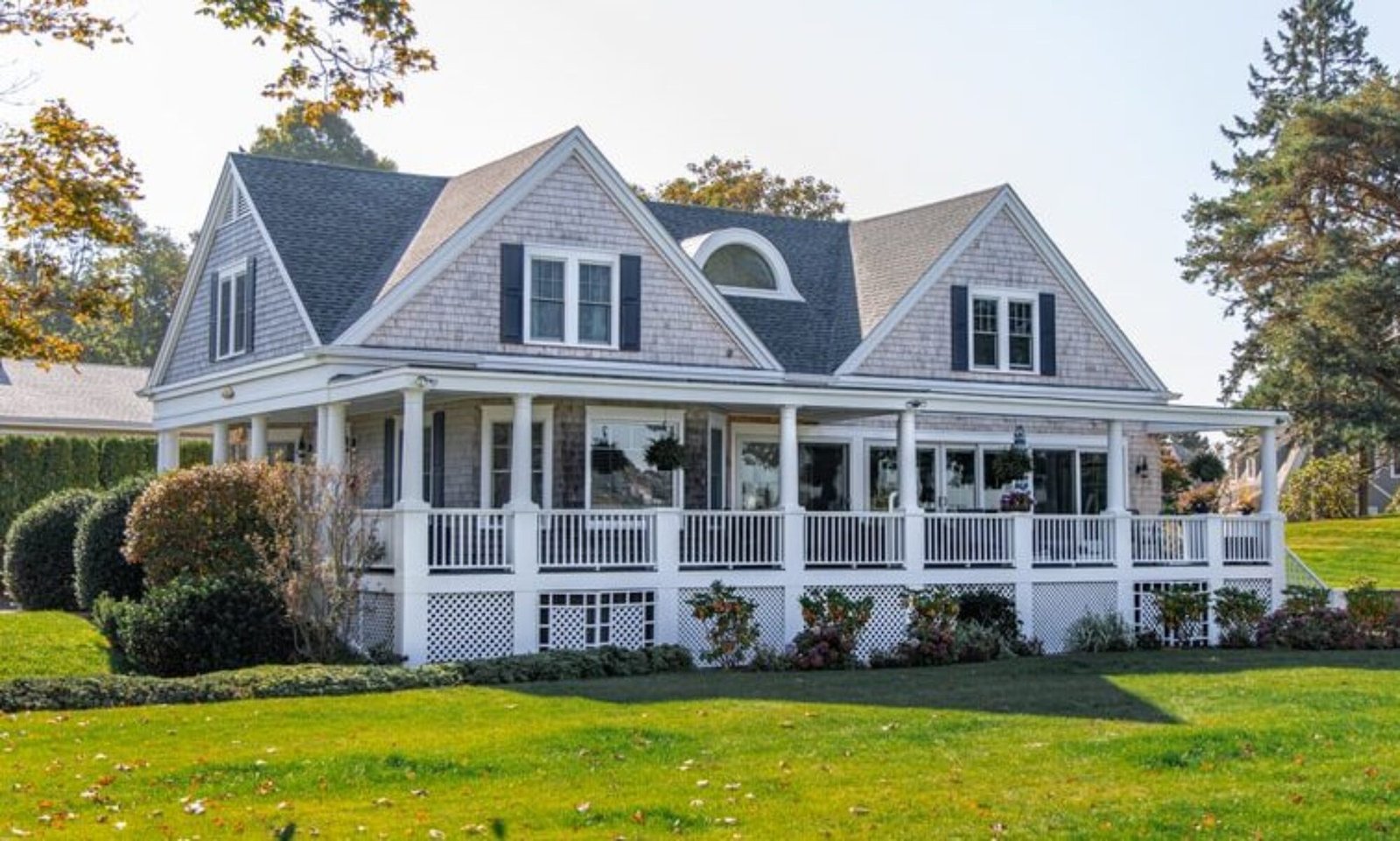
You may possibly have found that the easiest landscape beds to maintain are those people surrounded by concrete. For instance, most properties have a concrete wander in between the driveway and the entrance door. This arrangement generates a room for landscaping, surrounded by pavement and the front porch or exterior wall. Most often this space is filled with shrubs and bouquets. Since it is surrounded by concrete partitions and paving, garden grasses just cannot invade the mulched space, and creeping weeds have a more difficult time finding set up.
Apart from this tidy garden plot, most basis beds are surrounded by garden. Normally, the soil quality is much better in the basis beds than in lawn areas, so grass and weeds by natural means attempt to invade the landscape beds, causing them to shrink. Or, in lots of situations, the beds ended up too little to suit the shrubs once they mature, so shrubs overhang the garden, generating mowing tricky. This is a sloppy look. Retaining a neat physical appearance is hard operate.
The remedy is to put in some kind of actual physical barrier, termed mattress edging. This could be a slim strip of steel or vinyl, imbedded in the ground all over the edges of beds, or a much more considerable border of stone, brick, or concrete blocks.
We’ve experimented with a variety of kinds of metallic or vinyl strips, held in spot with stakes, and/or partly buried so that the pounds of the bordering soil holds them. Most frequently this sort of edging is pushed up out of the floor by seasonal freezing. It’s also tricky to put in except if the floor is beautifully degree and flat.
We want mattress edging of organic stone, or wall block, which can observe the contours of sloping or uneven bed edges. Here’s how to install this variety of hardscaping:
Initial, make guaranteed that the beds you are surrounding are massive enough for the crops to improve to their total size. Use stones or blocks that are substantial and heavy enough to remain set, and install them at least fifty percent underground and 50 percent over floor level. To do this you need to dig a trench virtually as deep as the top of your blocks, and at least 6 inches wider. At this level it is a very good thought to sprinkle some Preen in your trench, to discourage weeds. Weed barrier material in the base of your trench will help even far more.
Working with pea gravel or #8 thoroughly clean limestone, make a mattress at the base of your trench, at least an inch or two thick. This gravel mattress can make it quick to lay the stones evenly, and assists hold the stones from settling over time. Try to preserve any yard soil out of your get the job done, because you’ll have far more weeds if dirt gets combined with your gravel.
The moment you’ve laid the edging stones conclusion-to-conclude on the bedding gravel, alter them so that the tops are pleasant and stage from entrance to back again and facet-to-aspect. Then incorporate a lot more gravel, front and again, and amongst the stones if there are gaps, to lock the stones in put. Fill the trench with clear gravel up to floor amount.
There should be at the very least four inches of gravel showing in front of your edging. This tends to make a “trim strip” so that you really don’t want to hand-trim or “weed-eat” together the edging every single time you mow. Preferably your edging is small sufficient (two to 3 inches above floor) that you can cling the mower deck about it, building hand trimming unnecessary. If grass or weeds invade your trim strip you can just spray alongside the edging with Roundup.
Setting up this variety of hardscape edging is a critical venture that will get time, work and dollars, but it will repay you over many years of time by making your weekly routine maintenance significantly much easier. It also seems nice. If you do it you are going to be glad you did.
All-natural stone or concrete bed edging looks awesome and saves upkeep.
Steve Boehme
Steve Boehme is a landscape designer/installer specializing in landscape “makeovers.” “Let’s Grow” is released weekly column archives are on the net at www.goodseedfarm.com. For additional info simply call GoodSeed Farm Landscapes at (937) 587-7021.
Cultivating long lasting relationships with all consumers although creating & protecting stunning landscapes by means of observing the best horticultural standards
65 several years of expertise we can develop any multifamily neighborhood into a Resident Paradise”
— William Roberts
HOUSTON, TEXAS, Usa, November 21, 2022 /EINPresswire.com/ — Core Landscape Group, LLC is a whole-provider landscape structure and routine maintenance enterprise specializing in multi-household and professional landscaping requires that delivers a huge variety of solutions in the increased Houston and bordering places.
Below we expand once more – Escalating yet again 12 months right after year, placing expectations for others to follow, Main is on the route to shift into other Texas markets quickly.
We provide skilled landscaping layout, installation, and multifamily/industrial upkeep solutions. Core’s staff of Landscape Experts are committed to applying the very best excellent products and solutions, techniques, and conversation to ensure a remarkable final result.
Our focused and proficient groups will regulate each and every component of your challenge from initial structure to accomplished installation to ongoing weekly maintenance – and we do it all on routine, in spending plan and with a smile.
Core Landscape Group has a one-of-a-variety process that is basic and is just not about offering a landscape undertaking or company it is about making a robust marriage with every client. All relationships are primarily based on have confidence in and effects, Core presents equally, they are actually Landscape Gurus constantly doing the suitable matter with their client’s best pursuits in brain.
They feel in four values that convey our vision and your aspiration structure to daily life:
1.Meaningful Communication and Provider 
Core believes in being obvious, genuine, and successful to produce unparalleled support customized to each of our client’s special requirements.
2.Proactive Management 
Our solution to landscape style and design and management is simple proactive, not reactive for a get worried-absolutely free encounter. We emphasis on saving our customers time and revenue by reducing quite a few of the popular hassles and headaches associated with commercial grounds administration.
3.Seasoned Qualified Make the Distinction
With Core Landscape Group’s associates, William Roberts and Jamey Goss, getting a combined sixty-5 many years of working experience in the landscape field, the two think in supplying the greatest stage of provider, understanding and continued excellence to guarantee an astounding client experience. With this arrives results and the will need to seek the services of the ideal and teach new team members to encourage what appears to be lacking these times in the enterprise environment, Genuine Customer Services.
We are constantly searching for the most effective in the small business to improve Core. Our staff of seasoned experts are quickly accessible to offer a outstanding selection of plant overall health solutions and genuine landscape remedies to reach the very very best outcomes.
4.Fantastic Depth
At Main, we believe that in considerate and comprehensive layouts that mix splendor and functionality all while adhering to the optimum standards in the market. Creativity is hardly ever a difficulty.
Main Landscape Group is fully geared up with state-of-the-artwork technological innovation and a educated workforce of professionals vital for the beautiful execution of any landscape design that incorporates:
Landscape Outdoor Lighting 
Our landscape designers will remodel your property’s most lovely outside components into amazing displays. We have knowledgeable landscapers who can advise the finest lighting to improve your assets but can also customise it to go well with your style.
Restyle Your Multifamily Community’s Out of doors Space into a Resident Paradise 
Reallocate your out of doors areas and renovate them into a livable space for your residents. We design, put in, and renovate exterior amenities Outside kitchen / dwelling areas, modern fire functions, water functions and swimming pools, puppy parks, retaining walls, concrete/ stone /specialty walkways, pergolas, and gazebos.
Water Administration Services 
Core Landscape Team has certified irrigators who can offer a single of the ideal proactive steps to control, maximize, and benefit from your irrigation process. Our drinking water administration pros can install a selection of irrigation techniques to provide drinking water where it is wanted. Monthly irrigation upkeep is key to water use performance, staying away from pricey plant replacements and preserving dollars. We install a lot of unique types of drainage systems. 
Hope additional from Main, obstacle our staff, and understand what tends to make us distinctive.
Tammy Sons is the CEO of TN Nursery and an qualified plant advisor who researched Horticulture. She enjoys her relatives, the outside and nature.
getty
The year 2022 is upon us, which can only imply one factor: warm summer time weather is appropriate all-around the corner. And it’s critical for organizations to sustain a expert exterior in addition to an exceptional interior all year extended. After all, a client will very first notice the outward overall look, or the landscaping and the making style and design, before they at any time stage inside of your place of work.
As a result of my conversations, I have discovered that there are a great deal of simple—but necessary—steps that significantly as well many corporation leaders ignore when it will come to landscaping. Below are a few to continue to keep in thoughts:
Pruning
1 of the most significant matters providers really don’t typically overthink is pruning. Note that this is an completely diverse tactic from hedging when doing work with some thing like a bush in your yard.
Effectively, you need to have to know which plants to prune and which vegetation to hedge to manage suitable expansion. If you (or your landscaping crew) conclude up undertaking possibly a single improperly, you can expect to only locate by yourself shelling out additional time exterior, and your crops will continue on to get unwieldy as well.
Mowing
Along the similar strains, mowing the lawn is a topic that I uncover lots of organizations fairly misunderstand. They consider the only time they have to have to mow is “when the grass receives also large” or when they never like the sight of it. In particular as the temperatures continue to rise, this just isn’t genuine.
Certainly, your company’s lawn will be mown most likely on a weekly basis, but it also requirements to be performed so thoroughly. Don’t adhere to the similar paths and designs with each individual mow, as you happen to be only heading to problems the grass under the bodyweight of your lawnmower. As a substitute, make an hard work to alternate styles to motivate as much progress as attainable.
Mulch
Have a appropriate mulch bed all over all your vegetation and trees. For starters, this acts as an vital protective layer that will go a prolonged way toward avoiding harm from any mowers, trimmers or other pieces of devices that you may be utilizing. Remember that if you knick a plant with your trimmer in the improper spot, it could possibly appear great currently, but you could be looking at a considerably larger difficulty down the highway. Additional than that, a mulch mattress can assistance nourish your vegetation and trees all calendar year prolonged, generating absolutely sure they appear their very best.
Applications Of The Trade
It truly is generally suggested to make confident you are employing the appropriate gear for the appropriate job at precisely the correct time. Pruners, trimers, mowers—they all have their place. But these spots are surely not interchangeable. Make certain you or your landscaping crew have an understanding of what the ideal device is for the aim you’re striving to execute to give on your own the best shot at achievement shifting ahead.
Favorable Plants
Below are some finest plants to use close to offices that are small-upkeep:
1. Perennials: These are ideal for borders, walkways, flower beds or gardens with borders around business office complexes. Perennials, compared with annuals, also return each individual spring and in no way have to be taken up for the wintertime year.
2. Flowering Trees: Spring-blooming options like cherry trees, plums and flowering dogwoods provide a satisfying aroma as perfectly as splendor in the heat spring months.
3. Evergreen Conifers: Use these trees for magnificence and calendar year-round beauty. When most plants drop their foliage, these remain wonderful and environmentally friendly, even in severe winter weather conditions.
4. Shade Trees: Oak and maple trees are rapidly-rising and offer shade in spots close to concrete or pavement.
For firms, I recommend acquiring these types of bare-root crops, as they are light-weight, cost-effective and effortless to plant. Bare-root plants ship for a great deal a lot less than transport containerized vegetation and are quick to set up. Moreover, no heavy equipment or landscaping experts are required to include these crops.
Instead of splattering onto soil and oozing into the ground, as it would have done a half-millennium ago, the droplet lands on a roof, road or parking lot. From there, it zips along one hard surface to another. Until this tiny traveler finds a larger body of water — a ditch, a creek, the Potomac River — it is fair game for any pollutant that wants to tag along.
Landscape architect Kelley Oklesson, kneeling, confers with (standing, left to right) Maureen Robinson of the Association of Professional Landscape Designers, neighborhood activist and gardener Jean Lee Cole and landscape architect Maya Mule during training for the Chesapeake Landscape Professional program.
Dave Harp
And that’s why, as far as the Chesapeake Bay is concerned, cities and towns are vast pollution factories, said Kelley Oklesson, a landscape architect based in Hyattsville, MD.
“Water moves downhill, so as it moves, it picks up a lot of things … that can go with it, like heavy metals, oil and trash,” she said. “And then it just continues to go to the low point, and that’s our Bay.”
For Oklesson, it isn’t enough for a client’s yard to look pretty. It must also be designed to prevent raindrops from destroying the fragile health of the largest U.S. estuary. So, she incorporates into her designs things from nature to capture and filter stormwater before it leaves the yard or garden.
Where did Oklesson gain the knowledge and skills to pull off such Bay-friendly projects? Not from her college degree, or even from a decade of experience in the landscaping industry. It mostly came, she said, from the Chesapeake Bay Landscape Professional certification program, which provides training for designers, installers and maintenance personnel in the landscaping field.
Since its inception in 2016, the program has certified more than 800 professionals in Maryland, New Jersey, Pennsylvania, Virginia and the District of Columbia. The first class in Delaware began meeting earlier this year.
Reducing pollution from urban and suburban stormwater is one of the most important and ambitious aims of the multistate and federal Bay restoration effort. The training program’s leaders say they work to ensure that a qualified workforce is available across the 64,000-square-mile watershed to help carry out that objective.
“It’s a living system you’re installing,” said Joyce Kelley, a landscape designer and one of the program’s instructors. “There’s nothing worse than these projects that go in that [cost] several hundred thousand dollars that look terrible in five years or get mowed over.”
Making progress
In 2010, the U.S. Environmental Protection Agency issued a “pollution diet,” officially called the total maximum daily load, aimed at making states more successful and accountable in the regional effort to clean up the Bay. The TMDL outlines limits for the amounts of pollutants each jurisdiction could send downstream. That set into motion a renewed cleanup effort with a 2025 deadline.
Kelley Oklesson (left) talks with neighborhood activist and gardener Jean Lee Cole at the Contee-Parago park in Baltimore. Oklesson worked with the area residents to redesign the park and will oversee the work of volunteers who will plant native species there.
Dave Harp
The Chesapeake Bay Program, a federal-state partnership that oversees the effort, recognizes more than 400 pollution controls, known as best management practices or BMPs, that landowners can use to reduce water pollution. They can take many shapes and sizes — rain gardens, pervious pavers and bioswales are just some examples — but the general idea is the same: slowing drainage toward the Bay, giving pollutants like nutrients and sediment the means and the time to separate from the water.
Installing a BMP, though, is only the first step. Each state is required to track the BMPs and verify that they’re achieving their pollution-reduction goals. That means they must be maintained properly throughout their life cycle to continue receiving credit toward the cleanup.
The maintenance responsibility falls to whoever owns the property — whether it’s a hospital, public school system, town government, private landowner or homeowners association.
A 2012 study commissioned by the Hampton Roads Planning District Commission found evidence of tens of millions of dollars worth of BMPs already installed on private properties in Virginia — but nothing to indicate whether those practices were installed properly or are being maintained.
The study led to a statewide summit of industry, environmental, governmental and academic leaders. One of their top recommendations was to “build an effective and integrated network of powerful water quality and stormwater experts and advocates.” Afterward, members of the Virginia-based group Wetlands Watch, the author of the BMP study, began building financial and technical support to launch what became the Bay Landscape Professional program.
“Early on,” said Shereen Hughes, assistant director of Wetlands Watch and the Virginia coordinator of the landscape training program, “we saw that these stormwater practices were being implemented across the watershed to meet the TMDL. But when you look at those practices, they’re not always being maintained.”
It was not a problem confined to Virginia. In 2014, the Bay Program’s Local Government Advisory Committee, whose members include local officials from around the watershed, said that increasing the pool of qualified employees and contractors to carry out restoration and protection projects was one of its top priorities.
“There’s a disconnect in the maintenance,” said Beth Ginter, executive director of the Chesapeake Conservation Landscaping Council, which co-manages the program with Wetlands Watch. She said she has too often seen property owners receive hefty grants to install a BMP, only to allow it to fall into disrepair because they lack the funding and expertise to maintain it.
Beth Ginter, executive director of the Chesapeake Conservation Landscaping Council, directs a Chesapeake Bay Landscape Professional certification class in Seaford, DE.
Jeremy Cox
Brent Jett, a senior project engineer with the firm George, Miles and Buhr, said some of his own projects have deteriorated across the Delmarva Peninsula for lack of proper care.
“It’s disappointing,” he said. “You understand budget constraints and man hours. You hope for the best. But at the end of the day, it’s not your money and it’s not your land.”
An education in dry ponds
On a sunny and chilly February morning, Jett guided a group of about a dozen maintenance professionals on a driving tour in and around Seaford, DE, a former manufacturing hub in the southwest corner of the state. Once known as the “Nylon Capital of the World,” Seaford these days derives most of its economic vigor from its community hospital, a Walmart and a recently opened Amazon distribution center.
Brent Jett, a project engineer with George, Miles and Buhr, talks about a stormwater pond with participants in the Chesapeake Bay Landscape Professional Certification program in Seaford, De. Jett said some of his stormwater projects on the Delmarva Peninsula have deteriorated for lack of proper care.
Jeremy Cox
None of those institutions were on the tour. Instead, the itinerary included stops at a bioretention pond and bioswale outside a Catholic church, a fenced-in pond behind a government services building, and a “submerged gravel wetland” beside a medical office complex, which turned out to be a rock-strewn low spot tucked into a narrow strip between a parking lot and a dam-widened pond.
Clad in a black windbreaker outside a second medical complex, Jett steered the group toward a BMP with an oxymoronic name: a “dry pond.” It consisted of a shallow bunker rimmed with shrubs. As the moniker suggests, it’s intended to be dry most of the time, gathering water only after heavy rains, he said.
Local regulations require such ponds to handle stormwater during 10-year rain events, downpours that have a 10{6d6906d986cb38e604952ede6d65f3d49470e23f1a526661621333fa74363c48} chance of occurring in a given year. That equates to 5.6 inches of rainfall during a single event. But Jett said he routinely designs the ponds to store more water — up to 7 inches of falling rain — because climate change is triggering heavier cloudbursts.
“It literally rains differently now,” he told the group. “When we get 2 inches in a half-hour, it just blows everything out.”
Trailing along with the clipboard-carrying pack was Lisa Wool, executive director of the Nanticoke Watershed Alliance. This class — Delaware’s first — grew out of her concern that the region lacked the technical expertise to implement the new stormwater controls.
She acknowledged that the new methods involve more work and time. For example, workers may need to pull weeds with their hands instead of spraying an herbicide, which might kill desirable native plants, Wool said.
“A lot of these guys want to weed-whack, spray and then get out,” she said.
Wool directed grant money from the Delaware Department of Natural Resources and Environmental Control to bring the Bay Landscape Professional Program to the state. Initially, she and other organizers struggled to attract participants. So, they also used the money to fund scholarships, and the slots quickly filled up.
Rob Mason, who owns a landscape maintenance company based in West Ocean City, MD, said he hopes that the program can be a gateway to a new line of business. “There are not a lot of landscapers in this field,” he said as he leaned against his truck at the end of the Seaford tour.
He added that the program’s advice sometimes conflicts with his landscaper’s instincts to keep grass trimmed low and to avoid messiness at all costs. His new outlook: “Let it do what it’s supposed to do.”
Designing with nature
To become certified, participants must pass a final exam with a score of 75{6d6906d986cb38e604952ede6d65f3d49470e23f1a526661621333fa74363c48} or higher. The program offers a Level I certification, which emphases maintenance practices. Level II is available to graduates of the first level and provides an advanced course in design and installation.
Classes typically take place December to March and June to September to avoid landscapers’ busy seasons in the spring and fall.
Another early realization, Ginter said, was that there was no textbook for the region’s landscape professionals looking to green up their practices. So, with funding support from the DC Department of Energy and Environment, program officials wrote an 83-page Sustainable Landscape Maintenance Manual.
During the pandemic, organizers moved some of the education online and purchased equipment to make in-person interactions safer. But the health crisis did little to stem the program’s growth. Last fall, instructors integrated the curriculum — previously only available to working adults — with a class at a high school in Portsmouth, VA, and repeated the project this spring at a school in Gloucester. Some of the program’s partners are working to develop a Spanish language version.
Kelley Oklesson leads training for the Chesapeake Landscape Professional program at Contee-Parago Park in Baltimore.
Dave Harp
Oklesson, the Hyattsville landscape architect, is certified in both levels.
She now tries to incorporate BMPs into her work even if they aren’t required by local regulations.
“Nature has had it figured out for so long,” she said. “We have so much to learn ourselves with how to design with nature.”
For information about Chesapeake Bay Landscape Professional training, visit cblpro.org.
In the early times of 2022, it appears to be acceptable to seem at anything ahead in the coming months.
Main between these aims is to even more bolster coordination with distributors, improving the benefit delivered by the La Jolla Maintenance Evaluation District in janitorial, routine maintenance and landscaping initiatives. The management of the Greatly enhance La Jolla board proceeds to be instrumental in productively attending to every single corner of the district, from Torrey Pines Street to Pearl Avenue, Coast Boulevard to Park Row.
Quite a few functions prepared for 2022 are created on latest do the job timetable modifications and task successes in 2021. The first objective for 2022 will be to make sure that all servicing, janitorial and landscaping pursuits continue to improve community aesthetics and bolster civic partnerships designed from shared tasks and ambitions, regardless of whether smaller, such as weed abatement, or huge, these as performing with the La Jolla Local community Basis as the streetscape prepare commences to consider put.
MAD staff continue on to work with sellers everyday, guaranteeing fast reaction to things demanding focus. The interaction frequency in between MAD staff and vendors led to enhanced reaction periods during 2021. In addition to everyday and weekly concentrate areas, MAD personnel and sellers satisfy month-to-month for many hours, going for walks the district to detect larger assignments and places in will need of extra care. This “boots on the ground” strategy makes sure continuous improvement and immediate accessibility for residents and business owners alike.
An instance of this palms-on approach is a new strategy for scheduling the a few-time-weekly force-washing of sidewalks. A significant-scale prepare to recognize parts most in have to have of cleansing was made. This turned into a rotation masking the overall district equitably when nonetheless affording overall flexibility to attend to other issues needing interest. This coordination is completed by speaking with the force-washing vendor daily.
Two tasks of be aware that have appear to fruition have been maturation of the 21 jacaranda trees planted alongside Pearl Street in December 2020. The trees continue to prosper due to the fact of the constant vigilance paid to them.
Another key improvement in the commercial spots along Girard Avenue and Prospect Avenue has been revitalization of tree wells with iris crops, succulents and river rock.
Experiments with distinct vegetation to improve the visual enchantment and security of these parts and to recognize the vegetation that can best survive are ongoing.
In 2022, the MAD will yet again help key occasions in The Village and has modified contacts with the janitorial vendor to ensure coverage on each individual getaway. The following function on the horizon is Enhance La Jolla Day 2022, scheduled for April 23. Far more information to stick to.
Until then, content new year as we appear ahead to one more calendar year of good results.
If you see an concern needing consideration in just the district, be sure to get in touch with Increase La Jolla at (858) 444-5892 or electronic mail manager@enhancelajolla.org.
Mary Montgomeryis district manager for the La Jolla Upkeep Assessment District. ◆