30 Creative Ideas and Ways to Display Photos On Walls

how to display photos

JENNIFER HUGHES

You probably already know that displaying photos and artwork around your home is a great way to up the personality of your space—but how you hang said photos on your walls can also upgrade the pieces themselves, turning flea market finds and iPhone shots into museum-worthy magic. Check out these 30 creative ways to display your family photos and artwork collections, from vintage-inspired picture rails to modern ledges and everything in between, you’re sure to find a display and composition you love ahead.

Advertisement – Continue Reading Below

1

Accent Your Architecture

For a creative take on the traditional gallery wall, use a slew of bite-sized photos to frame an architectural accent in your home, as designer Lathem Gordon did here in a door-filled hallway.

A hammer and nails aren’t a prerequisite to a beautiful photo display—in fact, you don’t need them at all! Take a hint from designer Sarah Magness‘ handbook and use any available surface to lean your artwork instead. Just make sure the pieces aren’t too precious or at risk of being plowed over by kids or pets.

3

“Wallpaper” With Photos

For a look that’s as nostalgic as it is dramatic, look no further than this photo-covered space by The Novogratz. Here, family photos (mostly black and white) act as a wallpaper of sorts, covering every available inch of space for a time-traveling surprise around every corner.

A photo display doesn’t have to take up the whole wall. In fact, sometimes, a bite-sized arrangement can have an even bigger impact. In this living room, designer Heidi Caillier opted for a freeform composition of mini frames for an artsy moment that makes you look twice.

5

Go Bold in Black and White

If a high impact is what you’re after, black-and-white photography is the answer. While a collection of grayscale pictures is already eye-catching, pairing the display with an inky black backdrop—like seen here in the home of designer Ariene Bethea‘s—adds another layer of drama to the whole scene.

For a cohesive look that unites your art display with the rest of your room, consider “framing” a favorite piece of furniture with an arrangement of your favorite pieces, as seen here by designer Katie Ridder. The end result? An eye-catching vignette every friend will want to Insta the second they come over.

7

Look for Unexpected Locales

Part of the fun in displaying artwork and photography around your home are the tiny moments of surprise it can bring. To harness that playful nature, look for unexpected spots to stash your favorite pieces. In this kitchen, designed by Rita Konig, two cheery frames find a permanent home on the hood of the stove.

For a dynamic, museum-worthy arrangement, try paring a similarly-sized gallery wall arrangement alongside a strikingly large piece. The unique layout works especially well when nestled into a corner, as designer Ann Pyne did in her New York City apartment.

When it comes to hanging treasured pieces of artwork, you want to put them somewhere you can really enjoy them every day. And if that spot happens to be the ceiling of your bedroom? Well, so be it! The creative locale can actually be a great spot for a one-of-a-kind display, as seen in this dramatic primary suite designed by Krystal Matthews.

To make a photo or art collection feel cohesive, stick to a general theme (don’t worry, it doesn’t have to be too prescriptive!), like the loosely nautical display seen here in the home of designer Jeffrey Alan Marks. Not only will it visually tie together your arrangement, but a common thread will allow you to be more playful with your other elements, like framing or matting, without skewing too eclectic.

Many homes—especially older ones—often have puzzling nooks or walls that just need a little something to make them come alive. (Hint: Art is that little something.) The next time you’ve got a sloped wall that has you stumped, try using it as an opportunity for a uniquely-shaped gallery wall display. Here, designer Phillip Smith leaned into the charm of his 1716 Hudson Valley home with an eccentric display of frames, sketches, and photographs.

If you’re the indecisive type that wants to take pictures down almost as quickly as you put them up, a photo ledge could be the perfect solution for you. Instead of committing to a permanent gallery wall display (with real nails and lots of measurements), photo ledges—like this angular display in a home by Laura Hodges—allow you more flexibility to rearrange your photos on a whim.

Eclecticism can be fun when it comes to artwork and photography—but so can sameness. In this cozy lounge, designer Javier Burkle used identical frames of different sizes to encase black and white sketches, providing a necessary moment of cohesion in the otherwise funky room.

For an experiential photo display that changes with every step, mirror the angle of your stairwell with a trailing gallery wall. Here, designer Zoe Feldman relied on frames of different sizes and orientations to mimic the slope of the handrail.

15

Create a Surprising Focal Point

The right artwork display can instantly transform a forgotten corner of your home—like a utilitarian hallway—into a true “moment.” Here, designer Jean Liu relied on a floor-to-ceiling display of colorful vintage art to breathe new life into a simple landing zone.

16

Take It to New Heights

If your home boasts particularly tall walls, carrying a gallery-style arrangement only halfway up them may look unfinished. Instead, lean into the drama and go floor-to-ceiling with your display, as designer Andrew Brown did here. Sure, you won’t be able to have those top pieces in your sightline every day, but the end result will be impactful enough to make it worth it.

17

Let Your Art Take the Lead

Figuring out the right way to display your photos or artwork is as much about listening to your chosen pieces as it is listening to your home. You want to strike a symbiotic balance with all elements—from the framing and matting to the layout—to find the right “look” for your pieces. Here, a bold collection of pieces marries seamlessly with the room’s color palette thanks to a streamlined display and simple white framing.

Think of this next idea as the artsy equivalent of Hansel and Gretel’s breadcrumbs. Instead of allowing carbs to lead the way, carry your artwork around the corner or down the hall with a never-ending gallery wall, like the dramatic display seen here by designer Fran Keenan.

And by box, we mean the living room, dining room, or bedroom. Many areas of your home could benefit from an artistic accent, so the next time you’re looking for some blank wall space to hang your new find, look to unexpected spots like a laundry room or bathroom for a touch of whimsy.

20

Play With Different Hanging Techniques

A more-is-more outlook on art and photography means your display techniques can follow in those exuberant footprints, incorporating two or even three ways of showcasing your pieces in one stunning moment. Here, designer Charlotte Lucas relied on traditional framing, display ledges, and casual photo holders to bring a dose of funk to this vibrant study zone.

Traditionally used in museum displays and homes circa the 1800s, picture rails have become a popular way to add dimension (and flexibility!) to photo displays. Here, a gallery wall designed by Lathem Gordon hangs elegantly off a brass rail spanning the length of the room.

How’s this for cool? The artwork you display in one room can actually have an impact throughout your home, as evidenced in this space designed by fashion maven Liz Lange and designer Todd Romano. The duo relied on a strategically placed mirror in the dining room to reflect the Roe Etheridge photo from the living room, allowing the entire area to benefit from the high-impact shot.

23

Break Up a Single Shot

Worried that your chosen photo won’t exactly wow in your space? Visit a print shop and see if they can jumbo-size the piece and split it into a DIY triptych similar to the piece designer CeCe Barfield Thompson used in this little boy’s bedroom.

24

Upgrade Your Bookshelves

There’s no rule that says your artwork has to hang on a wall—or even near one! Instead, try adding a piece to the exterior of your bookshelf, like designer Marissa Bero did here. It’s a great way to add dimension and a bit of cheeky fun to a more structured installation.

Artwork can be a beautiful accent in any space—but it can also act as a way to disguise more unsightly elements of your room. Take this clever application for example. Artist Kerri Rosenthal used an oversized piece of her work to hide the television in her family’s living room for a focal point that totally beats the Netflix homepage.

Up the classic appeal of any piece—whether it’s a collector’s item or an inexpensive flea market find—by placing your art in the center of picture frame molding on your wall. Here, designer Oliver Thornton took a nod from traditional museum displays, complementing an abstract sketch with a surround of refined detailing and a duo of sconces.

For a vignette that looks straight out of the MoMA, pair an oversized photo or piece of standout artwork with a photo light, like designer Meredith McBrearty did here. Not only will it bring out all the nuances in your chosen piece, but it’s a great way to add an extra glow and ambiance to your room.

Transform your frames themselves into part of the artistic experience by opting for a design coated in a bold, energetic hue. In the home of fashion designer Liz Lange, lacquered red bamboo frames have enough gusto to stand up to the other bold elements in the room (that zebra carpet!) and still allow the artwork inside to shine.

29

Play With Different Shapes

While square and rectangle frames tend to be the standard go-to, there’s no rule that says they’re your only option when framing art or photographs. Take this portrait gallery wall by Jeffrey Dungan as an example, where circle frames add a free-flowing romance to the scene.

Hear us out on this one: While displaying a photo or piece of art in front of a window may seem totally backward, it can be a great way to compliment an already quirky piece or bring a bit of privacy (without a ton of light-blocking!) to an intimate space. Here, designer Krystal Mathews used two sturdy chains to dangle a vintage painting in the window of a powder room.

Advertisement – Continue Reading Below

sugar statues, postcards, fishing photos : Goats and Soda : NPR

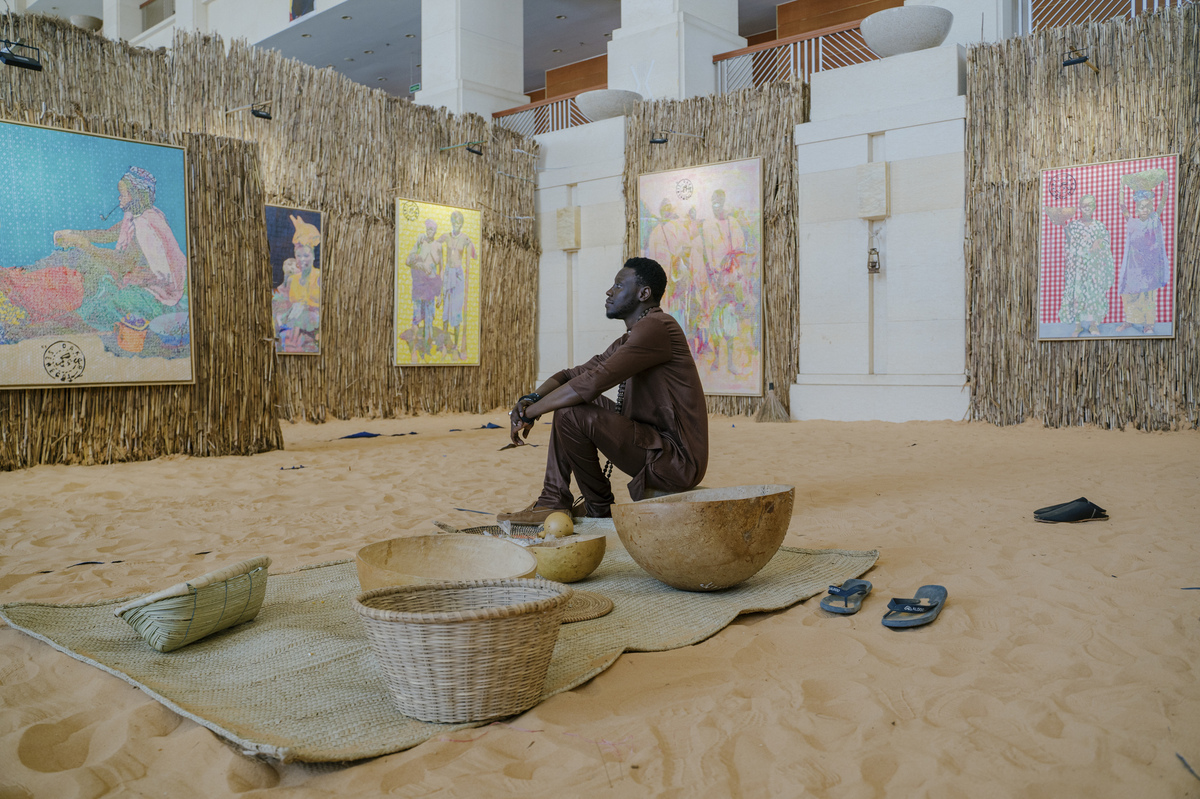
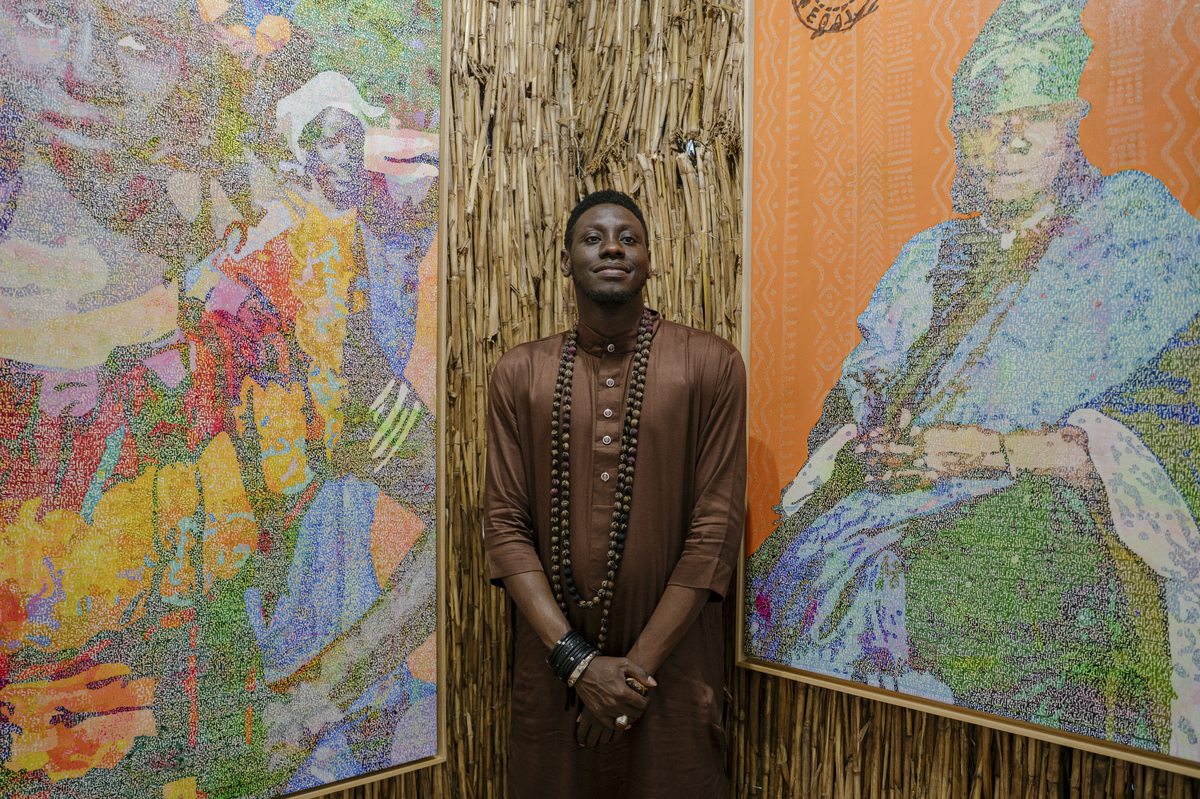
The large paintings are based on old French postcards depicting life in Senegal. They’re displayed in a replica of the courtyard of a traditional Senegalese home. It’s part of a re-creation of Senegal’s past from Senegalese artist Alioune Diagne, pictured above inside his Biennale exhibition at the Grand Théâtre National in Dakar.

Carmen Abd Ali for NPR


hide caption

toggle caption

Carmen Abd Ali for NPR


The large paintings are based on old French postcards depicting life in Senegal. They’re displayed in a replica of the courtyard of a traditional Senegalese home. It’s part of a re-creation of Senegal’s past from Senegalese artist Alioune Diagne, pictured above inside his Biennale exhibition at the Grand Théâtre National in Dakar.

Carmen Abd Ali for NPR

Outside, the afternoon heat has given way to the cool evening air. Bats swirl among the towering palm and baobab trees on the lawn of the Douta Seck cultural center in the bustling Medina neighborhood, just north of downtown Dakar. Inside, in the exhibition rooms, it’s humans flitting about, waltzing from one piece of art to the next – lingering at a painting here, a tapestry there.

They’re here for the Dakar Biennale, West Africa’s top contemporary international arts festival, which takes over the Senegalese capital every two years. Concerts, gallery openings, lectures, dance performances, and films are premiering across the city almost every day, from mid-May to mid-June.

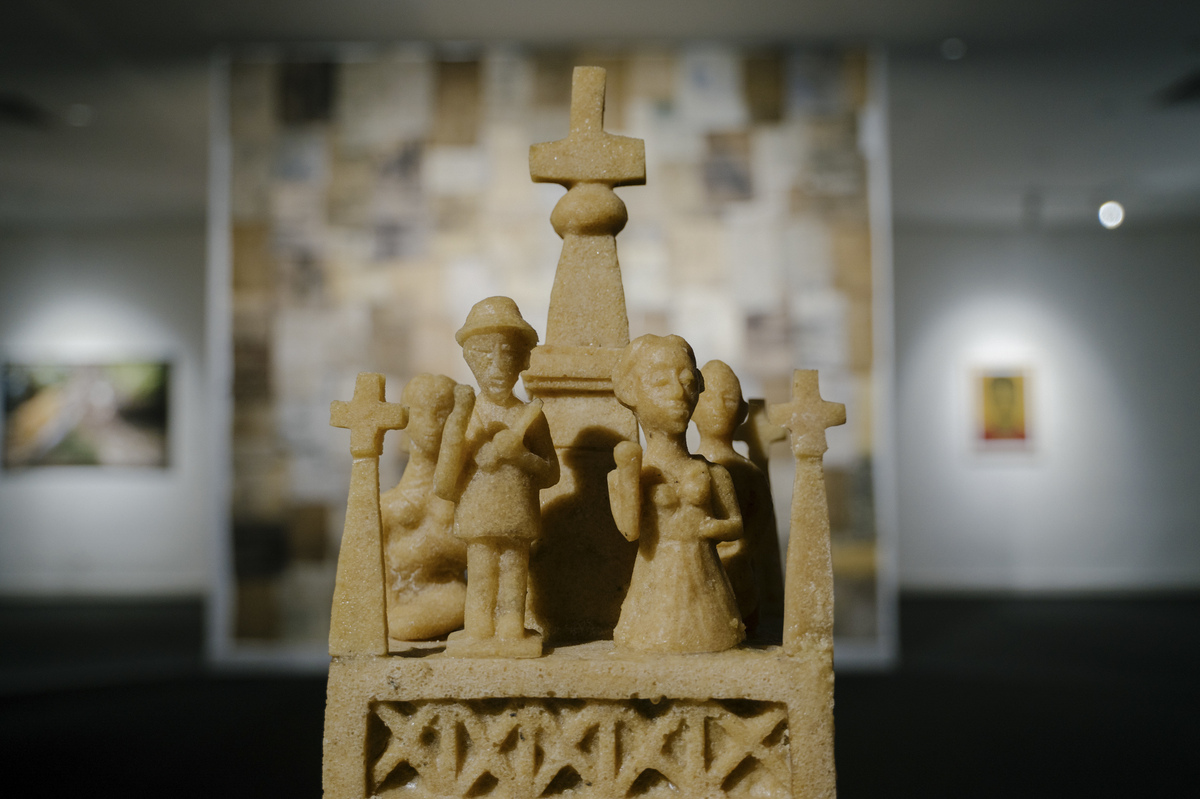
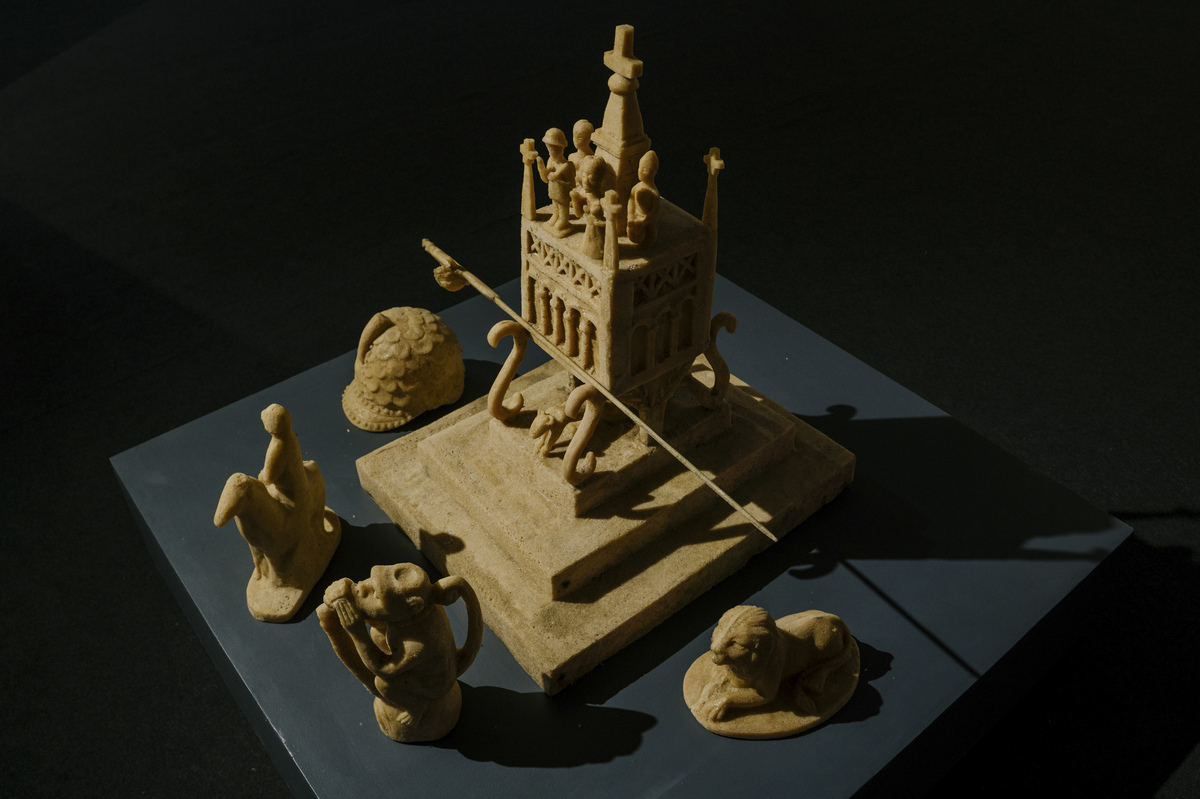
You might think of sugar as merely a sweetener. Congolese artist Hilary Balu turns it into art. His sculpture shown above depicts tombs of the kings of Congo and is called “Kongo, Banza.” Balu uses sugar to reference the past enslavement of Africans to work on sugar plantations. He won’t reveal how he turns sugar into art!

Carmen Abd Ali for NPR


hide caption

toggle caption

Carmen Abd Ali for NPR


You might think of sugar as merely a sweetener. Congolese artist Hilary Balu turns it into art. His sculpture shown above depicts tombs of the kings of Congo and is called “Kongo, Banza.” Balu uses sugar to reference the past enslavement of Africans to work on sugar plantations. He won’t reveal how he turns sugar into art!

Carmen Abd Ali for NPR

Your sculptures are made out of … what?

Upon reaching the beige sculptures of Hilary Balu, patron after patron at the center pauses to ponder the intricate, ancient-looking works of art – a replica of a sword and a helmet, sculptures of a lion and a monkey – all carved out of … out of what, exactly?

“What’s it made out of?” multiple people wonder aloud.

Sucre!” interjects Balu, who’s mingling with the crowd.

Sugar.

Most of the statues represent goods made by or traded by the Portuguese during their expeditions in the 15th and 16th centuries to the Kingdom of Kongo, located in present-day Democratic Republic of Congo and Angola, prior to Africa’s colonization.

A view of the sugar tombs sculpted by Congolese artist Hilary Balu.

Carmen Abd Ali


hide caption

toggle caption

Carmen Abd Ali


A view of the sugar tombs sculpted by Congolese artist Hilary Balu.

Carmen Abd Ali

Kongo was quick to adopt Christianity during this period. Balu’s replica of a tomb for the Kongolese king, adorned with crosses, shows how the two cultures mixed as they engaged in commerce and diplomacy. But the arrival of Europeans proved disastrous for Kongo. Their quest in that era for trade, slaves, and ultimately colonial domination led to the demise of the Kingdom of Kongo.

And why make statues out of something that could be destroyed by an errant cup of tea? Balu, a visual artist from Congo’s capital, Kinshasa, chose the medium carefully. He explains that the enslaved people were sent to labor on sugar plantations in Portuguese colonies and beyond and helped build the grandiose wealth of European empires. The legacy of this era lives on in the economic inequality between the global north and south today, he points out.

The objects he sculpted “represent the trajectories that these people [taken from Central Africa] took to end up being slaves in Brazil,” Balu says. “[Enslaved people] were used like tools, like an instrument, for sugar exploitation.”

When buying sugar at the supermarket in Kinshasa to make the statues, he bought local sugar, but also found imported sugar from Brazil. When forming the sculptures – using a secret method he will not divulge – he mixed the two products together, just like “the history of the two countries.”

A detail from “Kongo, Banza” by Congolese artist Hilary Balu. The statue is made of sugar.

Carmen Abd Ali for NPR


hide caption

toggle caption

Carmen Abd Ali for NPR

Balu is one of hundreds of artists from around the world presenting at the biennale, which is expected to draw some 250,000 visitors. Originally set for 2020 but sidelined by the pandemic, this year’s festival marks the 14th edition of the fair, which traces its roots to a literary festival launched in Dakar in 1990.

“For this Biennale, it’s an invitation to create new forms, new models, new relations,” said Elhadji Malick Ndiaye, the artistic director. The theme of this year’s festival is “Ĩ Ndaffa,” a word in the local Serer language that means “to forge,” or “out of the fire.” It’s the artist’s job, Ndiaye said, to propose “new ways to see the world.”

Fishermen haul in a fishing net in the eastern central Atlantic off Senegal. Belgian photographer Pierre Vanneste documents commercial fishing in his black-and-white photos.

Pierre Vanneste for NPR


hide caption

toggle caption

Pierre Vanneste for NPR


Fishermen haul in a fishing net in the eastern central Atlantic off Senegal. Belgian photographer Pierre Vanneste documents commercial fishing in his black-and-white photos.

Pierre Vanneste for NPR

Documenting how we hunt for fish

For Belgian artist Pierre Vanneste, who splits his time between Brussels and Dakar, the Biennale offered a chance to show his photography and video exhibit documenting the commercial fishing industry, a project that stretched from Brittany in northwestern France to Senegal.

His intimate black and white photos show Senegalese men fishing the Atlantic in the country’s famous, often brightly-painted wooden pirogues. Vanneste also snapped photos aboard massive commercial fishing boats – the kind favored by European and Asian firms often accused of overfishing which, along with climate change, is causing West African fish stocks to plummet.

A fishing stall in Dakar. Overfishing has threatened local fish stocks.

Pierre Vanneste for NPR


hide caption

toggle caption

Pierre Vanneste for NPR


A fishing stall in Dakar. Overfishing has threatened local fish stocks.

Pierre Vanneste for NPR

Photographer and documentary video maker Pierre Vanneste depicts modern-day fishing: the lives of those who fish, especially Senegalese, and the toll of fishing.

Carmen Abd Ali for NPR


hide caption

toggle caption

Carmen Abd Ali for NPR


Photographer and documentary video maker Pierre Vanneste depicts modern-day fishing: the lives of those who fish, especially Senegalese, and the toll of fishing.

Carmen Abd Ali for NPR

“Fish is the last wild resource that man hunts industrially, in order to be sold afterward industrially,” says Vanneste, whose photographic work concentrates on people’s relationship to nature. He’s hoping viewers start to question the environmental toll of mass-scale fishing and fish consumption, and the role that European and Asian trawlers – but also the Senegalese fishing industry, which itself is starting to expand and modernize – plays in it.

Senegalese artist Alioune Diagne wanted to capture the long ago life of his homeland. He found a trove of old postcards in France that show colonial-era live and created paintings based on the cards.

Carmen Abd Ali for NPR


hide caption

toggle caption

Carmen Abd Ali for NPR


Senegalese artist Alioune Diagne wanted to capture the long ago life of his homeland. He found a trove of old postcards in France that show colonial-era live and created paintings based on the cards.

Carmen Abd Ali for NPR

Reviving classic village homes and colonial era postcards

A few blocks away, at the Grand Théâtre National, a wall of dried millet stalks greets visitors coming to see Senegalese painter Alioune Diagne’s show entitled “Ëttu Ker—Inner Courtyard.” Stepping through the wall’s open threshold, onto the sand covering the floors, they’re transported from the ornate, chandelier-adorned theater into a space resembling a typical Senegalese compound in the countryside. The stalks fence in a sandy, open courtyard, a type of home design that still dominates in rural areas today.

“My heart is cold,” says Baye Gora Mbaye, using a phrase in the local Wolof language to express happiness. He works in Dakar as an art talent manager but grew up in a small village a few hours away, and is passing through the exhibition on a way to a conference for his profession. “I’m back in the village,” he tells Diagne.

The paintings created by Alioune Diagne were inspired by old postcards and photographs of Senegal made by Europeans in the late 19th and early 20th centuries. It’s Diagne’s way of capturing the vanished images of the past.

Carmen Abd Ali for NPR


hide caption

toggle caption

Carmen Abd Ali for NPR

Inside Diagne’s carefully constructed replica compound – with cooking utensils, mats, and traditional wooden bowls filled with millet and corn to add an authentic touch – hang bright paintings inspired by a trove of colonial-era postcards depicting life in Senegal in the 1800s and 1900s he found while visiting France.

“In Senegal, history was [mostly] done in an oral fashion,” Diagne says. “We don’t have a lot of images – so I said to myself, I wanted to try to do this collection about the memory of Senegal, and bring it back to the source.”

His paintings recreate those postcards, transforming them from small pieces of paper to large, pastel-colored canvases. The country’s full history, Diagne says, is important for young Senegalese to know – including how people ate, dressed and lived in the past.

This painting by Alioune Diagne shows a hairdresser working on the street.

Kem Photography


hide caption

toggle caption

Kem Photography

“If we try to think back to this history, it can give us an idea today of how we can live again in solidarity and how we can also keep our values,” he says, noting that as the country urbanizes, communal courtyards are being replaced with private homes and apartments. “Because values start to disappear over time, people become more and more selfish, people become more and more individualistic.”

And in its own way, the biennale itself is a way of capturing a sense of intimate community: Inside the galleries, the massive city of 3 million-plus suddenly shrinks away as strangers come together over art. Back at Douta Seck, an international crowd mixes among the paintings, sculptures and photos. A performance from Nigerian rapper Teni bleeds into the night, leaving patrons with only a brief respite before they pick back up tomorrow with more gallery openings to go to than can possibly be attended.

Nick Roll is a freelance journalist based in Dakar.

Winning Photos from the 2021 Landscape Photographer of the Year Comp

Yosemite National Park

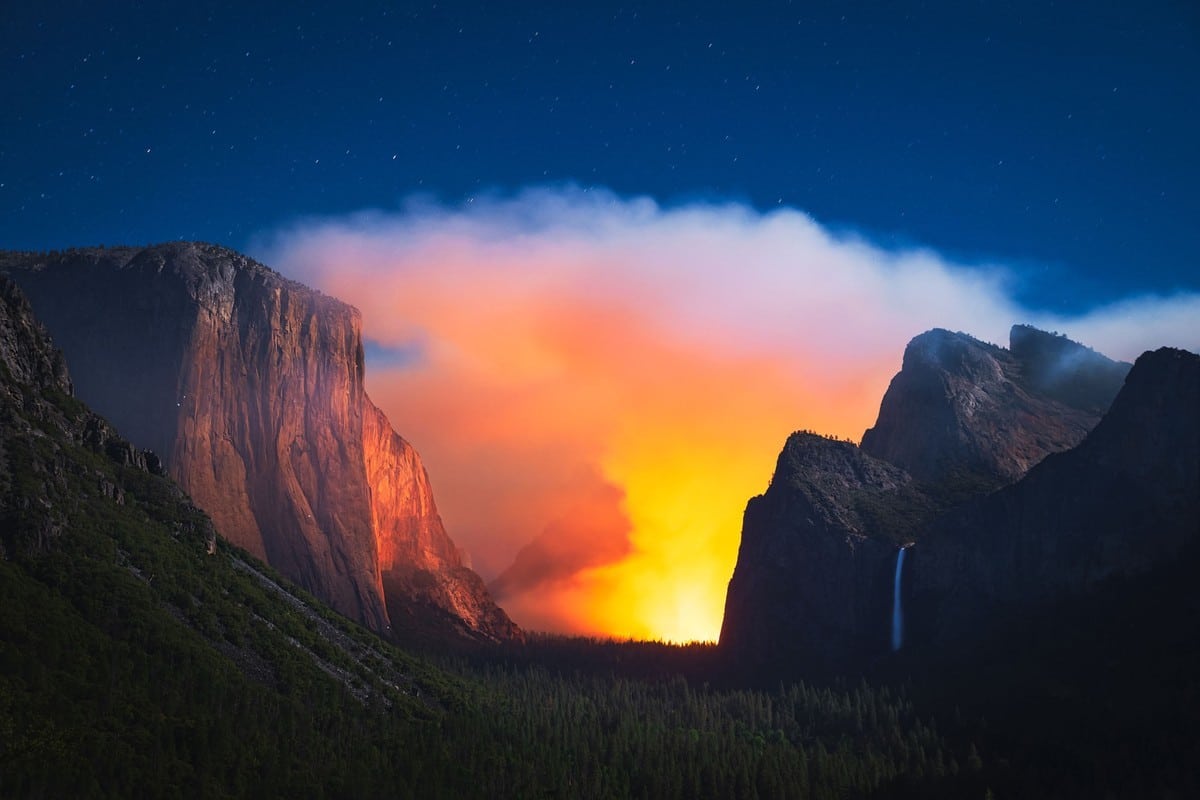
“Fire” by Marcin Zajac. Yosemite National Park, USA.

From over 4,500 entries, 100 images were selected for their quality in the 2021 International Landscape Photographer of the Year awards. This annual contest has been going strong for eight years; and this year, an incredible photo of the Comet Neowise as well as a portfolio of images from Cappadocia, Turkey, took home the top awards.

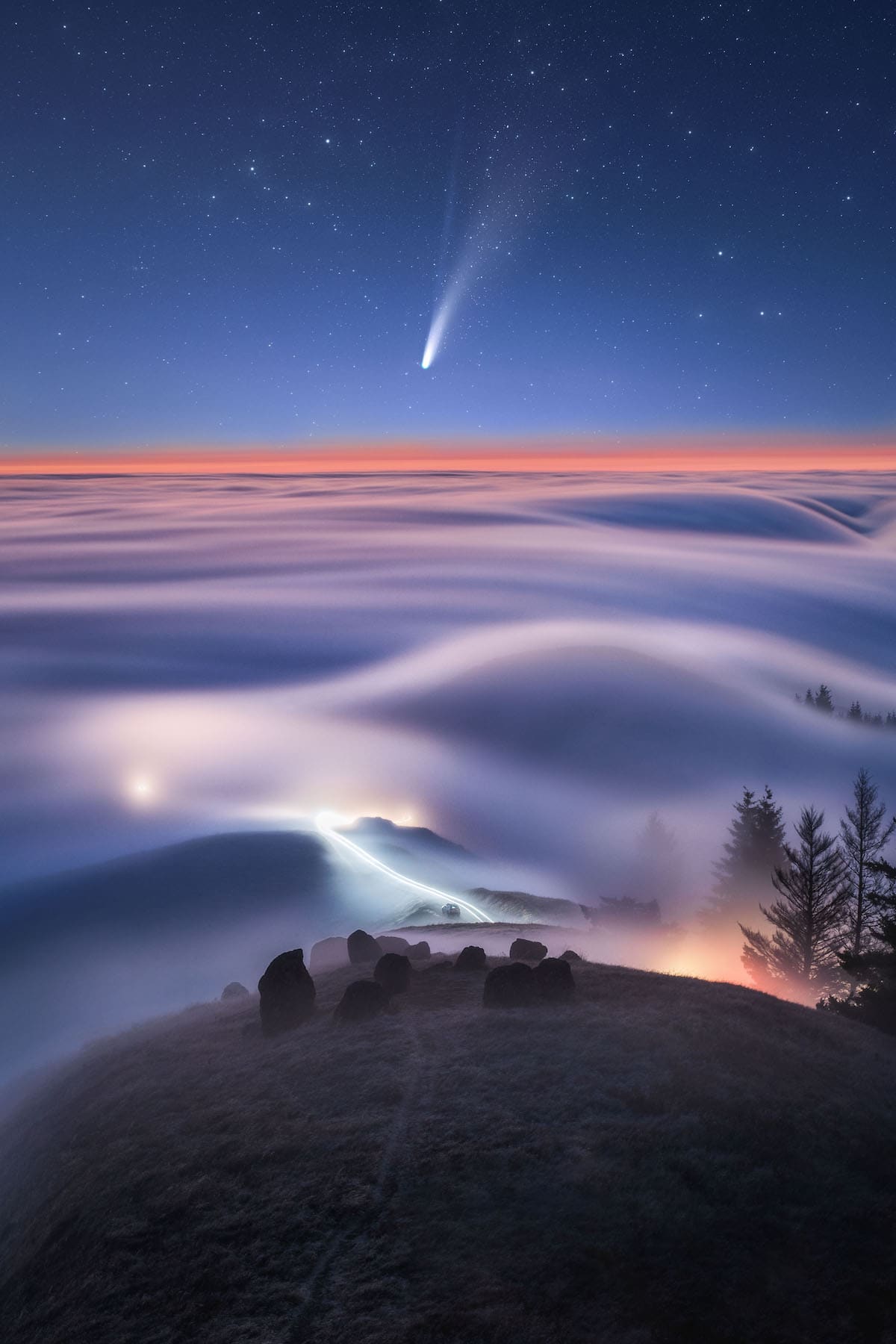
Tanmay Sapkal’s photograph of the comet falling down over Mount Tamalpais just north of San Francisco was singled out as the International Landscape Photograph of the Year. In the image, the fog rolls over the hills and creates the perfect atmosphere to take in the breathtaking shooting star. For Sapkal, landscape photography is a creative outlet that allows him to explore the world in his free time away from work as a hardware design engineer for Apple. His win proves that you don’t need to be a professional to take award-winning photographs.

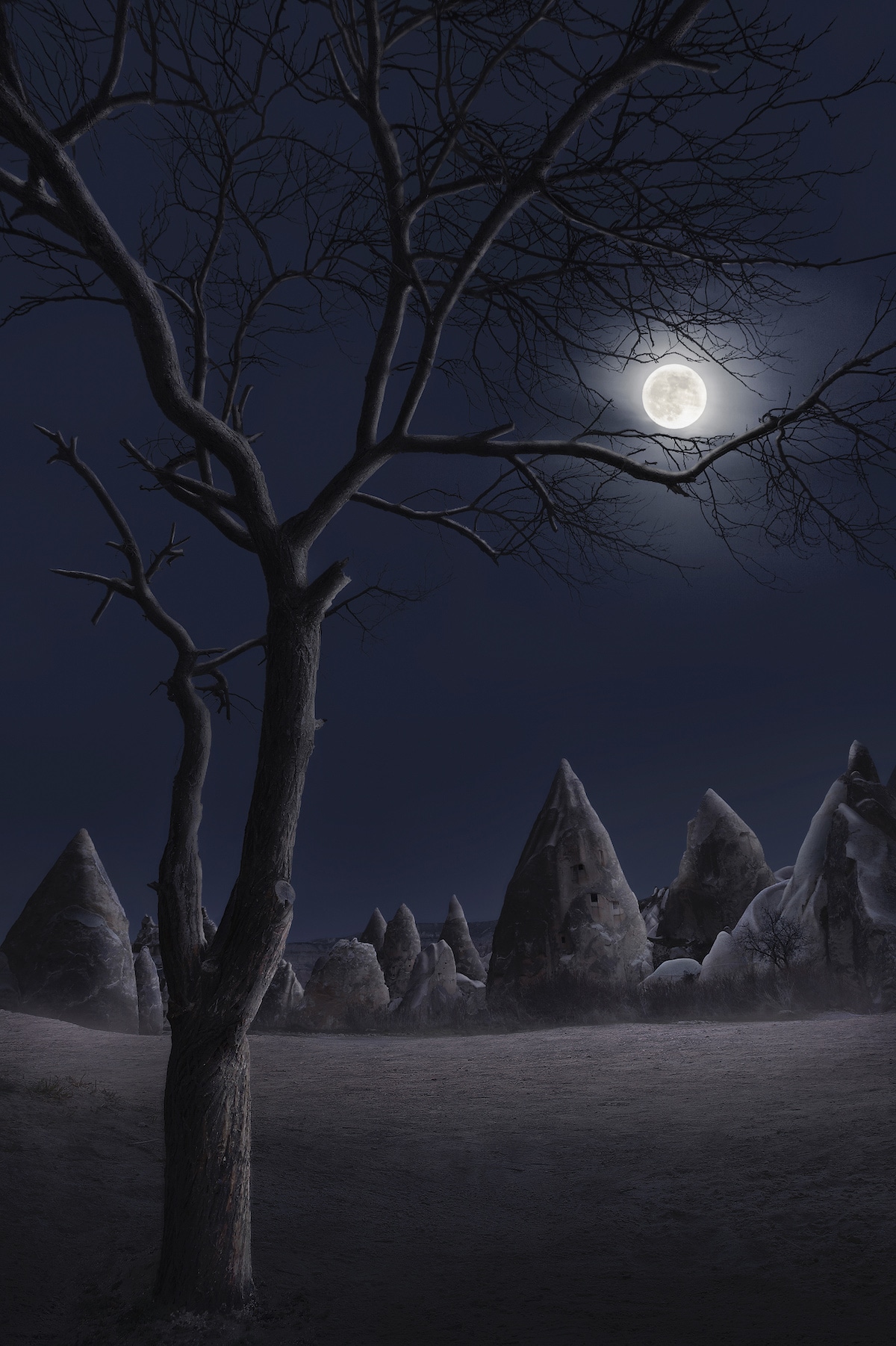
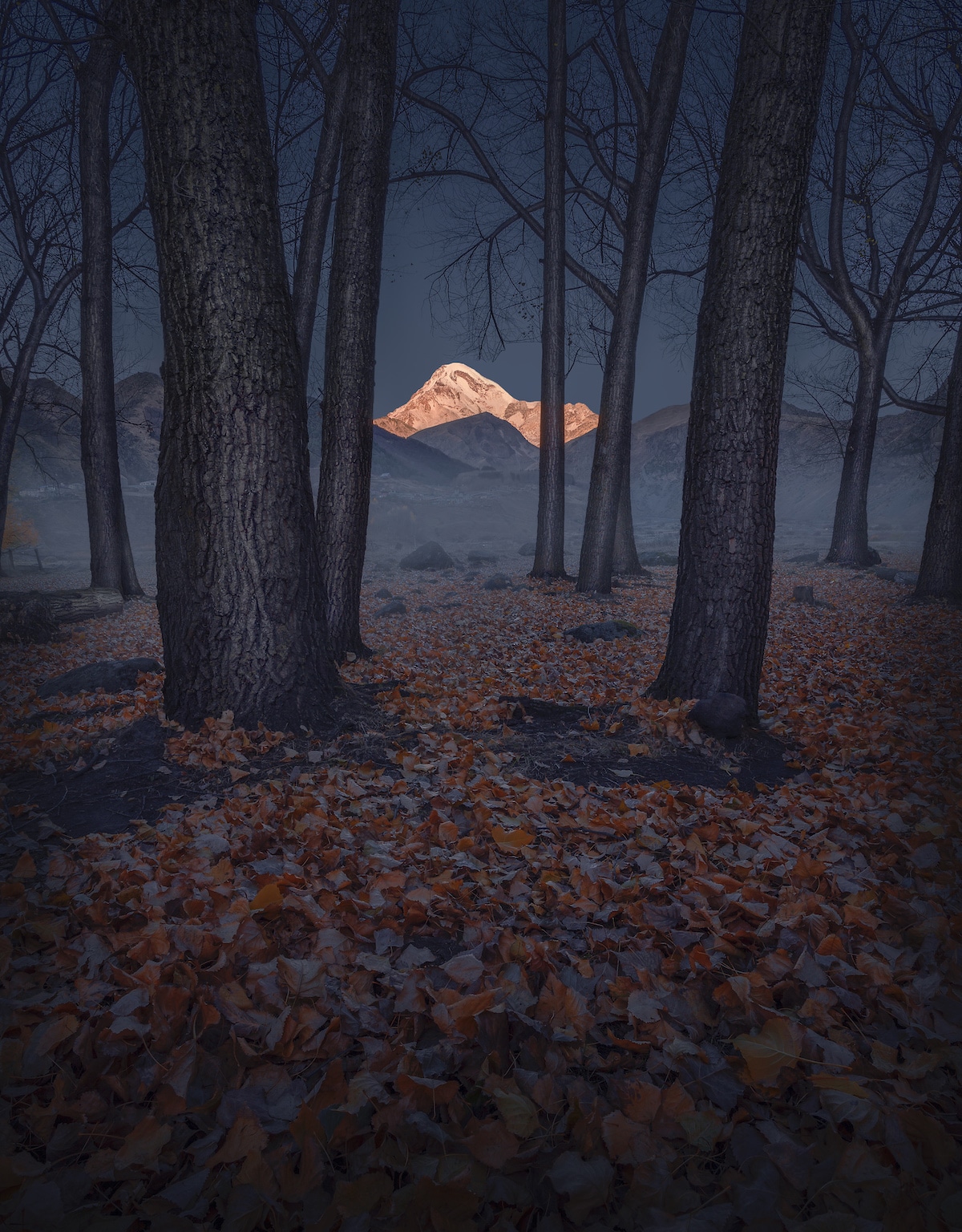
The other top prize of International Landscape Photographer of the Year went to Aytek Çetin of Turkey. His portfolio of work was judged as superior by an expert panel of judges. Many of his dramatic images highlight the beauty of Cappadocia in central Turkey. “The 60-million-year-old story of fairy chimneys and the fact they have been home to different civilizations for tens of thousands of years makes Cappadocia extremely mysterious for me,” he shared. “If you are lucky, you can visit there during hazy, atmospheric conditions with a soft light pushing through at sunrise or sunset.”

Çetin found his passion for landscape photography after deciding to switch from his usual seaside vacations and explore the mountains. This change allowed him to fall in love with nature and his affection for the natural world clearly comes through in his photographs.

Aside from the top award winners, there are plenty of excellent photographs to view. From explosive volcanos in Iceland to wintery views of the forest, these images highlight the wide variety of landscapes around the globe. “I find it quite compelling that what drives one landscape photographer can be so different to another,” shares Chairman of Judges Peter Eastway. “For some, the capture of nature at its most wonderful is reward enough. In fact, these are the moments photographers live for, and being out in the landscape is often as enjoyable as capturing it with a camera.”

See the incredible winning photos from the 2021 Landscape Photographer of the Year contest.

Comet Neowise Over Marin County

“Comet NeoWise Setting, Marin” by Tanmay Sapkal. Mt. Tamalpais, Marin, CA, USA. Winner, International Photograph of the Year.

Landscape Photos of Cappadocia

“Story of Ages” by Aytek Çetin. Cappadocia, Turkey. Winner, International Landscape Photographer of the Year.

Kazbek Mountain, Georgia

“From Twilight to Light” by Aytek Çetin. Kazbek Mountain, Georgia. Winner, International Landscape Photographer of the Year.

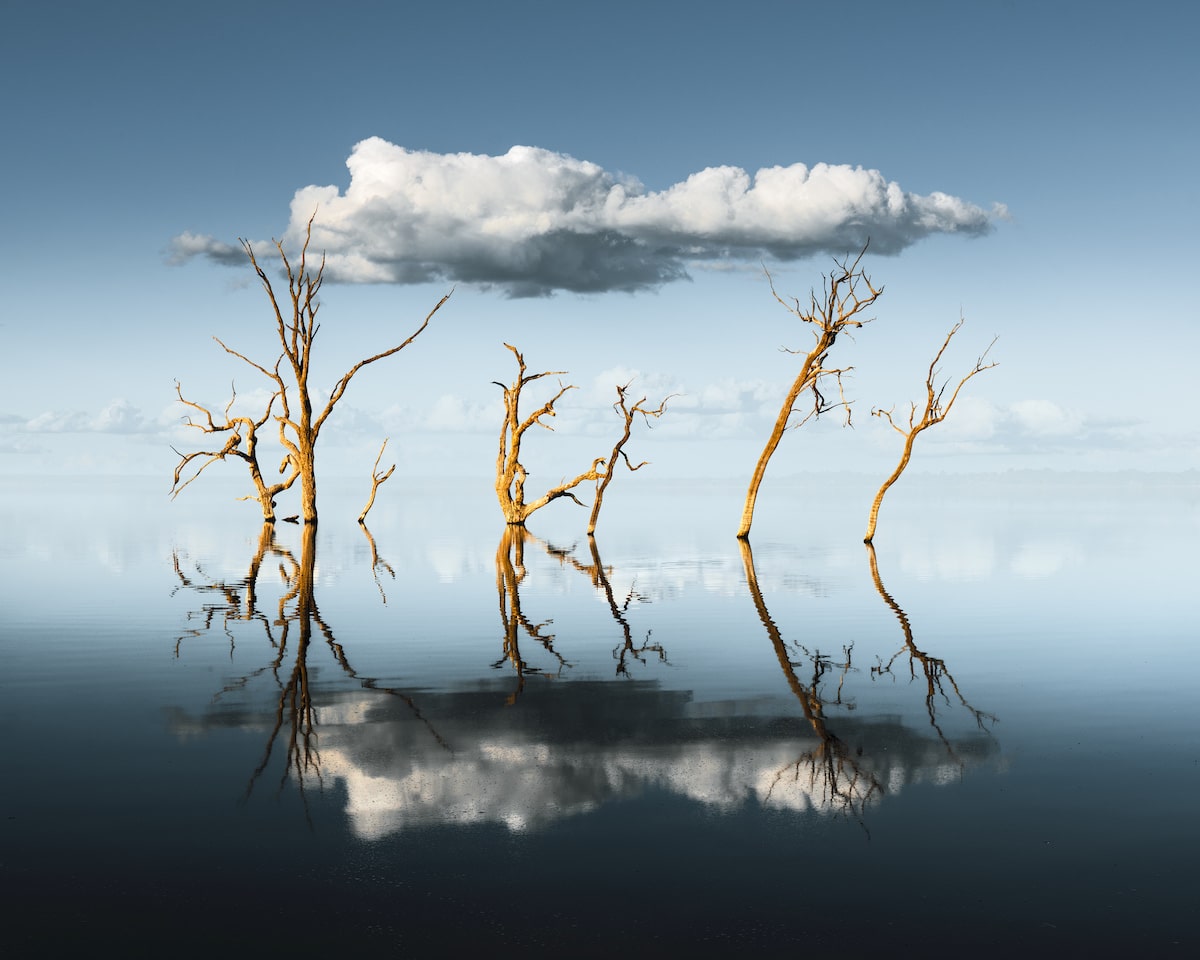
Lake Bonney in South Australia

“Reflector” by Ben Goode. Lake Bonney, South Australia.

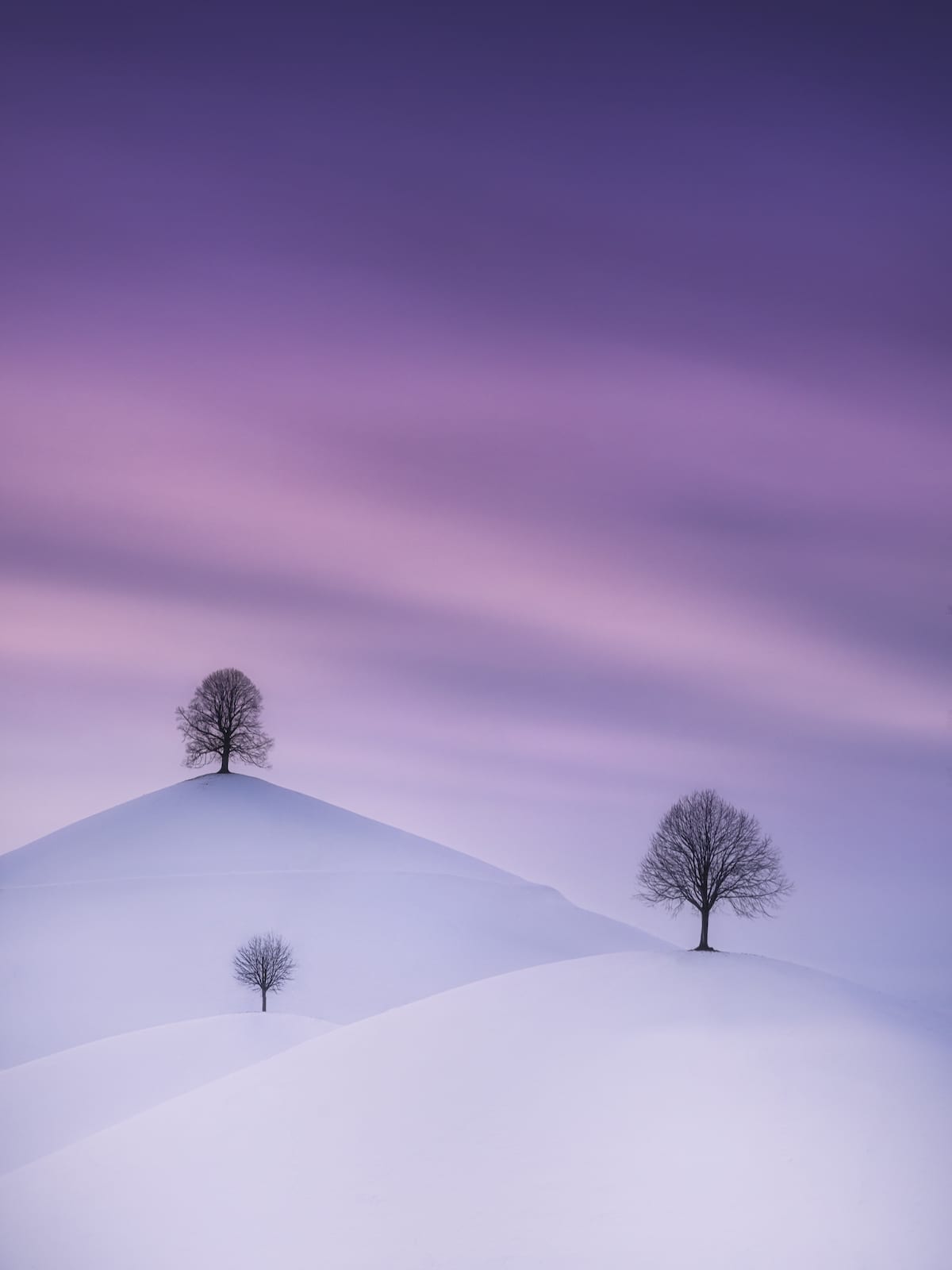
Landscape in Menzingen, Switzerland

“The Drumlins in Winter” by Cédric Tamani. Menzingen, Switzerland.

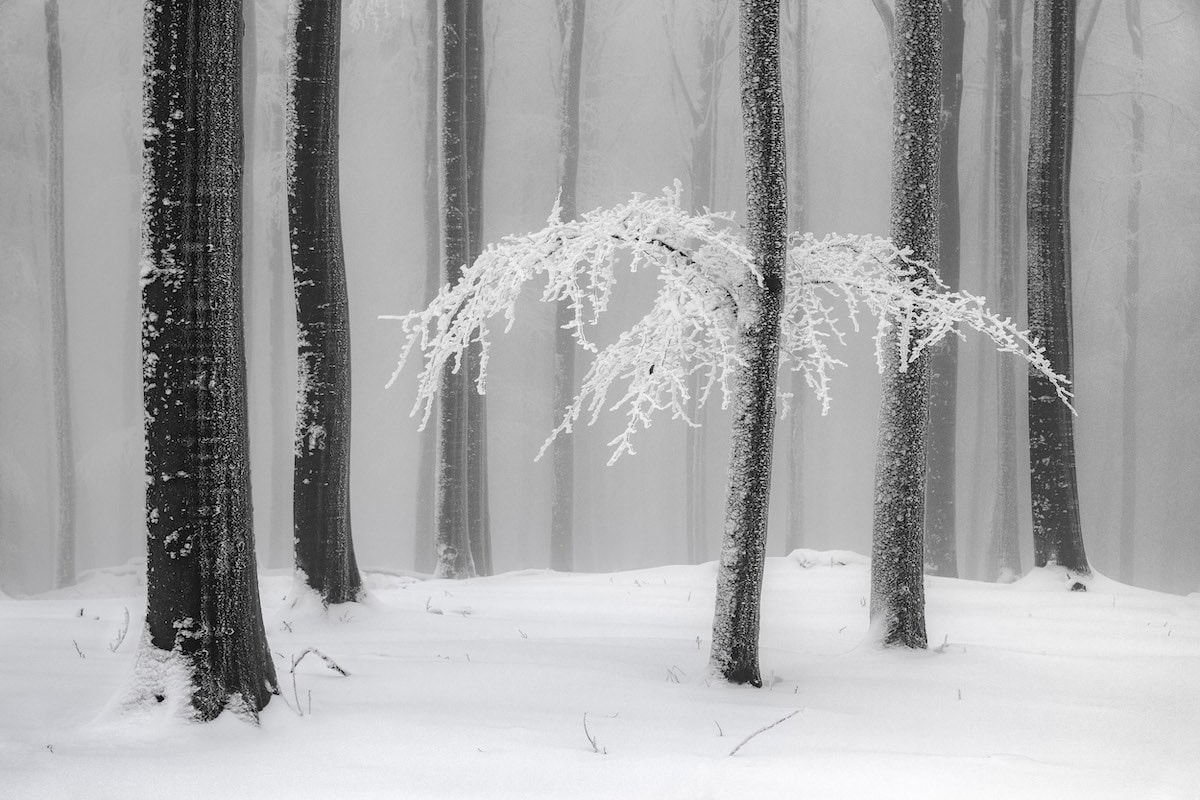
Ice on Tree Branch in German Forest

“Winter Forest” by Heiner Machalett. Neunkircher Höhe, Hesse, Germany. The Monochrome Award, 2021.

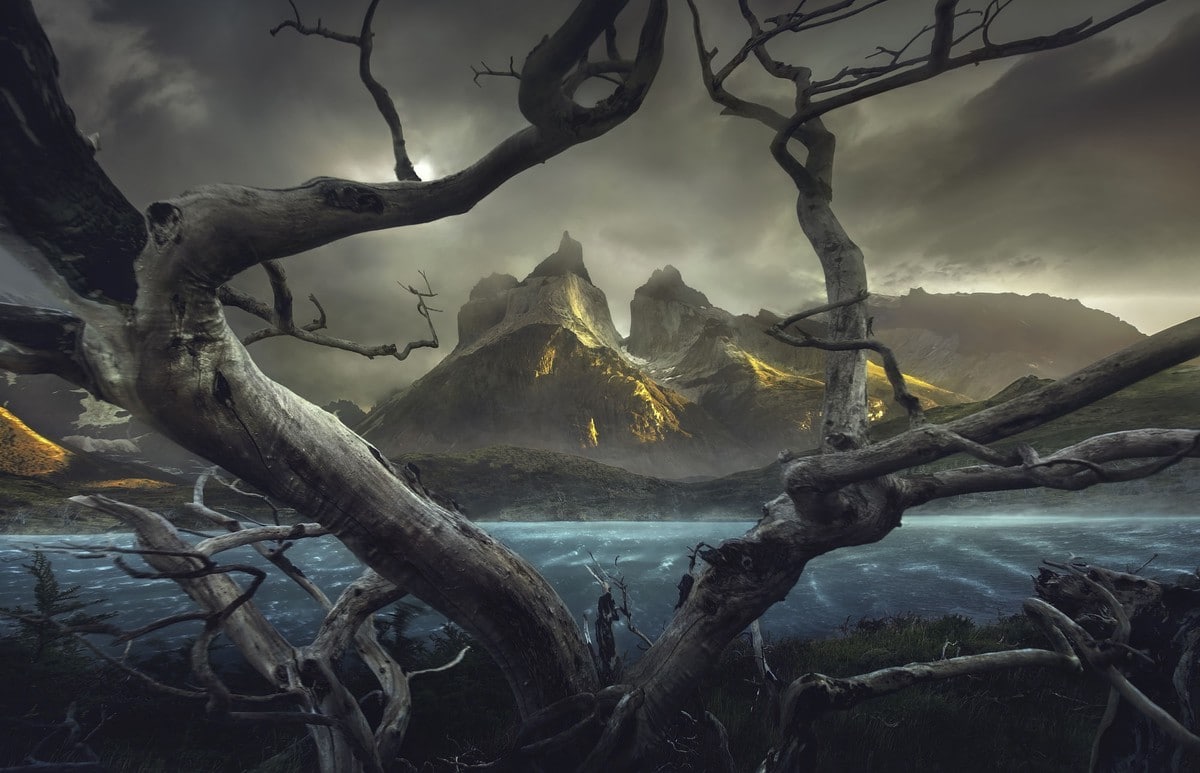
Torres Del Paine National Park, Chile

“Tree Frame” by Chandra Bong. Torres Del Paine National Park, Chile.

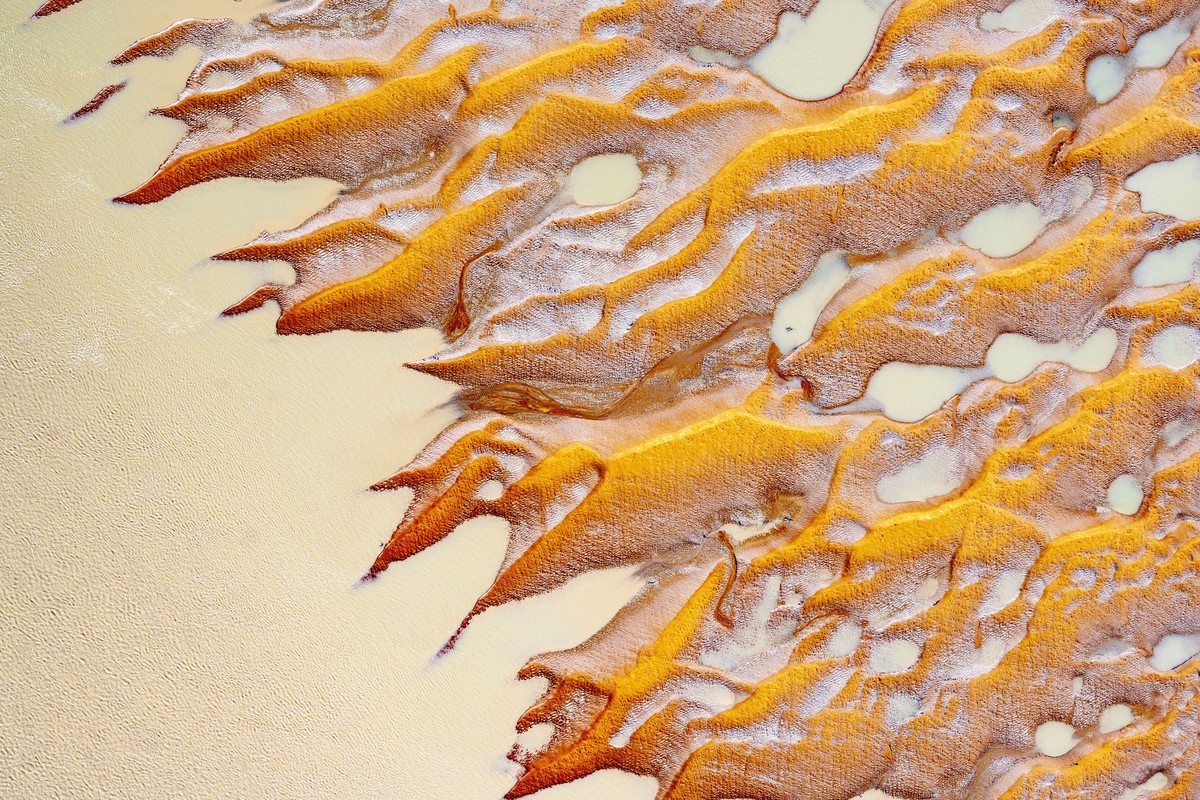
Aerial View of Sandbar in Derby, Australia

“Derby Sandbar” by Tom Putt. Derby, Western Australia.

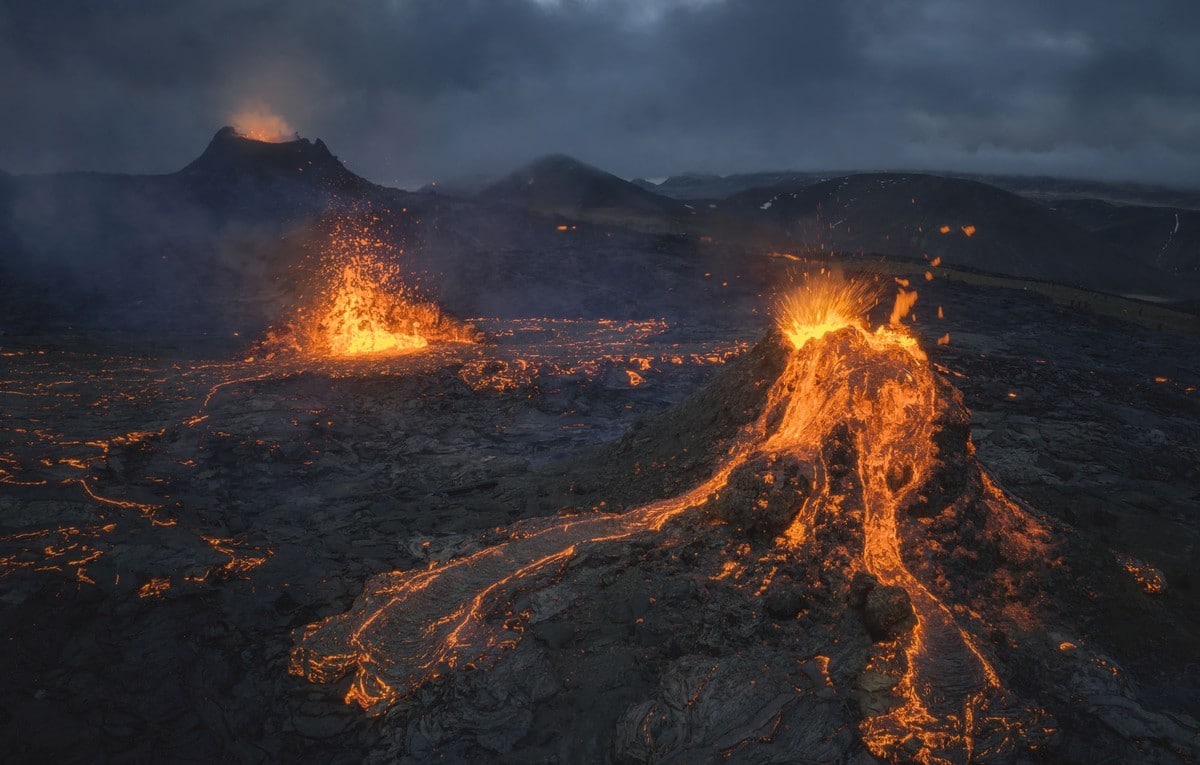
Fagradalsfjall Volcano

“Fire in the Hole” by Itai Monnickendam. Fagradalsfjall Volcano, Reykjanes Peninsula, Iceland.

Solitary Man Walking in the Desert

“Alone 2” by Jade Lv. Kumtag Desert, Xinjiang Province, China.

 Lago Laceno in Italy

“The Winter of the Lake” by Mimmo Salierno. Lago Laceno, Italy. The Snow & Ice Award 2021.

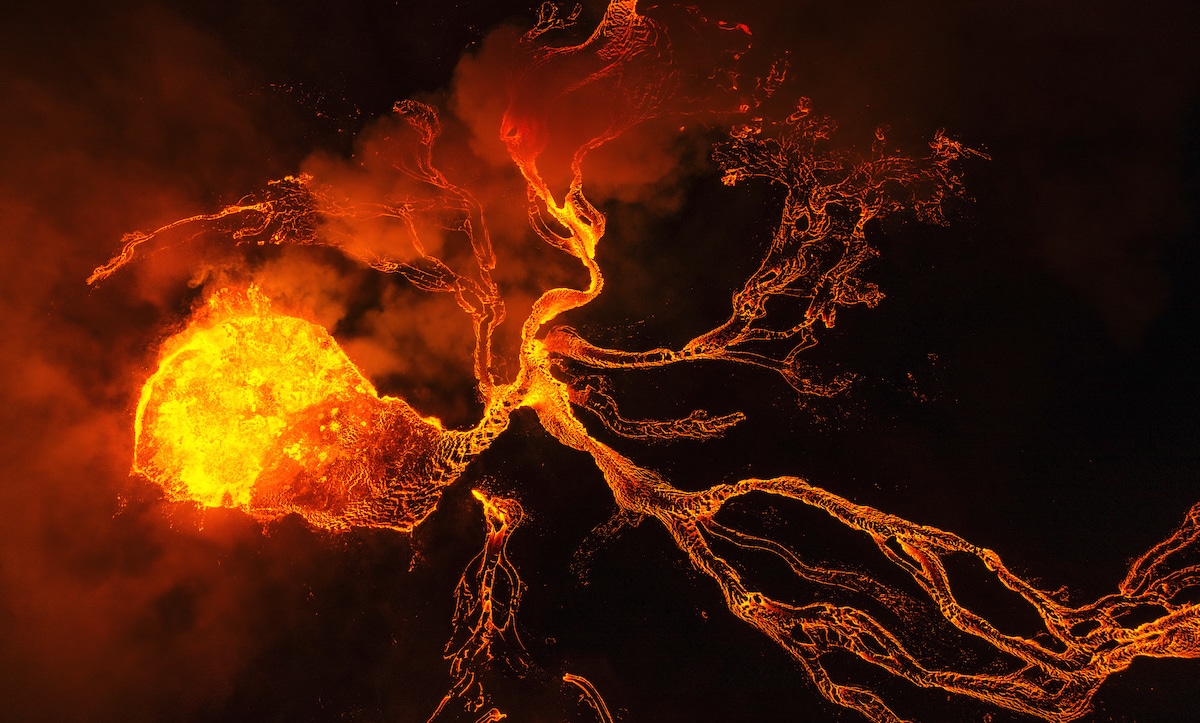
Aerial View of an Active Volcano in Iceland

“Depths of Hell” by Chris Byrne. Iceland. The Amazing Aerial Award 2021.

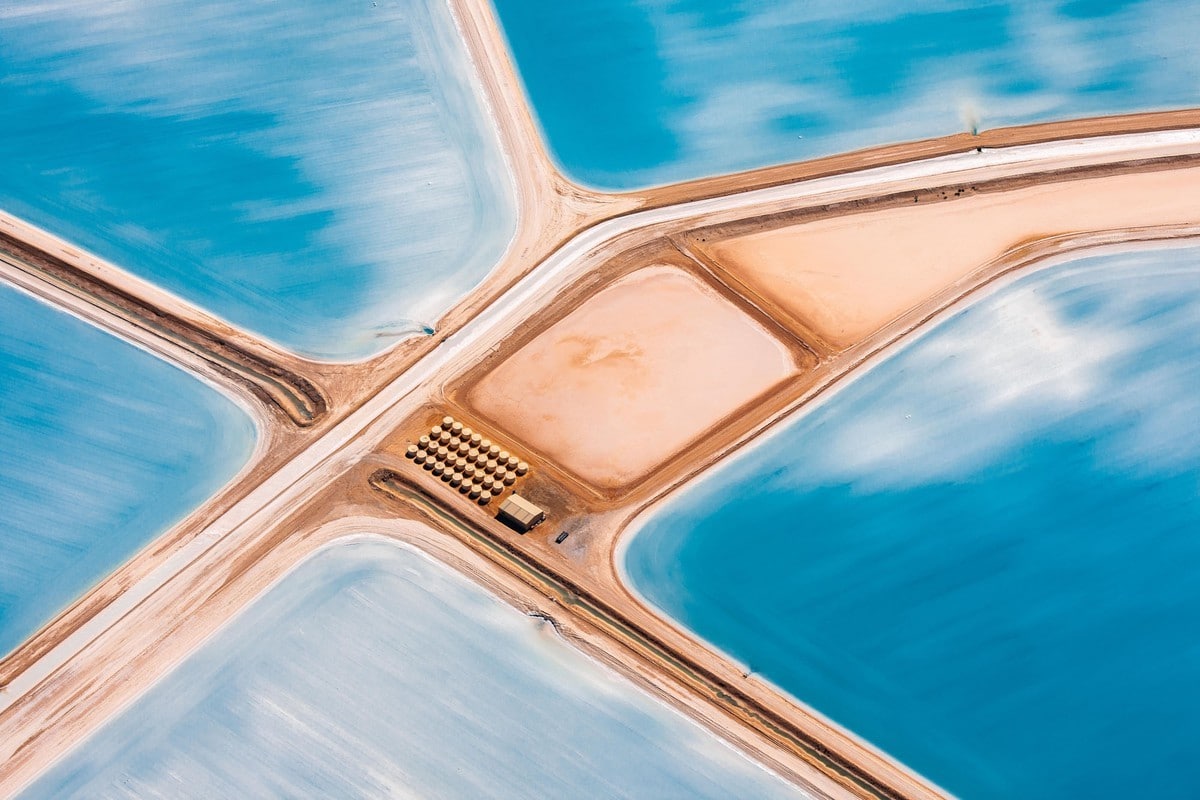
Aerial View of Useless Loop in Western Australia

“Artist’s Palette” by Prithvi Bhattacharya. Useless Loop, Western Australia.

Northern Lapland, Sweden

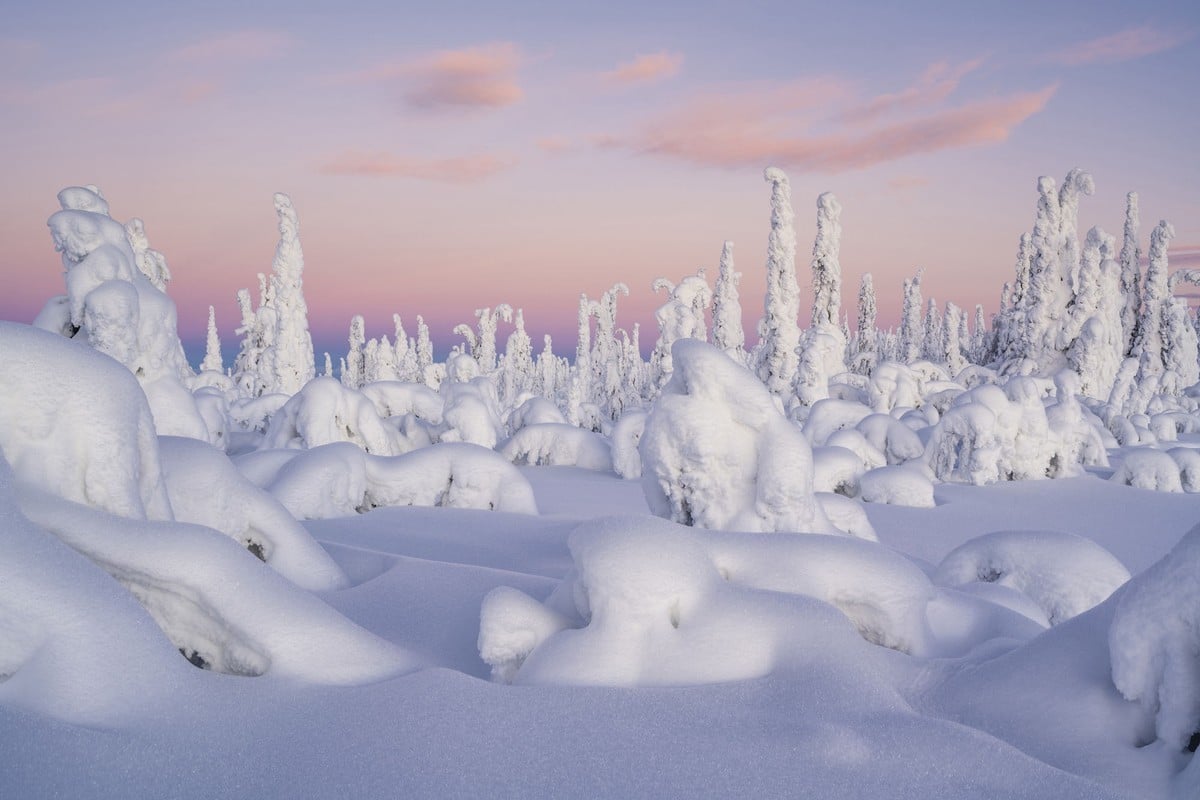
“Midwinter Morning” by Gunar Streu. Northern Lapland, Sweden.

Trees Covered by Ice

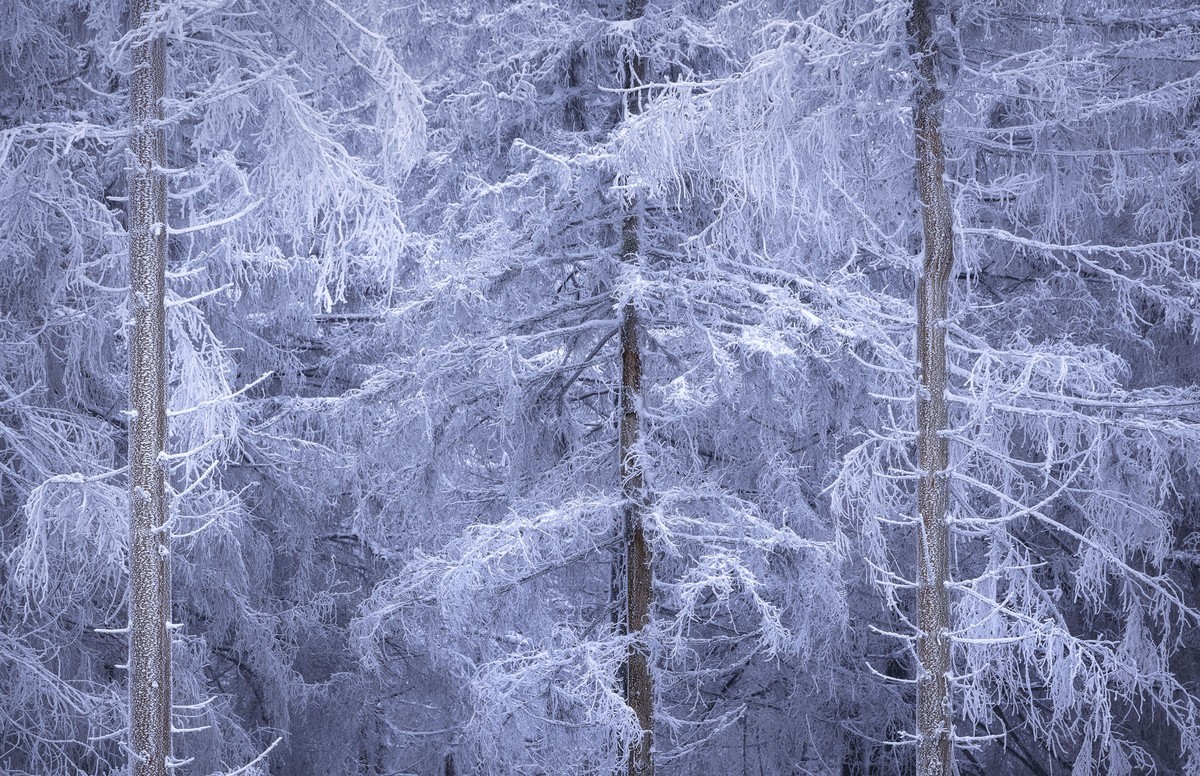
“Winter Gestalt” by Kai Hornung. Harz, Germany.

Mountain in Tongariro National Park

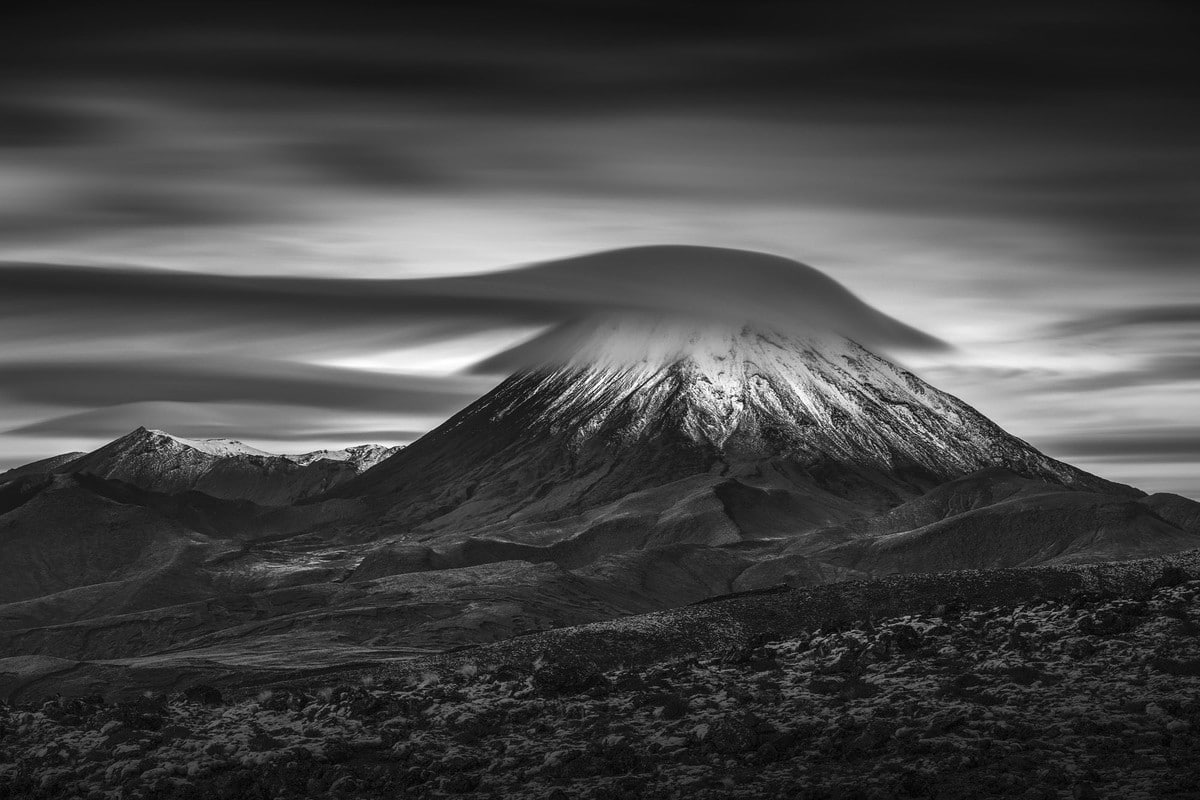
“The Cap on the Snowy Mountain” by Jana Luo. Tongariro National Park, New Zealand

Abraham Lake in Alberta, Canada

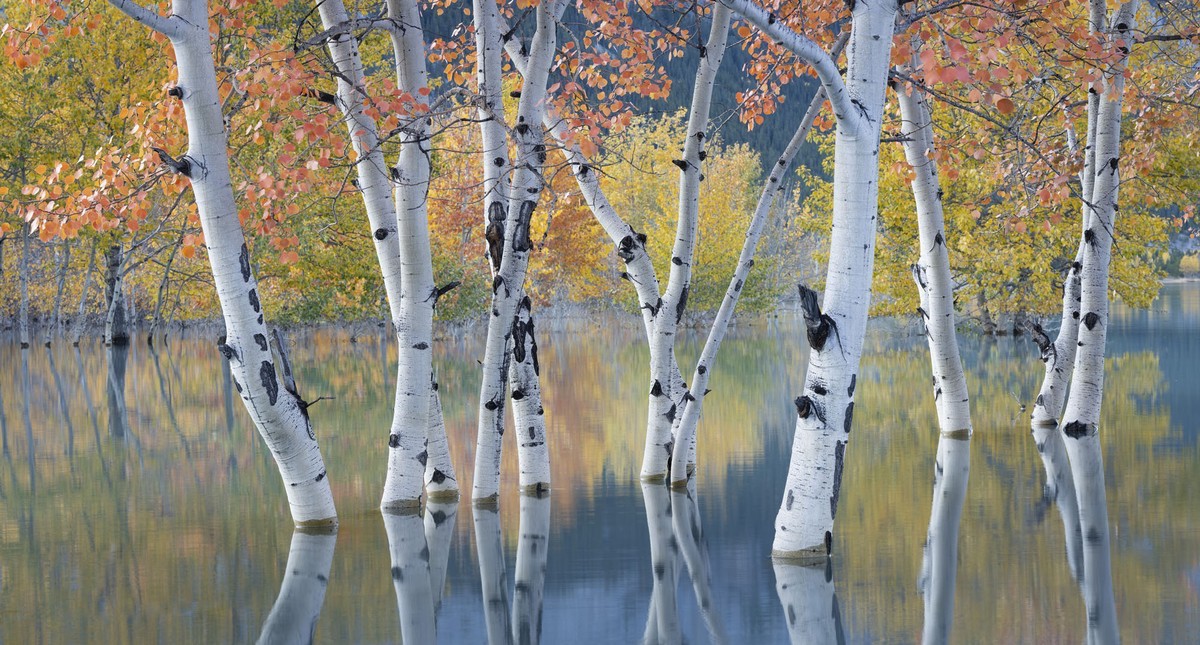
“Grand Finale” by Adam Gibbs. Abraham Lake, Alberta, Canada.

Mount Sleese in British Columbia

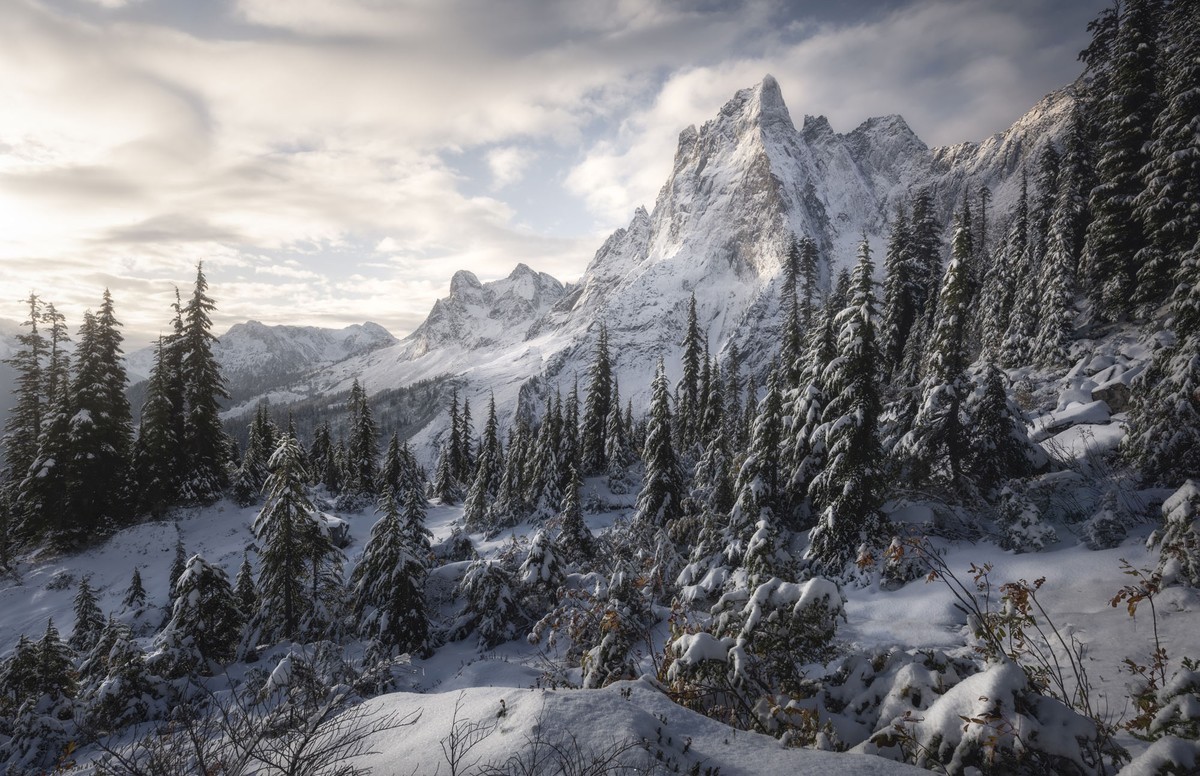
“Kingdom of Winter” by Matt Jackisch. Mount Slesse, British Columbia, Canada.

Badain Jaran Desert in Western Inner Mongolia

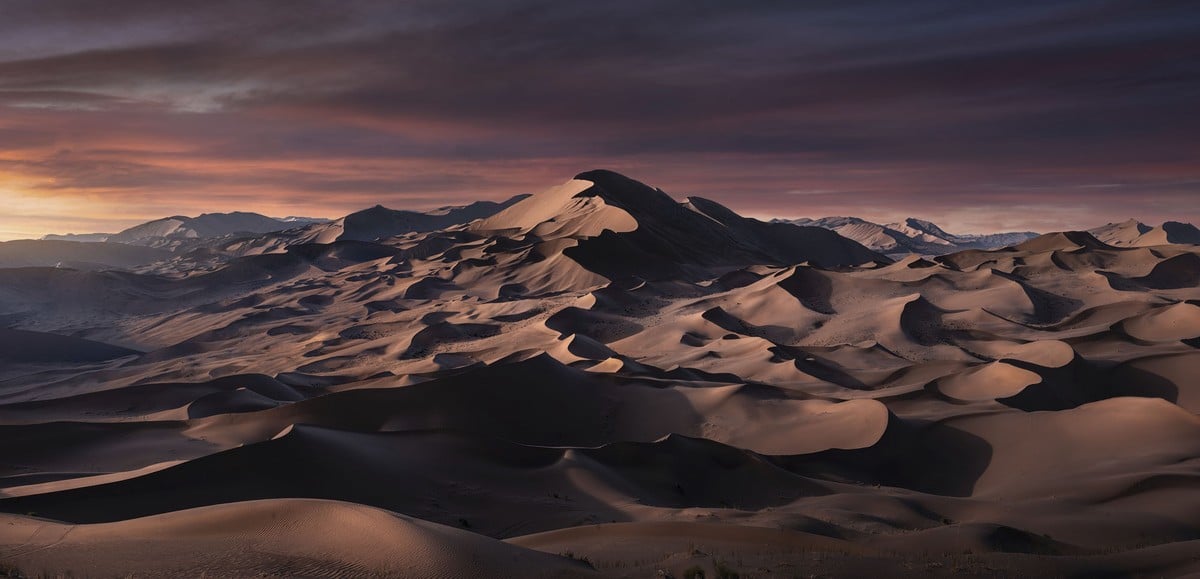
“Golden Desert” by Jinyi He. Badain Jaran Desert, Western Inner Mongolia, China.

International Landscape Photographer of the Year: Website 

My Modern Met granted permission to feature photos by International Landscape Photographer of the Year.

Related Articles:

Awe-Inspiring Winners of the 2021 Natural Landscape Photography Awards

Amazing Winners of the 2018 International Landscape Photographer of the Year Contest

Breathtaking Winners of the 2019 International Landscape Photographer of the Year Contest

20 Incredible Winning Images From the 2020 International Landscape Photographer of the Year Contest

10 AMAZING interior pieces by top Russian designers (PHOTOS)

Taras Zheltyshev Polli Merchandise Irina Belonosova

From a crypto-chess set to recycled carved window surrounds: These designs of interior objects and furniture redefine national traditions and employ new systems.

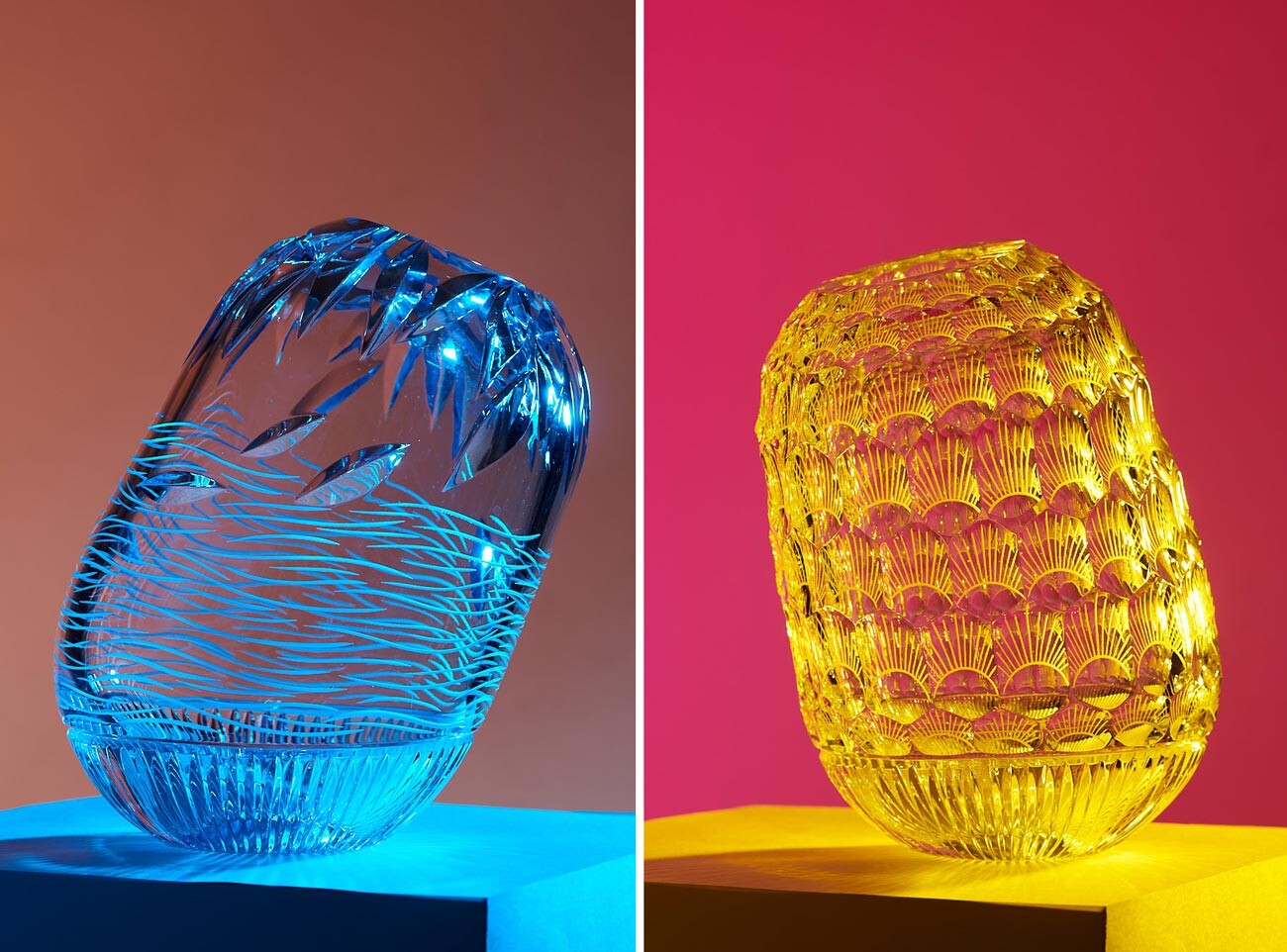
1. 4 Seasons vases, Treivas x B.Lab

The “Four Seasons” sequence contains 4 crystal vases with unique styles – snowflakes, petals, flecks of daylight, and leaves. It was motivated by the yr 2020, a difficult time when we predominantly finished up looking at the shifting of the seasons from our home windows. Treivas Architecture Studio, led by architect and artist Olga Treivas, is offering new indicating to the quite character of the content.

Crystal glass is historically linked with fragility, but these objects, on the contrary, seem monumental and even brutalist. In addition to showcasing the substance, the designers offer a distinctive standpoint on its cultural qualifications. In the USSR, crystal glass was not only a synonym for a stock product in brief source, but also a symbol of celebration and enchantment. The series was developed in collaboration with Irina Baranova’s Company Laboratory B.Lab and created at the historic Gusev and Bakhmetev crystal factories.

2. Spiritus aroma diffuser clock, KIBARDINDESIGN studio

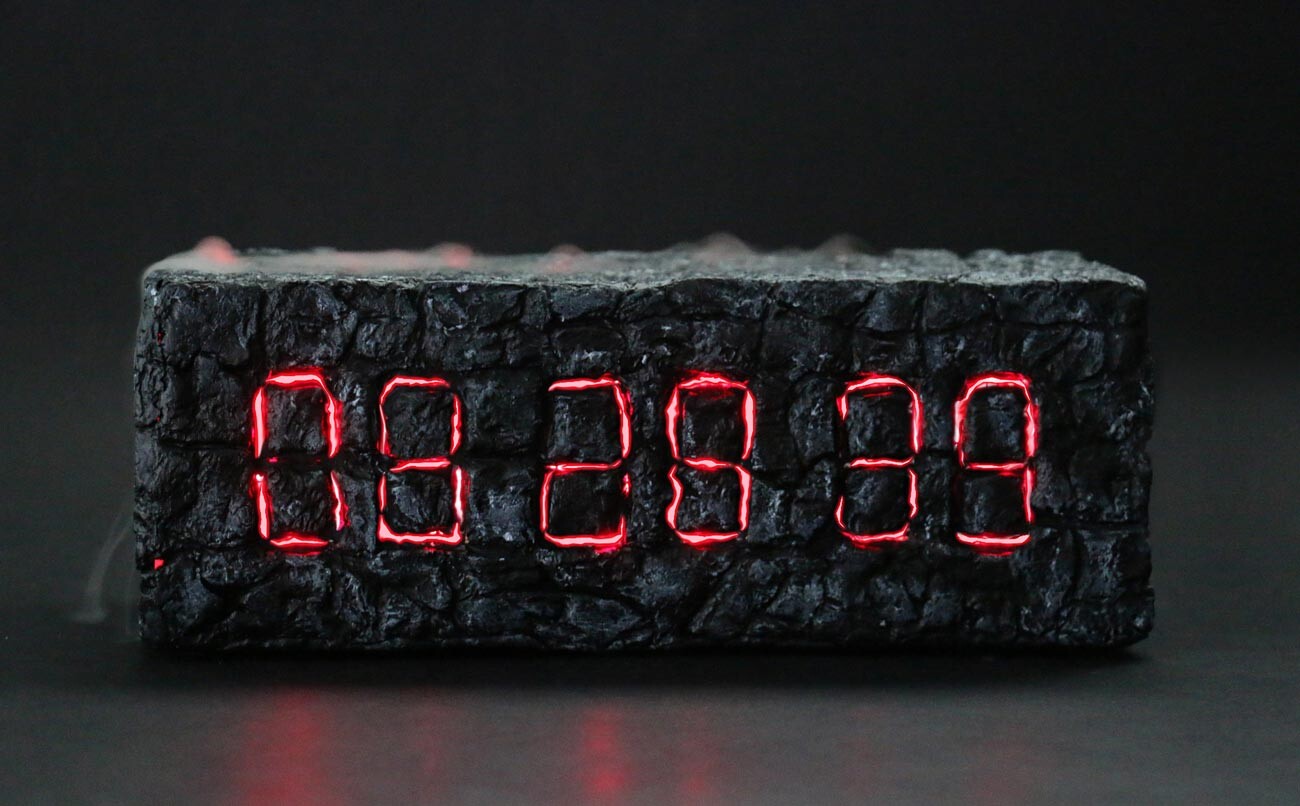
Vadim Kibardin has introduced the manufacturing of “Spiritus” by KIBARDIN. It was patented by the designer and integrates numerous features: an aroma diffuser and an electronic clock with sensible controls. The product is enclosed in a case imitating charred wooden (in the type of the standard Japanese approach of yakisugi) and incorporates LED illumination, creating an practically magical effect. You can set distinctive instances for the procedure of the diffuser – (which has a 300 ml reservoir) – from 30 to 180 minutes.

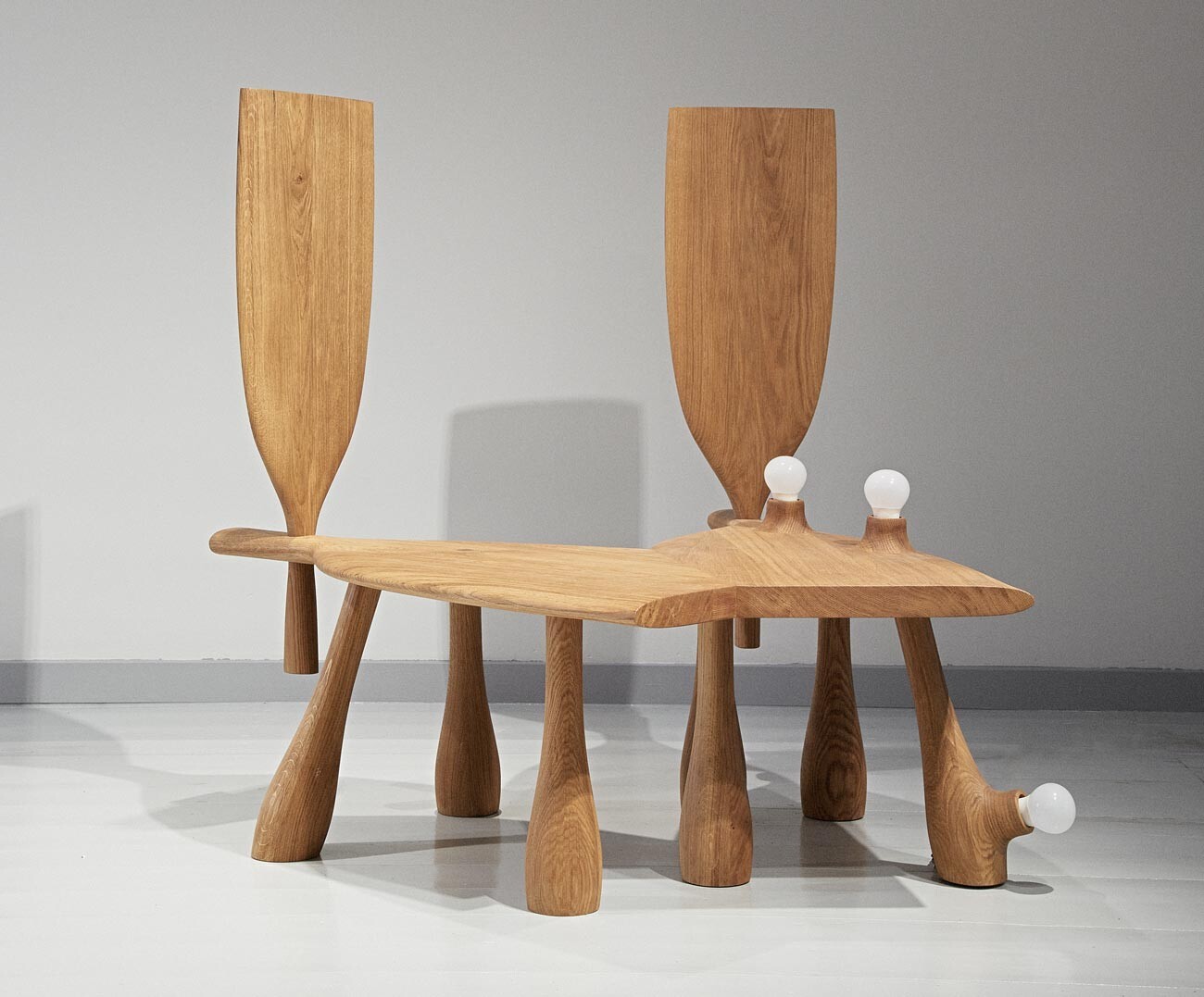
3. Bench from BABUSHKA series, Olga Engel

This designer operates in a type that could be explained as “emotional recycling”. Her models “give a new lease of life” to childhood reminiscences and objects from the earlier. For example, the “BABUSHKA” [Grandmother] collection is encouraged by day-to-day lifestyle in the village residence of Olga’s grandmother. The  home furnishings design and style is reminiscent of the shovel-like implements utilised for making bread in a Russian stove, or the old spinning wheels. The collection conveys an environment of childhood tranquility and the warm glow of residence. It features seven in different ways shaped benches built of oak. They occur in restricted editions of 20 pieces each. They can also be discovered in European structure galleries – Mia Karlova Galerie (Amsterdam) and Armel Soyer (Paris).  

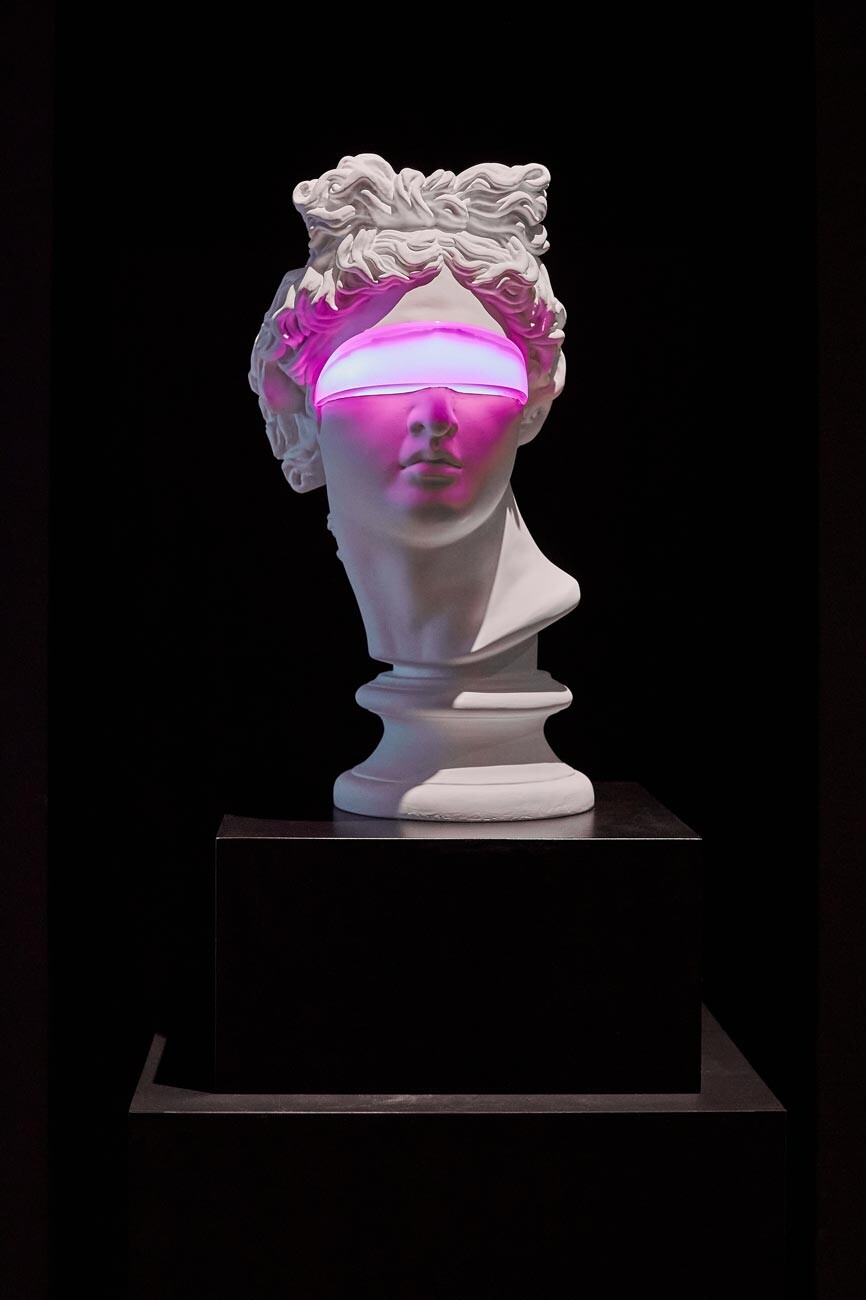
4. New Glimpse sculpture lamp, Polli Products and solutions

At the rear of the eye-catching art object of gypsum and optical plastic is a whole philosophy. New Search is a reaction to our changing actuality. The designers explain their perform as a reflection on the theme of the new notion of the earth typical in people’s minds now and which has been formed by way of the prism of social networks and complete digitization.  

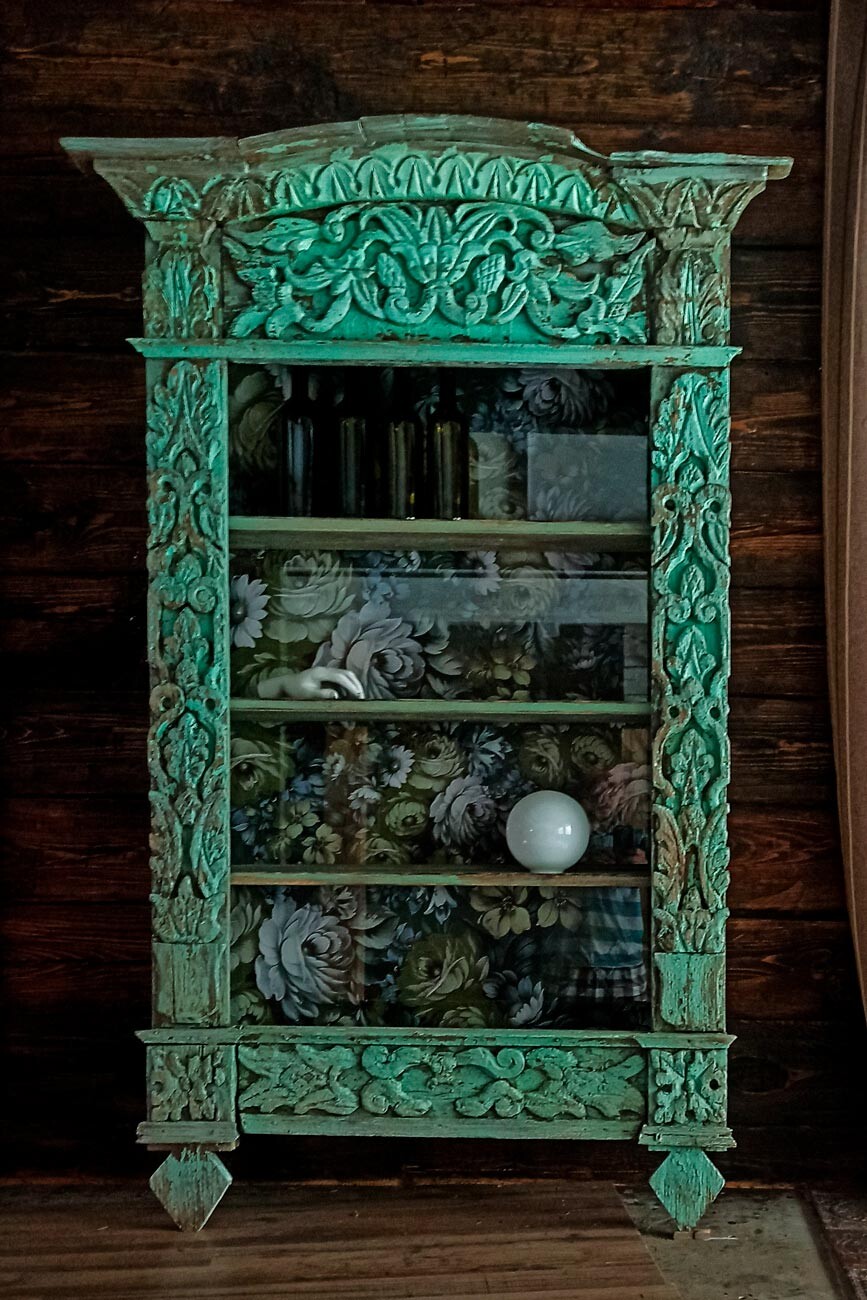
5. Exhibit cupboard, Manufactured in AUGUST

Vitaly Zhuykov’s style laboratory, Made in August, operates at the intersection of handicrafts and new technologies. For case in point, the frequently current “Portal” collection involves one of a kind objects of inside structure in the spirit of “local historical past recycling”: They are produced of aged carved window frames. For occasion, this exclusive display screen cupboard is designed of a restored carved window body of the early 20th century from the town of Gorodets, traditionally regarded for its wood carving. On the within, the cupboard is embellished with Zhostovo portray (UG-Artwork Dwelling Style workshop).

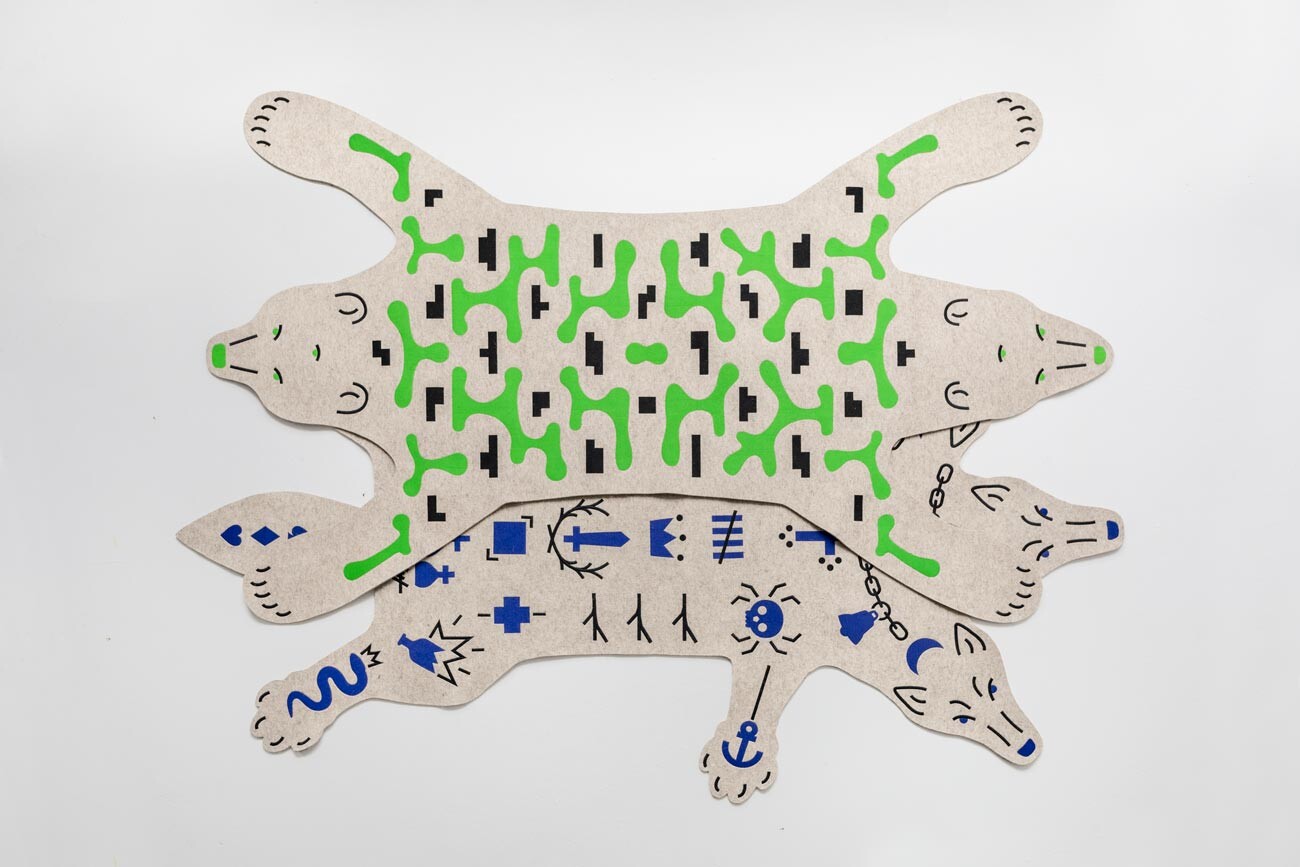
6. Rug from the “Hear my Roooar” assortment, by Andrey Budko

Andrey explores versions on the topic of wool felt rugs, a traditional Russian content. They are decorated with digital prints made with the help of device embroidery. The prints reference the kind of embroidery that at the time adorned conventional folk costumes. Every layout depicts a sample involved with superstrength: camouflage masks the wearer and hence confers an advantage in struggle though tattoos (as on the skin of the wolf) serve as a protective talisman.

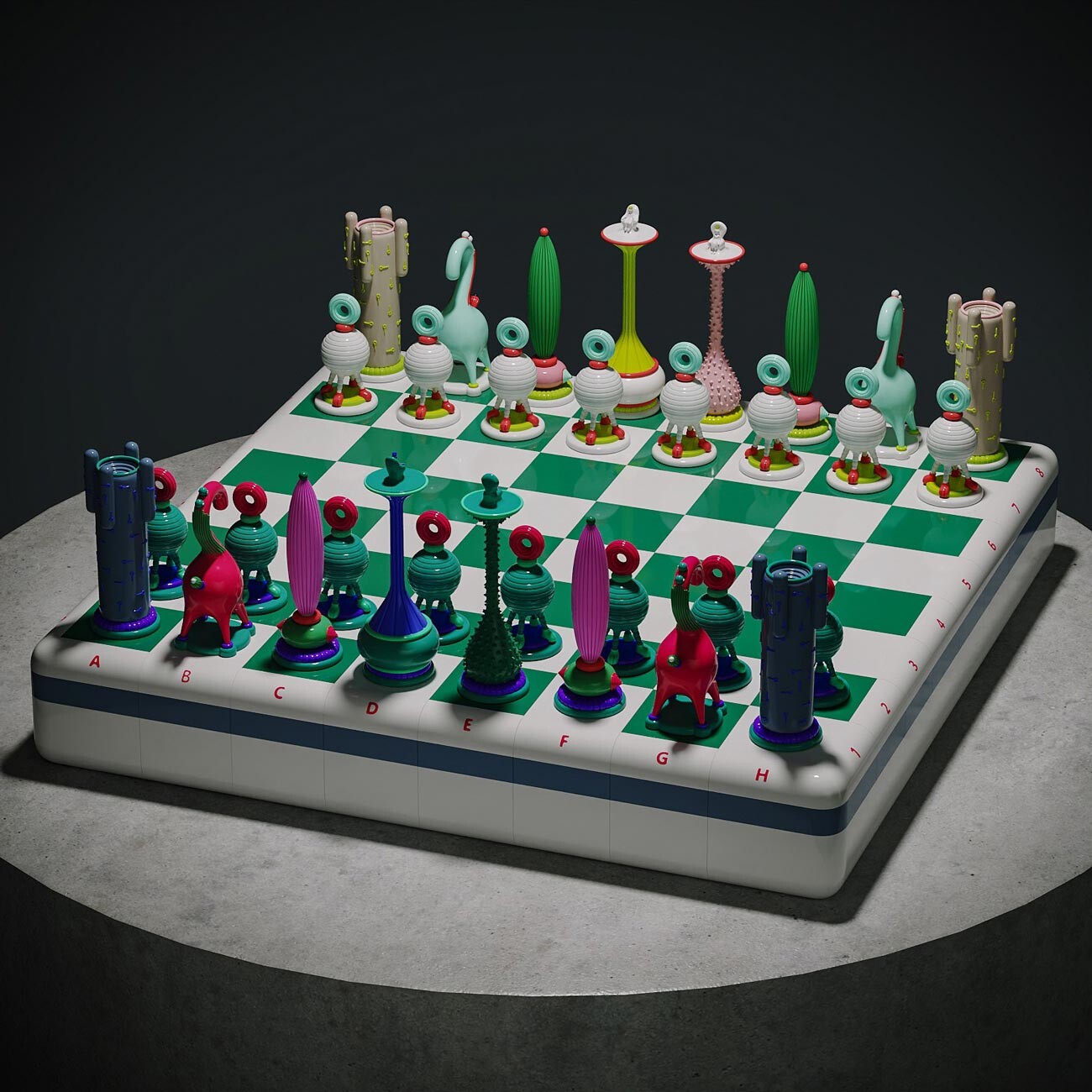
7. Yet another Kingdom art chess established, Taras Zheltyshev

Zheltyshev was the to start with on the Russian artwork scene who used NFT engineering in the building of item art. Taras conceived the thought of a high-tech chess set embedded with microchips serving as a lasting digital “manufacturer’s certification” developed to observe the product’s authenticity in digital room. The designer worked with developers in Hong Kong. He thinks that the new lexicon of ornamental structure is all about “tokens” and “blockchains”. The chess sets are a limited edition of 20. The meticulously built figures are made by large-resolution 3D printing and are concluded by hand.

Go through More: 10 incredibly hot Russian crypto artwork parts bought on NFT marketplaces

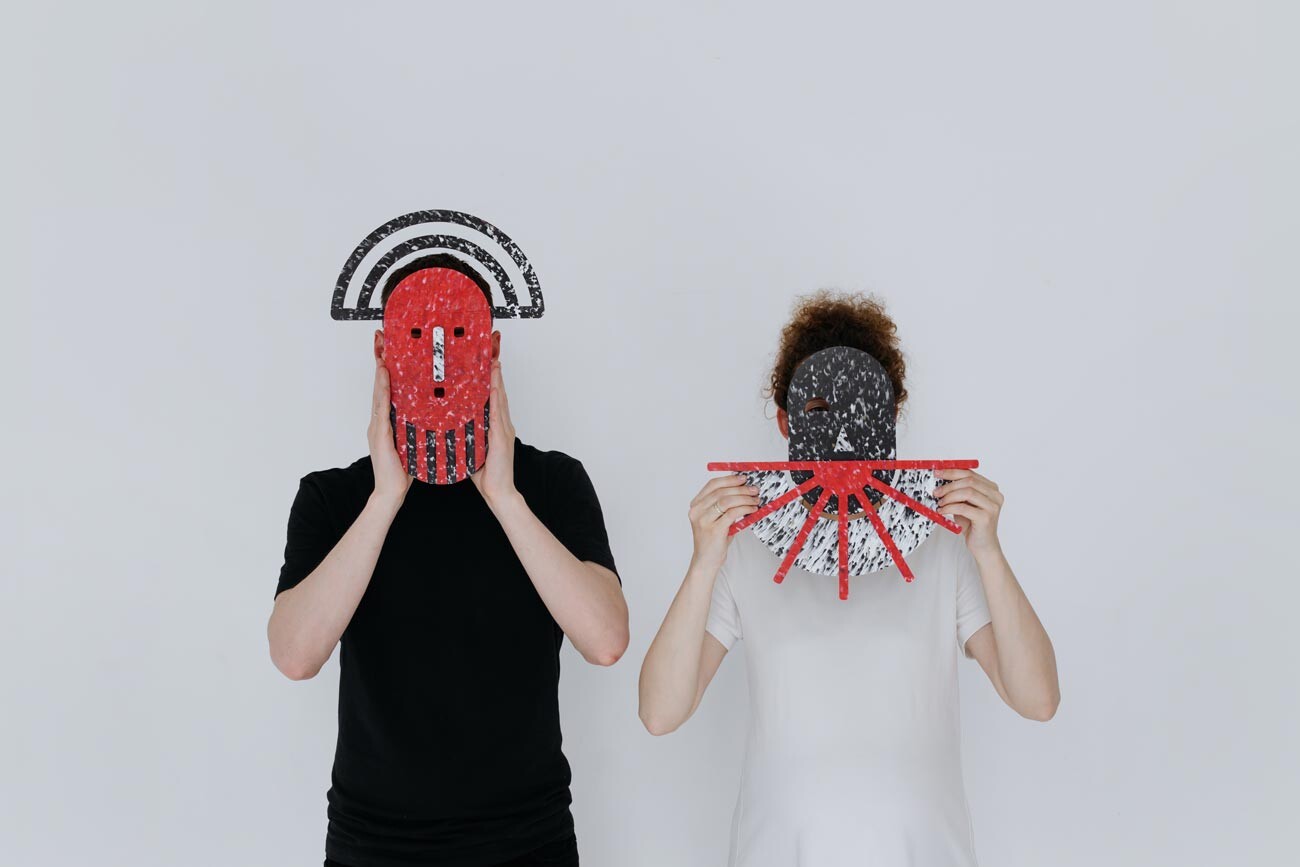
8. Masks, RE:d totems selection, 52 Manufacturing unit

These masks created of recycled plastic were amongst the finalists in the intercontinental Ro Plastic Prize 2021 devoted to objects of recycled or recyclable plastic. The selection, termed “RE:d totems”, is produced up of eight models inspired by Slavic ritual tradition. Here, the past fulfills modernity: masks that would the moment have been manufactured of twigs, birch bark and ribbons are today developed from recycled plastic that can once more provide persons.

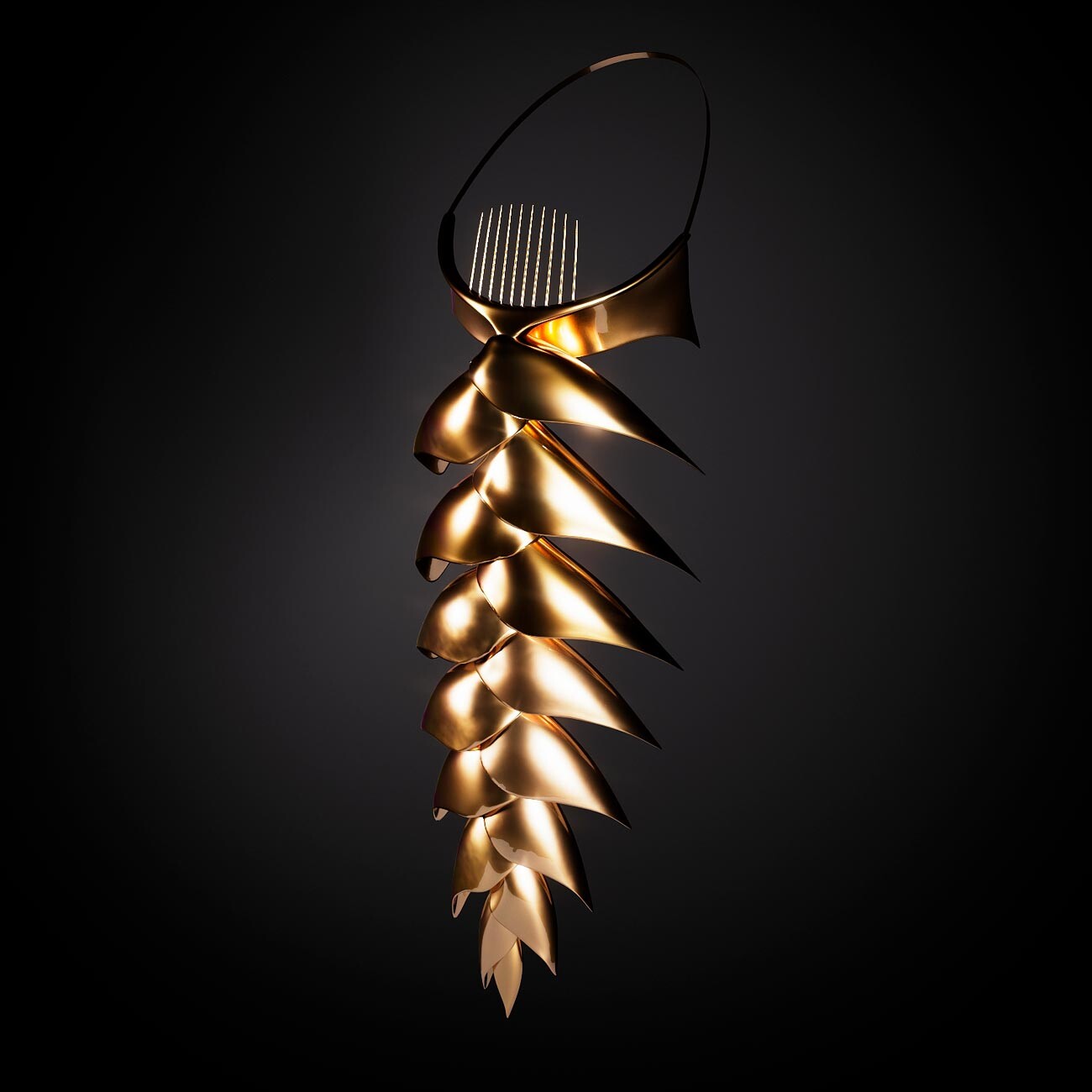
9. Hair comb from the Tropicana assortment, Grigory Maslennikov (Gregory Emvy)

This artist and designer usually turns to his Russian roots to rethink national cultural patterns. Very last year was unforgettable for the start of his collection of hair combs for the new Moscow jewelry brand, Bun Jewellery. In his quest for a new cultural code, he designed a standard Russian hair ornament in a modernist spirit.

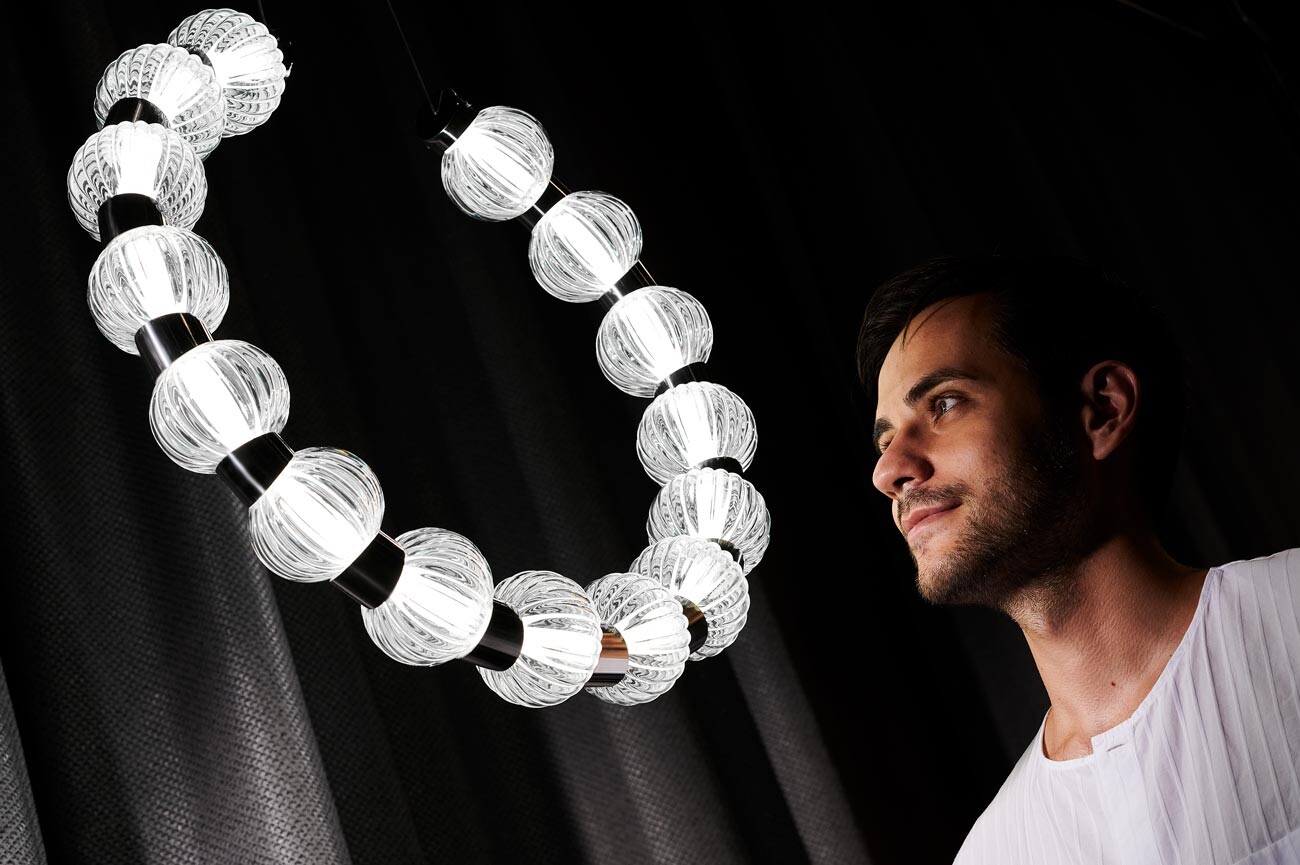
10. Amulet suspended light, Alexey Danilin, for Maytoni

In the past year, Alexey’s work has been identified with a dozen or so prestigious design awards, the IDA Global Layout Awards 2021 amid them. The suspended mild is inspired by the ornaments of the ancients, which experienced a sacred importance and served as amulets. When in the past they have been threaded with shells, now fashionable technologies are made use of. Hence, the light-weight is preset to the ceiling with magnets, and power is right provided by means of the wires on which the object is suspended. As a consequence, the light avoids wanting cumbersome, but seems light and compact. The frame’s LED strip serves as the light supply, and the ornamental things are composed of “beads” of blown glass.

If making use of any of Russia Beyond’s content, partly or in full, generally offer an lively hyperlink to the initial substance.

Stunning Black and White Landscape Photos of the Western U.S.

Black and White Photography by Lynn Radeka

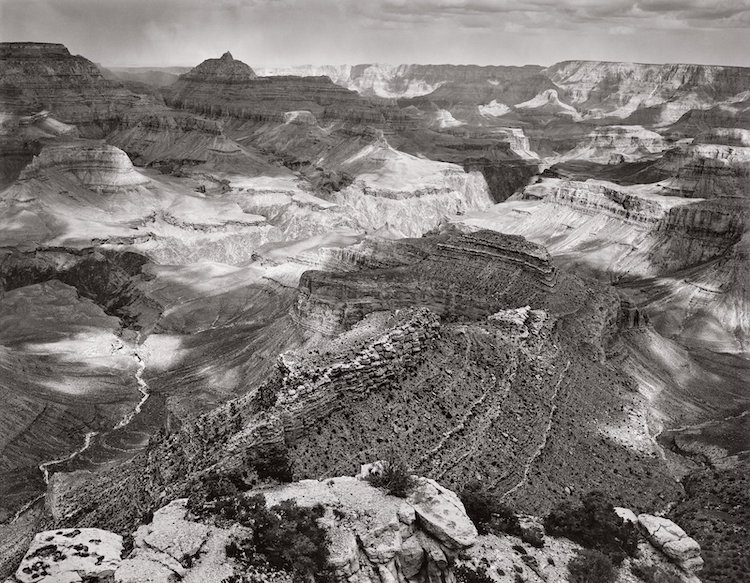
“Storm From Shoshone Pt.,” 1995. Grand Canyon Nationwide Park, Arizona

Journey posters can assistance commemorate the terrific sites that men and women have frequented. And for all those who have still to go to a locale, a journey poster can entice them to visit. In the late 1980s, photographer Lynn Radeka arrived up with the notion of producing posters featuring his black-and-white visuals of the National Parks in the western area of the United States. The thought was to supply a “fine art” interpretation of the parks, which was different than the color posters usually available to site visitors.

The resulting pictures are stunning monochromatic portraits of the incredible rock formations and canyons in southern Utah, Arizona, California, and over and above. Radeka failed to quit there, however, and has ongoing to shoot black and white photos considering that then. 3 of his most placing photos span a long time and are of Horseshoe Cayon in Canyonlands Countrywide Park, Land of Standing Rocks (also in Canyonlands), and Monument Valley, correct on the border of Utah and Arizona.

Even though the landscape portraits depict diverse areas, Radeka has united them in his visual language. Each image, regardless of whether it’s a shot of a much-off vista or one thing much nearer, has a specific duality to it. There are components of really hard and delicate, coarse and delicate. Chunks of rock, for instance, rise from the flat floor but are surrounded by fluffy clouds. In Radeka’s Horseshoe Canyon piece, we get an up-near seem at the carved rock punctuated with the beautiful elegance of bristly desert crops. This is produced additional noticeable since the images are in black and white, as we can admire the type of the landscape more than its coloration.

Scroll down for more perform by Radeka—including his recollections of a few of his illustrations or photos. If you’d like to learn to shoot like him, he has images workshops heading on in the course of 2022.

Photographer Lynn Radeka captures beautiful black and white pics of the western location of the U.S., and he is shared his recollection of three of his attractive photos:

Black and White Photography by Lynn Radeka

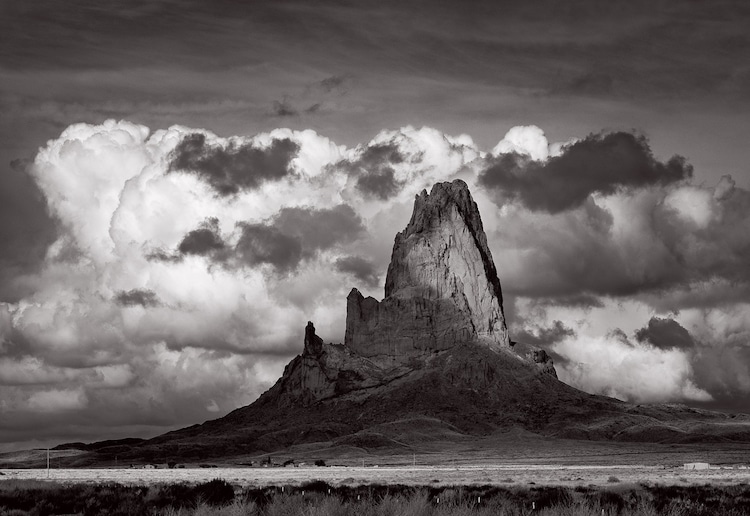
“Storm Clouds, Monument Valley,” 2015. Southern Utah

“As I was driving north from Arizona, a spectacular financial institution of thunderheads have been shifting fast in the length. I observed the big monolith regarded as Agathla Peak and viewed as the wonderful storm clouds moved nearer. Promptly pulling off the highway, I jumped out of my vintage Bronco and established up my Sony A7R electronic digicam on a tripod. I keep in mind getting 2 or 3 exposures but then the positioning of the clouds above the peak became even a lot more great. In a hurry in opposition to time I quickly moved the tripod to get a superior situation and created a 4th publicity at the correct next when every little thing appeared just correct.

I used this 4th exposure and transformed the Uncooked file to black and white utilizing OnOne Fantastic B&W software. I optimized the file in Photoshop. In my viewpoint, this image in black and white is far top-quality to the initial coloration Raw edition.”


Black and White Photography by Lynn Radeka

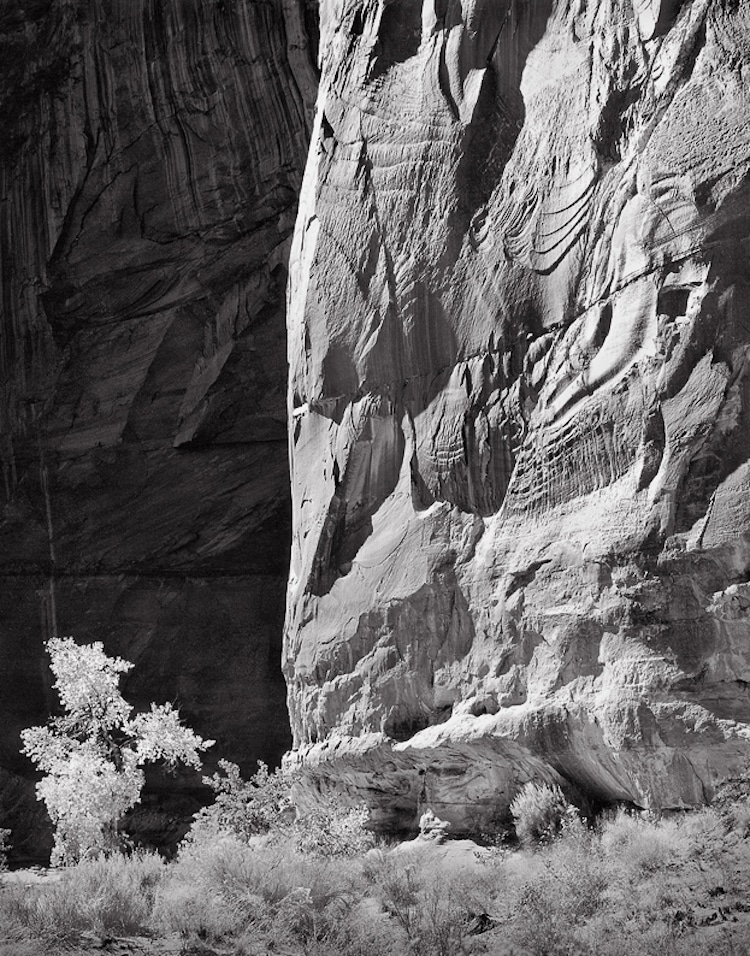
“Horseshoe Canyon,” 1985. Canyonlands Countrywide Park, Utah

“I built this graphic employing 4×5 Tri-X film and Kodak HC-110 developer. I utilised a yellow filter with a large-angle lens. The filter helped keep the brightness of the cottonwood tree which had dazzling yellow autumn leaves.

The print is created using a quality 3 paper and many film distinction masks for neighborhood refinement of different parts. The ensuing print from this negative is abundant and fully in-depth. I like the visual irony in this image—delicate vs. really hard, shiny from darkish, and substantial towards tiny.”


Black and White Photography by Lynn Radeka

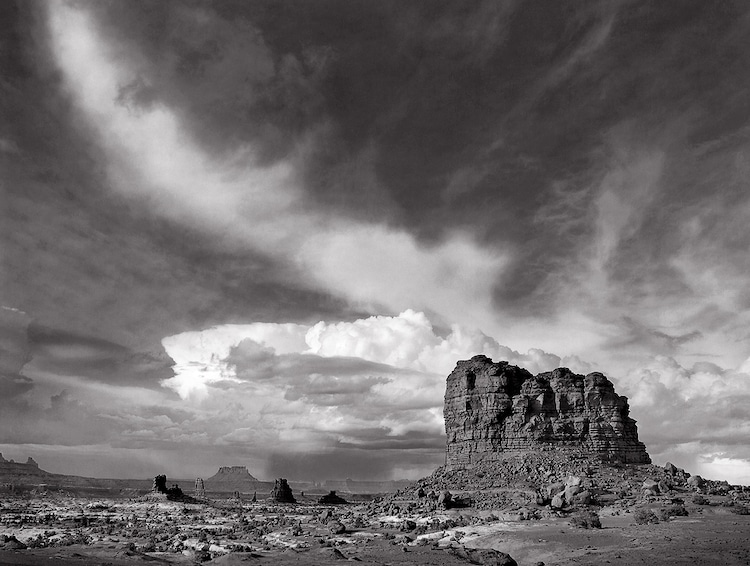
“Land of Standing Rocks,” 1988. Canyonlands National Park, Utah

“In 1988, I fixed to make the journey into the Maze District of Canyonlands Countrywide Park. The “Jeep” street is very long and extremely rough, definitely necessitating 4WD and high clearance.

About 5 miles ahead of the Doll Residence camp region, photogenic standing rocks and wonderful buttes stuffed the vast length. I seen some thunderhead clouds in the distance and a curved band of clouds was shifting from remaining to appropriate. I acknowledged the probable for a very good photograph but had to act rapidly for the reason that the clouds were going incredibly rapid. In a near-worry manner, I targeted my 4×5 check out digicam, attached a yellow filter to my Schneider 121mm Tremendous Angulon lens, calculated the publicity, and shot the graphic on Tri-X movie. I tried to replicate the exposure but time was not on my aspect.

Since of the nature of this issue, the print is extremely tough to make. In get to satisfy my vision for the print, I now use a series of pin-registered film contrast masks to coax unique local contrasts and to sleek out the impression. This impression was applied as a poster for Canyonlands National Park.”


Radeka’s pictures span many years and locales.

Black and White Photography by Lynn Radeka

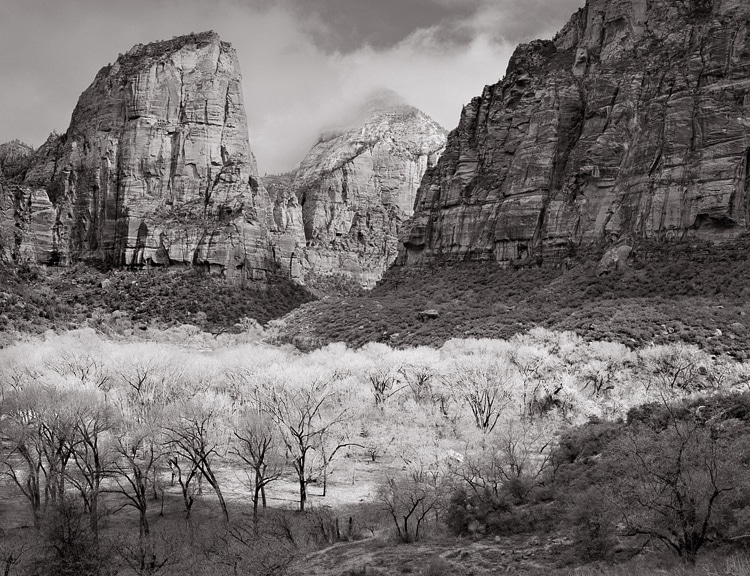
“Zion Canyon, Autumn,” 1994. Canyonlands Countrywide Park, Utah

Black and White Photography by Lynn Radeka

“Pinyon Pine and Sandstone,” 2004. El Malpais Nationwide Monument, New Mexico

Black and White Photography by Lynn Radeka

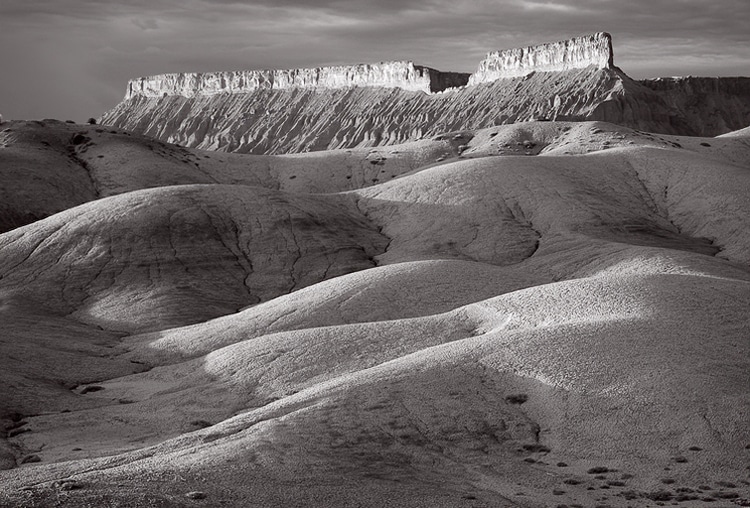
“Sunrise In the vicinity of Manufacturing facility Butte,” 2018. Southern Utah

Black and White Photography by Lynn Radeka

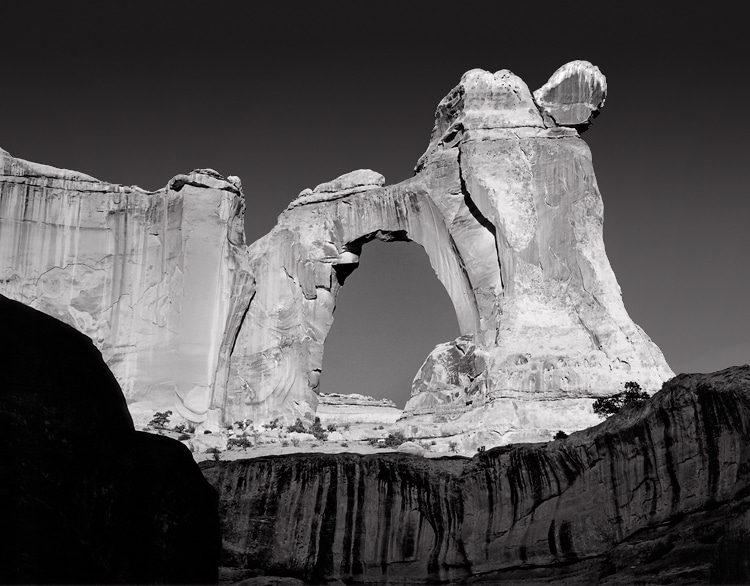
“Sunrise, Angel Arch,” 1985. Canyonlands National Park, Utah

Stunning Black and White Landscape Photos of the Western U.S.

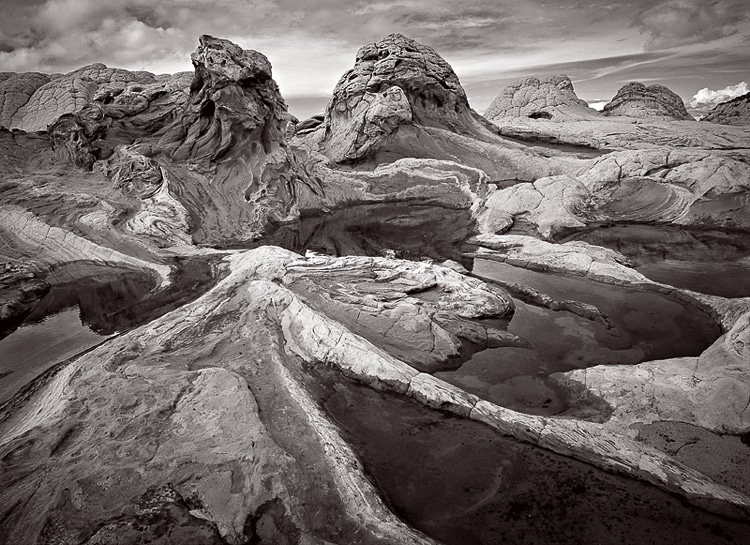
“Forms, White Pocket,” 2015. Vermillion Cliffs Wilderness, Arizona

Zion Black and White Photo

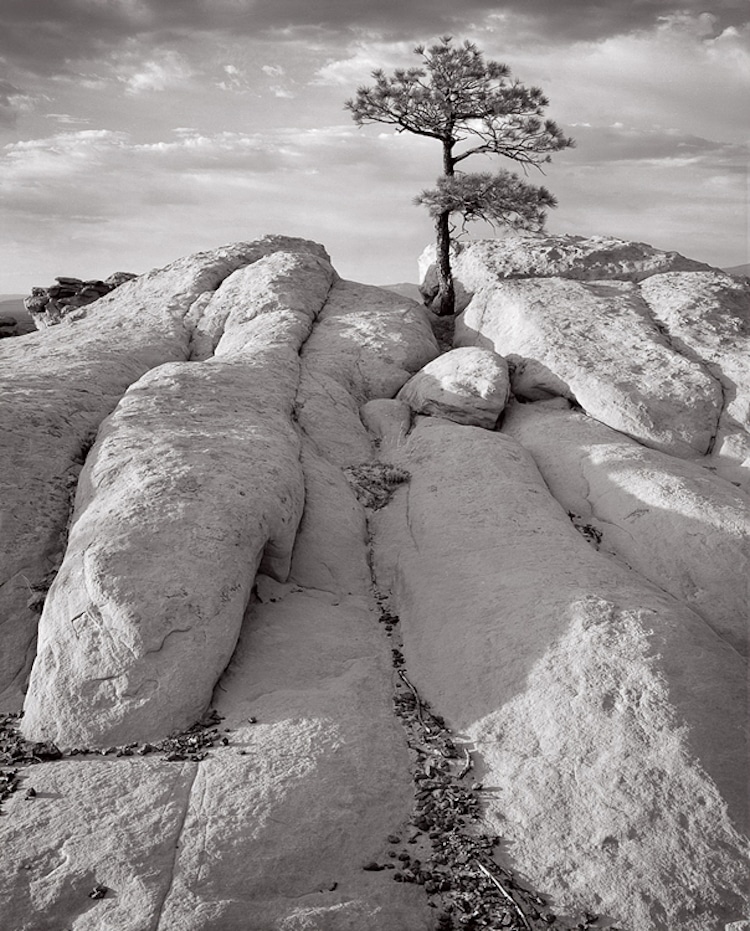
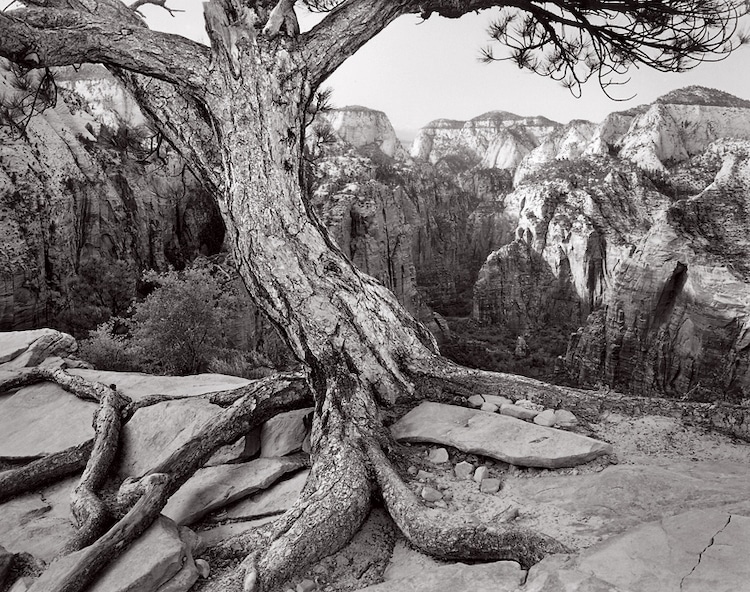
“Ponderosa Pine, Angels Landing,” 1994. Zion Nationwide Park, Utah

Black and White Photography by Lynn Radeka

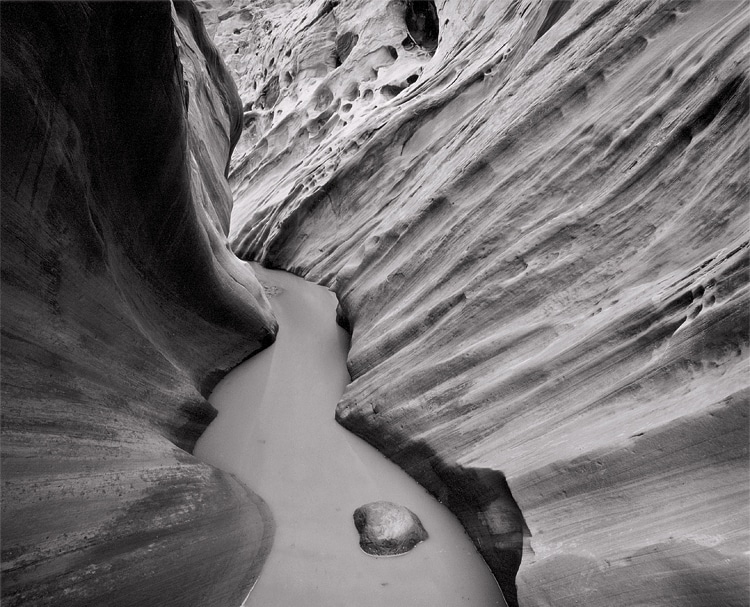
“Little Wild Horse Canyon,” 1987. San Rafael Swell, Utah

Death Valley Photography

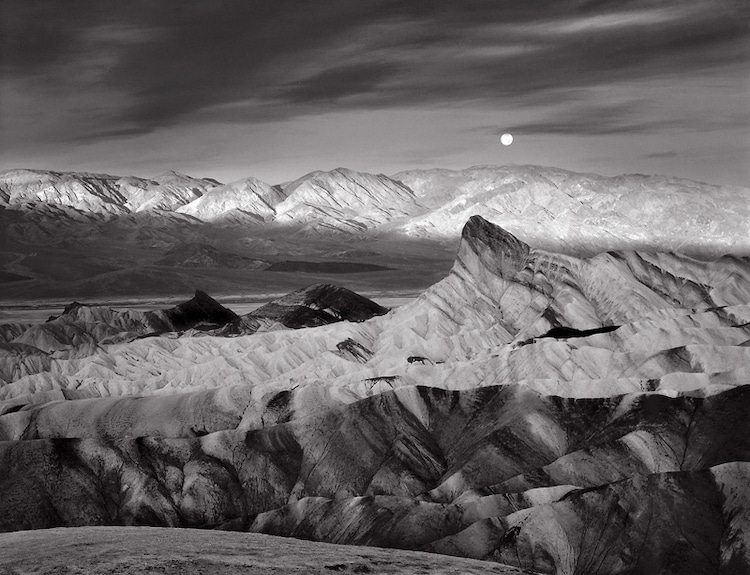
“Moon Over Zabriskie Position,” 1980. Dying Valley Countrywide Park, California

Lynn Radeka: Site 

My Present day Satisfied granted authorization to feature shots by Lynn Radeka.

Similar Articles or blog posts:

Sweeping Beauty of Zion Nationwide Park Honored in Landscape Artwork Exhibition

Oldest Living Ranger in the Nationwide Park Service Celebrates Her 100th Birthday

20+ National Park Portraits Celebrating the Rainbow-Coloured Lands of the U.S.

10 Info About Ansel Adams, the Revolutionary Photographer and Environmentalist

Here Are the Best Northern Lights Photos of 2021

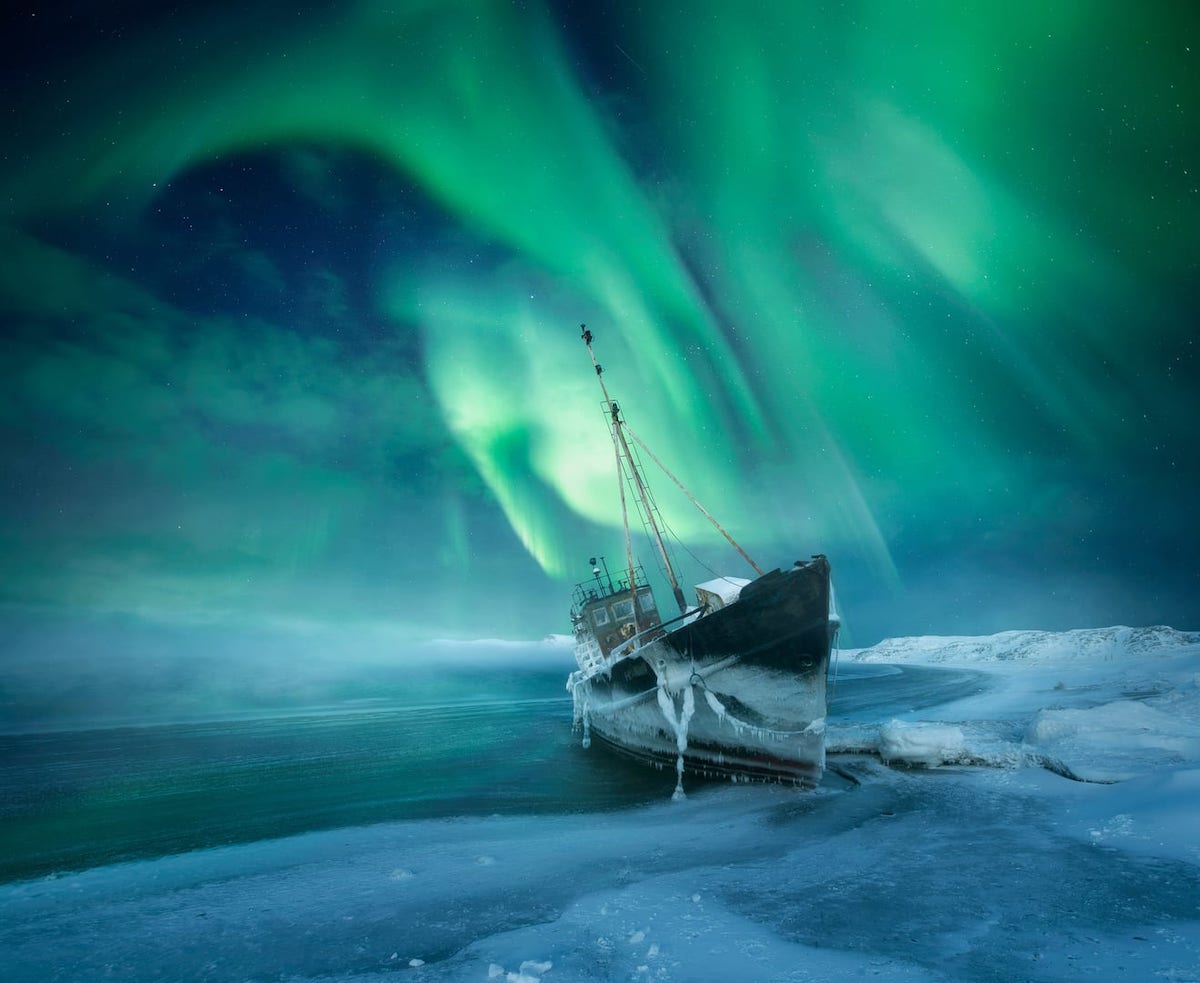
Northern Lights Over an Abandoned Ship in Russia

“For the Northern Lights” by Aleksey R. Location: Teriberka, Kolsky District of Murmansk Oblast, Russia
“Nature is mysterious and unpredictable, and often leaves us open-mouthed at the inexplicable manifestations of its power. This image was captured in February in Teriberka, in the Kolsky District of Murmansk Oblast, Russia, on the Barents Sea coast.
This night was definitely special. The perfect conditions for shooting the Northern Lights came together: frost, ice, a full moon, a clear night, and no wind. The weather was extremely difficult; the temperature was 34 degrees below zero, but flames like these make you forget the temperature. I had a certain vision of the photo I wanted, and because of the extreme weather, I had to build the photo in stages. Thanks to the moonlight, the landscape was nicely illuminated, and I got a decent balance with the overwhelming display of the aurora borealis.
To get the most out of this opportunity, I took a combination of shots: one for the foreground and one for the sky. That way, you can see more detail in the foreground while retaining the detail in the Northern Lights. It was definitely a night to remember.”

The Northern Lights are one of Earth’s greatest gifts. When this natural light show takes over the sky, it makes for an incredible moment. Unfortunately, these auroras are only visible in certain parts of the world, so that’s where photographers come into play. Thanks to them, we’re able to enjoy the beauty of the polar lights no matter where we live.

To really get your fix of aurora  photos, check out travel blog Capture the Atlas‘ annual Northern Lights Photographer of the Year list. They’ve selected the 25 best photos from photographers around the world and the results are as incredible as you can imagine. The list takes us from remote areas of Russia to the Alaskan forest to an Icelandic volcano. And in each image, the Northern Lights dance their way across the sky, only enhancing these already excellent landscape photos.

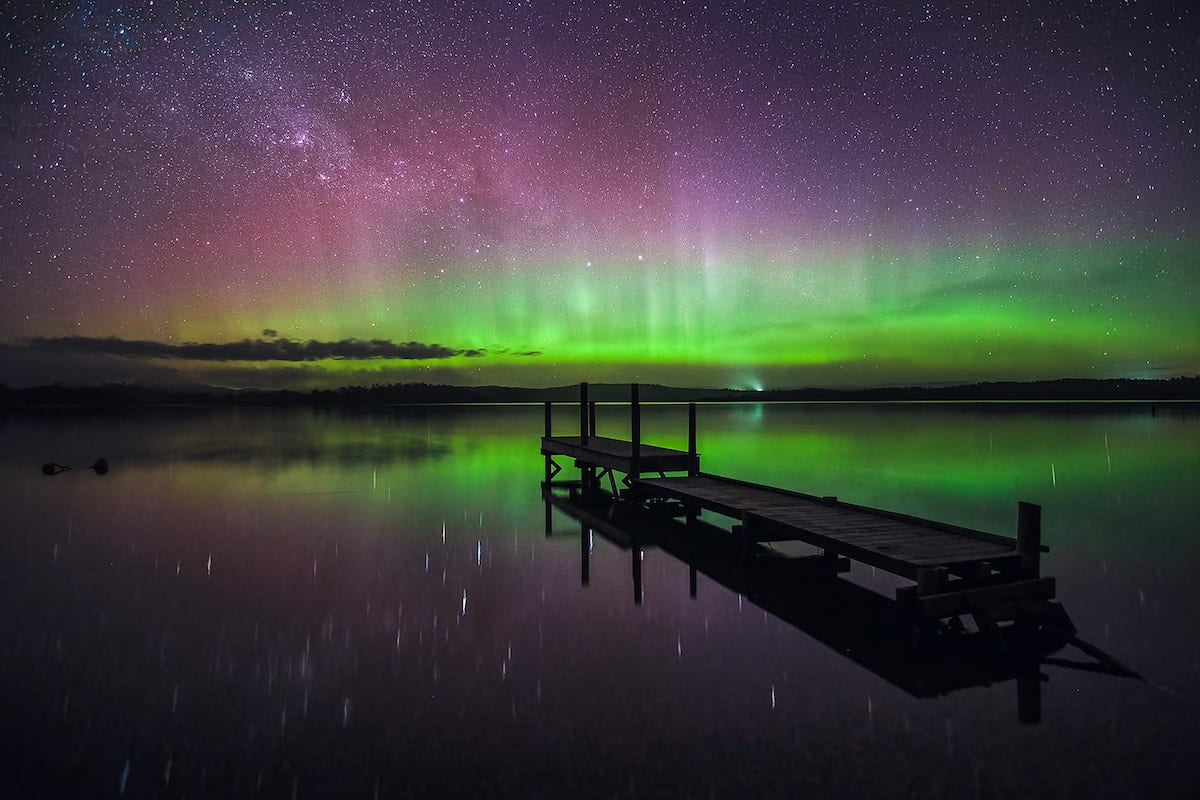
The gallery of images is also interesting in that it shows the wide variety of auroras that exist. From classic green, blue, and purple to yellow and pink, all of the colors are present. Both the Northern and Southern hemispheres are represented, lest you think that the lights are only visible in places like Sweden or Norway. For instance, David Oldenhof’s lovely photo of the aurora reflecting in the waters of a lake was taken in Tasmania. As the southernmost state in Australia, the Northern Lights can be seen there from March to September.
Take a look at some of our favorite photos from the list, which was curated by Capture the Atlas’ Dan Zafra. As a photographer himself, Zafra looks not only for images taken by some of the most renowned photographers but also for new talents and for new locations where the Northern Lights haven’t been photographed before.

These photos of the Northern Lights are considered the best of 2021.

Snowy Forest Under the Northern Lights in Alaska

“Forest of the Lights” by Marc Adamus. Location: Alaska, USA
“Wandering around these forests coated in rime ice is one of the most magical experiences, but also one of the most difficult to capture. Temperatures are often in the minus 30s and negotiating the easily broken, crusty snow on snowshoes with nothing but a headlamp makes for great challenges in hiking and composing. I used the last light of twilight to set up the shot you see here and returned to it hours later as the lights were dancing overhead.”
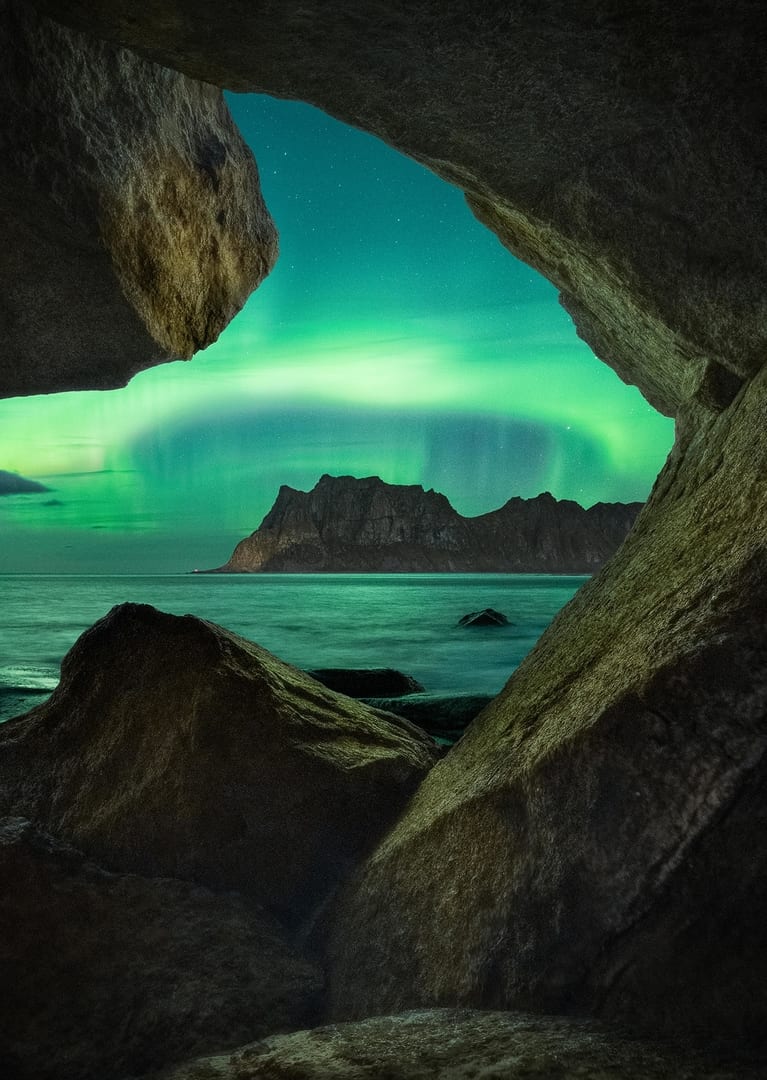
Northern Lights in Lofoten Islands

“The aurora cave” by Giulio Cobianchi. Location: Lofoten Islands, Norway
“This was one of the most beautiful green nights I have experienced since living in Lofoten. This was just the beginning of a long night of chasing the aurora until sunrise. I have been inside this hidden cave in all seasons since I like to explore locations and find new compositions that have never been seen before.
Inside the caves, it is never easy to photograph; you have to use more techniques in the shooting phase, such as focus stacking and multi-exposure, for example, but I must say that these are the compositions I appreciate the most. I love the natural frame and the three-dimensional effect that they give.”

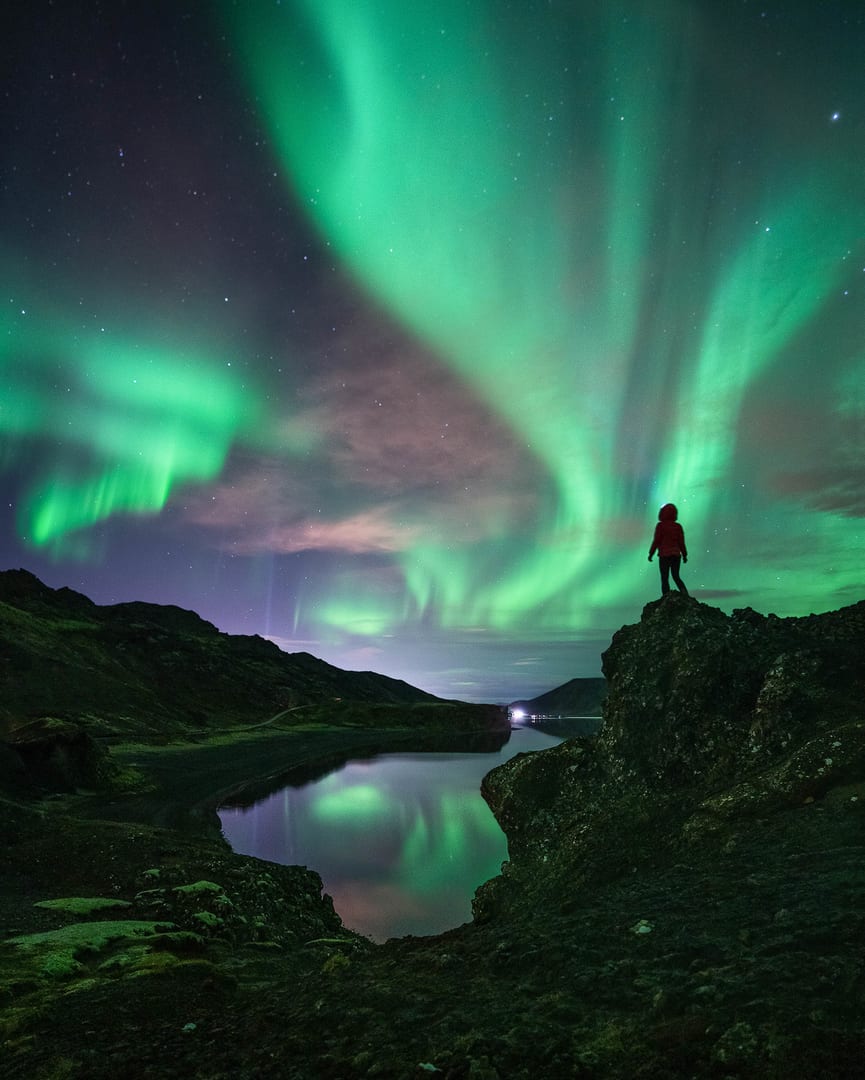
Person Standing on a Cliff Watching the Northern Lights

“Nature & Landscape photographer” by Agnieszka Mrowka. Location: Iceland
“Another long and beautiful night in Iceland. I had had the foreground for the Northern Lights in mind for some time already and just waited for the perfect condition to come and capture it.
I needed strong Northern Lights, a clear sky on the Reykjanes peninsula, and calm, windless weather, which is quite rare in Iceland. The photo was challenging in the sense that I had to run back and forth to adjust the settings on my camera depending on the strength of the Northern Lights. The place I was standing was also a bit tricky, as there was not enough space for my feet, so I could not even fully stand straight. When the lights came, however, I was able to freeze, staring at the mesmerizing sky above.”

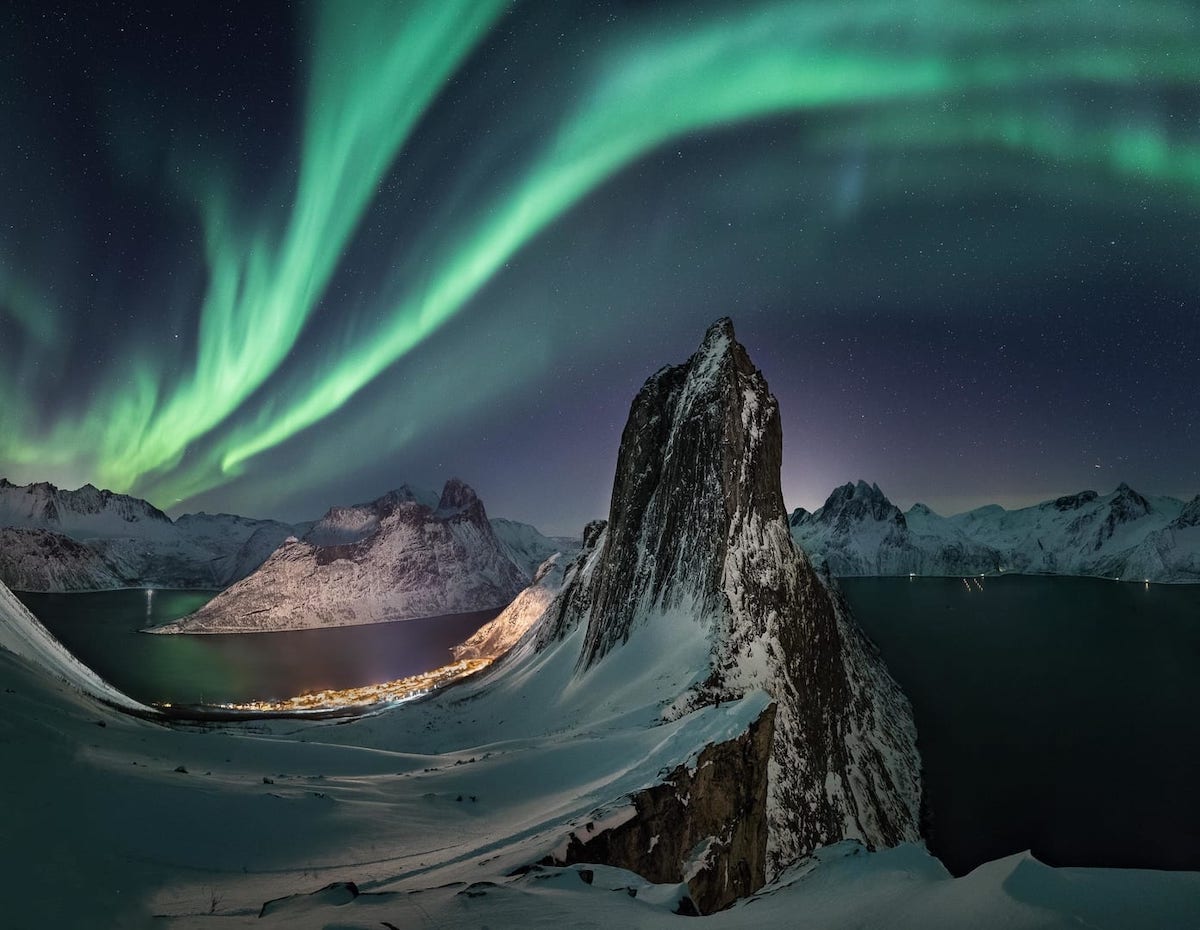
Aurora in Norway

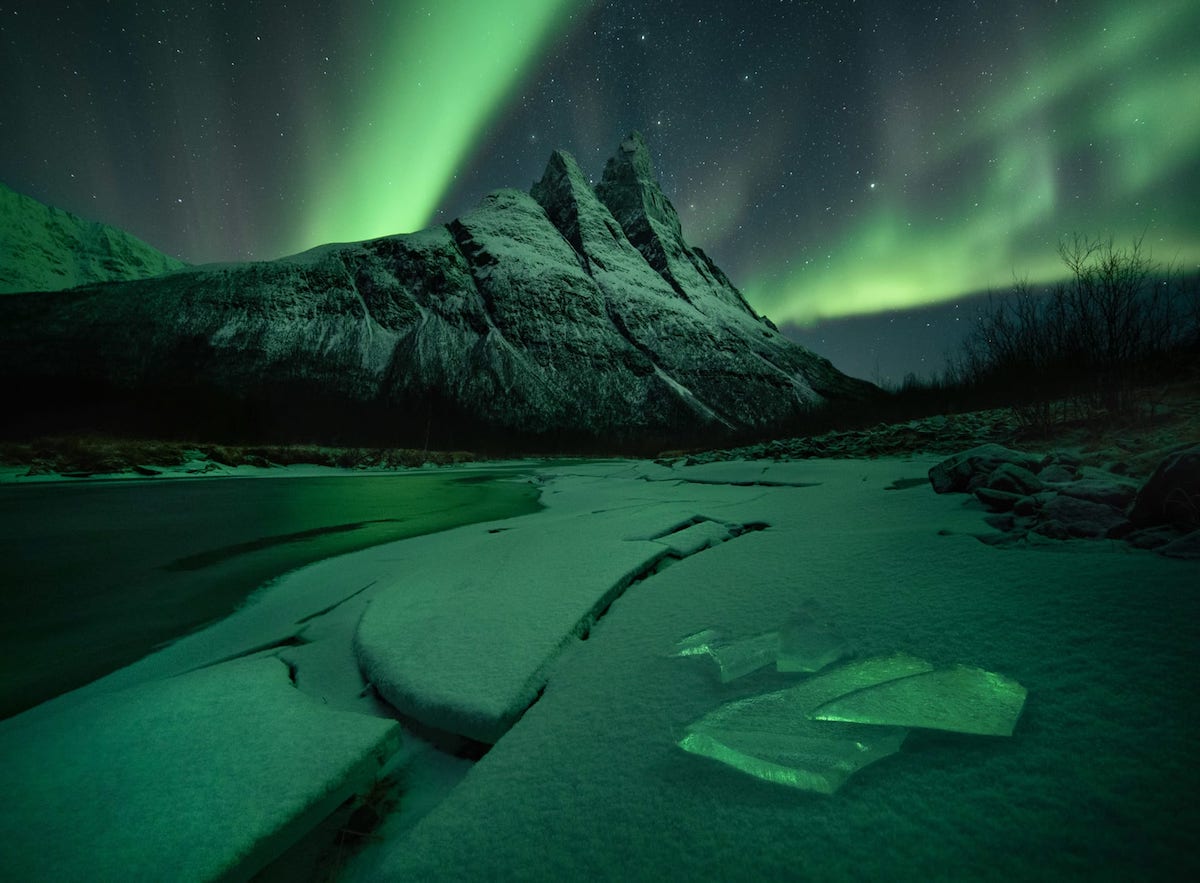
“The Northern Lights cathedral” by Frøydis Dalheim. Location: Senja, Northern Norway
“This image is the perfect representation of one of my best nights seeing the Northern Lights in Norway in Senja.
The views were stunning, with snow-capped landscapes, spectacular mountains, and a dancing aurora that colored everything green. It was truly a night to remember. The conditions were perfect this evening in March, not too cold. The Northern Lights appeared not long after I arrived and lasted for a long time. I returned home really happy and grateful for this amazing experience.”

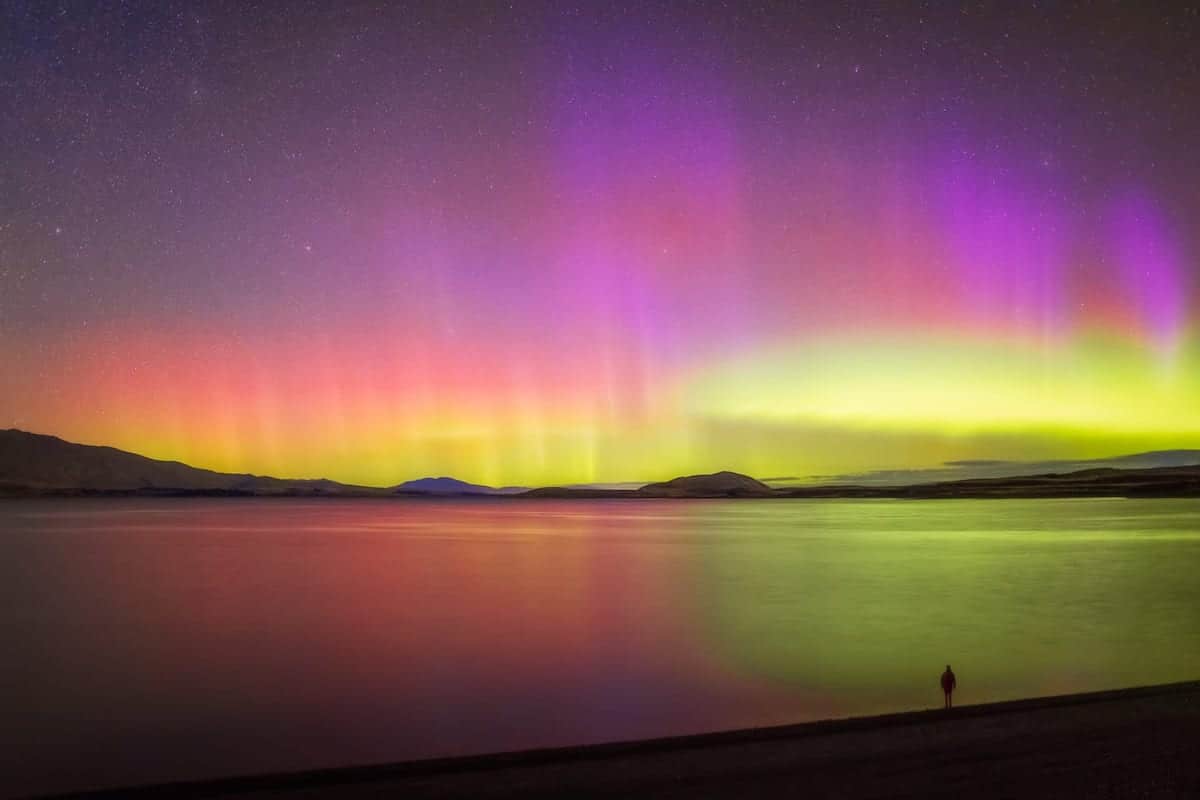
The rich variety of colors shows just how the aurora transforms in different locations.

Northern Lights Over Lake Tekapo

“Tranquil” by Larryn Rae. Location: Lake Tekapo, New Zealand
“I was on a photography trip when aurora alerts began popping up on my phone, so we started searching for a unique place to shoot them from.
We ended up at this lakeside location, and as soon as the sunset faded and dusk fell, we could already see the color and shape of the aurora happening. The next few hours, the sky was filled with incredible colors as the pillars danced across the sky in one of the best displays I have seen for years. The aurora is my favorite night sky phenomenon to capture and this night was simply incredible.”

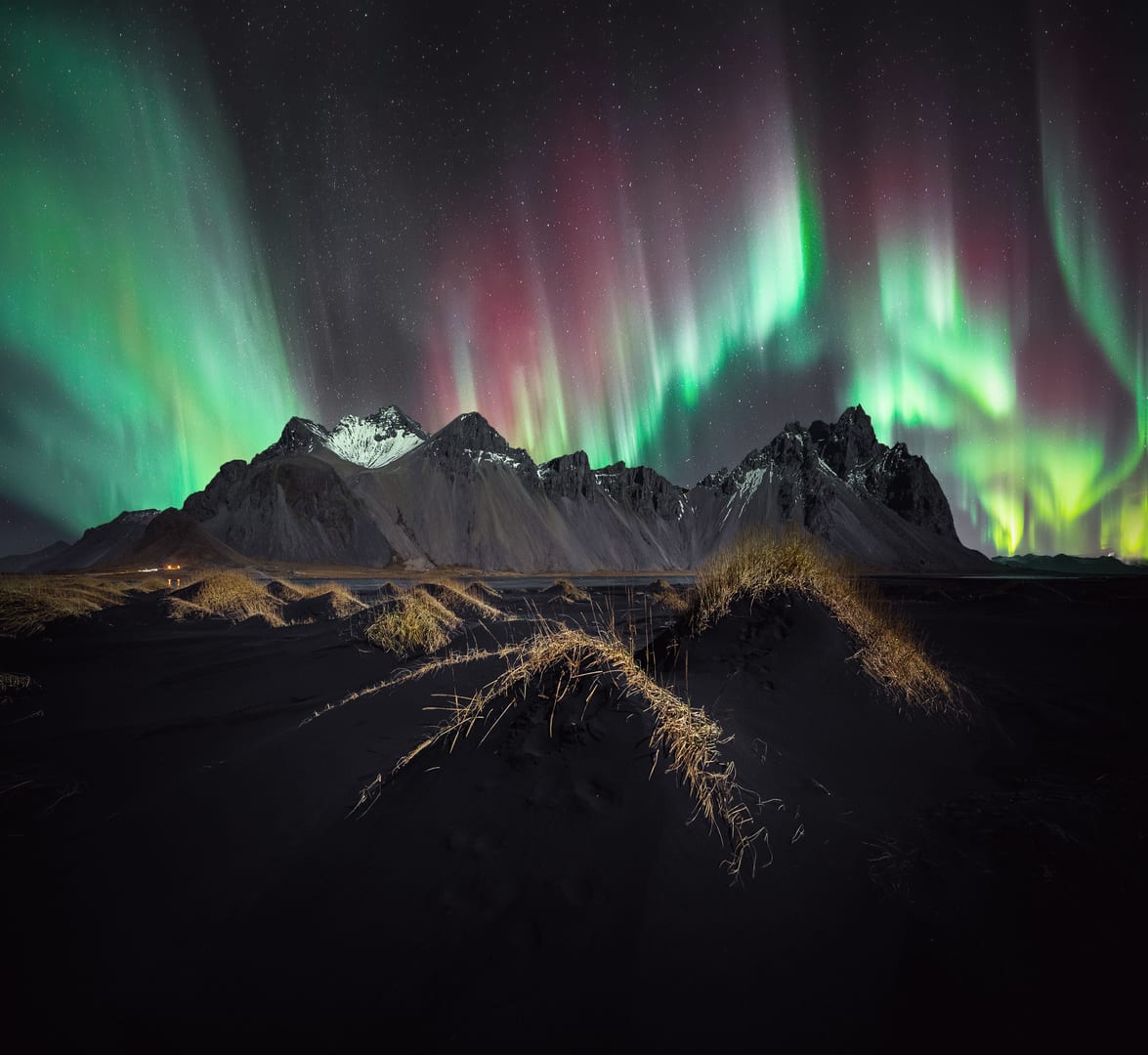
Northern Lights Over the Vestrahorn in Iceland

“Spectrum” by Stefan Liebermann. Location: Vestrahorn, Iceland
“The full spectrum of the Northern Lights over the iconic “Vestrahorn” location in Iceland. What a dreamlike experience! A G3 (strong) geomagnetic storm hit the earth on October 31st, 2021, and produced these wonderful colors.”

Aurora Over the Water in Tasmania

“Aurora Australis” by David Oldenhof. Location: Tasmania, Australia
“Tasmania is the most southern state in Australia. As well as having beautiful coastlines, World Heritage rainforests, and national parks to photograph, we also have the added bonus of being able to witness the most intense auroras in the country because we are the furthest south.
I have only witnessed three auroras and this one was the most beautiful and longest-lasting of them. On the other two occasions I photographed the aurora, most of the brilliance could only be seen through the back of the camera, but on this night, it could be seen without it. Nature showed off her brilliance and I stood there in amazement for many hours. I can’t wait for Lady Aurora’s next dance.”

Aurora in Northern Norway

“Higher prediction” by Virgil Reglioni. Location: Northern Norway
“Northern Norway hosts some of the most beautiful and dramatic sights you can find in northern Europe.
Some nights, strong intensity auroras are predicted, which leads to incredible, bright displays spreading across the sky. The cold temperatures form ice shapes by the riverbank and these structures help direct your eyes in the right direction.”

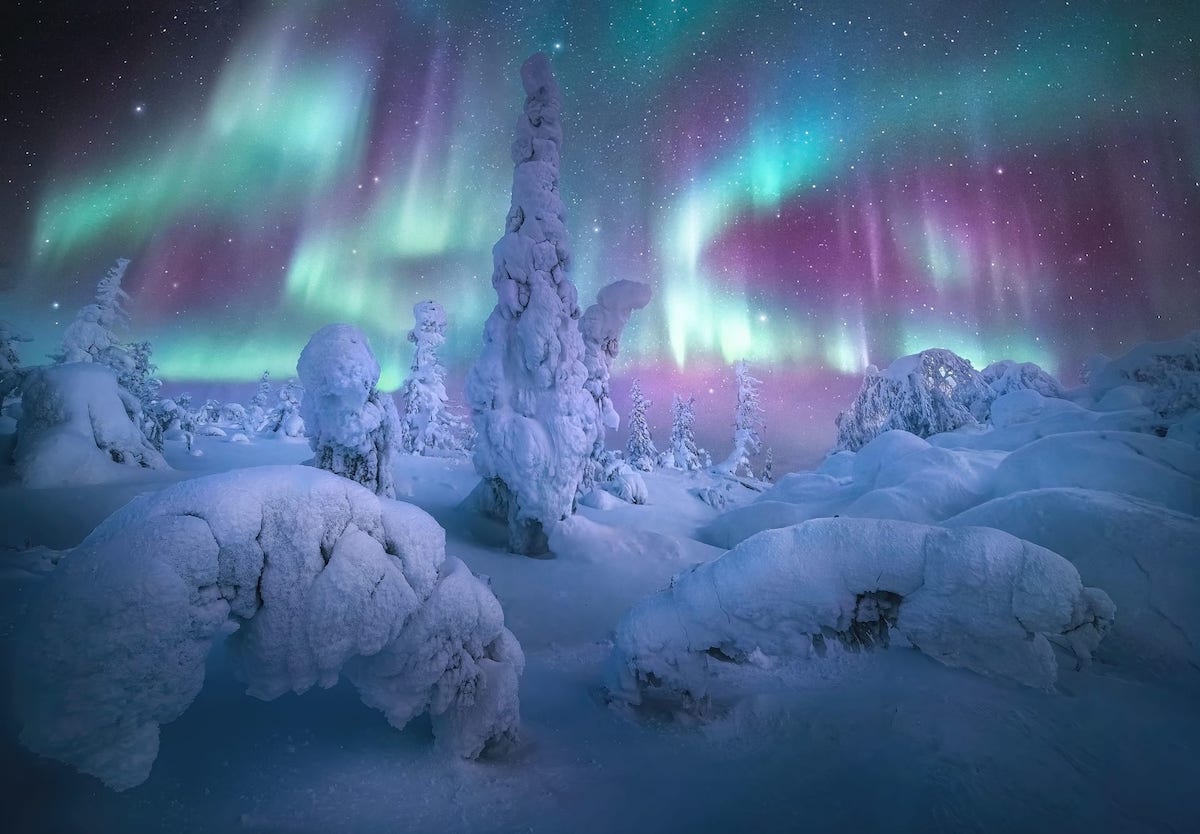
Northern Lights in Snowy Forest in Russia

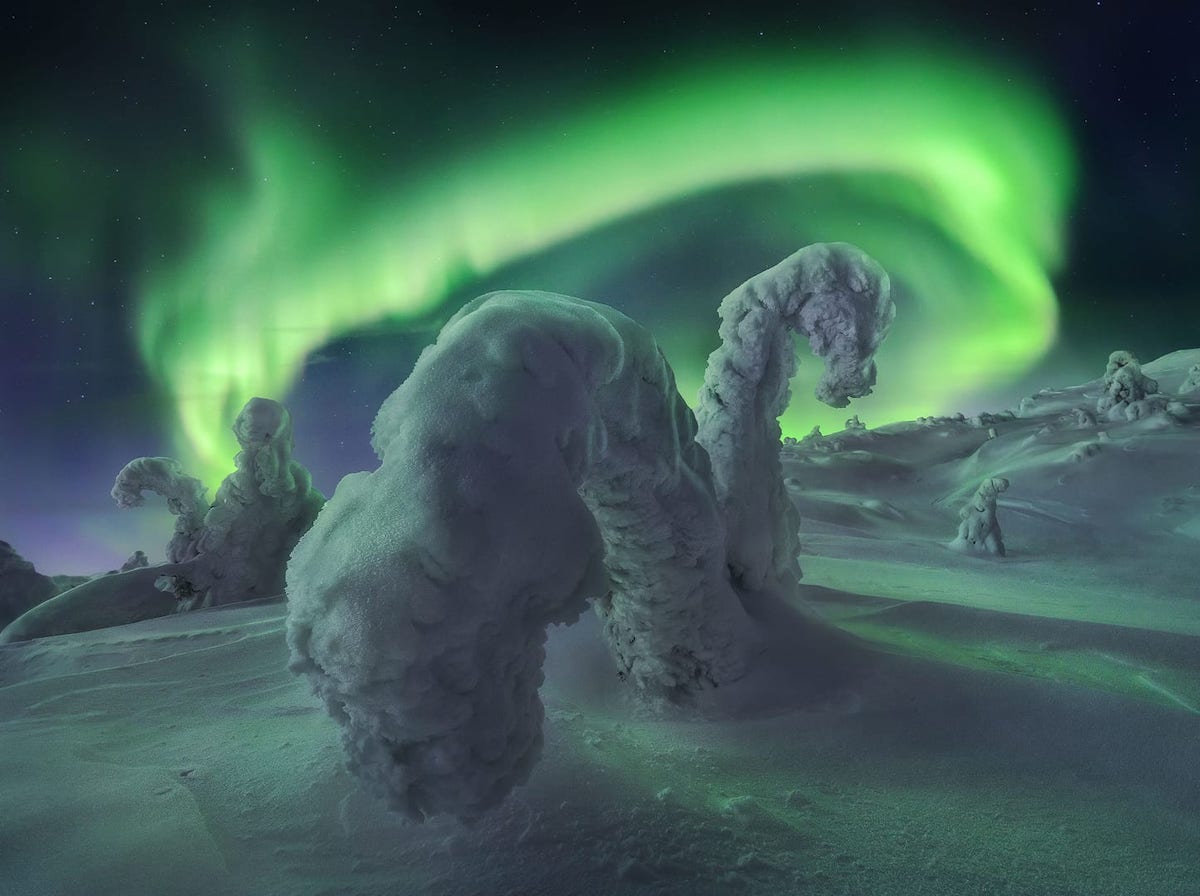
“Polar-snow monsters” by Sergey Korolev. Location: Kola Peninsula, Russia
“At the very beginning of my career, when I first started learning how to take landscape photographs, I was not at all impressed by photographs of the Northern Lights because most of them contained nothing in the composition other than the Lights and the sky.
I always thought it was boring to take pictures of just the sky, but one day, I saw Marc Adamus’ photographs with the aurora borealis over some beautiful mountain scenery and I was really impressed. Since then, I have had a new passion – taking Northern Lights pictures where the landscape and its composition play the main role, and the sky with the aurora is in harmony with the composition. In this picture, I also focused on the “snow monsters” in the composition to make this shot look like an alien scene.”

Colorful Aurora Over a Lake in Wisconsin

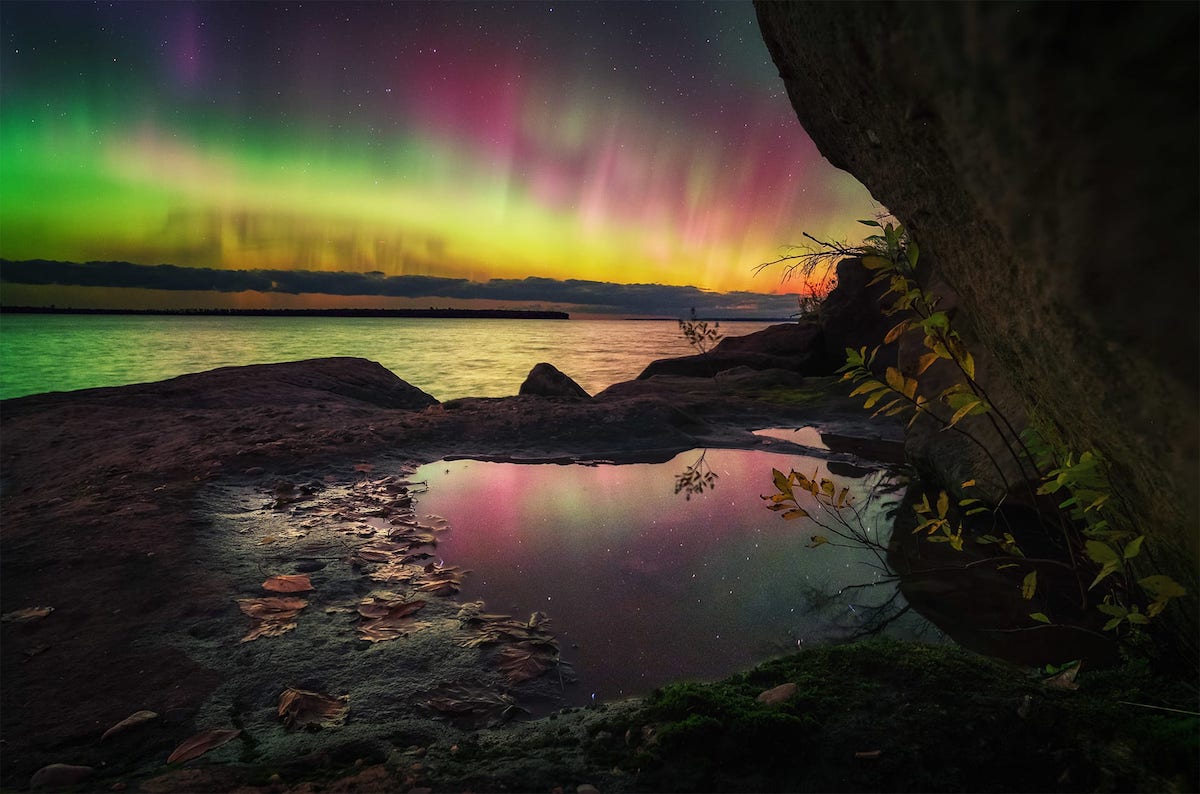
“Aurora Sherbet in the Apostles” by Marybeth Kiczenski. Location: Bayfield, Wisconsin, USA
“The solar storm that wasn’t but was: the events that unfolded from November 3, 2021 into November 4, 2021 will stay with me forever.
The aurora sparked on this night was from a combination of an M-class solar flare and a CME; on their own, they were not much, but together, they sure packed a punch. No one really saw this coming, and we had recently been burned by the solar storm that was but wasn’t, i.e., the X-class event that never materialized. In any case, I saw the initial “hit” in the data, immediately jumped into the car, and drove eight hours north to get away from the horrible cloud cover over much of the Midwest Great Lakes region.
I went to a location I had never been to before – which is always a gamble – but made it work somehow! Hunting for compositions in the dark is always a challenge. The amount of color detail in this image is amazing. I’ve never seen so much teal and purple. The whole night felt like a dream. Here’s to solar cycle 25!”

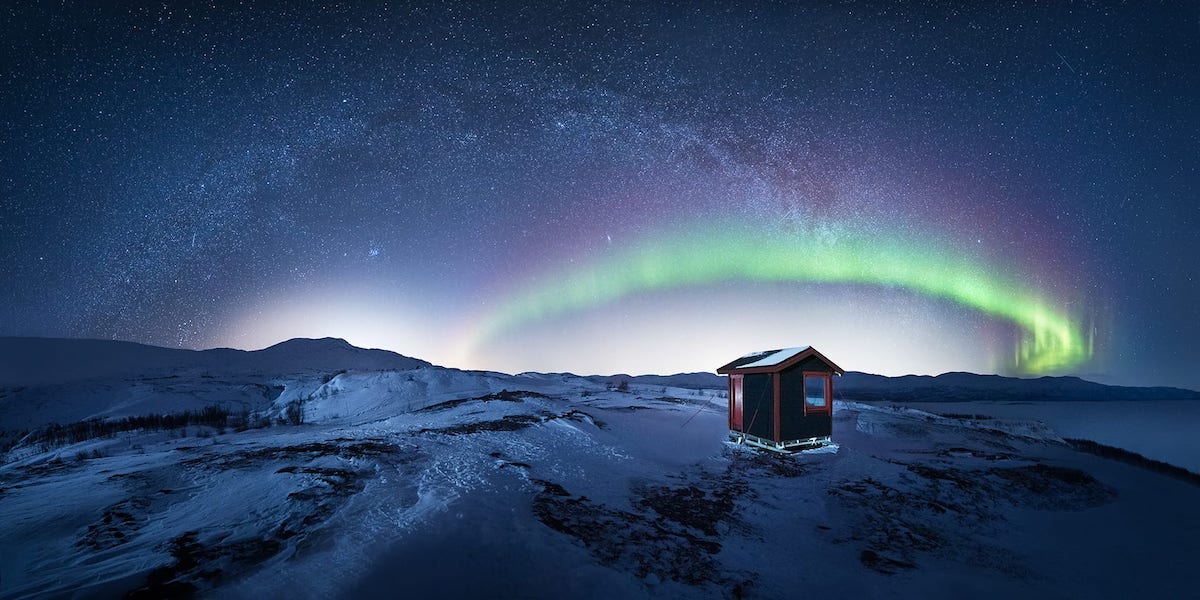
Cabin in Swedish Lapland Under the Northern Lights

“Norrsken over Vintergatan ” by Stefano Astorri. Location:
Swedish Lapland
“Shooting the winter Milky Way and the aurora together was one of my 10 resolutions for 2021. I never imagined I would fulfill this one so soon.
It was a freezing, windy night. I went to this location in the Swedish Lapland, where I hoped to see the Northern Lights rising right between two mountain peaks. When I was there, the “green lady” started dancing suddenly on my left while, right behind me, the Milky Way in her winter dress had joined the party. I was feeling very cold until it was replaced by pure excitement. I immediately re-adjusted the composition to include the red cabin in the shot as well.
The result is a photo that actually merges 12 vertical shots at 14mm (around 270 degrees) to fully cover the two overlapping arches.”

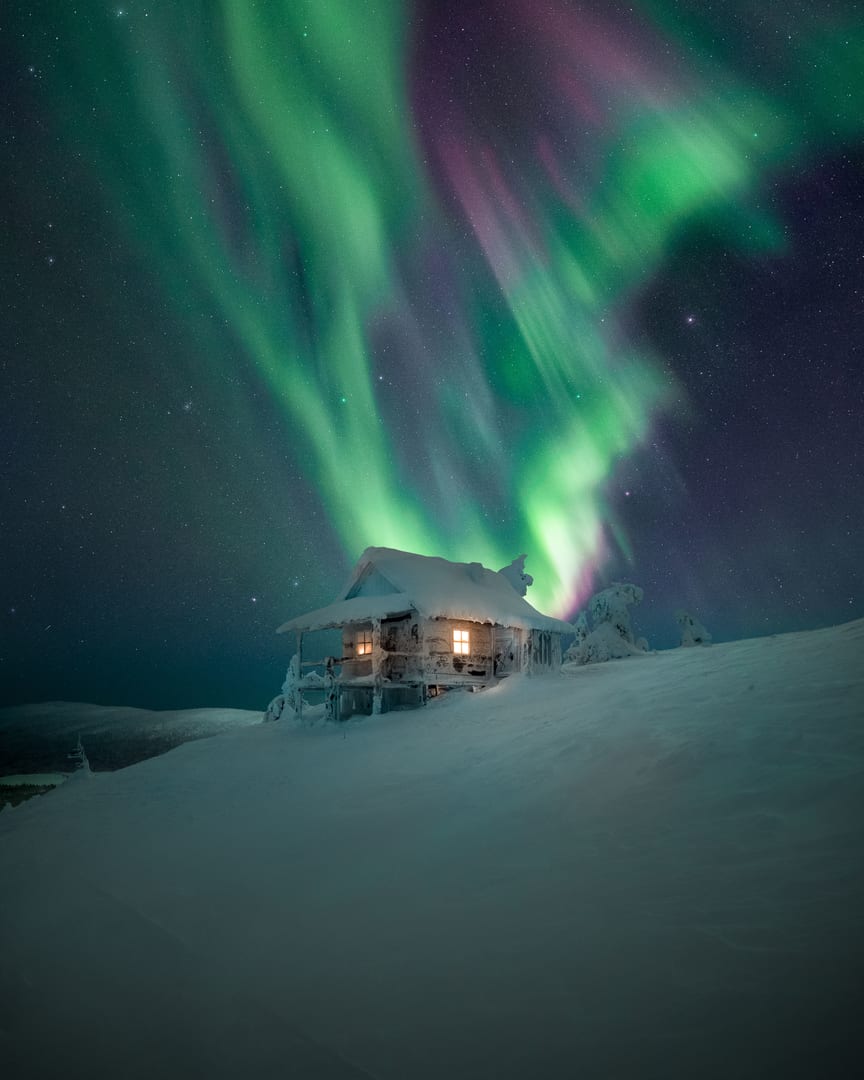
Snow Covered Cabin in Finland with the Aurora Borealis

“Santa’s Cabin” by Olli Sorvari. Location: Levi, Finland
“I know the journey is often more important and memorable than the results, and after taking this picture, I think this was a trip to remember.
It wasn’t a long hike, but when you don’t have snowshoes and you sink half a meter with every step you take, it kind of feels fifty times longer. The next time I go there, I’ll follow the skiing routes. The whole way up there was partly cloudy with no signs of the Northern Lights but finally, I could capture what I was looking for. I also managed to get some pretty decent shots of the winter Milky Way before the real show started, which was the cherry on the cake of this night.”

Northern Lights in Tombstone Territorial Park

“When the stars align” by Joshua Snow. Location: Tombstone Territorial Park, Yukon, Canada
“What a sight to behold. The incredible majesty of the aurora borealis. Lights that move and dance through space. Fleeting moments of vibrancy and shimmery glow. Life is much the same experience if you let it be. Learn to savor the little, passing moments. Learn to ebb and flow with space and time, and glow when the inspiration strikes. Wait for no one. Stop for nothing. Shine, dance, and shimmer your heart out because you only get one life.
This image captures my week in Tombstone like no other ever will. After losing my dad in May and experiencing a full-on mental breakdown shortly before this trip, it felt like I was on a rollercoaster I didn’t know when would stop or even slow down. However, I am learning how to beat it back and slow the ride down. I am growing leaps and bounds toward the best version of me that I could have ever imagined just a year ago…This week in the mountains gave me a chance to heal, think, and feel more deeply than I have in a long time: slowing down to appreciate where I am in life, and reflect on what it is I want and need from it.
Sometimes things can feel impossible. Hopeless. Scary. But sometimes, when things seem their most dim, their most hopeless, the universe reminds you that the sun will shine again. And how bright it shines on me now…”

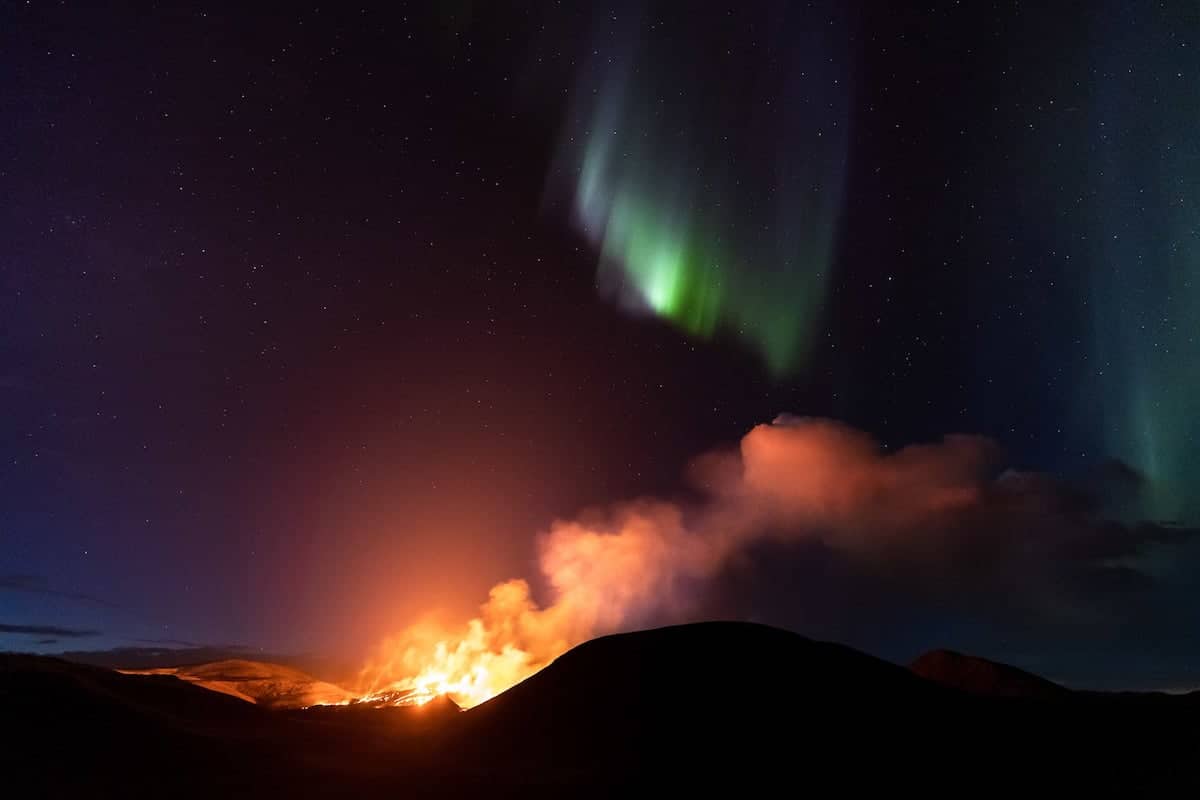
Northern Lights Over the Geldingadalir Volcano in Iceland

“Volcanic Aurora Borealis” by Jeroen Van Nieuwenhove. Location: Geldingadalir, Iceland
“One month into the eruption of the Geldingadalir volcano in Iceland, I was thinking a lot about whether it would be possible to photograph the aurora above the eruption. I tend to think of it as the holy grail of photography in Iceland. It’s a once-in-a-lifetime capture.
That night seemed like one of the last opportunities we would get before the nights got too bright again. While the cloud coverage forecast was not looking particularly good, I decided to go up to the eruption anyway and try my luck. At around 11 PM, the clouds weren’t budging much so I decided to head back down the mountain. Sitting down while waiting in the harsh, freezing wind made my body temperature plummet. However, on the way back, everything changed. The clouds started opening up, and suddenly I noticed the aurora was faintly dancing above.
I decided to put down my tripod and wait to see what, if anything, would happen. After about an hour, the lights suddenly became very active. I couldn’t believe my luck! I took shot after shot while just staring at the event that unfolded before me.”

Capture The Atlas: Website | Instagram | Facebook | Twitter | YouTube

My Modern Met granted permission to feature photos by Capture the Atlas.

Related Articles:

The Best Milky Way Photographers of the Year Show the Beauty of Our Galaxy

Check Out 2021’s Best Milky Way Photography and Enjoy the Beauty of Our Galaxy

Photographer Captures Viral Shot of the Northern Lights Behind an Erupting Volcano

Most Enchanting Aurora Borealis Photos From the Northern Lights Photographer of the Year Contest