The Year of the Superstudio

Yuehui Gong, Courtesy LAF.

Global problems meet regional politics in the field’s most ambitious venture in a century.


In March of 2020, Barbara Deutsch, FASLA, the CEO of the Landscape Architecture Foundation (LAF), hosted a small gathering at the foundation’s office in Washington, D.C. Among those in attendance were Billy Fleming, ASLA, the Wilks Family Director of the Ian L. McHarg Center for Urbanism and Ecology at the University of Pennsylvania; Kate Orff, FASLA, the director of the Urban Design Program at Columbia University and a board member of LAF; Thaddeus Pawlowski, the director of the Center for Resilient Cities and Landscapes (CRCL) at Columbia University; and Richard Weller, ASLA, the chair of the Department of Landscape Architecture at Penn’s Stuart Weitzman School of Design. The five had convened to discuss LAF’s plans for its 2021 summit, which were facing some pressing challenges.

After the foundation’s 2016 “New Landscape Declaration” summit, at which more than 700 participating landscape architects called for a meaningful response to the climate crisis, LAF’s board began exploring ways it could further that work. It had strongly considered hosting a series of regional workshops, led by landscape architects and other experts, to develop conceptual projects that addressed climate issues in contextually appropriate ways. But a lapse in funding and a snowballing epidemic had made that plan untenable.

Board members had also considered another idea: a multi-institution studio that responded to the Green New Deal legislation. Fleming, Weller, and Orff had overseen successful Green New Deal–related studios at their respective universities. But the breadth of the legislation and its issues had challenged them. An open-invite studio would crowdsource the effort, allowing students and professionals across the country to break off and process pieces of the Green New Deal. Deutsch found the idea compelling, which left only the LAF board’s approval. And as far as LAF or anyone knew, the growing epidemic would recede in weeks. By the time the Green New Deal Superstudio officially launched in August 2020, the COVID-19 pandemic had placed the academic and social landscape under tremendous strain.

“It was a bit of a leap of faith putting it out there,” Orff, who is also the founding principal of SCAPE (where the author is a landscape designer), said of the Superstudio’s launch five months into the pandemic. Megan Barnes, ASLA, a program manager at LAF, said that she and Deutsch were uncertain whether they would attract “10 or 50” participating studios. “We planned for 50.” Between March and July of 2020, Deutsch and her team formalized partnerships with the McHarg Center, CRCL, the Council of Educators in Landscape Architecture (CELA), and the American Society of Landscape Architects. With LAF spearheading, the partners developed the Superstudio program, built a website, and attracted interest among a group consisting primarily of undergraduate and graduate design students and their instructors. The Superstudio launched August 1, and LAF hosted an informational webinar later that month attended by more than 600 viewers. By the following spring, the Superstudio had 105 participating studios, including those from 66 accredited landscape architecture programs. “It was way more than we expected,” Barnes said.

Show Me the Green New Deal, Washington University in St. Louis. Instructor: L. Irene Compadre, ASLA. Chroma Threads transforms a rural Missouri site into a natural dye and fabric-making center. Student Author: Dongzhe Tao.

House Resolution 109, introduced in 2019 and known as the Green New Deal, reads like a series of studio prompts. Consider the following line from the bill: “Restoring and protecting threatened, endangered, and fragile ecosystems through locally appropriate and science-based projects that enhance biodiversity and support climate resiliency.” Or another: “Cleaning up existing hazardous waste and abandoned sites, ensuring economic development and sustainability on those sites.” Fragile ecosystems and abandoned sites are topics familiar to many landscape students and practitioners. The novel challenge facing Superstudio participants was in addressing the Green New Deal’s three tenets: jobs, justice, and decarbonization. Doing so would help differentiate Superstudio projects from “landscape architecture as usual,” Deutsch said. In and among the Superstudio requirements were school or instructor-mandated goals: learning geospatial analysis, for instance, or section drawing, or design of a park. And all these goals would be reached, ideally, with compelling results.

The opportunity to participate in a national, and what most hoped would be a meaningful, conversation about environmental and social matters drew many of the Superstudio’s participants. “The green recovery is the most important issue that landscape architecture can and should be a part of,” said Carl Smith, International ASLA, a professor of landscape architecture at the University of Arkansas, who participated with his undergraduate students. “There’s an agenda here that could see landscape architecture reclaim some primacy and some prominence in a really vital area of discourse.”

Show Me the Green New Deal, Washington University in St. Louis. Instructor: L. Irene Compadre, ASLA. Energy Growth reimagines a former site of surface mining as a biomass farm. Student Author: Mengying Li, Student ASLA.

It was a view echoed by other landscape architecture faculty. “I think we’re hungry to be relevant. Any sort of opportunity that seems bigger than a particular program, a particular class, is exciting,” said Forbes Lipschitz, an assistant professor of landscape architecture at the Ohio State University.

Lipschitz was among hundreds who had traveled to Philadelphia in September 2019 to attend an event that would serve as a precursor to the Superstudio, the “Designing a Green New Deal” symposium. Led by Fleming and his collaborators at the University of Pennsylvania, the symposium featured policy experts, activists, and academics, and attracted close to 1,400 attendees and several thousand online viewers, according to organizers. Weller described the event as “youthful, high energy, a bit rough around the edges,” suggesting a desire among landscape architects to critically engage with policy and activism.

Show Me the Green New Deal, Washington University in St. Louis. Instructor: L. Irene Compadre, ASLA. Energy Growth reimagines a former site of surface mining as a biomass farm. Student Author: Mengying Li, Student ASLA.

The Superstudio’s structure was outlined in the Green New Deal Superstudio Brief, a 19-page document that provided background and a suggested approach. This included reviewing the legacy of the original New Deal, performing regional analysis, considering relevant project precedents, and developing conceptual projects. But the most important pedagogical decisions for each studio were left to their instructors. Participating studios were encouraged to collaborate. “The more people we can have sharing and collaborating, the more we can learn from each other,” Deutsch said later. Representatives from LAF’s Superstudio Task Force made themselves available to studios as guest critics and speakers, and LAF scheduled a series of informational webinars “at key points” throughout the academic year, according to Barnes. The webinars featured sample Superstudio work and helped to set expectations for participants. Superstudio planners I spoke with agreed that the projects should present physical and spatial manifestations of the Green New Deal’s three tenets. Beyond that, expectations for what they hoped to see were far ranging.

Orff said LAF chose this nonprescriptive approach to help reduce friction in adopting the Superstudio framework and enable wider participation. “We didn’t see [the brief] as a syllabus that people were teaching to. It was really a framework around which multiple studios could plug in. If a teacher had a site or had a community partner, they could adapt their studio to be part of the Superstudio.”

That plug-in approach was popular among participating instructors I spoke with, many of whom supplemented the brief’s methods with their own. Sarah Karle, an associate professor of landscape architecture at the University of Nebraska–Lincoln, had wanted to run a studio exploring the synergies between landscape architecture and agroforestry with her colleague Gary Bentrup, ASLA, a landscape planner with the U.S. Department of Agriculture. When the Superstudio was announced, she said, it “gave a really great venue to connect the conservation work that Gary is doing to a teaching and learning environment and contextualize it within a larger national landscape architecture movement.” She and Bentrup used the Green New Deal as a jumping-off point for their studio, called “A Vision for Agroforestry: Healthy Soil, Healthy Food, Healthy Community,” which examined how policy could help build upon conservation efforts already underway. “It brought the policy conversation in,” Karle told me of the Superstudio brief, helping her students have “a robust conversation around agricultural policy more broadly.”

Investing in People Through Workforce Development: Living Infrastructure for a Regenerative Economy; Mithun. Living Infrastructure explores how new infrastructure projects can generate equitable economic outcomes. Authors: Amelia Jensen, ASLA; Graham Prentice; Debra Guenther, FASLA; Kasia Keeley; Shannon Lee; Chuck McDowell; Caitlin Squier-Roper; Dorothy Faris, ASLA; Tim Mollette-Parks, ASLA; Mariel Steiner; Isabela Noriega.

Maggie Hansen, an assistant professor of landscape architecture at the University of Texas at Austin, drew upon her academic interests in the Blackland Prairie, a landscape endemic to the Austin and Dallas region, to use as a basis for a Green New Deal studio. With collaborators Gwen Cohen and Isaac Cohen, ASLA, both associates at Studio Outside in Dallas, Hansen developed a syllabus that investigated the potential for urban prairies. Her syllabus mentioned the Green New Deal only glancingly, but, like Karle, she required her graduate students to understand the policies and regulations that would affect their designs.

In April 2021, LAF published a schedule of Superstudio final reviews that would be hosted online and invited participants to sit in on the reviews of other studios. I joined the final review for Hansen’s studio, called “Prairie Time: Growing Dallas’s Green Quilt.” Some instructors had attempted to mitigate the complexity of their studios by narrowing their scope, or hyperfocusing on a subset of the Green New Deal’s three tenets, but Hansen’s studio was unapologetically ambitious (she uses the term “aspirational”). Students were asked to familiarize themselves with the Blackland Prairie ecology, frame the issue on which they would work, research and identify a site of intervention, and produce a design that considered jobs, justice, and decarbonization. Add to this an inability to perform site visits because of the pandemic as well as a critical failure of Texas’s energy infrastructure in February, resulting in a harrowing period without power for several students, and it would be fair to say the class had its hands full. But the projects shared at the review were thoughtful and well-presented, consistent in quality with the work of final-year graduate students.

From Offshoring to Nearshore: Littoral Landscapes at Work; Harvard University. Instructors: Sergio Lopez-Pineiro; Danielle Choi, Studio Coordinator. Landscapes of Excess serves as a study of offshore wind farms and their reciprocal coastal landscapes. Student Author: Barbara Graeff.

Among the jury critiquing the work was Allan Shearer, FASLA, an associate dean for research and technology at the University of Texas at Austin. A good critique is thorough, and a thorough critique can appear oppositional. Shearer’s critiques were very good. After the review I asked what he thought of the student projects.

“Did they get to full resolution? Maybe not. That’s okay. It’s an educational process. We’re asking our students to try to solve problems that, quite frankly, the faculty haven’t solved ourselves.”

Shearer suggested that phenomena such as climate change create problems resistant to common technical solutions. The Superstudio benefited students by requiring them to consider the social alongside the technical, framing climate change and other issues in a “political and economic context.”

From Offshoring to Nearshore: Littoral Landscapes at Work; Harvard University. Instructors: Sergio Lopez-Pineiro; Danielle Choi, Studio Coordinator. Disarming Carbon imagines the transformation of a liquefied natural gas terminal into an integrated kelp and wind farm. Student Author: Jeb Polstein.

Taylor Davis, one of Hansen’s students, took a localized approach to addressing jobs, justice, and decarbonization. Davis’s project focused on Dallas’s Tenth Street Historic District, thought to be one of the country’s few remaining intact Freedmen’s Towns, according to the City of Dallas website. Also known as Freedom Colonies, these were communities that former slaves settled after emancipation. Davis researched the land management practices of Freedmen’s Town settlers and developed a landscape-based program that would help reinvigorate the deteriorating neighborhood both economically and ecologically. She said that centering the stories of Dallas’s Black residents was critical to her project. “These stories offer alternative understandings to our work with landscapes and within the built environment. Black people’s relationship with the land is dense and emotionally charged and has changed throughout time. As landscape architects, we need to understand how our work affects that relationship and work toward goals that are healing, both spatially and emotionally.”

Davis added that the jobs and justice component of the Superstudio allowed her to “understand how ‘work’ can be talked about outside of the confines of capitalistic expectations and within concepts of community care. Work that is for and by the community can have a lasting impact and can be used to expand knowledge and steward the environment around you.”

Not everyone embraced the framework for the Superstudio in the same way. Instructors I spoke with said some of their colleagues had raised concerns over attempts to pivot design education toward the tenets of the Green New Deal. For them, having students consider issues like jobs and justice detracts from learning more traditional skills such as planting and grading. When I put this critique to Fleming, one of the Superstudio’s primary architects and perhaps the field’s most vocal advocate for bridging the worlds of design and progressive politics, he agreed with it.

“Adding anything on to what’s already a weighty, exhaustive educational and training experience is a lot to ask both faculty and students,” Fleming said. But not engaging these issues “is a recipe for stagnation,” he continued.

“It would be a mistake to look around at the state of the world and conclude that the status quo of anything, whether it’s landscape architecture, or architecture, or politics, is doing us all the kind of good that it needs to. It’s time to stretch ourselves.”

More than a year before the Superstudio’s launch, and five months prior to the “Designing a Green New Deal” symposium, Fleming published an essay in Places Journal titled “Design and the Green New Deal.” In it, he methodically dressed down the profession of landscape architecture for capitulating to private interests and neutralizing its own ambitions for a more ecological, healthier world. It’s difficult to write an essay that reverberates through a professional community, but Fleming did—the essay has been visited more than 50,000 times, according to Places editors. Some readers bristled at the tone of the piece, which was chastening, or found Fleming’s opinions transgressively political. But for others, it spoke a repressed truth: Landscape architects should reorient their practice toward the public interest in order to meaningfully confront climate change and environmental degradation. Some of those readers went on to participate in the Superstudio.

“It was a really nice ego check,” said Olivia Pinner, Associate ASLA, a landscape designer at SWA Group. Pinner was one of six landscape designers participating in the Superstudio under the collective name WKSHP. The group modeled its effort after a traditional academic studio, going so far as to craft its own syllabus, and Fleming’s essay was required reading. Another WKSHP member, Adam Scott, Associate ASLA, said Fleming’s essay forced him and the others to spend significant time “grappling with what our profession is and how it operates in practice.”

When I spoke with WKSHP’s members in July 2021, I mentioned that they were among only a handful of individual, practicing landscape designers involved in the Superstudio. Pinner was sympathetic to the idea that many practitioners might have lacked the time or resources to participate in the Superstudio. But Scott added that it might suggest “a lack of vision. This is a huge opportunity,” and referenced the infrastructure bill that would become law in November as a potential catalyst for Green New Deal projects.

The WKSHP members were dispersed across several states and collaborated almost exclusively online, and they said the Superstudio offered them a social outlet amid the pandemic. They worked consistently through the pandemic’s ebbs and flows on a project that imagined a revitalized Calumet region, a heavily industrialized and polluted area straddling Illinois and Indiana along the shore of Lake Michigan.

Photovoltaic Reformation: Dismantling Gas Infrastructure; EDGE Design Group. Photovoltaic Reformation showcases exuberant community solar projects that provide inexpensive energy. Authors: Jimmy Ta and Kevin Slawson.

One of the Superstudio’s unmitigated successes was the relationships it helped create between participants and community organizations. WKSHP members connected with Calumet Collaborative, a community organization in the area, to better understand the issues they would be addressing. For their sustainable agriculture studio, Karle and Bentrup solicited the help of Graham Christensen, a cofounder of RegeNErate Nebraska, an organization that represents a network of landowners transforming their family farms using regenerative methods. Christensen helped supplement Karle and Bentrup’s expertise with knowledge of issues facing farmers and the communications skills necessary for outreach. Karle said that he came to be “a really important voice for the students.”

During closing remarks made at the final review for Karle and Bentrup’s studio, both Christensen and another critic alluded to the negative reactions the term Green New Deal elicits in some agricultural areas of the country. Christensen told me the Green New Deal incurred “a black eye” during its 2019 rollout that’s made mentioning the bill while doing outreach unpopular. Like any other population, Christensen said, Nebraskans are subject to intense partisanship.

Prairie Time: Growing Dallas’s Green Quilt; University of Texas at Austin. Instructor: Maggie Hansen. Rooted Rubble uses the Blackland Prairie ecology to remediate sites of extraction in West Dallas. Student Author: Kristin Witte.

LAF deliberated over attaching the name Green New Deal to the Superstudio, according to several board members I spoke with. Weller, a board member emeritus, said he and his colleagues weighed the Green New Deal’s ostensible divisiveness but believed it would also have a galvanizing effect. “My argument was [forget] politics. Let’s do it anyway. Because the ideas of the Green New Deal are not going away in the 21st century.”

Sadik Artunç, FASLA, the head of the landscape architecture department at Mississippi State University, said he encountered hesitancy around the name. Artunç was transitioning into his one-year term as president of CELA in the spring of 2020 when LAF reached out to request CELA’s partnership. Artunç said he “loved the idea of the Superstudio” and agreed to lend the help. While promoting it, he heard “grumbles” from CELA members asking, “Why is CELA pushing this?” But not just CELA members. Artunç, who hoped to involve his students, approached his university administration with the idea. According to Artunç, the administration said students could participate in the Superstudio with the stipulation that they not associate their projects with the Green New Deal. “Some in my university would have considered assignment of the Superstudio project as lobbying, which is not allowable,” Artunç said. “I was not told this verbatim by any of my administrators. However, that was the message.”

Artunç added that he suspects instructors from other institutions faced similar resistance, based on his conversations. Still, other factors may have limited Superstudio participation, according to Malcolm Cairns, FASLA, a professor of landscape architecture at Ball State University. Cairns said he’s almost certain that complications caused by the pandemic were to blame for the fact that none of Ball State’s 13 landscape studios participated in the Superstudio. “When we found out about this, we [were] in the middle of trying to figure out how to reopen for fall semester.” He suggested the Superstudio may have seemed like an additional puzzle to solve. “I would be surprised and chagrined” if the name kept instructors from participating, Cairns said.

“Is the Green New Deal too politicized, too partisan, to do the kinds of things you want to do with it?” Fleming asked. “I think it’s a reasonable question to ask. But I think it’s been answered.” He marshaled as evidence the fact that the Superstudio drew participants from throughout the country, including from the rural South and Midwest, “places that might not be top of mind when you think about the Green New Deal.”

Fleming said that as an advocate for the Green New Deal, he has visited places like the Mississippi Delta to “meet with folks who are living in a community that’s been a site of disinvestment for 50 years. Whose crops are now washing out or frying every other year because of heat or because of drought or 500-year floods. Things at the core of the Green New Deal are also on the tip of their tongues.”

You would have to revisit the 1970s to find any landscape architecture endeavor approximating the Superstudio in scale, regional representation, or purpose. That was the last decade in which a program called the Landscape Exchange Problems was administered. It was an annual design competition coordinated by CELA and CELA’s predecessor that, at its height, attracted submissions from more than 20 landscape architecture programs.

When I spoke with Cairns about his perception of the Superstudio, we also discussed the Exchange Problems, a topic on which he has written. He said that “the world of landscape architecture education was expanding in the 1920s…changing dramatically from horticulture and agriculture to something we would recognize today.” The Exchange Problems, which ran from the 1920s through the 1970s, began as a way of standardizing what was a fragmented approach to landscape architecture education, according to Cairns. And like the Superstudio, the Exchange Problems attempted to address what the field considered to be pressing issues. During the early years of the Exchange Problems, that meant competitions focused on the design of country estates. By the 1930s, participants were designing aerodromes. The Exchange Problem for the 1942–1943 academic year gave students five weeks to design an army air base. “For the purposes of this problem it is to be assumed that the base is within range of enemy attack,” the brief states.

If the Exchange Problem briefs were tightly written to produce a narrow set of submissions, expectations for the Superstudio submissions were necessarily much broader. The loose brief that had eased the adoption of the Superstudio framework had also invited wide interpretations of what constituted a Green New Deal project.

LAF had received 670 project submissions by the deadline of June 30. Submissions were subjected to review by a panel of Superstudio task force members, LAF board members, and board emeriti, among others. Results of the review were published in mid-October to the Superstudio website. In late October, at a Superstudio Showcase webinar, Orff discussed the criteria that she and the reviewers believed differentiated exceptional submittals from more conventional ones. Among the eight criteria listed were an emphasis on how design can influence policy, an appreciation of the labor and effort required to build the proposed projects, and a sense of urgency along with a timeline for implementation that our environmental and social crises warrant. Some submissions featured “spectacular landscape architecture work,” Fleming said, “but it’s not clear that there’s a strong connection to jobs, justice, and decarbonization.” Other projects addressed those three tenets but failed to tie their viability to the Green New Deal’s enactment.

One interpretation is that most landscape architecture projects emerging from the academy reflexively embody Green New Deal ambitions. It would be understandable if some participants, using traditional strategies to achieve Green New Deal objectives, believed they were producing a Green New Deal project. But traditional strategies risked feeling rote in the context of the Superstudio, according to Weller. He said there is a tendency among designers, Superstudio participants being no exception, to “talk about equity, economy, society, and ecology all in one mouthful, [assuming that all they’ve] got to do is design a bit of public open space, and that public open space will equal all those things.” That approach is not without some merits, Weller added, but it also “profoundly underestimates the scale and the difficulty” of something such as decarbonization, for instance.

On balance, the work is “pretty remarkable,” Fleming said. He told me he believes the submissions comprise a much-needed visual library of ideas that can serve as the basis of future projects. To that end, LAF has cataloged each submission and made them available to freely browse on the digital library JSTOR.

How to Land On Earth; Cornell University. Instructor: Jamie Vanucchi. Forestation Beyond Boundaries allows carbon consumers to plant forests and create jobs. Student Author: Mengyi Wu.

Two years after her meeting with Fleming, Orff, Pawlowski, and Weller at LAF’s offices, Deutsch says her immediate goal is to maintain the momentum of the Superstudio. Last month, CELA hosted its annual conference in Santa Ana Pueblo, New Mexico, featuring an LAF panel discussion on the pedagogical lessons of the Superstudio. And this month, LAF will host the follow-up to its 2016 summit, titled “Grounding the Green New Deal: A Summit on Design, Policy, and Advocacy,” in D.C. “Whereas the 2016 summit was more of an internal conversation about the discipline,” Deutsch says, “this is more external,” and will feature civil servants, nonprofit organizations, and elected officials.

When we spoke last May, Shearer told me landscape architects will not attain the sophisticated skills needed for addressing decarbonization, jobs, and justice without testing those skills in a studio. “Learning how to structure an unstructured problem, as vast as what [the students] were given, was an important thing for their education.” One measure of the Superstudio’s success will be whether the effort to develop these skills continues. Most participants I spoke with hoped the Superstudio would return in some form or another.

For her part, Orff was philosophical about the Superstudio’s outcome. “There are a couple of gaps, but the work is incredible. I just think of a student in the basement of their parent’s [house] in Cleveland, or St. Louis, or Queens, and they’re doing this work, and they’re part of this big national conversation.”

Aaron King is a landscape designer and writer based in Brooklyn.
USG preps for new Avery Quarry, targets construction this year | News

ALABASTER Twp. – Building upon an already lengthy local history, USG is looking to continue its gypsum operations in Alabaster Township well into the future. To secure the ongoing production, as well as the employment of those in the community who work for USG, the company is completing the steps to establish a new quarry.

USG officials presented their plans at a recent meeting of the Iosco County Board of Commissioners, and noted that construction of the Avery Quarry is proposed for this year. They say that USG will celebrate its 120th birthday in 2022 by opening the new quarry, which is named for its original founder, Sewell Avery.

As previously reported, in 2018 USG purchased nearly 600 acres of state forest land adjacent to its current property, with the expressed intention of continuing to quarry gypsum in the township.

The local reserves were part of the company’s founding more than a century ago, and they’ve steadily produced from this location ever since, says USG Manager Matt Craig. “We are proud of our history in the community, and we’re excited to announce we’re embarking on this new chapter of gypsum production at Alabaster.”

As part of the endeavor, USG has submitted a wetlands permit application to the Michigan Department of Environment, Great Lakes and Energy (EGLE).

Craig says that neighboring property owners and other stakeholders have been notified of USG’s intent, and he assured that those from the company have, and will continue, to answer any questions and address concerns.

In fact, during the recent on-site interview for this story, he said that the plans and designs which have been put forth were done so in a way as to not adversely impact the community.

Further, any land utilized by USG will undergo a reclamation process wherein the property is returned to a natural state. If five acres of wetland are utilized, for instance, the company has to later restore five acres in the same watershed. The reclamation work is ultimately determined by EGLE and the Environmental Protection Agency (EPA).

From home building and cement manufacturing, to agriculture and more, USG states that the Avery Quarry is welcome news to the Michigan industries which depend on gypsum-based products. The essential raw material is used in a wide range of applications, including food additives, animal feed, soil conditioner in farming, fertilizers, drywall and plaster.

Synthetic gypsum, made from emission stack material of coal-burning power plants, has been a key material in industry for decades. However, Craig points out that synthetic sources are rapidly declining as coal-burning plants are retired or shifted to natural gas for energy. So it’s critical to have a local, reliable source of natural gypsum rock for the dozens of industries and hundreds of companies USG serves in Michigan.

Also, the shift away from synthetic gypsum being created as a by-product of power plants has put increased pressure on natural gypsum, and available supplies around the United States are short. This includes the reserves at USG’s existing quarry in Alabaster Township, which is nearing the end of its productive life and will soon be depleted.

In terms of the need for a new quarry, the company states that its ability to supply gypsum has been very limited over the past several years, even as demand for gypsum-based construction products has increased significantly.

Craig, joined by other USG staff, also spoke to this at the March 7 Tawas City Council meeting. “We’re going back to what we did before the power plants produced synthetic gypsum, which is to mine natural rock. And this area has an abundance of natural gypsum, that is part of the deposit that goes throughout Michigan,” he advised. With the local gypsum being so close to the surface, it’s also much easier to access and the most economical to mine. “And that’s why there’s three different gypsum companies in this area.”

Councilman Chuck Klenow said that with the increasing demand, it can probably be assumed that the other local companies will continue to grow, which will also be a benefit to the area. “And I appreciate you bringing this to the council; keeping us apprised of it.”

The Alabaster quarry has been in existence since 1862, and has been part of U.S. Gypsum Company since its formation in 1902. “And [it’s] still the same company today, operating a quarry,” Craig told council members. “We’ve been in continuous operation since then, but business has slowed down; picked up. Our ship loading system shut down in 2000, and portions of it were taken out in 2004.”

The marine bin on Lake Huron was also taken out in 2019, he noted. “But at this point, we are now in the process of growing again.”

With the Avery Quarry, the rock will initially be shipped out by truck. But USG is looking at installing rail again, and is even investigating whether it makes sense to go back on the water at some point. “So all those possibilities exist for us,” Craig said. “We’ve got a very bright future, there’s a lot of demand for the product and a lot of need for it.”

As for an estimated time line, he shared that USG has submitted its application, which is going through the public notice phase, and that technical review of the permit is also occurring. This process will take at least until the end of June, but possibly longer since the state and EPA need an opportunity to review it, look at the numbers, ask questions and so on.

Craig adds that USG has put in a lot of monitoring wells to track surface water elevations, and have also done studies to make sure they don’t drain all the surrounding land in part of that process.

It depends on the permit, but he said that once this in place, USG is anticipating about eight months of work before they can start extracting the first gypsum in the new quarry. “And our plan is that most of the work will be done by the current employees who are there; who are mining the last of the rock out of our current quarry, which we call the Northwest Quarry.”

While awaiting the new quarry, staff continue to work in the meantime. Alabaster Operations Manager Jim Sheehan says that they are still selling some of the rock which exists there and continue to ship it to USG’s plant in River Rouge, as well, where it will go on to be used in agricultural and industrial products, for glass manufacturing, in the creation of fireproof/fire-resistant materials and more.

Workers at the current quarry are also stockpiling shale, which is being used to develop a haul road for the new operations.

Once up and running, the Avery Quarry will produce approximately 500,000 tons of gypsum annually and add full-time, living-wage jobs to the area. Craig says that the company has already started hiring more employees in anticipation of this.

As reported, USG began decreasing its production in 2019, due to the limited reserves of gypsum rock at the existing quarry. It was noted that layoffs were possible for some of the 23 employees who were working there at the time, but the site was running out of gypsum faster than anticipated and production had to be slowed while USG worked to get the next site permitted and operating.

According to Craig, they were down to six employees at one point, but now have 18 workers as the company prepares to open the new quarry. There will be even more hiring to come and, while the thought is to have at least 24 employees, it’s most likely going to grow beyond that.

“The demand for the product is very substantial and 24 is what we’re going to need, on the low end of that scale,” he told council members. “And I don’t think we’ll be that low for very long.”

USG completed its agreement with the Department of Natural Resources (DNR) in 2018 to purchase the 580 acres of land for $3.45 million. The new quarry property sits immediately adjacent to the west boundary of the existing quarry, which is south of Tawas City, and is still in Alabaster Township.

According to representatives, USG is committed to being a good steward of our natural resources. They have applied to EGLE for a permit, which is required any time human activity impacts wetlands.

If USG is unable to open a new quarry, it will likely be forced to use imported material until it can identify and create a new quarry someplace else; however, no other locations in Michigan have demonstrated economically obtainable gypsum. Company officials state that if the Alabaster operations closed permanently, it could have economic ramifications beyond Iosco County. The quarry serves the USG factory near Detroit, which makes Durock brand cement board, as well as a variety of other Michigan businesses.

Craig also said that the gypsum in Alabaster is particularly sought after due to its very high purity level. The local supply is special because of its brightness, as well, which appeals to the customers who want white gypsum, and gives USG the opportunity to serve those markets.

For those who may be wondering why the company doesn’t quarry gypsum away from wetlands, he explained that there really isn’t anywhere else to go, since this is where the rock is.

Simply put, according to information from USG, gypsum occurs where it occurs. It’s a calcium-based mineral located in the ground, so quarries must be developed where the rock is. In the case of Iosco County, more of the landscape is wetland than not. The gypsum reserves on USG’s property are very high quality – some of the finest in the country. Siting a quarry which would not impact wetlands in Alabaster Township is nearly impossible, so the company is working with state regulators on a plan that minimizes wetland disturbance and mitigates the impacts by restoring and protecting wetlands elsewhere in the watershed.

Craig says that in conjunction with working on the permit steps for the future quarry, they have also been designing the replacement wetlands and figuring out other mitigation details that will have to be done for the land used by USG.

Once the new quarry opens, staff will use one section of it at a time, lasting for about 50 years.

Craig elaborated on this, first explaining that a quarry is a broad term for an excavating operation. Within the quarry operation, each pit is called a bench.

Although USG purchased 580 acres to create the Avery Quarry, he said that this includes ample buffer acreage to help them be a good neighbor. The actual quarry footprint for Phase One is closer to 50 acres total. Once that 50-acre bench is depleted, it will be filled and reclaimed, then another quarry bench will be opened and so on. The lakes are then created by the final bench.

“All the planned benches in the quarry over next 50 years or so will total approximately 400 acres,” Craig stated. But for now, the focus is on the Phase One acreage.

As for the expected longevity of the Avery Quarry, he said it depends on a lot of unknown factors, mostly related to market demand for gypsum. However, what is known, is that the new setup will serve the region’s gypsum needs for decades ahead.

When removal of the deposits is complete, the areas are restored to create wetlands, lakes, forests and prairies, which is done according to township ordinances and environmental permits. USG notes that its long track record on the land in Alabaster as visible proof of their commitment to restoring the landscape when the work is done.

For example, USG has been hosting Free Fishing Weekend events at the property for the last few years, welcoming the community to fish the ponds on the reclaimed land of its current quarry, which are teeming with a variety of species.

Craig states that these fish are native species which have migrated in naturally over the past 50-plus years. The only stocking done by USG, was to put local minnows into the lakes a few years ago to see if it would reduce pressure on some of the panfish populations and provide forage for some of the carnivorous species. “Given the popularity of the Free Fishing Weekend events, USG is working to keep the fishery healthy to provide great fishing opportunities for those events.”

He pointed out that all of the water bodies on USG property are former quarries.

This includes a former mining pit that was depleted in 1999, was restored and is now known as Pilot Lake. Sheehan says that the lake has an average depth of about 30 feet.

And because there are no chemicals used in procuring the gypsum, the water bodies can naturalize on their own.

Craig went over this, as well, at the Tawas City Council meeting. He said that they remove the dirt, remove the gypsum and then put the dirt back. “The only thing we discharge is groundwater.” When they dig a hole in the ground, water is going to flow in. “And we have a permit to pump that water out. The water then goes through our lakes, before it enters Lake Huron.”

Staff closely monitor the quantity and quality of water and regularly report that data to the state of Michigan. The state also tests to make sure that no sediment from the operation enters Lake Huron.

For the actual collection of gypsum, because the reserves in Iosco County are close enough to the surface, they can be obtained through a quarry process, which is different from an underground mine. Surface soils and clays are cleared until the gypsum layer is exposed, and machines similar to road resurfacing equipment essentially mow rows of gypsum approximately 12 inches thick. The materials are crushed and sorted by size on-site, and transported by truck to manufacturing operations and other businesses across Michigan and North America.

USG officials say that this process does not harm the environment. Gypsum is a very safe mineral, quarrying it is sustainable and its removal entails a mechanical process which does not use chemicals or create pollution.

When USG closes a gypsum quarry, they backfill the earth, create a natural landscape, plant native trees and welcome wildlife into the space. The company is already reclaiming large sections of its existing quarry with wetland creation and enhancement, timber management and control of invasive species.

Craig, who also works at the River Rouge plant, says it’s interesting to see some of the historical areas that were mined more than 100 years ago in Alabaster, and how active they are today with wildlife, lakes, fish and so forth.

A group of whitetail deer is one example witnessed by this reporter, during the recent tour.

Some have questioned if there will be blasting as part of the new quarry, and the company reports that limited blasting is needed in their operations today. On average, they blast three to eight times per year to create holes to collect water from the quarry or access the deeper layers of gypsum. No explosive materials are kept on site, and are brought in only as needed.

Tawas City Mayor Pro Tem Brian McMurray, during the council meeting, commented that he was surprised at how infrequent the blasting occurs.

Craig said that part of their process involves opening a bench, and these are about 200 feet wide by 1,000 feet long. They dig down to the surface of the gypsum, which is mined with what he likened to a converted road planer. “But as part of that process, we have to deal with water.”

So the workers go to the lowest point of the bench and blast a hole, which allows them to collect the water and pump it out. They typically do two blasts per pit, and Craig said that currently, they go through maybe one pit every two years. “But the plan with the new quarry would be two pits a year. So that would be four blasts. And these are relatively small blasts.”

He noted that the outside company which brings in the materials to perform the blasting also sets up seismic equipment to monitor the activity, so that USG knows if there were any shock waves that went out and would have disturbed anybody. “And typically for us, the seismic devices do not record anything.”

Company officials state that USG has a documented, century-long record as a responsible custodian of the natural resources entrusted to them. They work in close partnership with local, state and national authorities to respect environmental concerns and restore impacted areas to a natural state.

“We started here and we want to stay here” is an adage that has been expressed by both Craig and other USG representatives. Although they had a temporary production slowdown during the past couple years, they are now eagerly looking forward to developing the new quarry that will secure gypsum reserves – and permanent jobs to the community – for years to come.

As for what USG intends to do with the existing quarry once it’s no longer operating, Craig says they currently plan to keep and maintain it, and that the priority will be the reclamation work.

Along with what has already been mentioned, USG says that some of the other benefits which will come with the development of the Avery Quarry include, meeting the state’s goal of supporting and strengthening the resource-based economy; putting nearly 600 acres of land back on regular tax rolls to support local public services and schools; supporting the DNR’s conservation projects in the region; and contributing to the economic recovery from the pandemic, by providing building supplies to a booming construction market.

The continuation of quarrying gypsum locally will also allow for the continuation of USG’s public engagement. In addition to hosting the Free Fishing events, employees are involved in the community, attend local governmental meetings and support area businesses.

The company has also teamed with Michigan Sea Grant, Michigan State University Extension, Project Fish and others to explore development of an ongoing summer youth fishing program to encourage recreational fishing and educate children about the natural environment and ecosystems.

Additionally, Craig says that when USG purchased the land in 2018, they immediately put a total of 1,000 acres into public access through the state’s Hunting Access Program (HAP). “We realize outdoor recreation is important to people in the area. As a landowner, we support that as best we can.”

Further, USG has contributed to Habitat for Humanity, the American Red Cross, United Way, Huron Pines, the Tawas City Fire Department, the Iosco County Historical Museum and more.

Staff have given tours to a number of different entities and individuals, as well, including school groups, Sunrise Side Lifelong Learning members, local officials and those from the public.

“I highly recommend you go. It’s very interesting,” Tawas City Manager Annge Horning told council members at their meeting, after Craig confirmed that tours of the facility will again be provided.

Councilman Ed Nagy added that the handouts shared by USG for the meeting were very informative and well put together. “Having lived here a long time, I didn’t know a lot of this stuff. Thank you.”

More workers and more land in support of the Avery Quarry also means that more equipment is needed, and USG has already tackled a big chunk of this task. For example, the company recently purchased three Volvo A60H trucks, which are the largest articulated haulers in the world.

In reference to the quarry’s namesake, Craig said that Avery’s father was a timberman who purchased the Alabaster quarry site in about 1895. Avery and his brother were running the quarry when USG formed in 1902, upon merging several manufacturing/quarry sites.

Avery became the president of USG – a position he held for 30 years – and helped grow the company during that time, even throughout the Great Depression.

According to representatives, USG has grown into an international company, with 6,900 employees across North America and operations around the world. The business is a leading manufacturer of building products and innovative solutions, with one of its most well-known products being Sheetrock® drywall.

Winning Photos from the 2021 Landscape Photographer of the Year Comp

Yosemite National Park

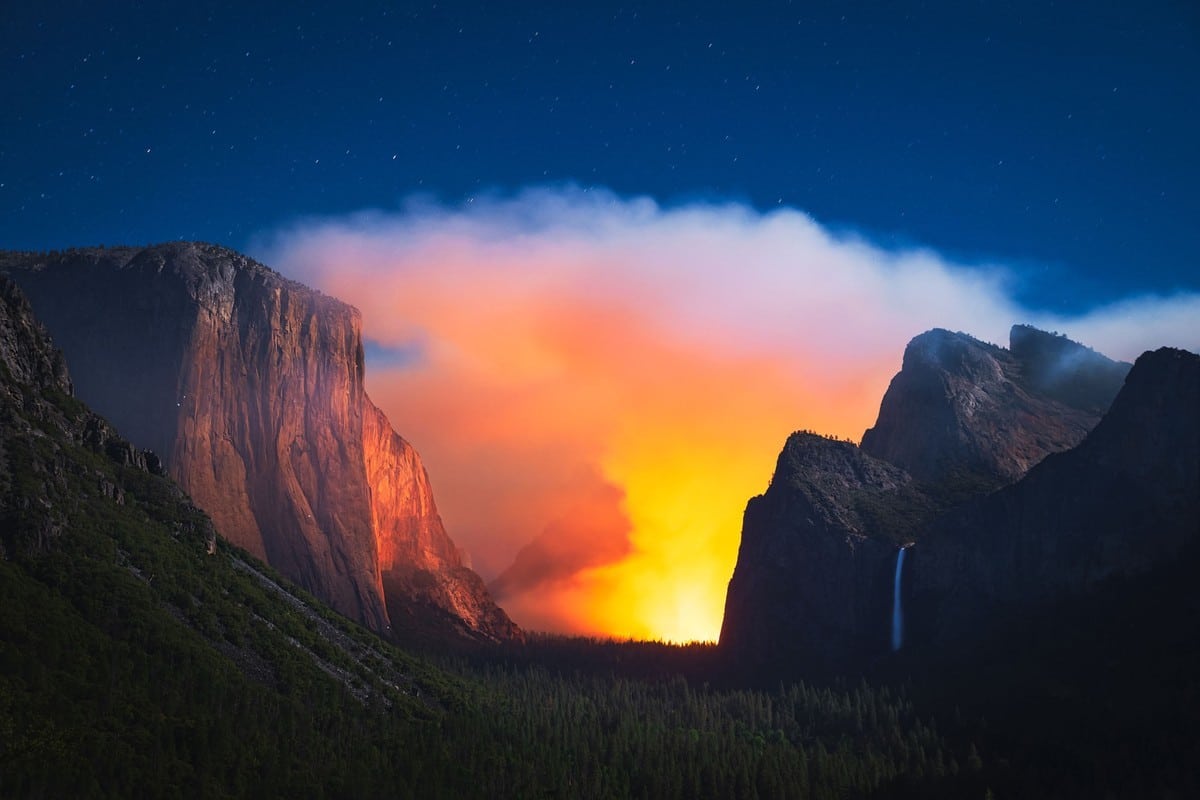
“Fire” by Marcin Zajac. Yosemite National Park, USA.

From over 4,500 entries, 100 images were selected for their quality in the 2021 International Landscape Photographer of the Year awards. This annual contest has been going strong for eight years; and this year, an incredible photo of the Comet Neowise as well as a portfolio of images from Cappadocia, Turkey, took home the top awards.

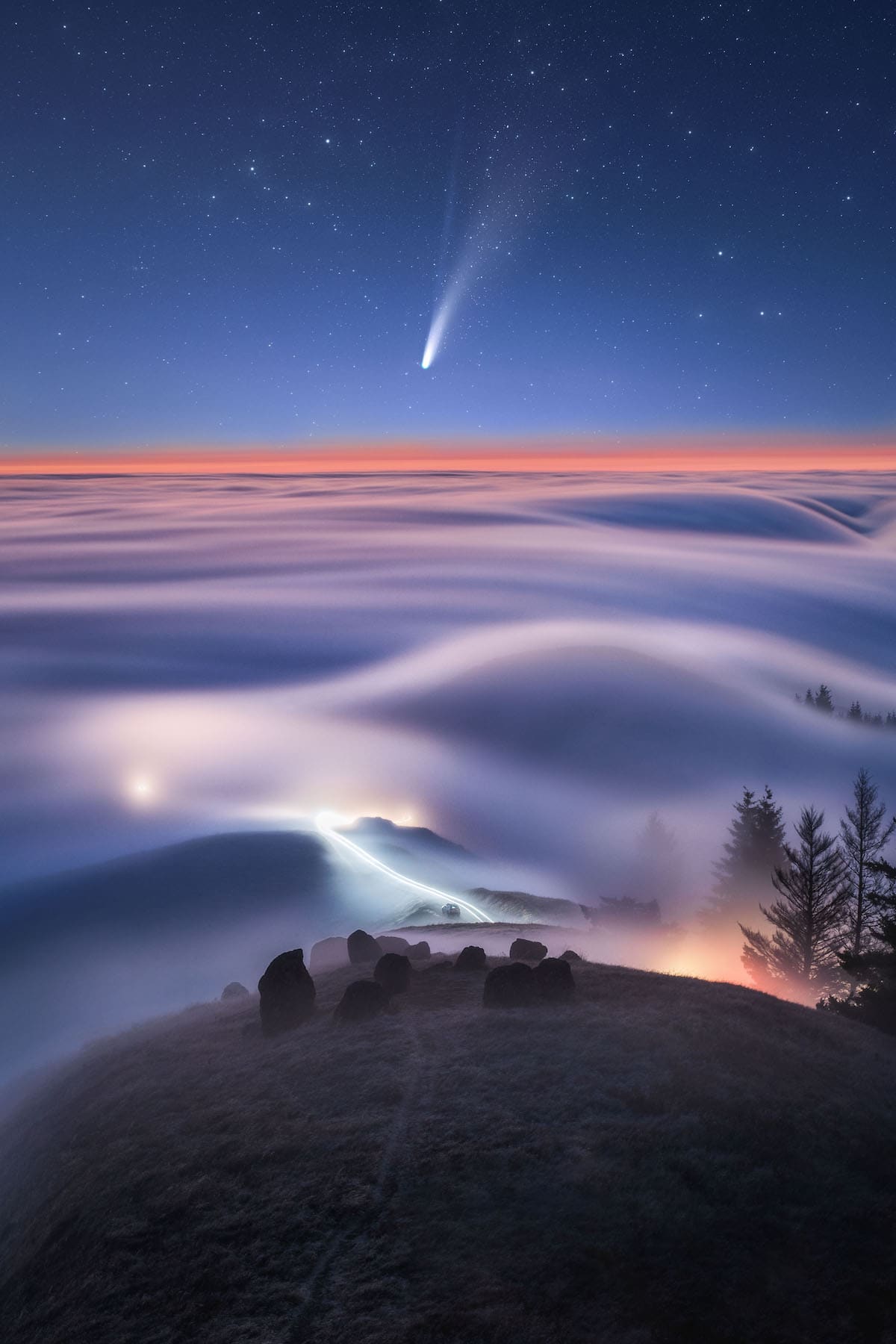
Tanmay Sapkal’s photograph of the comet falling down over Mount Tamalpais just north of San Francisco was singled out as the International Landscape Photograph of the Year. In the image, the fog rolls over the hills and creates the perfect atmosphere to take in the breathtaking shooting star. For Sapkal, landscape photography is a creative outlet that allows him to explore the world in his free time away from work as a hardware design engineer for Apple. His win proves that you don’t need to be a professional to take award-winning photographs.

The other top prize of International Landscape Photographer of the Year went to Aytek Çetin of Turkey. His portfolio of work was judged as superior by an expert panel of judges. Many of his dramatic images highlight the beauty of Cappadocia in central Turkey. “The 60-million-year-old story of fairy chimneys and the fact they have been home to different civilizations for tens of thousands of years makes Cappadocia extremely mysterious for me,” he shared. “If you are lucky, you can visit there during hazy, atmospheric conditions with a soft light pushing through at sunrise or sunset.”

Çetin found his passion for landscape photography after deciding to switch from his usual seaside vacations and explore the mountains. This change allowed him to fall in love with nature and his affection for the natural world clearly comes through in his photographs.

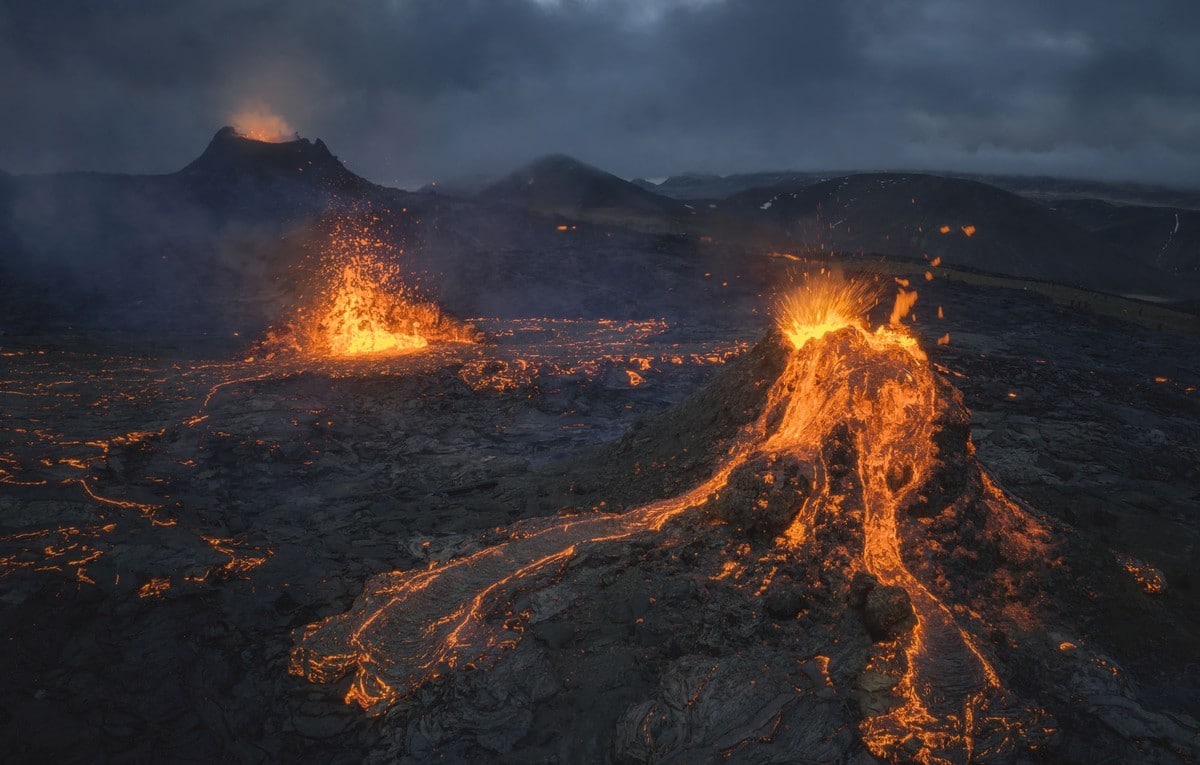
Aside from the top award winners, there are plenty of excellent photographs to view. From explosive volcanos in Iceland to wintery views of the forest, these images highlight the wide variety of landscapes around the globe. “I find it quite compelling that what drives one landscape photographer can be so different to another,” shares Chairman of Judges Peter Eastway. “For some, the capture of nature at its most wonderful is reward enough. In fact, these are the moments photographers live for, and being out in the landscape is often as enjoyable as capturing it with a camera.”

See the incredible winning photos from the 2021 Landscape Photographer of the Year contest.

Comet Neowise Over Marin County

“Comet NeoWise Setting, Marin” by Tanmay Sapkal. Mt. Tamalpais, Marin, CA, USA. Winner, International Photograph of the Year.

Landscape Photos of Cappadocia

“Story of Ages” by Aytek Çetin. Cappadocia, Turkey. Winner, International Landscape Photographer of the Year.

Kazbek Mountain, Georgia

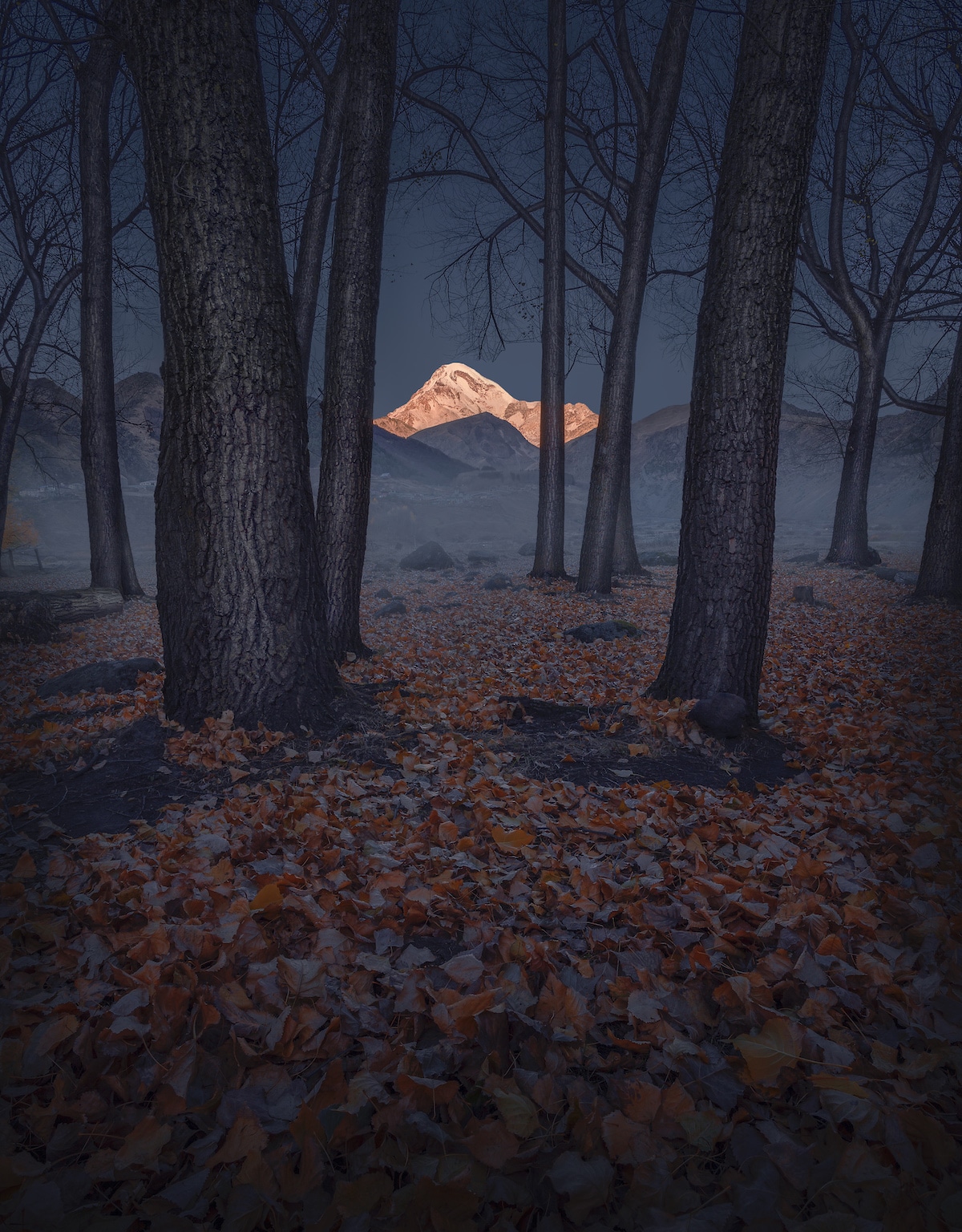
“From Twilight to Light” by Aytek Çetin. Kazbek Mountain, Georgia. Winner, International Landscape Photographer of the Year.

Lake Bonney in South Australia

“Reflector” by Ben Goode. Lake Bonney, South Australia.

Landscape in Menzingen, Switzerland

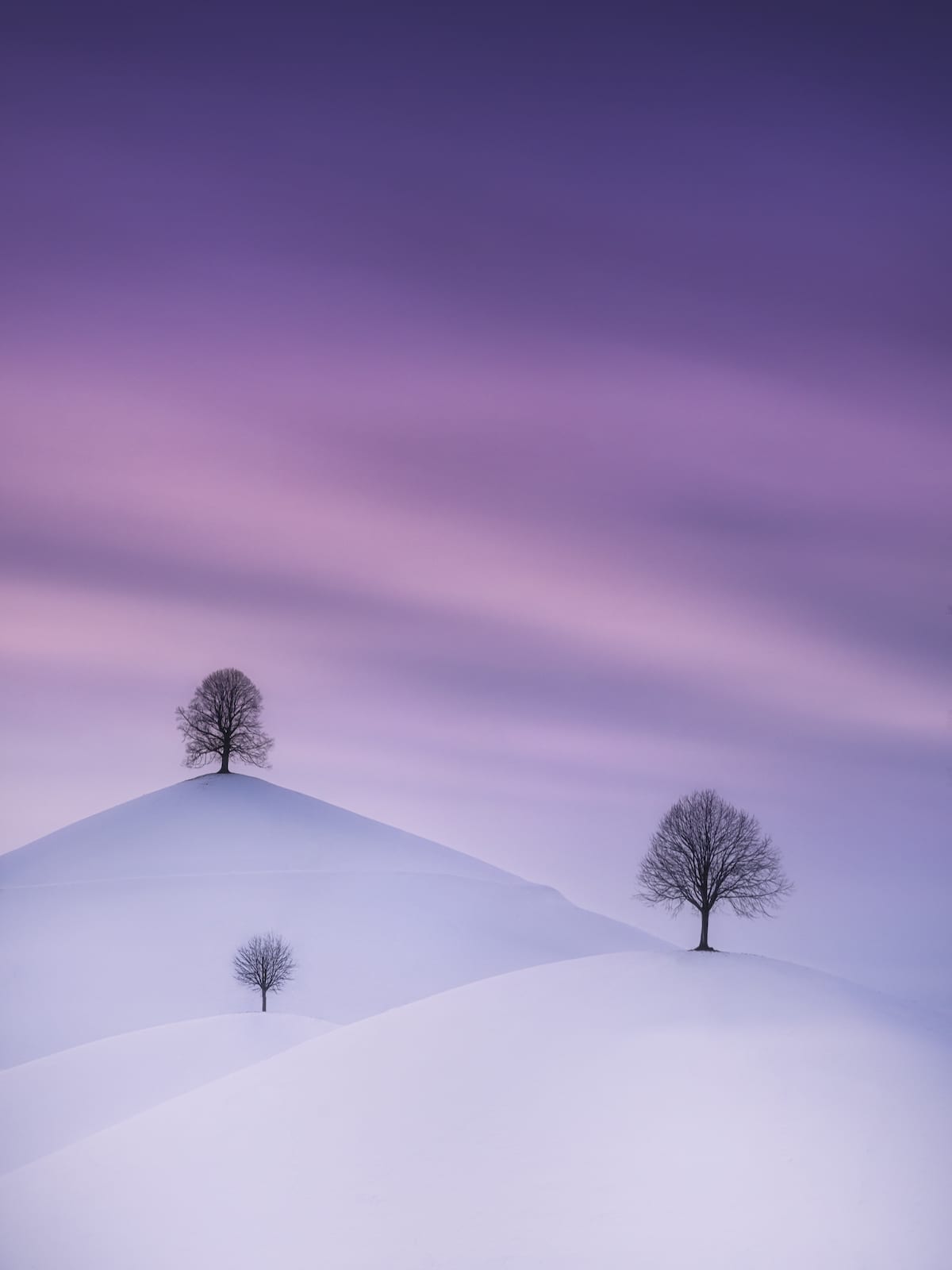
“The Drumlins in Winter” by Cédric Tamani. Menzingen, Switzerland.

Ice on Tree Branch in German Forest

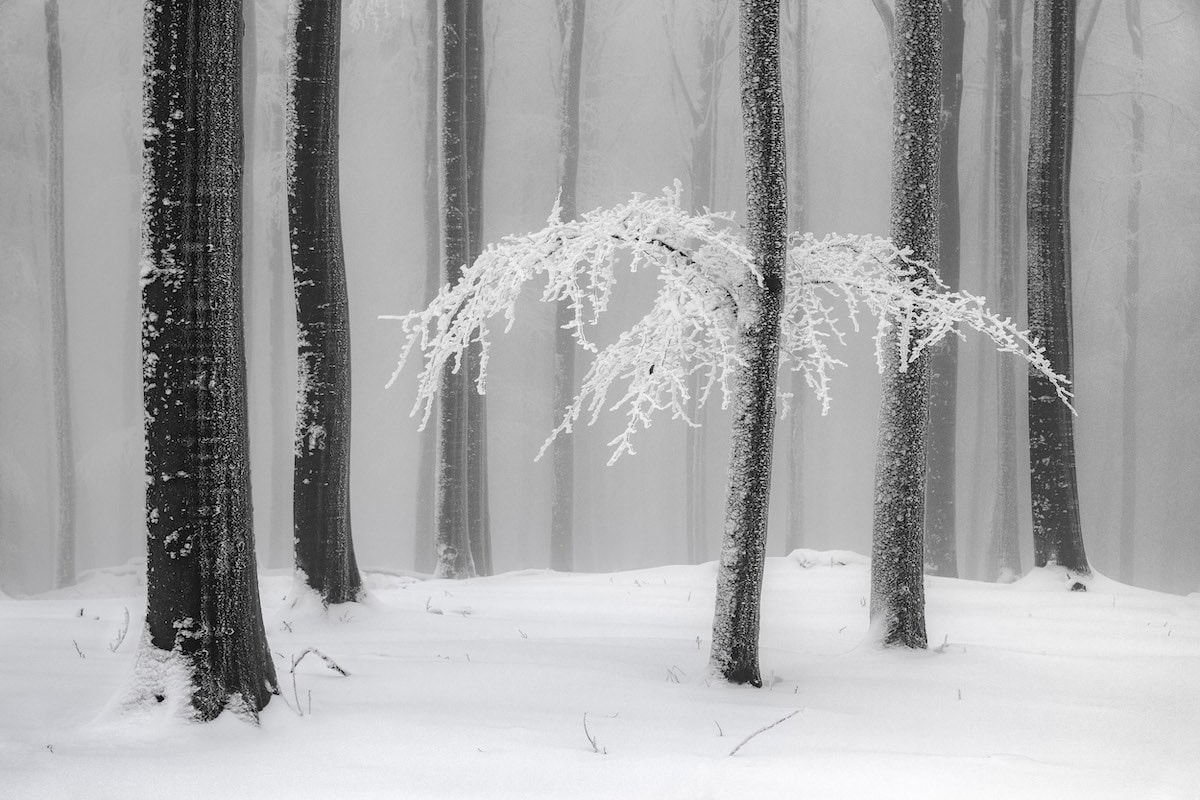
“Winter Forest” by Heiner Machalett. Neunkircher Höhe, Hesse, Germany. The Monochrome Award, 2021.

Torres Del Paine National Park, Chile

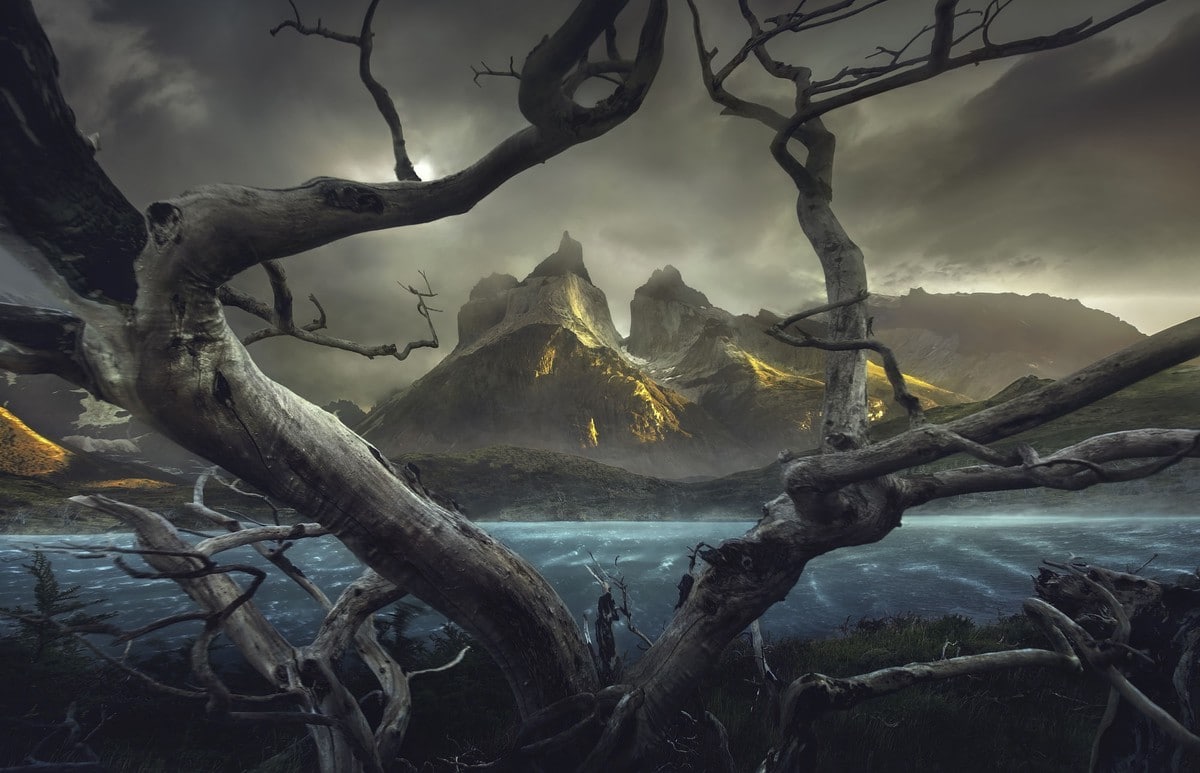
“Tree Frame” by Chandra Bong. Torres Del Paine National Park, Chile.

Aerial View of Sandbar in Derby, Australia

“Derby Sandbar” by Tom Putt. Derby, Western Australia.

Fagradalsfjall Volcano

“Fire in the Hole” by Itai Monnickendam. Fagradalsfjall Volcano, Reykjanes Peninsula, Iceland.

Solitary Man Walking in the Desert

“Alone 2” by Jade Lv. Kumtag Desert, Xinjiang Province, China.

 Lago Laceno in Italy

“The Winter of the Lake” by Mimmo Salierno. Lago Laceno, Italy. The Snow & Ice Award 2021.

Aerial View of an Active Volcano in Iceland

“Depths of Hell” by Chris Byrne. Iceland. The Amazing Aerial Award 2021.

Aerial View of Useless Loop in Western Australia

“Artist’s Palette” by Prithvi Bhattacharya. Useless Loop, Western Australia.

Northern Lapland, Sweden

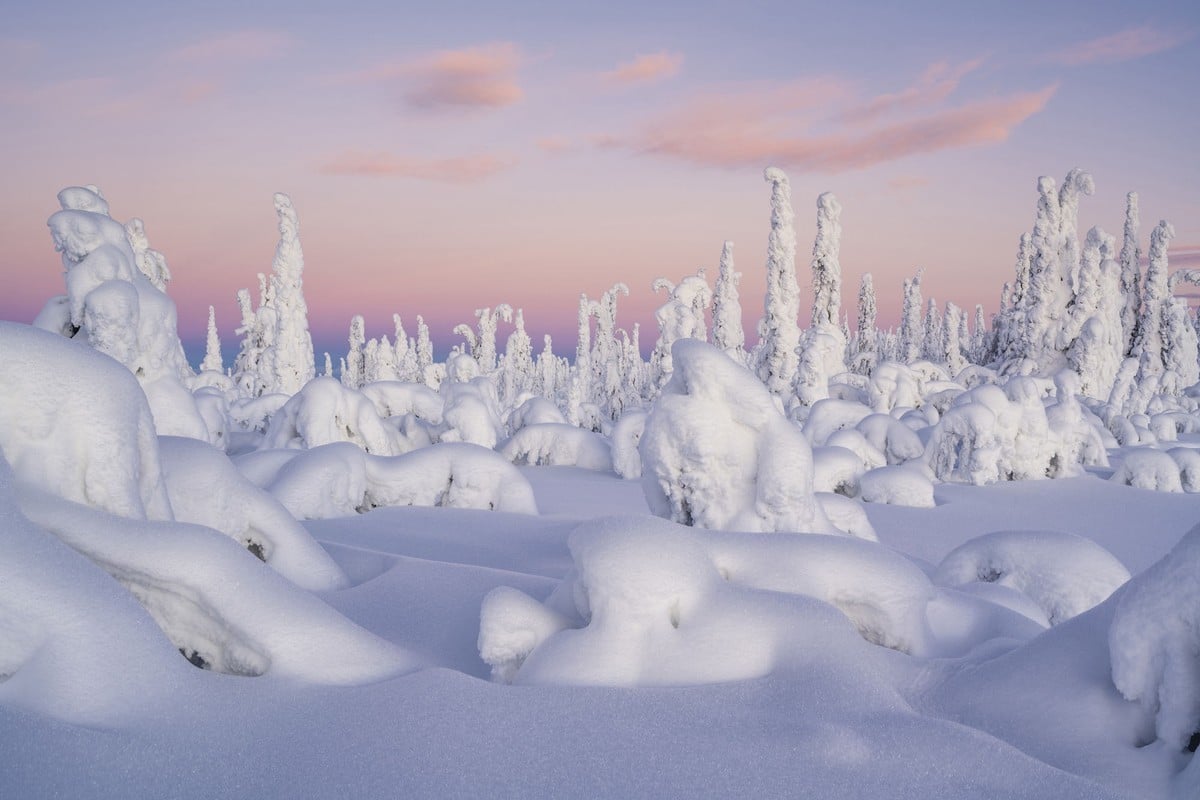
“Midwinter Morning” by Gunar Streu. Northern Lapland, Sweden.

Trees Covered by Ice

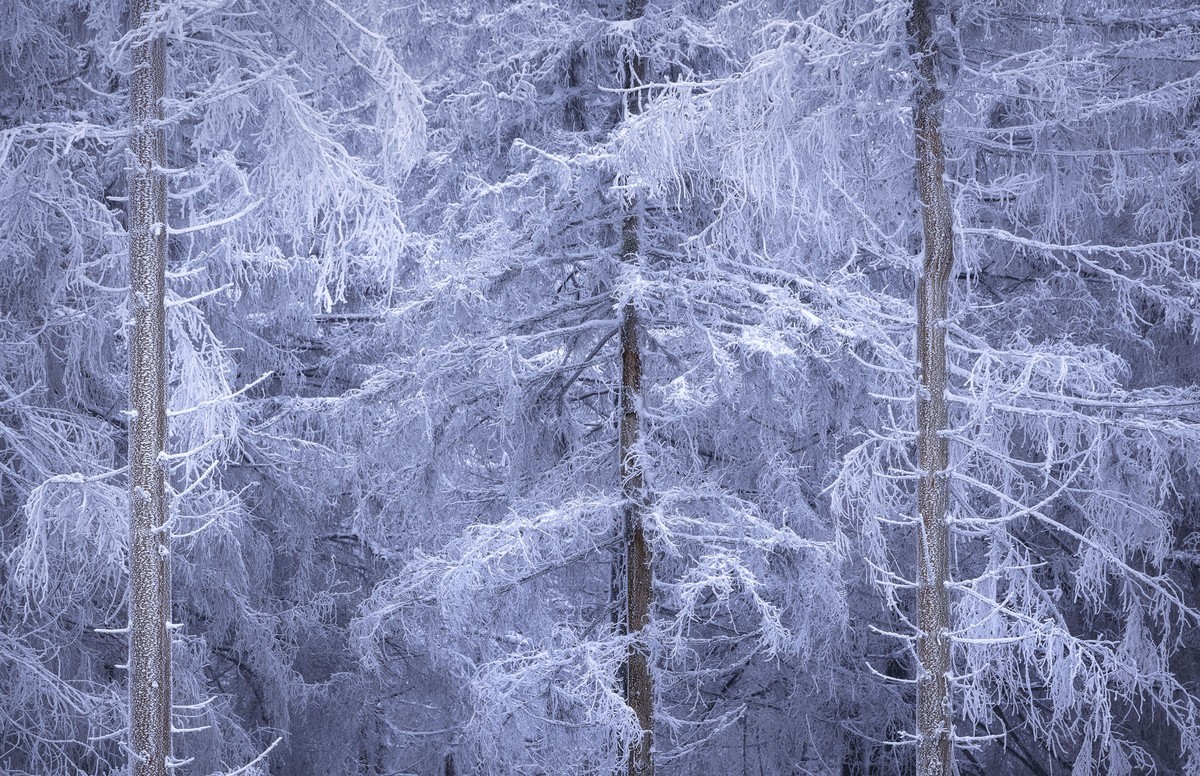
“Winter Gestalt” by Kai Hornung. Harz, Germany.

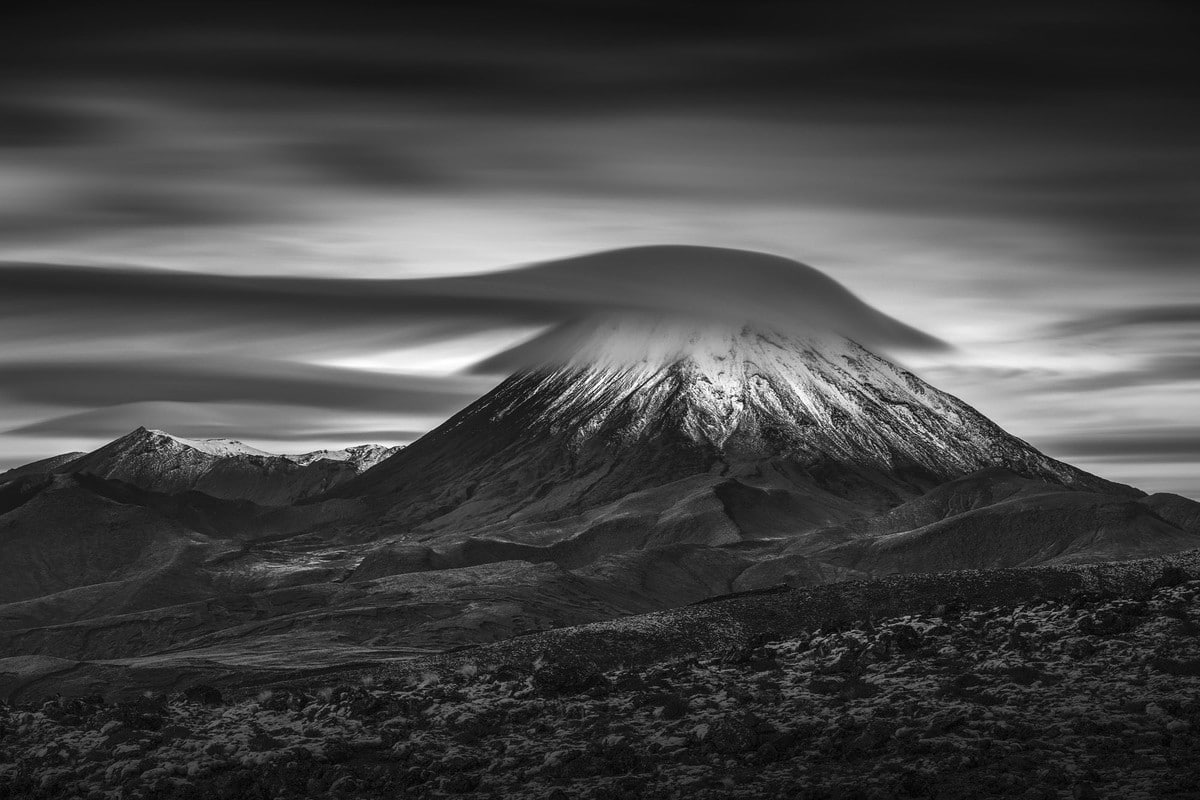
Mountain in Tongariro National Park

“The Cap on the Snowy Mountain” by Jana Luo. Tongariro National Park, New Zealand

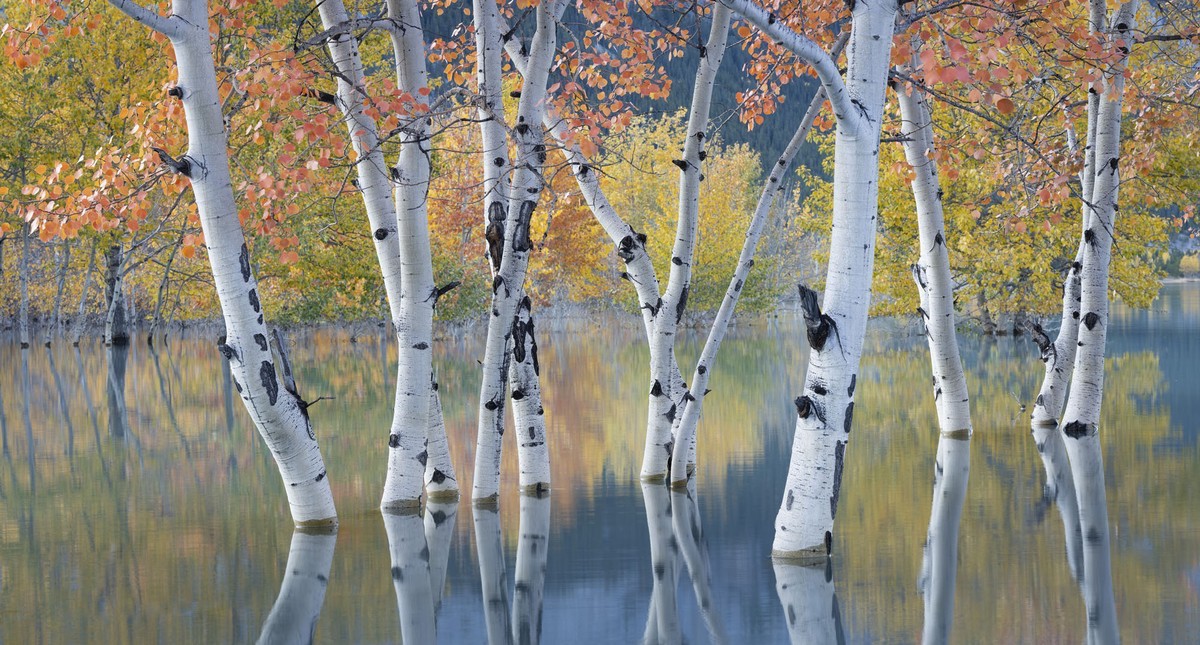
Abraham Lake in Alberta, Canada

“Grand Finale” by Adam Gibbs. Abraham Lake, Alberta, Canada.

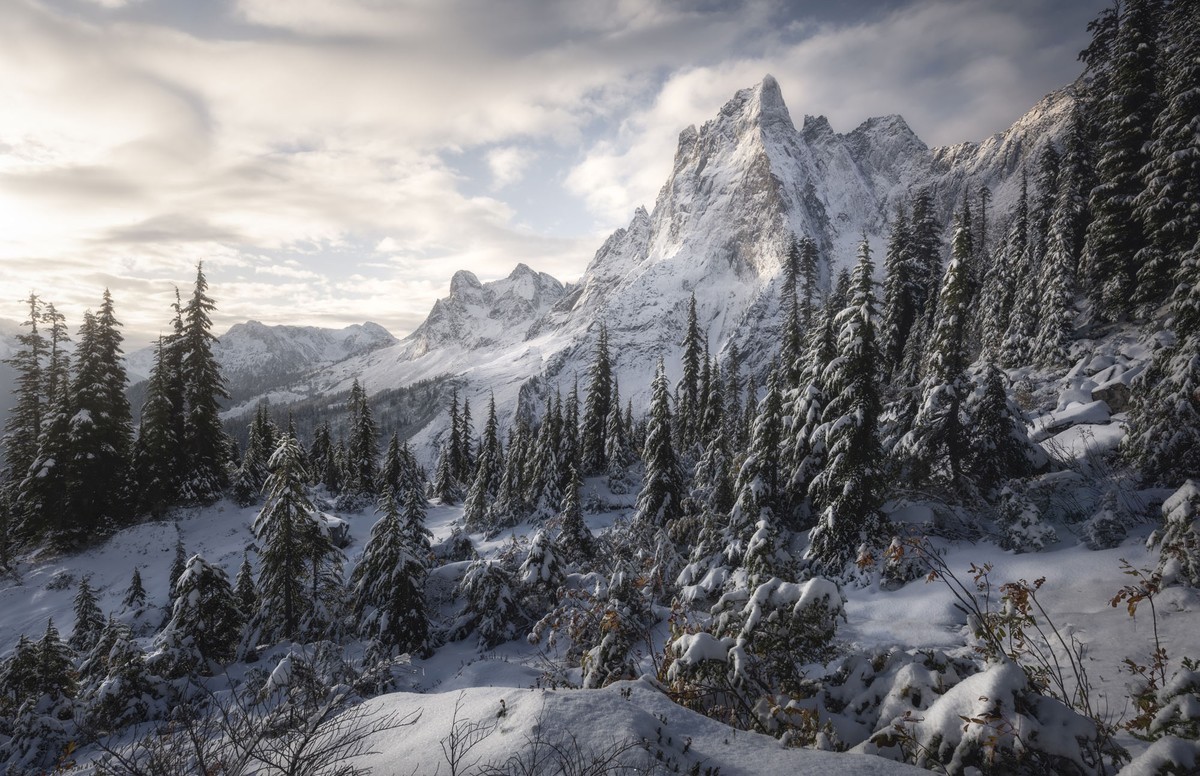
Mount Sleese in British Columbia

“Kingdom of Winter” by Matt Jackisch. Mount Slesse, British Columbia, Canada.

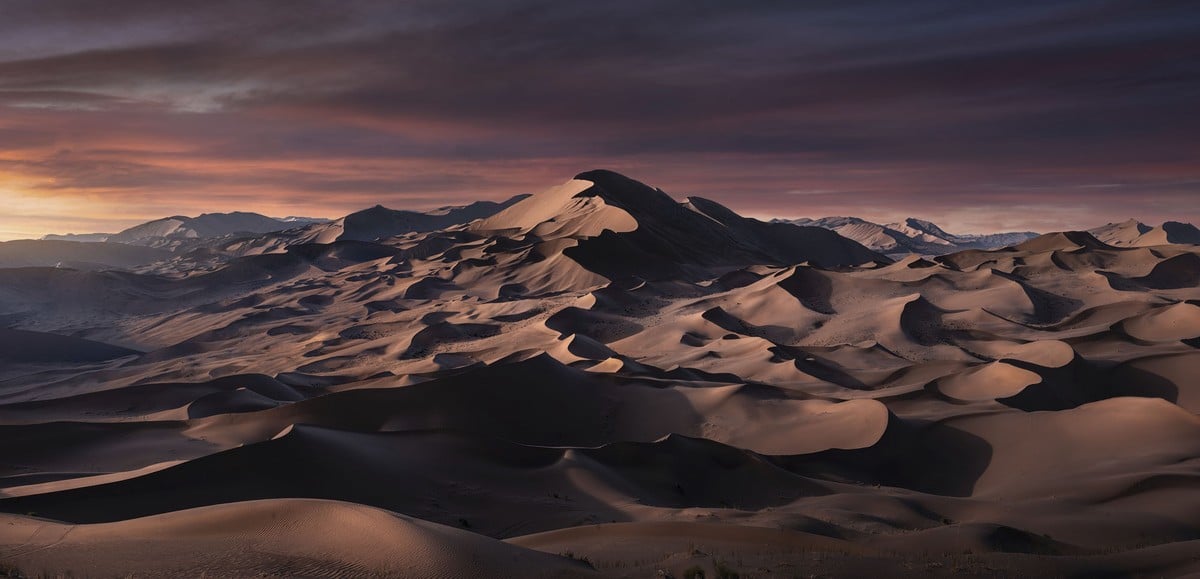
Badain Jaran Desert in Western Inner Mongolia

“Golden Desert” by Jinyi He. Badain Jaran Desert, Western Inner Mongolia, China.

International Landscape Photographer of the Year: Website 

My Modern Met granted permission to feature photos by International Landscape Photographer of the Year.

Related Articles:

Awe-Inspiring Winners of the 2021 Natural Landscape Photography Awards

Amazing Winners of the 2018 International Landscape Photographer of the Year Contest

Breathtaking Winners of the 2019 International Landscape Photographer of the Year Contest

20 Incredible Winning Images From the 2020 International Landscape Photographer of the Year Contest

Trending in landscapes and gardens for the year to come

By Lynette L. Walther

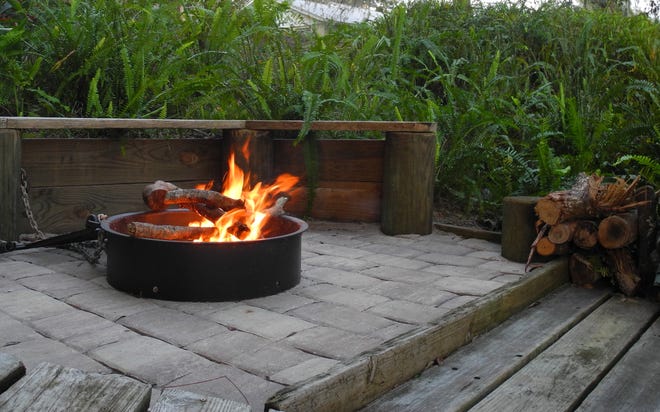
The warm welcome of a fire pit is gaining in popularity as outdoor spaces beckon and offer safe gathering spots.

Maintaining up with backyard garden trends this year is a get for us and the setting as nicely with landscape architects foremost the way. According to a attribute by Damian Holmes in the January difficulty of “World Landscape Architect,” the craze is towards putting the environment front and heart.

That said, it is local climate improve that is primary the charge in how professional landscape designers are approaching their tasks.

“We have recently found extra venture perform is dedicated to mitigating weather transform in the United states of america,” the write-up states. The article goes on to say: “The mitigation initiatives will include a wide spectrum from transforming land administration techniques to small initiatives this sort of as laws governing the color (sic) and reflectivity of surfaces.”

Making use of this idea at property could include a assortment of ways — from averting “blacktop” asphalt driveways that take in warmth to roof-area colors to considering drinking water-conserving products or back garden installations, such as rain gardens, swales or a “green roof” for back garden or other constructions to conserve drinking water and mitigate heat reflection.

One more factor the execs will be looking at is higher emphasis on the price of outside place. 

Professional landscapers are using wildflowers and native plants in naturalistic settings in commercial and municipal landscapes.

For professional spaces this indicates: “People will spot bigger price on out of doors spaces as areas to exercise, relax, fulfill, dine and recreate,” the post states. “Industries (primarily arts and enjoyment) will start out to see smaller sized outside situations are ways to get persons to show up at comfortably, this will area bigger strain on parks and open up areas in cities. Will indoor stadiums and large enjoyment venues keep on to attract the crowds? Or will the expectation be that a lot more occasions will have to have to be held outdoor with lesser crowds?” 

New Art Center welcomes Lunar New Year with crafts and performances

About 150 persons arrived to the function to celebrate the 12 months of the Tiger — a Chinese zodiac symbol — on the sixth day of the 15-working day spring festival.

The New Artwork Centre celebrated the Yr of the Tiger this Lunar New 12 months with a absolutely free neighborhood occasion Feb. 6.Taylor Coester

New Art Director of Schooling Madeleine Delpha, who spearheaded the business of the celebration — funded as a result of a grant from the Massachusetts Cultural Council — mentioned she desired to assure authenticity.

“I am a white lady, so I really do not want these days to be about my interpretation of Lunar New Calendar year,” she said.

With this goal of authenticity and cultural education and learning, Delpha partnered with the nonprofit corporation Cambridge Heart for Chinese Lifestyle inquiring them to help plan the crafts and performances.

The party featured Chinese martial arts demonstrations such as Claire Fillon, 12, who carried out Jiujie Whip, as properly as Zunlong Li and his son-in-regulation Adam Roberts who carried out wushu. New Artwork workers users and volunteers led craft earning possibilities including Chinese red couplets as nicely as tiger bookmarks, mobiles and coloring internet pages.

Xander Bunker, 3, seems up from coloring a tiger at the New Art Center’s Lunar New Year celebration Feb. 6.Taylor Coester

Lanyu Zheng, Mandarin teacher, math coach and assistant principal at the Cambridge Heart for Chinese Lifestyle, stated it is crucial to display the reliable “beauty of Chinese society and New Year,” like employing the fortunate coloration red or educating calligraphy competencies.

“We want to go on ideas to the upcoming generations,” Zheng stated. “We don’t want our tradition to disappear.”

Rosario Hubert, a professor of literatures at Trinity College, arrived to the occasion with her son and partner. She reported she analyzed the Chinese language for quite a few a long time and wished to share her interest in Chinese tradition with her son.

“I am just energized that men and women are energized about Chinese tradition,” she said.

Lanyu Zheng, an worker of the Cambridge Center for Chinese Tradition, demonstrates a volunteer how to generate in Chinese calligraphy. Zheng wore a conventional African gown to the celebration expressing, “I want to respect my tradition and other people.”Taylor Coester

Treasurer at New Art, Maria Bunker, introduced her two sons to the occasion to learn about Chinese culture.

“We want them exposed to as quite a few unique cultures as doable,” she stated.

Previous Newton metropolis councilor and existing US Consultant Jake Auchincloss introduced his son, Teddy, for a related rationale.

“I’ve been attending Lunar New Year activities for the earlier 5 to 6 many years, and I wanted to carry my son to encounter extra culture,” he said.

Rebecca Barnehama, who lives in the vicinity of the center and made use of to choose her daughter Ayla to do ceramics there, reported they were being thrilled to go to the occasion.

“I feel the truth that they have free of charge occasions open to people to share cultures is excellent for the neighborhood,” she claimed. “Happy to appear and assistance them.”

New Artwork gives various lessons for all ages throughout the year, a children’s summertime plan, and other cost-free local community activities. It lately hosted a Working day of the Useless celebration and a Martin Luther King Jr. application celebrating Black artists. The middle is currently gearing up for a Holi celebration and Juneteenth function.

Delpha, New Art director of instruction, said these activities are actually about developing a welcoming and culturally diverse group centered all around art.

Ayla Barnehama, 6, hues tiger-themed crafts at the New Art Center’s Lunar New Yr celebration Feb. 6.Taylor Coester

“I see these group times as a way to do that, as a way to say, ‘Look, we can celebrate your society, we want to celebrate your tradition, we want you to see oneself here and see this as a reflection on your community’ — since artwork is culture and society is artwork, and the two go hand in hand.”

Delpha explained she hopes they have the funding to increase this initiative in the long run.

“I feel this is just one way to go about producing that emotion that, you know, no issue who you are, and what your history is, and what your level of means is, that New Art is a location that you can arrive and feel related to your local community,” she stated.

Taylor Coester can be reached at newtonreport@world.com.

Joan Camprodon (still left) and Rosario Hubert introduced their son to take pleasure in the festivities at the New Art Center’s Lunar New 12 months function Feb. 6. Taylor Coester
US Agent Jake Auchincloss aids his son, Teddy, make tiger-themed arts and crafts during the New Artwork Center’s Lunar New Year cultural neighborhood day occasion.Taylor Coester
Lunar New 12 months decorations for the Calendar year of the Tiger hold from the ceiling of the Most important Gallery at the New Art Center for the duration of the celebration Feb. 6.Taylor Coester

Virginia artist on a 10 year mission to create new art every day

Jeffrey Thelin has a aim to generate a piece of art just about every day for 10 decades straight

HARRISONBURG, Va. — Each working day for just around 6 a long time now, Virginia artist Jeffrey Thelin has fulfilled his picked out chore. Fusing a really like of images and geometry, he channels his passion by way of digital courses to develop a exclusive art piece. 

Virtually, every working day.   

“My target is to make artwork every single working day for ten a long time straight,” claimed Thelin, who goes by the artist name ‘Teyleen.’ 

“There is certainly a terrific perception of speed I operate inside a large amount of my pieces. They conclude up extremely abstract,” he explained to me as we reviewed his art in the course of a recent ZOOM chat.  

The day we spoke, Thelin experienced long gone 2,209 times creating a new and one of a kind piece every working day. Besides for one working day, which he states the universe should really forgive. His automobile broke down on a cross-country push to a position job interview he did not get. A motel he found was full and he finished up sleeping in the parking great deal.  

As a electronic artist, Thelin was under no circumstances far from his studio. It is was normally with him. In his pocket.

“In the first just one thousand days I established my artwork fully on my Apple iphone,” mentioned Thelin. “Throughout that time I bought married, I was a new father, performing and by some means striving to make artwork every single day when retaining up with my reports.”

His early perform generally showcased a geometric structure layered on prime of a photograph he experienced taken beforehand. Frequently it was a picture showcasing a natural component.

“Even if I am holding my son and rocking him to rest I could essentially be generating artwork. Even if I experienced only one particular arm offered I could nevertheless be building art and that felt truly inspiring to me,” he said.  

A lot more than halfway by means of his 10-calendar year mission now, Thelin finds himself bursting with new suggestions each individual day.

“The initial day when I sat down with that blank canvas it was just so substantially concern of how could I make a little something each individual working day for a year. But now after obtaining produced almost two thousand items, in every blank canvas I see so a lot of prospects,” he claimed with a smile. “My thoughts and aspirations close to my artwork are obtaining bigger than what is possible to do in a single working day now.”

Distinctive to this ZOOM job interview, Thelin walked me by means of the system of how he makes his digital artwork applying a system on his iPad termed ‘Procreate’.

“Nowadays I am going to wander you through earning an abstract starfield,” he stated.

After only ten minutes, utilizing a base image of the wall in his residence and a shade palette from his sweater he had cast an image that impressed cosmic marvel, evoking the leap to light-weight speed in ‘Star Wars’ and the majesty of the Milky Way galaxy.  

“This artwork I am generating is to motivate positive pondering or just even for a second to enable people rest,” he mentioned. “It really is like an ocean I get to soar again into every single working day and I try to come across a little something to share.” 

You can discover Teyleen on Instagram Right here.

Listed here are extra inbound links to his get the job done.

Stick to him on Twitter In this article.

Observe Upcoming: Breonna Taylor memorialized in DC artwork exhibit | Mic’d Up

26-yr-outdated Breonna Taylor was shot and killed by police. A new portrait of her now hangs at the National Museum of African American Record and Tradition in D.C.

https://www.youtube.com/observe?v=xkiY6kux5_M

WUSA9 is now on Roku and Amazon Fireplace TVs. Obtain the applications these days for live newscasts and video on need.

Down load the WUSA9 application to get breaking information, climate and crucial tales at your fingertips.

Indication up for the Get Up DC e-newsletter: Your forecast. Your commute. Your information.

Indicator up for the Capitol Breach e-mail newsletter, delivering the hottest breaking news and a roundup of the investigation into the Capitol Riots on January 6, 2021.