

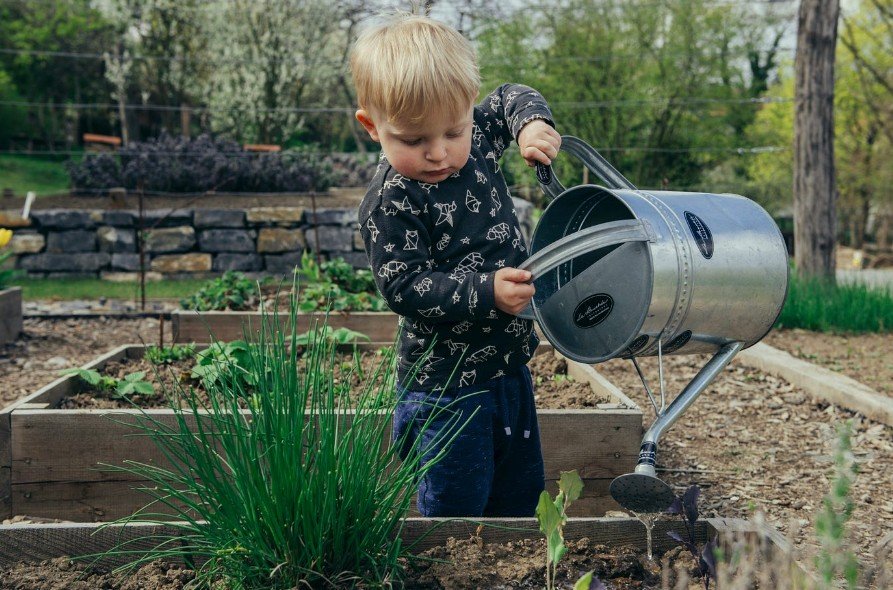
Gardening Tips for Beginners: Lessons I Learned the Hard Way

Gardening Tips for Beginners - Lessons I Learned the Hard Way

I’ll be honest with you: when I first started gardening, I killed more plants than I grew. I thought tossing some seeds in the dirt, watering every once in a while, and praying for the best would be enough. Spoiler alert—it wasn’t. If you’ve ever felt like your garden is more of a graveyard than a green paradise, trust me, I’ve been there too.

Over the years, though, I’ve picked up little tricks, usually after embarrassing mistakes or watching my neighbor’s tomatoes thrive while mine looked like shriveled raisins. I want to share some of those beginner gardening tips here so you don’t have to make the same mistakes I did. Think of this as advice from a slightly older, dirt-under-the-nails friend who wants to save you time, money, and frustration.

Start Small, Seriously

When I first caught the gardening bug, I went wild. I tore up half my backyard, ordered packets of exotic seeds I couldn’t even pronounce, and planted everything from kale to cantaloupe. Big mistake. I didn’t have the bandwidth to take care of it all, and by midsummer it looked like a jungle scene from a bad movie.

If you’re just starting out, begin with a small raised bed or even a few containers on your porch. Pick 3–5 plants you actually eat often—like lettuce, cherry tomatoes, basil, or peppers. That way, you can focus on learning the basics without being overwhelmed. Small success will build your confidence way faster than trying to run a botanical empire right out of the gate.

Soil Matters More Than You Think

I used to think dirt was just dirt. Oh boy, was I wrong. I planted my first batch of carrots in heavy clay soil, and instead of long crunchy roots, I got stubby little orange nubs that looked like deformed fingers. Not exactly Instagram-worthy.

Healthy soil is everything in gardening. Spend some time improving yours before you even plant. Add compost, organic matter, or aged manure to boost nutrients and improve texture. If your soil is too compacted or sandy, your plants will struggle no matter how much you water or fertilize.

And here’s the kicker—test your soil pH. I skipped this step for years, not realizing my soil was way too acidic. Once I adjusted it with a bit of lime, my vegetables actually started to thrive.

Don’t Overwater (Or Underwater)

This was my Achilles heel for a long time. I’d hover over my garden like a helicopter parent, watering twice a day because I thought more water meant more growth. Wrong again. My poor plants ended up with yellow leaves and root rot.

Here’s a good rule of thumb: stick your finger about an inch into the soil. If it’s dry, water. If it’s still moist, leave it alone. Most plants prefer deep, infrequent watering rather than shallow sips every day. That way, the roots grow down instead of staying near the surface.

Also, water early in the morning. It gives plants a chance to soak it up before the midday sun evaporates it all, and it helps prevent fungal issues. Evening watering is okay too, but it can leave the leaves damp overnight, which is basically a party invite for mildew.

Sunlight Is Non-Negotiable

This one sounds obvious, but I ignored it when I first started. I tucked my tomato plants under a shady tree because it “looked pretty.” Well, tomatoes don’t care about aesthetics—they want 6–8 hours of full sun a day. Without it, mine stayed spindly and refused to fruit.

Pay attention to where the sunlight hits your yard or balcony throughout the day. Don’t just guess—literally watch for a day or two. You’ll notice spots that get full sun, partial shade, or almost none at all. Plant accordingly. Leafy greens like spinach or lettuce can handle partial shade, but peppers, squash, and tomatoes demand sunshine.

Learn to Love Mulch

One summer, I got lazy and skipped mulching. Big mistake. Within weeks, weeds had taken over my garden like it was their personal playground. Not only did they choke out my veggies, but I also spent hours pulling them up by hand.

Now I swear by mulch—straw, shredded leaves, or wood chips. Mulch helps lock in soil moisture, keeps weeds down, and regulates temperature. It also slowly breaks down and improves the soil over time. Just don’t pile it right up against plant stems, or you risk rot.

Patience Is Part of the Game

Here’s the truth: gardening teaches patience whether you like it or not. I remember planting radish seeds and checking them three times a day, like they were going to magically sprout before my eyes. When nothing happened, I panicked, thinking I’d done something wrong. A week later—bam! Tiny green sprouts.

Plants work on their own schedule. Some seeds sprout in days, others take weeks. Fruit trees? Forget it, they’ll test your patience for years. Don’t let the waiting discourage you. Instead, enjoy the process—the watering, the small changes, the first signs of growth. That’s the real magic of gardening.

Mistakes Happen (And That’s Okay)

One season, I tried to grow zucchini. Everyone told me it was “easy.” Ha. Mine never produced more than a few tiny fruits that rotted before I could pick them. I almost gave up on gardening altogether.

But here’s what I realized: failure is part of gardening. Even experienced gardeners lose crops to pests, diseases, or just bad weather. The key is to learn from it. I adjusted my soil, improved pollination with a small paintbrush (yep, hand-pollinating zucchini like a weirdo), and the next year I had more squash than I knew what to do with.

So don’t beat yourself up if your first season isn’t perfect. Gardening is more about experimenting and learning than achieving flawless results.

Pay Attention to Pests (Before They Take Over)

I once ignored a couple of holes in my kale leaves. “No big deal,” I thought. Within a week, my entire bed was crawling with cabbage worms, and my kale looked like Swiss cheese. Lesson learned: small problems turn into big ones fast.

Check your plants regularly for signs of pests—chewed leaves, sticky residue, or tiny bugs on the undersides of leaves. Catching them early is way easier than fighting a full-blown infestation.

If you want to keep things organic, try neem oil, insecticidal soap, or companion planting (like basil near tomatoes to deter pests). Don’t immediately reach for harsh chemicals; they can harm beneficial insects like bees and ladybugs that actually help your garden.

Tools That Make Life Easier

I used to borrow my neighbor’s tools until I finally invested in my own. Honestly, the right tools make gardening way less of a hassle. At minimum, get yourself:

  • A sturdy hand trowel
  • Pruners for trimming
  • A good watering can or hose with a spray nozzle
  • Gardening gloves (trust me, blisters are no fun)
  • A kneeling pad or cushion (your knees will thank you)

You don’t need to buy every fancy gadget out there. But quality basics will last for years and save you frustration.

Celebrate the Wins (Even Small Ones)

The first time I picked a handful of cherry tomatoes from my own garden, I swear they tasted better than any store-bought tomato I’d ever eaten. Was it because I grew them myself? Probably. But honestly, nothing compares to eating something fresh from your own soil.

Don’t wait until you have a huge harvest to celebrate. Even a single homegrown pepper or a handful of herbs is a victory. Those little wins keep you motivated to keep going, season after season.

Final Thoughts

Gardening is one of those things that looks simple from the outside but can be humbling when you’re in the dirt, sweating under the sun, and wondering why your cucumbers look sad. But if there’s one thing I’ve learned, it’s that persistence pays off. Every mistake becomes a lesson, and every success—no matter how small—feels like a triumph.

So if you’re just starting your gardening journey, don’t aim for perfection. Aim for progress. Start small, learn your soil, pay attention to water and sunlight, and don’t be afraid to mess up. Before you know it, you’ll be hooked, and your little patch of green will feel like the most rewarding classroom you’ve ever had.

Gardening Tips for Beginners – FAQ

  1. What are the easiest vegetables for beginners to grow?

If you’re just starting out, go with the classics: lettuce, radishes, green beans, cherry tomatoes, and zucchini. These plants don’t need a ton of maintenance and usually forgive beginner mistakes like uneven watering or less-than-perfect soil. Herbs like basil, mint, and chives are also beginner-friendly and grow fast, so you’ll get that instant gratification.

  1. How often should beginners water their garden?

It depends on your climate and soil type, but a general rule is about 1 inch of water per week. For most beginners, that means a deep watering every 2–3 days rather than a light sprinkle daily. Stick your finger in the soil—if it’s dry an inch down, it’s time to water. Remember: overwatering can cause root rot just as quickly as underwatering can dry out your plants.

  1. Do I need fertilizer if I’m a beginner gardener?

Yes, but keep it simple. A basic all-purpose organic fertilizer works for most vegetables and flowers. You can also mix in compost or aged manure for slow, steady nutrients. Don’t go overboard—too much fertilizer can burn plants. If you’re growing leafy greens, they love nitrogen, while fruiting plants like tomatoes and peppers thrive with a balanced mix.

  1. How much sunlight do beginner gardens need?

Most vegetables need at least 6–8 hours of direct sunlight per day. Leafy greens (like spinach, kale, and lettuce) can handle partial shade, but fruiting plants—such as tomatoes, cucumbers, and peppers—really need that full sun. Before planting, observe your space to see where the light actually hits throughout the day.

  1. Can I start gardening if I don’t have a backyard?

Absolutely! Container gardening is a game-changer for beginners. You can grow tomatoes in a 5-gallon bucket, herbs on a sunny windowsill, or strawberries in a hanging basket. Just make sure your pots have good drainage holes and use a high-quality potting mix instead of garden soil.

  1. What’s the best soil for beginner gardeners?

The ideal soil is loamy, meaning it has a mix of sand, silt, and clay. But don’t stress too much—just start by mixing compost into your existing soil or buy a bag of vegetable garden mix from your local nursery. Avoid heavy clay (too dense) and sandy soil (drains too fast) unless you’re ready to amend them.

  1. How do I keep pests away naturally?

The key is early detection. Check under leaves for insects, and remove pests by hand if possible. You can also try companion planting—like basil near tomatoes or marigolds near beans—to deter bugs. If things get worse, neem oil, insecticidal soap, or diatomaceous earth are safe, natural pest control options that won’t harm beneficial insects like bees or ladybugs.

  1. When is the best time to plant a beginner garden?

It depends on where you live, but most vegetables do best when planted in spring after the last frost. If you’re in a warm climate, you might be able to plant year-round. Check a frost date calendar for your area—it’ll save you from the heartbreak of losing young plants to a surprise cold snap.

  1. Should beginners start with seeds or seedlings?

Honestly, seedlings are easier for beginners. Buying a small tray of tomato or pepper seedlings from a nursery gives you a head start. Seeds are cheaper, though, and some plants like beans, radishes, and zucchini grow best when directly sown in the ground. My rule of thumb: start easy plants from seed, but buy seedlings for trickier crops until you gain confidence.

  1. How do I stop weeds from taking over my garden?

The easiest trick? Mulch, mulch, mulch. A 2–3 inch layer of straw, shredded leaves, or wood chips keeps weeds from sprouting, locks in moisture, and makes your garden look neat. If weeds do pop up, pull them early before they spread. Never let them go to seed—you’ll regret it the next season.

Unlocking the Beauty of Garden Roses: A Comprehensive Guide

Garden roses, the epitome of elegance and charm, have captivated gardeners and flower enthusiasts for centuries. From their enchanting fragrance to their exquisite blooms, garden roses add a touch of luxury to any landscape. In this comprehensive guide, we delve into the world of garden roses, exploring everything from their origins to their care and cultivation.

Exploring the Origins of Garden Roses

To truly appreciate garden roses, it’s essential to understand their rich history. These timeless beauties trace their roots back to ancient civilizations, where they were cherished for their beauty and fragrance. Over the centuries, gardeners have cultivated roses, resulting in the diverse array of varieties we see today.

The Allure of Garden Roses: Beauty in Bloom

One of the most enchanting aspects of garden roses is their stunning blooms. With petals ranging from soft pastels to vibrant hues, these flowers never fail to mesmerize. Whether adorning a bouquet or gracing a garden bed, garden roses exude elegance and sophistication.

Caring for Your Garden Roses: Tips for Success

While garden roses are undeniably beautiful, they do require proper care to thrive. Here are some essential tips for ensuring your garden roses reach their full potential:

  1. Sunlight: Ensure your roses receive ample sunlight, preferably at least six hours of direct sunlight daily.
  2. Watering: Keep the soil consistently moist but not waterlogged. Water at the base of the plant to prevent fungal diseases.
  3. Pruning: Regular pruning encourages healthy growth and enhances blooming. Remove dead or diseased branches to maintain vitality.
  4. Fertilization: Feed your garden roses with a balanced fertilizer during the growing season to promote lush foliage and abundant blooms.
  5. Pest Control: Monitor your roses for pests such as aphids or thrips. Treat infestations promptly to prevent damage to the plants.

By following these simple guidelines, you can enjoy a bounty of beautiful blooms from your garden roses throughout the growing season.

The Versatility of Garden Roses: From Gardens to Bouquets

Garden roses are not only prized for their beauty in the garden but also for their versatility in floral arrangements. Whether adorning a wedding bouquet or gracing a centerpiece, garden roses add a touch of romance and sophistication to any occasion. With their lush petals and captivating fragrance, these flowers are a favorite among florists and brides alike.

Conclusion: Embracing the Splendor of Garden Roses

In conclusion, garden roses are a timeless symbol of beauty and romance. From their origins steeped in history to their vibrant blooms that enchant the senses, these flowers continue to captivate hearts around the world. By following proper care techniques and embracing their versatility, you can unlock the full potential of garden roses in your own landscape or floral creations. So, why wait? Embrace the splendor of garden roses and elevate your surroundings with their timeless allure.

Hydroponic Planter: Revolutionizing Home Gardening

In today’s fast-paced world, where space is limited and environmental concerns are on the rise, hydroponic planters offer a revolutionary solution to traditional gardening. This article will delve into the intricacies of hydroponic planters, exploring their types, benefits, challenges, and the future prospects they hold.

Introduction

Hydroponic gardening is a method of growing plants without soil, using nutrient-rich water solutions. This technique has gained popularity in recent years due to its efficiency and sustainability. By eliminating the need for soil, hydroponic planters can be used in various settings, from urban apartments to commercial farms.

What is Hydroponic Gardening?

Hydroponic gardening involves growing plants in a nutrient-rich water solution, without soil. Instead of relying on soil for nutrients, plants receive essential minerals directly from the water, leading to faster growth rates and higher yields.

Relevance and Importance

In an era where urbanization is on the rise and arable land is becoming scarce, hydroponic gardening offers a viable solution to food production challenges. By maximizing space and resources, hydroponic planters allow individuals and businesses to grow fresh produce in any environment.

Types and Categories

Hydroponic planters come in various types and designs, each catering to specific needs and preferences.

Nutrient Film Technique (NFT)

NFT systems involve circulating a thin film of nutrient solution over the plant roots, allowing for efficient nutrient absorption.

Deep Water Culture (DWC)

DWC systems suspend plant roots in a nutrient solution, providing ample oxygen and nutrients for healthy growth.

Ebb and Flow Systems

Ebb and flow systems use a flood and drain method to periodically inundate plant roots with nutrient solution, promoting optimal growth.

Aeroponics

Aeroponic systems mist plant roots with a nutrient solution, allowing for maximum oxygenation and nutrient absorption.

Symptoms and Signs

Identifying common symptoms and signs of hydroponic gardening issues is crucial for maintaining healthy plants.

Nutrient Deficiencies

Yellowing leaves, stunted growth, and leaf discoloration may indicate nutrient deficiencies, which can be rectified by adjusting nutrient solutions.

pH Imbalance

Fluctuations in pH levels can lead to nutrient lockout and plant stress. Monitoring pH levels regularly can help prevent issues and maintain optimal plant health.

Root Rot

Excessive moisture and poor oxygenation can result in root rot, characterized by slimy, discolored roots. Proper drainage and aeration are essential for preventing root rot in hydroponic systems.

Causes and Risk Factors

Understanding the factors that contribute to hydroponic gardening issues is essential for successful cultivation.

Poor Water Quality

Unfiltered water sources may contain contaminants and pathogens that can harm plant health. Using purified water or installing filtration systems can mitigate risks associated with poor water quality.

Temperature Fluctuations

Extreme temperature fluctuations can stress plants and disrupt nutrient uptake. Maintaining stable temperatures within hydroponic systems is crucial for optimal plant growth.

Inadequate Lighting

Insufficient or improper lighting can hinder photosynthesis and impede plant growth. Investing in high-quality grow lights tailored to specific plant requirements can improve yields in hydroponic systems.

Diagnosis and Tests

Diagnosing issues in hydroponic systems often requires careful observation and testing.

Nutrient Solution Analysis

Regularly testing nutrient solutions for pH levels and nutrient concentrations can help identify imbalances and prevent nutrient deficiencies.

Root Inspection

Examining plant roots for signs of rot or discoloration can indicate issues with water quality or oxygenation within hydroponic systems.

Leaf Analysis

Analyzing leaf color, size, and texture can provide valuable insights into plant health and nutrient uptake efficiency.

Treatment Options

Addressing hydroponic gardening issues promptly is essential for preventing crop loss and ensuring optimal plant health.

Nutrient Solution Adjustments

Balancing nutrient solutions and adjusting pH levels can correct nutrient deficiencies and promote healthy plant growth.

Root Zone Optimization

Improving drainage and oxygenation in the root zone can mitigate issues such as root rot and nutrient lockout.

Pest Control Measures

Implementing integrated pest management strategies can help prevent pest infestations and minimize crop damage in hydroponic systems.

Preventive Measures

Proactive measures can help minimize the risk of hydroponic gardening issues and ensure consistent yields.

Regular Maintenance

Performing routine maintenance tasks, such as cleaning reservoirs and inspecting equipment, can prevent nutrient buildup and system failures.

Monitoring Environmental Conditions

Monitoring temperature, humidity, and lighting levels is crucial for maintaining optimal growing conditions and preventing stress-related issues.

Crop Rotation

Rotating crops regularly can help prevent nutrient depletion and soilborne diseases, ensuring long-term sustainability in hydroponic systems.

Personal Stories or Case Studies

Real-life experiences offer valuable insights into the practical application of hydroponic gardening techniques.

Sarah’s Success Story

Sarah, a busy urbanite, transformed her small balcony into a thriving hydroponic garden, producing fresh herbs and vegetables year-round.

John’s Commercial Venture

John, a seasoned farmer, adopted hydroponic farming techniques to diversify his crop production and increase profitability on his farm.

Expert Insights

Experts in the field of hydroponic gardening share their perspectives on the future of the industry.

Dr. Emily Carter

“Hydroponic gardening represents a sustainable solution to food production challenges, with the potential to revolutionize agriculture in urban environments.”

Professor Michael Wong

“As technology continues to advance, we can expect to see more efficient and affordable hydroponic systems tailored to diverse growing needs.”

Conclusion

In conclusion, hydroponic planters offer a sustainable and efficient alternative to traditional gardening methods, allowing individuals and businesses to cultivate fresh produce in any environment. By understanding the principles of hydroponic gardening and implementing best practices, growers can maximize yields and contribute to a more sustainable food system.

Why Add a Water Feature to Your Landscape?

Adding a water feature to your landscape can transform your outdoor space into a serene oasis. Water features come in various forms, including ponds, fountains, and waterfalls, each offering unique benefits that enhance the overall aesthetic and ambiance of your property.

One of the primary reasons to incorporate a water feature to your landscape is the calming effect it provides. The soothing sound of flowing water can create a peaceful atmosphere, making your garden a perfect retreat for relaxation and meditation. Whether you’re enjoying a quiet evening at home or hosting a gathering with friends, the gentle trickle of water adds an element of tranquility.

In addition to their aesthetic appeal, water features attract a variety of wildlife. Birds, butterflies, and beneficial insects are drawn to the presence of water, enriching your garden’s ecosystem. This natural attraction not only adds life to your landscape but also provides opportunities for enjoyable bird watching and wildlife observation.

Moreover, a well-designed water feature can significantly increase your property’s value. Potential buyers often appreciate outdoor spaces with unique features, and a beautiful fountain or pond can be a standout element that sets your home apart in the real estate market.

Finally, water features can serve as focal points in your landscape design. Whether you choose a dramatic waterfall or a simple birdbath, these elements can enhance the overall composition of your garden, creating visual interest and guiding the eye through the space.

In conclusion, adding a water feature to your landscape not only enhances its beauty but also promotes relaxation, attracts wildlife, increases property value, and adds unique character to your outdoor space. Consider this investment for your home, and watch your garden flourish!

This post was written by a professional at The Landscape Company. The Landscape Company has been providing quality landscape services in Colorado since 1979. We have won numerous awards in the residential and commercial markets. Our personalized service has been our trademark and selling point. We take the time to listen to our valued clients and work with them to meet their unique landscape needs. We can develop a plan to meet not only your landscaping needs, but your budget as well. We Specialize in: Irrigation systems, Landscape Maintenance, Drainage, outdoor kitchens Erie co, Full Landscape Install and Design.

How to Create a Beautiful Garden: A Step-by-Step Guide

Introduction

Creating a beautiful garden isn’t just about having a pretty outdoor space; it’s about nurturing a sanctuary that brings joy, relaxation, and a touch of nature to your everyday life. Gardens offer numerous benefits, from reducing stress to providing fresh produce and improving the environment. Whether you’re a seasoned gardener or a complete novice, this guide will walk you through the essential steps to creating a garden that you can be proud of.

Planning Your Garden

Assessing Your Space

The first step in creating a beautiful garden is to assess your available space. Measure the area you have, observe the amount of sunlight it receives, and take note of any existing structures or features. Understanding your space helps in planning an efficient and aesthetically pleasing layout.

Deciding on a Garden Style

Once you know your space, think about the style of garden you want. Are you drawn to the formal elegance of a French garden, the relaxed vibe of a cottage garden, or the eco-friendly appeal of a native garden? Your personal taste and the surrounding environment should guide your choice.

Choosing a Color Scheme

A harmonious color scheme can make your garden look cohesive and well-designed. Consider the colors of flowers, foliage, and hardscape elements like pots and paths. Complementary colors can create a vibrant look, while analogous colors provide a more soothing palette.

Selecting Plants

Annuals vs. Perennials

Annuals bloom for one season and need to be replanted each year, offering bursts of color. Perennials, on the other hand, return year after year, providing structure and longevity to your garden. A mix of both can give you a dynamic and resilient garden.

Native Plants

Choosing native plants is a great way to ensure that your garden thrives with minimal maintenance. Native plants are adapted to your local climate and soil, making them more resistant to pests and diseases.

Planting for Different Seasons

To keep your garden beautiful year-round, select plants that bloom in different seasons. This way, you’ll always have something in bloom, adding color and interest no matter the time of year.

Soil Preparation

Testing Your Soil

Healthy soil is the foundation of a beautiful garden. Start by testing your soil to understand its pH and nutrient levels. This information will help you amend your soil correctly.

Improving Soil Quality

Improve your soil by adding organic matter like compost, manure, or leaf mold. These amendments enhance soil structure, fertility, and moisture retention.

Composting Basics

Composting is a sustainable way to recycle garden waste and kitchen scraps into rich, fertile soil. Start a compost pile or bin and regularly turn it to speed up decomposition.

Designing Garden Beds

Layout and Structure

Plan the layout of your garden beds to maximize space and visual appeal. Consider the height and spread of plants to avoid overcrowding and ensure each plant gets the light it needs.

Raised Beds vs. In-Ground Beds

Raised beds offer better drainage and can be easier to manage, especially for those with poor soil. In-ground beds, however, blend more seamlessly into the landscape and can be more cost-effective.

Companion Planting

Companion planting involves growing certain plants together to enhance growth, repel pests, and improve yields. For example, planting basil near tomatoes can improve their flavor and deter aphids.

Watering Techniques

Importance of Proper Watering

Proper watering is crucial for plant health. Overwatering can lead to root rot, while underwatering stresses plants. Learn the specific needs of your plants and adjust your watering routine accordingly.

Drip Irrigation Systems

Drip irrigation delivers water directly to the roots, reducing waste and minimizing the risk of disease. It’s an efficient way to ensure your plants get the moisture they need without overwatering.

Water Conservation Tips

Conserve water by mulching, using drought-tolerant plants, and collecting rainwater. These practices not only save water but also create a more sustainable garden.

Mulching and Weeding

Benefits of Mulching

Mulching helps retain soil moisture, suppress weeds, and improve soil health. Organic mulches like straw, bark, and compost decompose over time, adding nutrients to the soil.

Types of Mulch

Choose the right mulch for your garden. Organic mulches improve soil quality, while inorganic mulches like gravel and plastic sheeting provide long-lasting weed control.

Effective Weeding Strategies

Regular weeding prevents weeds from competing with your plants for nutrients and water. Hand-pulling, hoeing, and using mulch are effective ways to keep your garden weed-free.

Fertilizing Your Garden

Organic vs. Chemical Fertilizers

Organic fertilizers release nutrients slowly and improve soil health over time. Chemical fertilizers provide immediate nutrients but can harm soil health if used excessively. Consider your garden’s needs when choosing fertilizers.

When and How to Fertilize

Fertilize during the growing season when plants are actively taking up nutrients. Follow the instructions on the fertilizer package and avoid over-fertilizing, which can damage plants.

Signs of Nutrient Deficiency

Watch for signs of nutrient deficiency, such as yellowing leaves, stunted growth, and poor flowering. Address deficiencies promptly with the appropriate fertilizer.

Garden Maintenance

Pruning Techniques

Pruning keeps plants healthy and encourages new growth. Learn the proper techniques for pruning different types of plants to avoid damaging them.

Pest Control Methods

Protect your garden from pests with natural methods like companion planting, introducing beneficial insects, and using organic pesticides. Regularly inspect plants for signs of pests and act quickly to manage infestations.

Seasonal Tasks

Each season requires different garden tasks. In spring, focus on planting and fertilizing. Summer is for maintenance and harvesting. Fall involves cleanup and preparing for winter, while winter is a time for planning and ordering seeds.

Attracting Wildlife

Benefits of Wildlife in the Garden

Attracting wildlife like birds, bees, and butterflies can enhance your garden’s beauty and health. Pollinators are essential for fruit and flower production, while birds can help control pests.

Creating Habitats

Provide habitats for wildlife by adding birdhouses, bee hotels, and water sources. Plant a variety of native species to support a diverse range of animals.

Best Plants for Attracting Pollinators

Choose plants that attract pollinators, such as lavender, sunflowers, and coneflowers. These plants provide nectar and pollen, essential for bees and butterflies.

Adding Decorative Elements

Garden Furniture

Incorporate garden furniture like benches, tables, and chairs to create comfortable spaces for relaxation and socializing. Choose weather-resistant materials to ensure longevity.

Pathways and Stepping Stones

Pathways and stepping stones not only provide practical access but also add visual interest. Use materials like gravel, brick, or natural stone to complement your garden’s style.

Water Features and Sculptures

Water features like fountains and ponds add a soothing element to your garden. Sculptures and other art pieces can serve as focal points and express your personal style.

Lighting Your Garden

Types of Garden Lighting

Garden lighting enhances the beauty and usability of your garden at night. Options include fairy lights, lanterns, and spotlights.

Solar vs. Electric Lights

Solar lights are eco-friendly and easy to install, while electric lights offer more reliability and brightness. Consider your garden’s needs and choose accordingly.

Creating Ambiance

Use lighting to highlight key features, create pathways, and set a mood. Soft, warm lights create a cozy atmosphere, while bright lights can highlight specific plants or areas.

Sustainable Gardening Practices

Rainwater Harvesting

Collecting rainwater is a sustainable way to water your garden. Install rain barrels to capture runoff from your roof and use it to irrigate your plants.

Recycling in the Garden

Recycling materials like old containers, wood, and metal can add unique touches to your garden while reducing waste.

Eco-Friendly Garden Products

Choose eco-friendly products like organic fertilizers, biodegradable pots, and natural pest control methods to minimize your environmental impact.

Gardening with Kids

Fun Projects for Children

Involve kids in gardening with fun projects like planting sunflower seeds, building birdhouses, or creating fairy gardens. These activities can spark a lifelong love of nature.

Educational Benefits

Gardening teaches children about biology, ecology, and responsibility. It’s a hands-on way to learn about plant life cycles, ecosystems, and sustainability.

Safe Gardening Practices

Ensure safety by using non-toxic plants, child-friendly tools, and supervising young gardeners. Teach kids about proper hygiene, like washing hands after gardening.

Conclusion

Creating a beautiful garden is a rewarding endeavor that combines creativity, hard work, and a love for nature. By planning carefully, selecting the right plants, and maintaining your garden with care, you can create a space that provides joy and tranquility year-round. Whether you’re aiming for a vibrant flower garden, a productive vegetable patch, or a serene retreat, the tips and techniques in this guide will help you achieve your gardening dreams.

FAQs

What are the best plants for beginners?

For beginners, easy-to-grow plants like marigolds, zinnias, basil, and tomatoes are great choices. They are hardy and require minimal maintenance.

How often should I water my garden?

The frequency of watering depends on the plants and local climate. Generally, watering deeply once or twice a week is better than frequent shallow watering.

What is the easiest way to improve soil quality?

Adding compost is one of the easiest ways to improve soil quality. It enhances nutrient content, improves soil structure, and boosts moisture retention.

How can I keep pests away naturally?

Natural pest control methods include companion planting, introducing beneficial insects, using neem oil, and maintaining garden hygiene to reduce pest habitats.

What are some low-maintenance garden ideas?

For a low-maintenance garden, choose drought-tolerant plants, use mulch to reduce weeds, install drip irrigation, and opt for perennials over annuals to reduce replanting needs.

The Ultimate Guide to Home Gardening

Introduction

Home gardening has seen a surge in popularity recently, and it’s no wonder why. It’s a fantastic way to reconnect with nature, reduce stress, and even grow your own food. Whether you have a spacious backyard or just a small balcony, there’s always room to cultivate a green space.

Getting Started with Home Gardening

Choosing the Right Location

Your garden’s location is crucial. You’ll need a spot that gets plenty of sunlight—most vegetables and flowers need at least six hours of direct sunlight each day. Also, consider the proximity to a water source and the quality of the soil in that area.

Determining Your Gardening Goals

What do you want to achieve with your garden? Are you looking to grow your own vegetables, create a beautiful flower garden, or maybe attract wildlife? Defining your goals will help you make better choices about what to plant and how to design your garden.

Essential Tools for Home Gardening

Basic Gardening Tools

Starting a garden doesn’t require a huge investment in tools. The basics include a good quality trowel, a sturdy pair of gloves, pruners, a watering can or hose, and a garden fork. These tools will cover most of your basic gardening needs.

Advanced Gardening Equipment

As you get more into gardening, you might find that you need more specialized tools. A soil tester can help you understand your soil’s pH and nutrient levels. Raised garden beds and trellises can help you maximize your space and grow a wider variety of plants.

Soil Preparation and Maintenance

Testing Your Soil

Before you start planting, it’s a good idea to test your soil. You can buy a soil testing kit at most garden centers or send a sample to a local extension service. Knowing your soil’s pH and nutrient levels will help you determine what amendments you might need.

Improving Soil Quality

Healthy soil is the foundation of a successful garden. Adding organic matter, such as compost or aged manure, can improve soil structure, provide essential nutrients, and support beneficial microbial life. Mulching helps retain moisture and suppress weeds.

Choosing the Right Plants

Understanding Plant Hardiness Zones

The USDA Plant Hardiness Zone Map is a valuable tool for gardeners. It divides North America into zones based on average annual minimum winter temperatures. Knowing your zone will help you choose plants that are well-suited to your local climate.

Selecting Plants for Your Garden

Consider your climate, the amount of sunlight your garden gets, and your soil type when choosing plants. Native plants are often a great choice because they’re adapted to your local conditions and require less maintenance.

Planting Techniques

Seed Starting Indoors

Starting seeds indoors can give you a head start on the growing season. Use seed trays and a good quality seed-starting mix. Keep the soil moist and provide plenty of light, either from a sunny window or a grow light.

Transplanting Seedlings

When your seedlings are ready to move outdoors, it’s important to harden them off first. This means gradually exposing them to outdoor conditions over a week or two. Transplant them on a cloudy day or in the evening to reduce transplant shock.

Watering Your Garden

Best Practices for Watering

Watering can be tricky—you want to give your plants enough water but not too much. Generally, it’s better to water deeply and less frequently, so the roots grow deeper into the soil. Morning is the best time to water because it allows the foliage to dry out during the day, reducing the risk of disease.

Irrigation Systems

If you have a larger garden, an irrigation system can save you time and ensure your plants get the consistent moisture they need. Drip irrigation and soaker hoses are efficient methods that deliver water directly to the root zone, minimizing evaporation.

Fertilizing Your Garden

Organic vs. Synthetic Fertilizers

Organic fertilizers, such as compost and fish emulsion, improve soil health and provide a slow-release of nutrients. Synthetic fertilizers, on the other hand, provide nutrients more quickly but can sometimes lead to a buildup of salts in the soil.

When and How to Fertilize

The best time to fertilize depends on the type of plants you’re growing. Generally, it’s good to fertilize in the early growing season and again in mid-season. Follow the instructions on the fertilizer package to avoid over-fertilizing, which can harm your plants.

Dealing with Pests and Diseases

Common Garden Pests

Aphids, slugs, and caterpillars are common garden pests. They can cause significant damage if not controlled. Regularly inspecting your plants can help you catch infestations

early and take action.

Natural Pest Control Methods

Instead of reaching for chemical pesticides, consider natural methods first. Companion planting, introducing beneficial insects like ladybugs, and using neem oil or insecticidal soap can effectively manage pest populations without harming the environment.

Pruning and Maintenance

How to Prune Plants Properly

Pruning is essential for healthy plant growth. Remove dead or diseased branches first, then thin out crowded areas to improve air circulation. Different plants have different pruning needs, so it’s important to research the specific requirements for your garden’s inhabitants.

Seasonal Maintenance Tasks

Gardening is a year-round activity. In spring, focus on planting and soil preparation. Summer is for maintenance and harvesting. Fall involves cleaning up and preparing for winter, while winter is a good time to plan and order seeds for the next growing season.

Harvesting Your Crops

Knowing When to Harvest

Timing is everything when it comes to harvesting. Vegetables like tomatoes and peppers are best picked when fully ripe, while others, like lettuce and spinach, are better harvested young and tender. Always use a sharp knife or scissors to avoid damaging the plants.

Techniques for Harvesting Different Crops

Each crop has its own best practices for harvesting. Root vegetables should be gently dug up to avoid damage, while fruits should be carefully picked to avoid bruising. Learn the specific harvesting techniques for each plant in your garden to ensure you get the best yield.

Sustainable Gardening Practices

Composting

Composting is a fantastic way to recycle kitchen scraps and garden waste into nutrient-rich compost. A good compost pile includes a mix of green materials (like vegetable scraps and grass clippings) and brown materials (like leaves and cardboard). Turn your compost regularly to speed up the decomposition process.

Rainwater Harvesting

Collecting rainwater is an excellent way to conserve water and reduce your utility bills. A rain barrel connected to your downspout can provide ample water for your garden, and rainwater is often better for plants than tap water because it doesn’t contain chlorine.

Indoor Gardening

Best Plants for Indoors

If outdoor space is limited, or if you want to bring some greenery inside, consider indoor gardening. Herbs like basil and mint, leafy greens like spinach, and small fruiting plants like cherry tomatoes can thrive indoors with the right conditions.

Care Tips for Indoor Plants

Indoor plants need proper light, water, and humidity levels. Place them near windows for natural light, but be cautious of direct sunlight that can scorch leaves. Use a well-draining potting mix, and be mindful of overwatering, which is a common issue for indoor plants.

Gardening with Kids

Fun Gardening Projects for Children

Gardening with kids can be both fun and educational. Simple projects like growing sunflowers, making a fairy garden, or planting a pizza garden (with tomatoes, basil, and peppers) can spark a child’s interest in nature and healthy eating.

Educational Benefits

Gardening teaches children about biology, responsibility, and patience. They learn where their food comes from and the importance of caring for the environment. Plus, it’s a great way to spend quality time together as a family.

Conclusion

Home gardening is a rewarding hobby that offers numerous benefits, from fresh produce to a sense of accomplishment. Whether you’re a novice or an experienced gardener, there’s always something new to learn and enjoy. So grab your tools, pick your plants, and start digging!

FAQs

1. What are the best vegetables for beginners to grow?

Some of the easiest vegetables for beginners include tomatoes, cucumbers, radishes, and lettuce. These plants are relatively low-maintenance and grow quickly, providing a rewarding experience for new gardeners.

2. How often should I water my garden?

The frequency of watering depends on your climate, soil type, and the plants you’re growing. Generally, gardens need about 1 inch of water per week. It’s better to water deeply and less frequently to encourage deep root growth.

3. Can I garden if I don’t have a backyard?

Absolutely! Container gardening and vertical gardening are great options for small spaces. You can grow a variety of plants on a balcony, patio, or even indoors with the right setup.

4. What is companion planting?

Companion planting involves growing certain plants together to benefit one or both. For example, basil can repel pests from tomatoes, and beans can fix nitrogen in the soil, benefiting other plants nearby.

5. How do I know if my soil is healthy?

Healthy soil is crumbly and dark, with plenty of organic matter. It should drain well but retain moisture. You can also test your soil for pH and nutrient levels to ensure it has the right balance for your plants.