

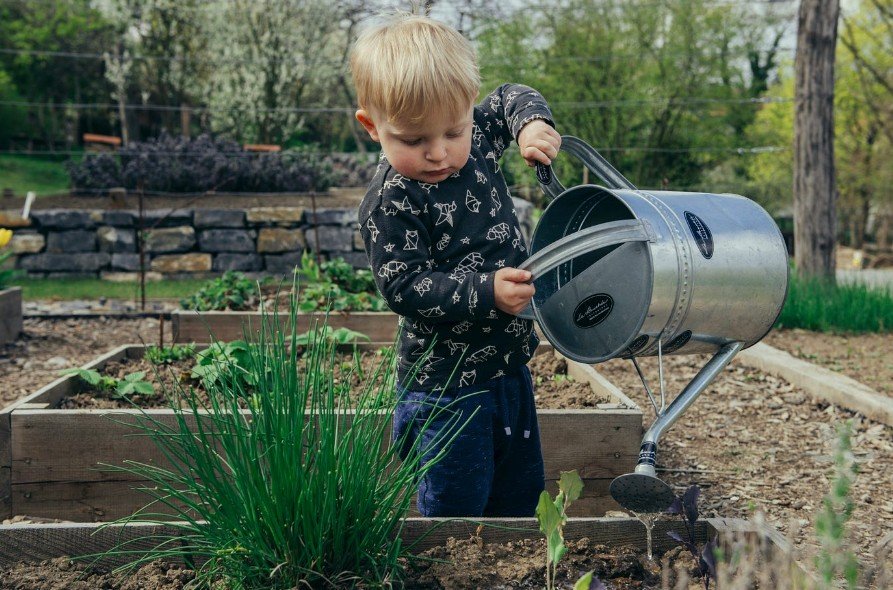
I’ll be honest with you: when I first started gardening, I killed more plants than I grew. I thought tossing some seeds in the dirt, watering every once in a while, and praying for the best would be enough. Spoiler alert—it wasn’t. If you’ve ever felt like your garden is more of a graveyard than a green paradise, trust me, I’ve been there too.
Over the years, though, I’ve picked up little tricks, usually after embarrassing mistakes or watching my neighbor’s tomatoes thrive while mine looked like shriveled raisins. I want to share some of those beginner gardening tips here so you don’t have to make the same mistakes I did. Think of this as advice from a slightly older, dirt-under-the-nails friend who wants to save you time, money, and frustration.
Start Small, Seriously
When I first caught the gardening bug, I went wild. I tore up half my backyard, ordered packets of exotic seeds I couldn’t even pronounce, and planted everything from kale to cantaloupe. Big mistake. I didn’t have the bandwidth to take care of it all, and by midsummer it looked like a jungle scene from a bad movie.
If you’re just starting out, begin with a small raised bed or even a few containers on your porch. Pick 3–5 plants you actually eat often—like lettuce, cherry tomatoes, basil, or peppers. That way, you can focus on learning the basics without being overwhelmed. Small success will build your confidence way faster than trying to run a botanical empire right out of the gate.
Soil Matters More Than You Think
I used to think dirt was just dirt. Oh boy, was I wrong. I planted my first batch of carrots in heavy clay soil, and instead of long crunchy roots, I got stubby little orange nubs that looked like deformed fingers. Not exactly Instagram-worthy.
Healthy soil is everything in gardening. Spend some time improving yours before you even plant. Add compost, organic matter, or aged manure to boost nutrients and improve texture. If your soil is too compacted or sandy, your plants will struggle no matter how much you water or fertilize.
And here’s the kicker—test your soil pH. I skipped this step for years, not realizing my soil was way too acidic. Once I adjusted it with a bit of lime, my vegetables actually started to thrive.
Don’t Overwater (Or Underwater)
This was my Achilles heel for a long time. I’d hover over my garden like a helicopter parent, watering twice a day because I thought more water meant more growth. Wrong again. My poor plants ended up with yellow leaves and root rot.
Here’s a good rule of thumb: stick your finger about an inch into the soil. If it’s dry, water. If it’s still moist, leave it alone. Most plants prefer deep, infrequent watering rather than shallow sips every day. That way, the roots grow down instead of staying near the surface.
Also, water early in the morning. It gives plants a chance to soak it up before the midday sun evaporates it all, and it helps prevent fungal issues. Evening watering is okay too, but it can leave the leaves damp overnight, which is basically a party invite for mildew.
Sunlight Is Non-Negotiable
This one sounds obvious, but I ignored it when I first started. I tucked my tomato plants under a shady tree because it “looked pretty.” Well, tomatoes don’t care about aesthetics—they want 6–8 hours of full sun a day. Without it, mine stayed spindly and refused to fruit.
Pay attention to where the sunlight hits your yard or balcony throughout the day. Don’t just guess—literally watch for a day or two. You’ll notice spots that get full sun, partial shade, or almost none at all. Plant accordingly. Leafy greens like spinach or lettuce can handle partial shade, but peppers, squash, and tomatoes demand sunshine.
Learn to Love Mulch
One summer, I got lazy and skipped mulching. Big mistake. Within weeks, weeds had taken over my garden like it was their personal playground. Not only did they choke out my veggies, but I also spent hours pulling them up by hand.
Now I swear by mulch—straw, shredded leaves, or wood chips. Mulch helps lock in soil moisture, keeps weeds down, and regulates temperature. It also slowly breaks down and improves the soil over time. Just don’t pile it right up against plant stems, or you risk rot.
Patience Is Part of the Game
Here’s the truth: gardening teaches patience whether you like it or not. I remember planting radish seeds and checking them three times a day, like they were going to magically sprout before my eyes. When nothing happened, I panicked, thinking I’d done something wrong. A week later—bam! Tiny green sprouts.
Plants work on their own schedule. Some seeds sprout in days, others take weeks. Fruit trees? Forget it, they’ll test your patience for years. Don’t let the waiting discourage you. Instead, enjoy the process—the watering, the small changes, the first signs of growth. That’s the real magic of gardening.
Mistakes Happen (And That’s Okay)
One season, I tried to grow zucchini. Everyone told me it was “easy.” Ha. Mine never produced more than a few tiny fruits that rotted before I could pick them. I almost gave up on gardening altogether.
But here’s what I realized: failure is part of gardening. Even experienced gardeners lose crops to pests, diseases, or just bad weather. The key is to learn from it. I adjusted my soil, improved pollination with a small paintbrush (yep, hand-pollinating zucchini like a weirdo), and the next year I had more squash than I knew what to do with.
So don’t beat yourself up if your first season isn’t perfect. Gardening is more about experimenting and learning than achieving flawless results.
Pay Attention to Pests (Before They Take Over)
I once ignored a couple of holes in my kale leaves. “No big deal,” I thought. Within a week, my entire bed was crawling with cabbage worms, and my kale looked like Swiss cheese. Lesson learned: small problems turn into big ones fast.
Check your plants regularly for signs of pests—chewed leaves, sticky residue, or tiny bugs on the undersides of leaves. Catching them early is way easier than fighting a full-blown infestation.
If you want to keep things organic, try neem oil, insecticidal soap, or companion planting (like basil near tomatoes to deter pests). Don’t immediately reach for harsh chemicals; they can harm beneficial insects like bees and ladybugs that actually help your garden.
Tools That Make Life Easier
I used to borrow my neighbor’s tools until I finally invested in my own. Honestly, the right tools make gardening way less of a hassle. At minimum, get yourself:
- A sturdy hand trowel
- Pruners for trimming
- A good watering can or hose with a spray nozzle
- Gardening gloves (trust me, blisters are no fun)
- A kneeling pad or cushion (your knees will thank you)
You don’t need to buy every fancy gadget out there. But quality basics will last for years and save you frustration.
Celebrate the Wins (Even Small Ones)
The first time I picked a handful of cherry tomatoes from my own garden, I swear they tasted better than any store-bought tomato I’d ever eaten. Was it because I grew them myself? Probably. But honestly, nothing compares to eating something fresh from your own soil.
Don’t wait until you have a huge harvest to celebrate. Even a single homegrown pepper or a handful of herbs is a victory. Those little wins keep you motivated to keep going, season after season.
Final Thoughts
Gardening is one of those things that looks simple from the outside but can be humbling when you’re in the dirt, sweating under the sun, and wondering why your cucumbers look sad. But if there’s one thing I’ve learned, it’s that persistence pays off. Every mistake becomes a lesson, and every success—no matter how small—feels like a triumph.
So if you’re just starting your gardening journey, don’t aim for perfection. Aim for progress. Start small, learn your soil, pay attention to water and sunlight, and don’t be afraid to mess up. Before you know it, you’ll be hooked, and your little patch of green will feel like the most rewarding classroom you’ve ever had.
Gardening Tips for Beginners – FAQ
- What are the easiest vegetables for beginners to grow?
If you’re just starting out, go with the classics: lettuce, radishes, green beans, cherry tomatoes, and zucchini. These plants don’t need a ton of maintenance and usually forgive beginner mistakes like uneven watering or less-than-perfect soil. Herbs like basil, mint, and chives are also beginner-friendly and grow fast, so you’ll get that instant gratification.
- How often should beginners water their garden?
It depends on your climate and soil type, but a general rule is about 1 inch of water per week. For most beginners, that means a deep watering every 2–3 days rather than a light sprinkle daily. Stick your finger in the soil—if it’s dry an inch down, it’s time to water. Remember: overwatering can cause root rot just as quickly as underwatering can dry out your plants.
- Do I need fertilizer if I’m a beginner gardener?
Yes, but keep it simple. A basic all-purpose organic fertilizer works for most vegetables and flowers. You can also mix in compost or aged manure for slow, steady nutrients. Don’t go overboard—too much fertilizer can burn plants. If you’re growing leafy greens, they love nitrogen, while fruiting plants like tomatoes and peppers thrive with a balanced mix.
- How much sunlight do beginner gardens need?
Most vegetables need at least 6–8 hours of direct sunlight per day. Leafy greens (like spinach, kale, and lettuce) can handle partial shade, but fruiting plants—such as tomatoes, cucumbers, and peppers—really need that full sun. Before planting, observe your space to see where the light actually hits throughout the day.
- Can I start gardening if I don’t have a backyard?
Absolutely! Container gardening is a game-changer for beginners. You can grow tomatoes in a 5-gallon bucket, herbs on a sunny windowsill, or strawberries in a hanging basket. Just make sure your pots have good drainage holes and use a high-quality potting mix instead of garden soil.
- What’s the best soil for beginner gardeners?
The ideal soil is loamy, meaning it has a mix of sand, silt, and clay. But don’t stress too much—just start by mixing compost into your existing soil or buy a bag of vegetable garden mix from your local nursery. Avoid heavy clay (too dense) and sandy soil (drains too fast) unless you’re ready to amend them.
- How do I keep pests away naturally?
The key is early detection. Check under leaves for insects, and remove pests by hand if possible. You can also try companion planting—like basil near tomatoes or marigolds near beans—to deter bugs. If things get worse, neem oil, insecticidal soap, or diatomaceous earth are safe, natural pest control options that won’t harm beneficial insects like bees or ladybugs.
- When is the best time to plant a beginner garden?
It depends on where you live, but most vegetables do best when planted in spring after the last frost. If you’re in a warm climate, you might be able to plant year-round. Check a frost date calendar for your area—it’ll save you from the heartbreak of losing young plants to a surprise cold snap.
- Should beginners start with seeds or seedlings?
Honestly, seedlings are easier for beginners. Buying a small tray of tomato or pepper seedlings from a nursery gives you a head start. Seeds are cheaper, though, and some plants like beans, radishes, and zucchini grow best when directly sown in the ground. My rule of thumb: start easy plants from seed, but buy seedlings for trickier crops until you gain confidence.
- How do I stop weeds from taking over my garden?
The easiest trick? Mulch, mulch, mulch. A 2–3 inch layer of straw, shredded leaves, or wood chips keeps weeds from sprouting, locks in moisture, and makes your garden look neat. If weeds do pop up, pull them early before they spread. Never let them go to seed—you’ll regret it the next season.