

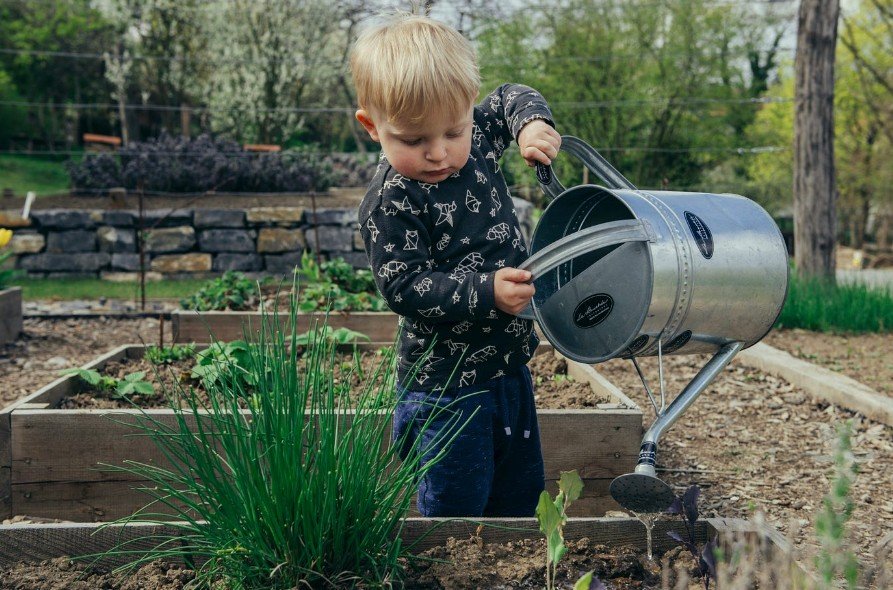
Gardening Tips for Beginners: Lessons I Learned the Hard Way

Gardening Tips for Beginners - Lessons I Learned the Hard Way

I’ll be honest with you: when I first started gardening, I killed more plants than I grew. I thought tossing some seeds in the dirt, watering every once in a while, and praying for the best would be enough. Spoiler alert—it wasn’t. If you’ve ever felt like your garden is more of a graveyard than a green paradise, trust me, I’ve been there too.

Over the years, though, I’ve picked up little tricks, usually after embarrassing mistakes or watching my neighbor’s tomatoes thrive while mine looked like shriveled raisins. I want to share some of those beginner gardening tips here so you don’t have to make the same mistakes I did. Think of this as advice from a slightly older, dirt-under-the-nails friend who wants to save you time, money, and frustration.

Start Small, Seriously

When I first caught the gardening bug, I went wild. I tore up half my backyard, ordered packets of exotic seeds I couldn’t even pronounce, and planted everything from kale to cantaloupe. Big mistake. I didn’t have the bandwidth to take care of it all, and by midsummer it looked like a jungle scene from a bad movie.

If you’re just starting out, begin with a small raised bed or even a few containers on your porch. Pick 3–5 plants you actually eat often—like lettuce, cherry tomatoes, basil, or peppers. That way, you can focus on learning the basics without being overwhelmed. Small success will build your confidence way faster than trying to run a botanical empire right out of the gate.

Soil Matters More Than You Think

I used to think dirt was just dirt. Oh boy, was I wrong. I planted my first batch of carrots in heavy clay soil, and instead of long crunchy roots, I got stubby little orange nubs that looked like deformed fingers. Not exactly Instagram-worthy.

Healthy soil is everything in gardening. Spend some time improving yours before you even plant. Add compost, organic matter, or aged manure to boost nutrients and improve texture. If your soil is too compacted or sandy, your plants will struggle no matter how much you water or fertilize.

And here’s the kicker—test your soil pH. I skipped this step for years, not realizing my soil was way too acidic. Once I adjusted it with a bit of lime, my vegetables actually started to thrive.

Don’t Overwater (Or Underwater)

This was my Achilles heel for a long time. I’d hover over my garden like a helicopter parent, watering twice a day because I thought more water meant more growth. Wrong again. My poor plants ended up with yellow leaves and root rot.

Here’s a good rule of thumb: stick your finger about an inch into the soil. If it’s dry, water. If it’s still moist, leave it alone. Most plants prefer deep, infrequent watering rather than shallow sips every day. That way, the roots grow down instead of staying near the surface.

Also, water early in the morning. It gives plants a chance to soak it up before the midday sun evaporates it all, and it helps prevent fungal issues. Evening watering is okay too, but it can leave the leaves damp overnight, which is basically a party invite for mildew.

Sunlight Is Non-Negotiable

This one sounds obvious, but I ignored it when I first started. I tucked my tomato plants under a shady tree because it “looked pretty.” Well, tomatoes don’t care about aesthetics—they want 6–8 hours of full sun a day. Without it, mine stayed spindly and refused to fruit.

Pay attention to where the sunlight hits your yard or balcony throughout the day. Don’t just guess—literally watch for a day or two. You’ll notice spots that get full sun, partial shade, or almost none at all. Plant accordingly. Leafy greens like spinach or lettuce can handle partial shade, but peppers, squash, and tomatoes demand sunshine.

Learn to Love Mulch

One summer, I got lazy and skipped mulching. Big mistake. Within weeks, weeds had taken over my garden like it was their personal playground. Not only did they choke out my veggies, but I also spent hours pulling them up by hand.

Now I swear by mulch—straw, shredded leaves, or wood chips. Mulch helps lock in soil moisture, keeps weeds down, and regulates temperature. It also slowly breaks down and improves the soil over time. Just don’t pile it right up against plant stems, or you risk rot.

Patience Is Part of the Game

Here’s the truth: gardening teaches patience whether you like it or not. I remember planting radish seeds and checking them three times a day, like they were going to magically sprout before my eyes. When nothing happened, I panicked, thinking I’d done something wrong. A week later—bam! Tiny green sprouts.

Plants work on their own schedule. Some seeds sprout in days, others take weeks. Fruit trees? Forget it, they’ll test your patience for years. Don’t let the waiting discourage you. Instead, enjoy the process—the watering, the small changes, the first signs of growth. That’s the real magic of gardening.

Mistakes Happen (And That’s Okay)

One season, I tried to grow zucchini. Everyone told me it was “easy.” Ha. Mine never produced more than a few tiny fruits that rotted before I could pick them. I almost gave up on gardening altogether.

But here’s what I realized: failure is part of gardening. Even experienced gardeners lose crops to pests, diseases, or just bad weather. The key is to learn from it. I adjusted my soil, improved pollination with a small paintbrush (yep, hand-pollinating zucchini like a weirdo), and the next year I had more squash than I knew what to do with.

So don’t beat yourself up if your first season isn’t perfect. Gardening is more about experimenting and learning than achieving flawless results.

Pay Attention to Pests (Before They Take Over)

I once ignored a couple of holes in my kale leaves. “No big deal,” I thought. Within a week, my entire bed was crawling with cabbage worms, and my kale looked like Swiss cheese. Lesson learned: small problems turn into big ones fast.

Check your plants regularly for signs of pests—chewed leaves, sticky residue, or tiny bugs on the undersides of leaves. Catching them early is way easier than fighting a full-blown infestation.

If you want to keep things organic, try neem oil, insecticidal soap, or companion planting (like basil near tomatoes to deter pests). Don’t immediately reach for harsh chemicals; they can harm beneficial insects like bees and ladybugs that actually help your garden.

Tools That Make Life Easier

I used to borrow my neighbor’s tools until I finally invested in my own. Honestly, the right tools make gardening way less of a hassle. At minimum, get yourself:

  • A sturdy hand trowel
  • Pruners for trimming
  • A good watering can or hose with a spray nozzle
  • Gardening gloves (trust me, blisters are no fun)
  • A kneeling pad or cushion (your knees will thank you)

You don’t need to buy every fancy gadget out there. But quality basics will last for years and save you frustration.

Celebrate the Wins (Even Small Ones)

The first time I picked a handful of cherry tomatoes from my own garden, I swear they tasted better than any store-bought tomato I’d ever eaten. Was it because I grew them myself? Probably. But honestly, nothing compares to eating something fresh from your own soil.

Don’t wait until you have a huge harvest to celebrate. Even a single homegrown pepper or a handful of herbs is a victory. Those little wins keep you motivated to keep going, season after season.

Final Thoughts

Gardening is one of those things that looks simple from the outside but can be humbling when you’re in the dirt, sweating under the sun, and wondering why your cucumbers look sad. But if there’s one thing I’ve learned, it’s that persistence pays off. Every mistake becomes a lesson, and every success—no matter how small—feels like a triumph.

So if you’re just starting your gardening journey, don’t aim for perfection. Aim for progress. Start small, learn your soil, pay attention to water and sunlight, and don’t be afraid to mess up. Before you know it, you’ll be hooked, and your little patch of green will feel like the most rewarding classroom you’ve ever had.

Gardening Tips for Beginners – FAQ

  1. What are the easiest vegetables for beginners to grow?

If you’re just starting out, go with the classics: lettuce, radishes, green beans, cherry tomatoes, and zucchini. These plants don’t need a ton of maintenance and usually forgive beginner mistakes like uneven watering or less-than-perfect soil. Herbs like basil, mint, and chives are also beginner-friendly and grow fast, so you’ll get that instant gratification.

  1. How often should beginners water their garden?

It depends on your climate and soil type, but a general rule is about 1 inch of water per week. For most beginners, that means a deep watering every 2–3 days rather than a light sprinkle daily. Stick your finger in the soil—if it’s dry an inch down, it’s time to water. Remember: overwatering can cause root rot just as quickly as underwatering can dry out your plants.

  1. Do I need fertilizer if I’m a beginner gardener?

Yes, but keep it simple. A basic all-purpose organic fertilizer works for most vegetables and flowers. You can also mix in compost or aged manure for slow, steady nutrients. Don’t go overboard—too much fertilizer can burn plants. If you’re growing leafy greens, they love nitrogen, while fruiting plants like tomatoes and peppers thrive with a balanced mix.

  1. How much sunlight do beginner gardens need?

Most vegetables need at least 6–8 hours of direct sunlight per day. Leafy greens (like spinach, kale, and lettuce) can handle partial shade, but fruiting plants—such as tomatoes, cucumbers, and peppers—really need that full sun. Before planting, observe your space to see where the light actually hits throughout the day.

  1. Can I start gardening if I don’t have a backyard?

Absolutely! Container gardening is a game-changer for beginners. You can grow tomatoes in a 5-gallon bucket, herbs on a sunny windowsill, or strawberries in a hanging basket. Just make sure your pots have good drainage holes and use a high-quality potting mix instead of garden soil.

  1. What’s the best soil for beginner gardeners?

The ideal soil is loamy, meaning it has a mix of sand, silt, and clay. But don’t stress too much—just start by mixing compost into your existing soil or buy a bag of vegetable garden mix from your local nursery. Avoid heavy clay (too dense) and sandy soil (drains too fast) unless you’re ready to amend them.

  1. How do I keep pests away naturally?

The key is early detection. Check under leaves for insects, and remove pests by hand if possible. You can also try companion planting—like basil near tomatoes or marigolds near beans—to deter bugs. If things get worse, neem oil, insecticidal soap, or diatomaceous earth are safe, natural pest control options that won’t harm beneficial insects like bees or ladybugs.

  1. When is the best time to plant a beginner garden?

It depends on where you live, but most vegetables do best when planted in spring after the last frost. If you’re in a warm climate, you might be able to plant year-round. Check a frost date calendar for your area—it’ll save you from the heartbreak of losing young plants to a surprise cold snap.

  1. Should beginners start with seeds or seedlings?

Honestly, seedlings are easier for beginners. Buying a small tray of tomato or pepper seedlings from a nursery gives you a head start. Seeds are cheaper, though, and some plants like beans, radishes, and zucchini grow best when directly sown in the ground. My rule of thumb: start easy plants from seed, but buy seedlings for trickier crops until you gain confidence.

  1. How do I stop weeds from taking over my garden?

The easiest trick? Mulch, mulch, mulch. A 2–3 inch layer of straw, shredded leaves, or wood chips keeps weeds from sprouting, locks in moisture, and makes your garden look neat. If weeds do pop up, pull them early before they spread. Never let them go to seed—you’ll regret it the next season.

Backyard Gardening: Cultivating Green Spaces at Home

Choosing the Right Plants

When it comes to selecting plants for your backyard garden, there are several factors to consider. Here’s a closer look at how to make the right choices:

Consider Local Climate

Understanding your local climate is essential for choosing plants that will thrive in your backyard. Research the average temperature, rainfall, and sunlight levels in your area to determine which plants are best suited for your garden.

Selecting Plants Suitable for Your Space

Take into account the size and conditions of your backyard when selecting plants. If you have limited space, opt for compact or container-friendly varieties. Additionally, consider the amount of sunlight and shade different areas of your garden receive throughout the day.

Choosing Between Vegetables, Flowers, or Herbs

Decide what type of garden you want to cultivate based on your preferences and goals. Vegetable gardens can provide fresh produce for your kitchen, while flower gardens add beauty and fragrance to your outdoor space. Herb gardens offer both culinary and medicinal benefits, making them a versatile choice for backyard growers.

Planning Your Layout

Once you’ve chosen your plants, it’s time to plan the layout of your backyard garden. Here are some tips for maximizing space and creating a visually appealing design:

Maximizing Space Efficiency

Make the most of your available space by using vertical gardening techniques, such as trellises or hanging planters. You can also stagger plantings or use raised beds to maximize planting area while minimizing footprint.

Companion Planting

Consider the principles of companion planting when arranging your garden layout. Companion plants benefit each other by attracting beneficial insects, repelling pests, or improving soil health. For example, planting marigolds alongside tomatoes can help deter pests like nematodes.

Incorporating Pathways and Focal Points

Add visual interest to your backyard garden by incorporating pathways and focal points. Use stepping stones or gravel paths to navigate through your garden, and consider adding features like a birdbath, fountain, or garden bench as focal points.

Essential Tools and Supplies

To ensure success in your backyard gardening endeavors, you’ll need the right tools and supplies. Here’s a list of essentials to get you started:

Gardening Tools You’ll Need

Invest in high-quality gardening tools to make tasks like planting, pruning, and weeding easier and more efficient. Basic tools include a trowel, hand pruners, gloves, and a watering can or hose. Consider purchasing specialized tools for specific tasks, such as a soil knife for cutting through roots or a weeder for removing stubborn weeds.

Soil and Fertilizers

Healthy soil is the foundation of a thriving garden, so it’s important to choose the right soil and fertilizers for your plants. Conduct a soil test to determine its pH and nutrient levels, and amend as necessary with organic matter like compost or aged manure. When selecting fertilizers, opt for organic options that feed the soil and promote long-term plant health.

Watering Equipment

Proper watering is essential for the health of your plants, so invest in watering equipment that meets your garden’s needs. Options include watering cans, hoses with adjustable nozzles, drip irrigation systems, and soaker hoses. Consider installing a rain barrel to collect and store rainwater for use in your garden, reducing your reliance on municipal water sources.

Maintenance Tips for a Thriving Garden

Once your backyard garden is established, regular maintenance is key to keeping it healthy and productive. Here are some tips for ongoing care:

Regular Watering Schedule

Establish a regular watering schedule based on the needs of your plants and the weather conditions in your area. Water deeply and infrequently to encourage deep root growth, and water early in the morning or late in the evening to minimize evaporation.

Pest and Weed Management

Monitor your garden regularly for signs of pests or weeds, and take action promptly to prevent infestations from spreading. Practice integrated pest management techniques, such as handpicking pests, using insecticidal soaps or botanical sprays, and attracting beneficial insects to prey on pest populations. Mulching can help suppress weeds and retain moisture in the soil, reducing the need for manual weeding.

Soil Testing and Amendments

Periodically test your soil’s pH and nutrient levels to ensure it’s providing the optimal growing conditions for your plants. Amend the soil as needed with organic matter like compost, aged manure, or cover crops to improve its structure, fertility, and moisture retention.

Harvesting and Enjoying the Fruits of Your Labor

One of the most rewarding aspects of backyard gardening is harvesting and enjoying the fresh produce and beautiful blooms it yields. Here’s how to make the most of your garden’s bounty:

Knowing When to Harvest

Pay attention to the ripening cues of your crops to determine when they’re ready to harvest. Different plants have different indicators of readiness, such as color, size, and texture. Harvest fruits and vegetables at their peak of ripeness for the best flavor and nutritional value.

Preserving Your Harvest

Extend the enjoyment of your garden’s bounty by preserving excess produce for later use. Options for preserving fruits and vegetables include canning, freezing, drying, or pickling. Experiment with different preservation methods to find ones that suit your tastes and lifestyle.

Sharing Your Bounty with Others

Spread the joy of gardening by sharing your surplus produce with friends, family, neighbors, or local food banks. You can also host garden-to-table gatherings or participate in community sharing initiatives to connect with others who share your passion for fresh, homegrown food.

Conclusion

Backyard gardening offers a wealth of benefits, from providing fresh, nutritious food to fostering a deeper connection with nature. Whether you’re a seasoned gardener or a novice enthusiast, cultivating your own garden can be a rewarding and fulfilling endeavor. So roll up your sleeves, dig in the dirt, and watch your backyard transform into a flourishing oasis of greenery and life.

FAQs (Frequently Asked Questions)

  1. How much time does backyard gardening require each week?
    • The time commitment for backyard gardening varies depending on factors like garden size, plant selection, and maintenance needs. However, even dedicating a few hours per week can yield satisfying results.
  2. Is backyard gardening suitable for beginners?
    • Absolutely! Backyard gardening is accessible to beginners with a willingness to learn and experiment. Start small, research plant care basics, and don’t be afraid to ask for advice from seasoned gardeners or online resources.
  3. What are some common challenges in backyard gardening?
    • Common challenges include pest infestations, soil issues, unpredictable weather, and learning curves associated with plant care. However, these challenges can be overcome with patience, observation, and proactive problem-solving.
  4. Can I practice organic gardening in my backyard?
    • Yes, many backyard gardeners embrace organic gardening principles, which prioritize soil health, natural pest control methods, and avoiding synthetic chemicals. Organic gardening fosters sustainability and promotes environmental stewardship.
  5. What are the environmental benefits of backyard gardening?

    • Backyard gardening contributes to environmental sustainability by reducing food miles associated with store-bought produce, conserving water through efficient gardening practices, and providing habitat for beneficial insects and wildlife.

The Ultimate Guide to Organic Gardening: Cultivating Green Spaces Naturally

Organic gardening is a practice that involves cultivating plants in harmony with nature, without the use of synthetic fertilizers, pesticides, or genetically modified organisms (GMOs). It promotes the health of soil, plants, and ecosystems, while also supporting biodiversity and sustainability.

Embracing the Organic Approach to Gardening

Organic gardening isn’t just about what you don’t use; it’s a holistic approach that encourages working with nature rather than against it. By nurturing healthy soil, selecting appropriate plants, and practicing natural pest and weed control methods, organic gardeners create thriving ecosystems that benefit both people and the planet.

Understanding Organic Gardening

What is Organic Gardening?

Organic gardening is a method of growing plants using natural materials and processes. It focuses on building soil fertility through composting and other organic amendments, encouraging biodiversity, and minimizing environmental impact.

The Benefits of Organic Gardening

Environmental Benefits

Organic gardening reduces the use of synthetic chemicals that can harm soil, water, and wildlife. By promoting healthy soil ecosystems and minimizing pollution, organic gardens contribute to environmental conservation efforts.

Health Benefits

Organic produce is free from synthetic pesticides and GMOs, making it safer and healthier for consumption. By avoiding exposure to harmful chemicals, organic gardeners protect their own health and the health of their families.

Economic Benefits

While organic gardening may require more initial effort and investment, it can ultimately save money by reducing the need for costly chemical inputs. Additionally, organic produce often commands higher prices in the market, providing economic opportunities for organic growers.

Getting Started with Organic Gardening

Selecting the Right Location

Choose a sunny spot with well-drained soil for your organic garden. Avoid areas that have been treated with chemical pesticides or herbicides, as residual chemicals can linger in the soil and affect plant growth.

Soil Preparation and Maintenance

Building healthy soil is the foundation of organic gardening. Start by testing your soil pH and fertility levels, then amend as needed with organic matter such as compost, aged manure, or cover crops.

Composting: Nature’s Fertilizer

Composting is the process of decomposing organic materials such as kitchen scraps, yard waste, and livestock manure to create nutrient-rich compost for your garden. It improves soil structure, fertility, and moisture retention while reducing waste.

Mulching for Moisture Retention

Mulching helps conserve soil moisture, suppress weeds, and regulate soil temperature. Use organic materials like straw, leaves, or grass clippings as mulch around your plants to keep soil healthy and hydrated.

Managing Soil pH Levels

Most plants prefer slightly acidic to neutral soil pH levels. Test your soil regularly and adjust pH as needed with organic amendments like lime or sulfur to create optimal growing conditions for your plants.

Choosing Plants for Your Organic Garden

Native and Adapted Plants

Select plants that are well-suited to your local climate and soil conditions. Native species and adapted varieties are often more resilient to pests and diseases, requiring less maintenance and input.

Companion Planting

Companion planting involves growing different plants together to benefit each other in various ways, such as repelling pests, attracting beneficial insects, or improving soil fertility. By strategically pairing compatible plants, you can create a more productive and diverse garden ecosystem.

Heirloom Varieties vs. Hybrid Plants

Consider planting heirloom varieties of fruits and vegetables, which are open-pollinated and have been passed down through generations for their unique flavors and characteristics. While hybrid plants may offer certain advantages such as disease resistance or higher yields, heirlooms contribute to genetic diversity and preservation of traditional varieties.

Organic Pest Control Methods

Integrated Pest Management (IPM)

IPM is a holistic approach to pest management that emphasizes prevention, monitoring, and control methods that are least harmful to the environment. By using a combination of cultural, biological, and mechanical controls, organic gardeners can effectively manage pests while minimizing reliance on chemical pesticides.

Beneficial Insects and Wildlife

Attracting beneficial insects and wildlife to your garden can help control pest populations naturally. Provide habitat and food sources for beneficial insects such as ladybugs, lacewings, and predatory wasps, as well as birds, bats, and other predators that feed on garden pests.

Homemade Pest Sprays and Solutions

Homemade pest sprays made from natural ingredients such as garlic, chili peppers, neem oil, or soap can be effective against common garden pests. Experiment with different recipes and application methods to find what works best for your garden.

Organic Weed Management

Mulching as a Weed Barrier

Mulching not only conserves moisture and improves soil health but also helps suppress weed growth by blocking sunlight and preventing weed seeds from germinating. Apply a thick layer of organic mulch around your plants to smother weeds and reduce the need for manual weeding.

Hand Weeding Techniques

Regularly inspect your garden for weeds and remove them by hand before they have a chance to spread. Pull weeds when the soil is moist, making sure to remove the entire root system to prevent regrowth.

Soil Solarization

Soil solarization is a natural weed control method that uses the heat of the sun to kill weed seeds and pathogens in the soil. Covering moist soil with clear plastic for several weeks during the hottest part of the summer can effectively sterilize the soil and reduce weed pressure.

Watering Practices in Organic Gardening

Efficient Watering Strategies

Water deeply and infrequently to encourage deep root growth and drought tolerance in your plants. Use drip irrigation or soaker hoses to deliver water directly to the root zone, minimizing evaporation and runoff.

Rainwater Harvesting

Collecting rainwater in barrels or cisterns allows you to harness nature’s free resource for watering your garden. Install gutters and downspouts on your roof to direct rainwater into storage containers, then use it to irrigate your plants during dry periods.

Drip Irrigation Systems

Drip irrigation systems deliver water slowly and directly to the root zone of plants, minimizing water waste and reducing the risk of fungal diseases. Install a drip irrigation system in your garden to ensure efficient water use and healthy plant growth.

Maintaining Biodiversity in Your Garden

Creating Habitat for Wildlife

Diverse plantings, water features, and shelter structures provide habitat for beneficial insects, birds, and other wildlife that contribute to a healthy garden ecosystem. Incorporate native plants and natural materials into your garden design to attract and support a wide range of species.

Incorporating Perennial Plants

Perennial plants come back year after year, reducing the need for annual replanting and providing long-term stability to your garden ecosystem. Choose a variety of perennial flowers, herbs, and shrubs to create a resilient and low-maintenance garden landscape.

Avoiding Monoculture

Monoculture, or growing a single crop over a large area, can lead to nutrient depletion, pest outbreaks, and soil erosion. Plant diverse crops and rotate them regularly to improve soil health, reduce pest pressure, and promote overall ecosystem resilience.

Seasonal Care for Organic Gardens

Spring: Planting and Early Growth

Start your organic garden off right by planting seeds and transplants when the soil has warmed up and the danger of frost has passed. Prepare beds, amend soil, and sow seeds for cool-season crops like lettuce, spinach, and peas.

Summer: Watering and Maintenance

Keep your garden well-watered and mulched during the hot summer months to prevent drought stress and conserve soil moisture. Monitor plants for signs of pests and diseases, and take proactive measures to address any issues that arise.

Fall: Harvesting and Preparation for Winter

Harvest mature fruits and vegetables as they ripen, and preserve surplus produce for winter storage. Clean up garden beds, remove spent plants, and add compost or mulch to replenish soil nutrients and protect against winter cold.

Tools and Equipment for Organic Gardening

Essential Gardening Tools

Invest in high-quality gardening tools such as hand trowels, pruners, and hoes that are ergonomically designed and built to last. Choose tools made from sustainable materials like stainless steel or FSC-certified wood to minimize environmental impact.

Organic Fertilizers and Soil Amendments

Use natural fertilizers and soil amendments such as compost, compost tea, bone meal, and kelp meal to enrich soil fertility and provide essential nutrients to your plants. Apply organic fertilizers according to soil test recommendations and plant nutrient needs.

Eco-Friendly Pest Control Products

Opt for eco-friendly pest control products such as insecticidal soaps, botanical oils, and microbial insecticides that target specific pests while minimizing harm to beneficial insects and other non-target organisms. Read product labels carefully and follow application instructions to ensure safe and effective pest management.

Common Challenges in Organic Gardening

Dealing with Plant Diseases

Prevent plant diseases by practicing good sanitation, proper plant spacing, and crop rotation in your garden. Monitor plants regularly for signs of disease, and take prompt action to remove and dispose of infected plants to prevent the spread of pathogens.

Nutrient Deficiencies in Soil

Test your soil regularly to assess nutrient levels and pH, then amend as needed to correct deficiencies and create optimal growing conditions for your plants. Use organic fertilizers and soil amendments to replenish nutrients and promote healthy plant growth.

Extreme Weather Events

Protect your garden from extreme weather events such as heatwaves, storms, and frost by providing shade, windbreaks, and frost protection as needed. Mulch, irrigation, and other preventive measures can help minimize damage and maintain garden productivity during challenging weather conditions.

The Role of Sustainability in Organic Gardening

Reducing Carbon Footprint

Organic gardening practices such as composting, mulching, and water conservation help reduce greenhouse gas emissions and combat climate change. By sequestering carbon in soil and minimizing reliance on fossil fuel inputs, organic gardens contribute to a more sustainable and resilient food system.

Conserving Water Resources

Efficient irrigation methods, rainwater harvesting, and soil moisture management techniques help conserve water resources in organic gardening. By using water wisely and minimizing runoff and evaporation, organic gardeners can reduce their impact on local water supplies and promote water sustainability.

Promoting Ecosystem Health

Organic gardening fosters biodiversity and ecosystem resilience by creating habitat for beneficial insects, birds, and other wildlife. By preserving natural ecosystems and minimizing disturbance, organic gardeners support the health and vitality of local ecosystems and contribute to global conservation efforts.

Success Stories in Organic Gardening

Community Gardens

Community gardens bring people together to grow food, share resources, and build relationships. By providing access to fresh, healthy produce and creating opportunities for education and community engagement, community gardens enhance food security, promote social cohesion, and beautify urban neighborhoods.

Urban Farming Initiatives

Urban farming initiatives transform vacant lots, rooftops, and other underutilized spaces into productive gardens and farms. By reclaiming urban landscapes for agriculture, urban farmers provide fresh, locally grown food to city residents, create green jobs, and revitalize communities.

School Gardens and Educational Programs

School gardens and educational programs introduce children to the joys of gardening, teach them valuable life skills, and inspire a lifelong love of nature and healthy eating. By incorporating garden-based learning into school curricula, educators engage students in hands-on, experiential learning experiences that foster environmental stewardship and promote health and wellness.

Conclusion

Embrace the organic revolution in gardening and discover the joy of cultivating green spaces naturally. By adopting organic gardening practices, you can create beautiful, productive gardens that nourish body, mind, and soul while protecting the planet for future generations to enjoy.

The Ultimate Guide to Home Gardening

Introduction

Home gardening has seen a surge in popularity recently, and it’s no wonder why. It’s a fantastic way to reconnect with nature, reduce stress, and even grow your own food. Whether you have a spacious backyard or just a small balcony, there’s always room to cultivate a green space.

Getting Started with Home Gardening

Choosing the Right Location

Your garden’s location is crucial. You’ll need a spot that gets plenty of sunlight—most vegetables and flowers need at least six hours of direct sunlight each day. Also, consider the proximity to a water source and the quality of the soil in that area.

Determining Your Gardening Goals

What do you want to achieve with your garden? Are you looking to grow your own vegetables, create a beautiful flower garden, or maybe attract wildlife? Defining your goals will help you make better choices about what to plant and how to design your garden.

Essential Tools for Home Gardening

Basic Gardening Tools

Starting a garden doesn’t require a huge investment in tools. The basics include a good quality trowel, a sturdy pair of gloves, pruners, a watering can or hose, and a garden fork. These tools will cover most of your basic gardening needs.

Advanced Gardening Equipment

As you get more into gardening, you might find that you need more specialized tools. A soil tester can help you understand your soil’s pH and nutrient levels. Raised garden beds and trellises can help you maximize your space and grow a wider variety of plants.

Soil Preparation and Maintenance

Testing Your Soil

Before you start planting, it’s a good idea to test your soil. You can buy a soil testing kit at most garden centers or send a sample to a local extension service. Knowing your soil’s pH and nutrient levels will help you determine what amendments you might need.

Improving Soil Quality

Healthy soil is the foundation of a successful garden. Adding organic matter, such as compost or aged manure, can improve soil structure, provide essential nutrients, and support beneficial microbial life. Mulching helps retain moisture and suppress weeds.

Choosing the Right Plants

Understanding Plant Hardiness Zones

The USDA Plant Hardiness Zone Map is a valuable tool for gardeners. It divides North America into zones based on average annual minimum winter temperatures. Knowing your zone will help you choose plants that are well-suited to your local climate.

Selecting Plants for Your Garden

Consider your climate, the amount of sunlight your garden gets, and your soil type when choosing plants. Native plants are often a great choice because they’re adapted to your local conditions and require less maintenance.

Planting Techniques

Seed Starting Indoors

Starting seeds indoors can give you a head start on the growing season. Use seed trays and a good quality seed-starting mix. Keep the soil moist and provide plenty of light, either from a sunny window or a grow light.

Transplanting Seedlings

When your seedlings are ready to move outdoors, it’s important to harden them off first. This means gradually exposing them to outdoor conditions over a week or two. Transplant them on a cloudy day or in the evening to reduce transplant shock.

Watering Your Garden

Best Practices for Watering

Watering can be tricky—you want to give your plants enough water but not too much. Generally, it’s better to water deeply and less frequently, so the roots grow deeper into the soil. Morning is the best time to water because it allows the foliage to dry out during the day, reducing the risk of disease.

Irrigation Systems

If you have a larger garden, an irrigation system can save you time and ensure your plants get the consistent moisture they need. Drip irrigation and soaker hoses are efficient methods that deliver water directly to the root zone, minimizing evaporation.

Fertilizing Your Garden

Organic vs. Synthetic Fertilizers

Organic fertilizers, such as compost and fish emulsion, improve soil health and provide a slow-release of nutrients. Synthetic fertilizers, on the other hand, provide nutrients more quickly but can sometimes lead to a buildup of salts in the soil.

When and How to Fertilize

The best time to fertilize depends on the type of plants you’re growing. Generally, it’s good to fertilize in the early growing season and again in mid-season. Follow the instructions on the fertilizer package to avoid over-fertilizing, which can harm your plants.

Dealing with Pests and Diseases

Common Garden Pests

Aphids, slugs, and caterpillars are common garden pests. They can cause significant damage if not controlled. Regularly inspecting your plants can help you catch infestations

early and take action.

Natural Pest Control Methods

Instead of reaching for chemical pesticides, consider natural methods first. Companion planting, introducing beneficial insects like ladybugs, and using neem oil or insecticidal soap can effectively manage pest populations without harming the environment.

Pruning and Maintenance

How to Prune Plants Properly

Pruning is essential for healthy plant growth. Remove dead or diseased branches first, then thin out crowded areas to improve air circulation. Different plants have different pruning needs, so it’s important to research the specific requirements for your garden’s inhabitants.

Seasonal Maintenance Tasks

Gardening is a year-round activity. In spring, focus on planting and soil preparation. Summer is for maintenance and harvesting. Fall involves cleaning up and preparing for winter, while winter is a good time to plan and order seeds for the next growing season.

Harvesting Your Crops

Knowing When to Harvest

Timing is everything when it comes to harvesting. Vegetables like tomatoes and peppers are best picked when fully ripe, while others, like lettuce and spinach, are better harvested young and tender. Always use a sharp knife or scissors to avoid damaging the plants.

Techniques for Harvesting Different Crops

Each crop has its own best practices for harvesting. Root vegetables should be gently dug up to avoid damage, while fruits should be carefully picked to avoid bruising. Learn the specific harvesting techniques for each plant in your garden to ensure you get the best yield.

Sustainable Gardening Practices

Composting

Composting is a fantastic way to recycle kitchen scraps and garden waste into nutrient-rich compost. A good compost pile includes a mix of green materials (like vegetable scraps and grass clippings) and brown materials (like leaves and cardboard). Turn your compost regularly to speed up the decomposition process.

Rainwater Harvesting

Collecting rainwater is an excellent way to conserve water and reduce your utility bills. A rain barrel connected to your downspout can provide ample water for your garden, and rainwater is often better for plants than tap water because it doesn’t contain chlorine.

Indoor Gardening

Best Plants for Indoors

If outdoor space is limited, or if you want to bring some greenery inside, consider indoor gardening. Herbs like basil and mint, leafy greens like spinach, and small fruiting plants like cherry tomatoes can thrive indoors with the right conditions.

Care Tips for Indoor Plants

Indoor plants need proper light, water, and humidity levels. Place them near windows for natural light, but be cautious of direct sunlight that can scorch leaves. Use a well-draining potting mix, and be mindful of overwatering, which is a common issue for indoor plants.

Gardening with Kids

Fun Gardening Projects for Children

Gardening with kids can be both fun and educational. Simple projects like growing sunflowers, making a fairy garden, or planting a pizza garden (with tomatoes, basil, and peppers) can spark a child’s interest in nature and healthy eating.

Educational Benefits

Gardening teaches children about biology, responsibility, and patience. They learn where their food comes from and the importance of caring for the environment. Plus, it’s a great way to spend quality time together as a family.

Conclusion

Home gardening is a rewarding hobby that offers numerous benefits, from fresh produce to a sense of accomplishment. Whether you’re a novice or an experienced gardener, there’s always something new to learn and enjoy. So grab your tools, pick your plants, and start digging!

FAQs

1. What are the best vegetables for beginners to grow?

Some of the easiest vegetables for beginners include tomatoes, cucumbers, radishes, and lettuce. These plants are relatively low-maintenance and grow quickly, providing a rewarding experience for new gardeners.

2. How often should I water my garden?

The frequency of watering depends on your climate, soil type, and the plants you’re growing. Generally, gardens need about 1 inch of water per week. It’s better to water deeply and less frequently to encourage deep root growth.

3. Can I garden if I don’t have a backyard?

Absolutely! Container gardening and vertical gardening are great options for small spaces. You can grow a variety of plants on a balcony, patio, or even indoors with the right setup.

4. What is companion planting?

Companion planting involves growing certain plants together to benefit one or both. For example, basil can repel pests from tomatoes, and beans can fix nitrogen in the soil, benefiting other plants nearby.

5. How do I know if my soil is healthy?

Healthy soil is crumbly and dark, with plenty of organic matter. It should drain well but retain moisture. You can also test your soil for pH and nutrient levels to ensure it has the right balance for your plants.

Kitchen Gardening: Your Guide to Growing Fresh Produce at Home

Introduction

The Rise of Kitchen Gardening

In recent years, kitchen gardening has seen a significant resurgence. People are increasingly turning to their backyards, balconies, and even kitchen countertops to grow their own fresh produce. This trend is driven by a desire for healthier eating, environmental consciousness, and the simple pleasure of gardening.

Benefits of Kitchen Gardening

Kitchen gardening offers numerous benefits. It provides a steady supply of fresh, organic produce, helps reduce grocery bills, and promotes a sustainable lifestyle. Additionally, gardening can be a therapeutic and rewarding hobby, bringing a sense of accomplishment and tranquility.

Getting Started with Kitchen Gardening

Choosing the Right Location

The first step in starting a kitchen garden is selecting the right location. Ideally, you should choose a spot that receives at least six hours of sunlight each day. If outdoor space is limited, consider using windowsills, balconies, or even indoor grow lights.

Essential Tools and Supplies

To get started, you’ll need a few basic tools: a trowel, watering can, pruning shears, and gardening gloves. Additionally, investing in quality soil, compost, and pots or raised beds will set the foundation for a thriving garden.

Planning Your Kitchen Garden

Deciding What to Grow

Before planting, decide what vegetables, herbs, and fruits you want to grow. Consider what your family eats regularly and what grows well in your climate. Leafy greens, tomatoes, and herbs like basil and parsley are great options for beginners.

Designing Your Garden Layout

Once you know what you want to grow, plan your garden layout. Group plants with similar needs together, and ensure there’s enough space for each plant to grow. Companion planting—growing plants that benefit each other together—can also enhance your garden’s productivity.

Understanding Soil and Fertilization

Types of Soil

Soil quality is crucial for a successful garden. Most vegetables prefer well-draining, loamy soil rich in organic matter. If your garden soil is poor, consider raised beds or containers filled with a high-quality potting mix.

Composting Basics

Composting is a great way to enrich your soil naturally. Kitchen scraps like vegetable peels, coffee grounds, and eggshells can be composted to create nutrient-rich soil amendments. Regularly turning your compost pile ensures it decomposes evenly.

Organic vs. Chemical Fertilizers

While chemical fertilizers can provide quick nutrients, they often harm the environment. Organic fertilizers, such as compost, manure, and bone meal, release nutrients slowly and improve soil health over time.

Selecting the Right Plants

Best Vegetables for Beginners

If you’re new to gardening, start with easy-to-grow vegetables. Leafy greens like lettuce and spinach, root vegetables like radishes and carrots, and vine crops like cucumbers are excellent choices.

Herbs for Your Kitchen Garden

Herbs are a must-have for any kitchen garden. Basil, parsley, mint, and cilantro are not only easy to grow but also add fresh flavors to your meals. Most herbs thrive in containers, making them perfect for small spaces.

Growing Fruits at Home

While growing fruits requires more space and care, some varieties are well-suited for kitchen gardens. Strawberries, blueberries, and dwarf fruit trees can be grown in pots or small garden plots.

Planting Your Garden

Seed Starting vs. Transplants

Decide whether to start your plants from seeds or purchase transplants. While seeds are more economical and offer a greater variety, transplants provide a head start and are easier for beginners.

Planting Techniques

Plant seeds at the depth recommended on the seed packet, and be sure to thin seedlings as they grow to prevent overcrowding. For transplants, dig a hole slightly larger than the root ball and water thoroughly after planting.

Watering Your Garden

How Much Water Do Plants Need?

Proper watering is crucial for plant health. Most garden plants need about 1 inch of water per week, but this can vary based on weather and soil conditions. Check the soil moisture regularly to ensure your plants are getting enough water.

Efficient Watering Methods

To conserve water, use efficient watering methods like drip irrigation or soaker hoses. Watering early in the morning reduces evaporation and helps prevent diseases.

Dealing with Pests and Diseases

Common Garden Pests

Pests like aphids, caterpillars, and slugs can damage your plants. Regularly inspect your garden for signs of pests and take action immediately to prevent infestations.

Organic Pest Control Methods

Use organic pest control methods to keep your garden chemical-free. Introducing beneficial insects, using neem oil, or making homemade insecticidal soap are effective ways to control pests naturally.

Preventing Plant Diseases

Prevent diseases by planting disease-resistant varieties, practicing crop rotation, and ensuring proper spacing for good air circulation. Remove any diseased plants promptly to prevent the spread.

Maintenance and Care

Pruning and Harvesting

Regular pruning helps keep your plants healthy and productive. Remove dead or diseased leaves, and trim back excessive growth. Harvest your produce when it’s ripe to enjoy the best flavors and encourage more production.

Seasonal Care Tips

Adapt your gardening practices to the seasons. In spring and summer, focus on planting and growing, while fall is the time to harvest and prepare your garden for winter. Use mulch to protect plants from extreme temperatures.

Indoor Kitchen Gardening

Best Indoor Plants for the Kitchen

If you lack outdoor space, indoor gardening is a great alternative. Herbs like basil, thyme, and oregano thrive indoors, as do compact vegetables like cherry tomatoes and peppers.

Container Gardening Tips

Choose containers with good drainage and use a high-quality potting mix. Place your containers in a sunny spot and water them regularly. Indoor plants may need extra humidity, so misting them occasionally can help.

Sustainable Gardening Practices

Water Conservation

Conserving water is essential for a sustainable garden. Use rain barrels to collect rainwater, and mulch your plants to reduce water evaporation.

Companion Planting

Companion planting involves growing plants together that benefit each other. For example, planting basil near tomatoes can improve tomato flavor and deter pests.

Crop Rotation

Rotating crops each season prevents soil depletion and reduces the risk of pests and diseases. Plan your garden layout so that different plant families occupy the same spot in successive years.

Maximizing Yield

Vertical Gardening

Vertical gardening uses trellises, stakes, and other structures to grow plants upward, saving space and increasing yield. Cucumbers, beans, and tomatoes are excellent candidates for vertical gardening.

Succession Planting

Succession planting involves planting new crops as soon as previous ones are harvested. This technique ensures a continuous harvest throughout the growing season.

Kitchen Garden Design Ideas

Small Space Solutions

Even if you have limited space, you can still enjoy a productive garden. Use vertical gardening techniques, hanging baskets, and window boxes to maximize your growing area.

Aesthetic Garden Design

Create a beautiful and functional garden by incorporating pathways, decorative containers, and garden art. Mixing flowers with vegetables can enhance the garden’s aesthetic appeal.

Benefits of Kitchen Gardening

Health Benefits

Growing your own food ensures you have access to fresh, nutrient-rich produce. Gardening also promotes physical activity and reduces stress, contributing to overall well-being.

Environmental Impact

Kitchen gardening reduces your carbon footprint by cutting down on the transportation and packaging associated with store-bought produce. It also supports biodiversity and improves soil health.

Conclusion

Encouraging Kitchen Gardening in Your Community

Kitchen gardening is not only beneficial for individuals but also for communities. Share your knowledge and produce with neighbors, start a community garden, or participate in local gardening groups.

Final Thoughts

Embarking on a kitchen gardening journey is a rewarding experience that offers numerous benefits. Whether you have a large backyard or a small balcony, you can grow fresh, healthy produce and enjoy the many joys of gardening.

FAQs

How do I start a kitchen garden?

Start by choosing a sunny location, gathering essential tools, and planning what to grow. Begin with easy-to-grow vegetables and herbs, and gradually expand your garden as you gain experience.

What are the easiest vegetables to grow in a kitchen garden?

Leafy greens like lettuce and spinach, root vegetables like radishes and carrots, and vine crops like cucumbers are among the easiest vegetables to grow for beginners.

How often should I water my kitchen garden?

Most garden plants need about 1 inch of water per week. Check the soil moisture regularly and water deeply to ensure the roots receive adequate hydration.

Can I grow a kitchen garden indoors?

Yes, you can grow a kitchen garden indoors. Choose compact plants like herbs, cherry tomatoes, and peppers, and place them in a sunny spot. Use containers with good drainage and a quality potting mix.

What are the best organic fertilizers for kitchen gardens?

Compost, manure, bone meal, and fish emulsion are excellent organic fertilizers that enrich the soil and provide essential nutrients to your plants.

‘Re-wilding’ is one way to rebuild an ecosystem – Gardening with nature

Re-wilding is the term for restoring nutritious ecosystems in the landscape that have been disturbed by humans. Think of the thousands and thousands of acres of mono-lifestyle that is turf grass now planted throughout this state.

Re-wilding aims to reverse biodiversity reduction by employing indigenous vegetation and animal lifetime to rebuild ecosystems and to mitigate climate transform.

It is in the hope that we as individuals can undo some of the destruction we have wreaked on our home—earth.

Gardeners, if you are at present spending these colder months preparing for improvements to your outside spaces appear spring, please take into account allocating a portion of your garden to indigenous vegetation.

Plants native to the Okanagan prosper in our semi-arid valley and aid innumerable pollinators, birds and animals. Assume of the ripple outcome, significantly as that from a single stone thrown into a pond.

When I took grasp gardener training in 2014 the only source for obtain of native plants was Sagebrush nursery in Oliver, so it was a problem to recommend the use of indigenous plants for clients.

But, in the last 5 or so decades, matters have progressed and we now have a superb local indigenous plant nursery out there locally, Xen Endemic Nursery in West Kelowna.

I to begin with achieved Josh Smith, the supervisor of Xen, even though we ended up both equally volunteering to strengthen the landscape bordering St. Andrews Anglican Church on Lakeshore Road in Kelowna. We obtained to talking and he talked about that he ran a very little-known nursery in West Kelowna. Of program, I right away invited myself for a tour.

What I observed was a fledgling organization staying managed by a passionate, experienced plant man or woman.

Rapidly forward a several a long time and this enterprise has expanded to include a full hillside and now homes upward of 70,000 native vegetation. These vegetation are utilized to reclaim locations disturbed by all sorts of human pursuits, efficiently re-wilding enormous swaths of disturbed landscapes.

Whilst currently access to the nursery is only readily available for wholesale buys, Josh has extremely graciously allowed OXA customers to invest in indigenous crops specifically from his nursery as a profit of membership.

Usually, he will stroll with you amongst rows of vegetation he has propagated, extolling their numerous virtues and talking about their behaviors.

If you are considering including a indigenous place in your garden, why not turn out to be a member of our not-for earnings organization, with the a lot of benefits that contain supporting OXA’s information of water conservation and supporting to increase the sustainability of our gorgeous household, the Okanagan Valley.

Membership is just $25 for individuals and $40 for homes and it contains a lot of other positive aspects, all of which are outlined on our web-site: www.okanaganxeriscape.org

Customers paid up prior to the end of March will be qualified to get just one of two $25 present certificates to be used at our annual spring plant sale.

Josh will also be a person of the keynote speakers at our upcoming Feb. 10 xeriscape workshop for gurus. See specifics on our site. His presentation is “Beauty and Perform: Native Plants in Landscaping and Slope Retention.”

Business specialists and dwelling gardeners alike, come and join us and understand how you can support craft far more weather-resilient landscapes.

Observe us on social media for inspiration to create the sustainable natural beauty that is xeriscape and take into account sharing photos of your backyard garden by sending them to: [email protected] to be highlighted in our Share your Garden section.

Sigrie Kendrick is a Master Gardener and govt-director of the not-for-financial gain Okanagan Xeriscape Association and can be reached at 778-363-8360 or by e-mail at [email protected].

This short article is written by or on behalf of an outsourced columnist and does not essentially mirror the views of Castanet.