

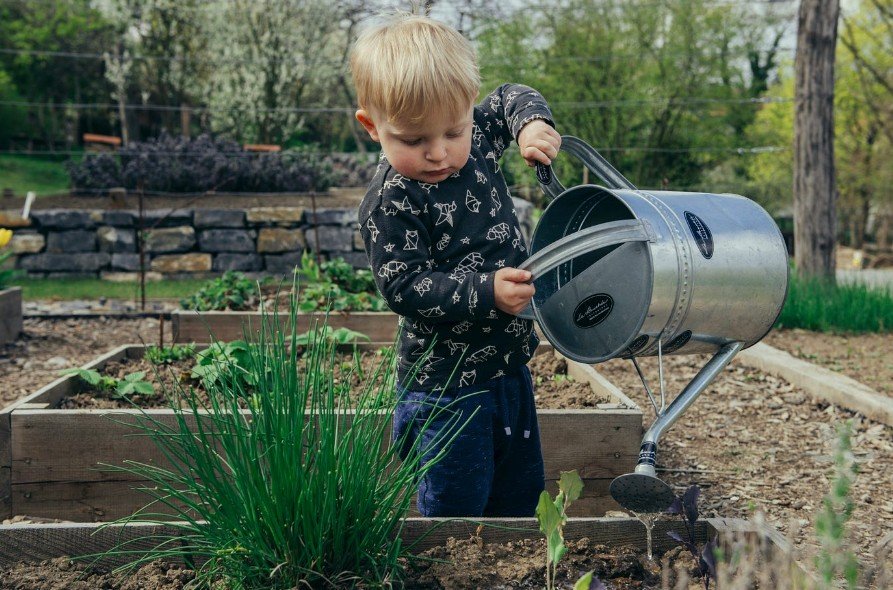
Gardening Tips for Beginners: Lessons I Learned the Hard Way

Gardening Tips for Beginners - Lessons I Learned the Hard Way

I’ll be honest with you: when I first started gardening, I killed more plants than I grew. I thought tossing some seeds in the dirt, watering every once in a while, and praying for the best would be enough. Spoiler alert—it wasn’t. If you’ve ever felt like your garden is more of a graveyard than a green paradise, trust me, I’ve been there too.

Over the years, though, I’ve picked up little tricks, usually after embarrassing mistakes or watching my neighbor’s tomatoes thrive while mine looked like shriveled raisins. I want to share some of those beginner gardening tips here so you don’t have to make the same mistakes I did. Think of this as advice from a slightly older, dirt-under-the-nails friend who wants to save you time, money, and frustration.

Start Small, Seriously

When I first caught the gardening bug, I went wild. I tore up half my backyard, ordered packets of exotic seeds I couldn’t even pronounce, and planted everything from kale to cantaloupe. Big mistake. I didn’t have the bandwidth to take care of it all, and by midsummer it looked like a jungle scene from a bad movie.

If you’re just starting out, begin with a small raised bed or even a few containers on your porch. Pick 3–5 plants you actually eat often—like lettuce, cherry tomatoes, basil, or peppers. That way, you can focus on learning the basics without being overwhelmed. Small success will build your confidence way faster than trying to run a botanical empire right out of the gate.

Soil Matters More Than You Think

I used to think dirt was just dirt. Oh boy, was I wrong. I planted my first batch of carrots in heavy clay soil, and instead of long crunchy roots, I got stubby little orange nubs that looked like deformed fingers. Not exactly Instagram-worthy.

Healthy soil is everything in gardening. Spend some time improving yours before you even plant. Add compost, organic matter, or aged manure to boost nutrients and improve texture. If your soil is too compacted or sandy, your plants will struggle no matter how much you water or fertilize.

And here’s the kicker—test your soil pH. I skipped this step for years, not realizing my soil was way too acidic. Once I adjusted it with a bit of lime, my vegetables actually started to thrive.

Don’t Overwater (Or Underwater)

This was my Achilles heel for a long time. I’d hover over my garden like a helicopter parent, watering twice a day because I thought more water meant more growth. Wrong again. My poor plants ended up with yellow leaves and root rot.

Here’s a good rule of thumb: stick your finger about an inch into the soil. If it’s dry, water. If it’s still moist, leave it alone. Most plants prefer deep, infrequent watering rather than shallow sips every day. That way, the roots grow down instead of staying near the surface.

Also, water early in the morning. It gives plants a chance to soak it up before the midday sun evaporates it all, and it helps prevent fungal issues. Evening watering is okay too, but it can leave the leaves damp overnight, which is basically a party invite for mildew.

Sunlight Is Non-Negotiable

This one sounds obvious, but I ignored it when I first started. I tucked my tomato plants under a shady tree because it “looked pretty.” Well, tomatoes don’t care about aesthetics—they want 6–8 hours of full sun a day. Without it, mine stayed spindly and refused to fruit.

Pay attention to where the sunlight hits your yard or balcony throughout the day. Don’t just guess—literally watch for a day or two. You’ll notice spots that get full sun, partial shade, or almost none at all. Plant accordingly. Leafy greens like spinach or lettuce can handle partial shade, but peppers, squash, and tomatoes demand sunshine.

Learn to Love Mulch

One summer, I got lazy and skipped mulching. Big mistake. Within weeks, weeds had taken over my garden like it was their personal playground. Not only did they choke out my veggies, but I also spent hours pulling them up by hand.

Now I swear by mulch—straw, shredded leaves, or wood chips. Mulch helps lock in soil moisture, keeps weeds down, and regulates temperature. It also slowly breaks down and improves the soil over time. Just don’t pile it right up against plant stems, or you risk rot.

Patience Is Part of the Game

Here’s the truth: gardening teaches patience whether you like it or not. I remember planting radish seeds and checking them three times a day, like they were going to magically sprout before my eyes. When nothing happened, I panicked, thinking I’d done something wrong. A week later—bam! Tiny green sprouts.

Plants work on their own schedule. Some seeds sprout in days, others take weeks. Fruit trees? Forget it, they’ll test your patience for years. Don’t let the waiting discourage you. Instead, enjoy the process—the watering, the small changes, the first signs of growth. That’s the real magic of gardening.

Mistakes Happen (And That’s Okay)

One season, I tried to grow zucchini. Everyone told me it was “easy.” Ha. Mine never produced more than a few tiny fruits that rotted before I could pick them. I almost gave up on gardening altogether.

But here’s what I realized: failure is part of gardening. Even experienced gardeners lose crops to pests, diseases, or just bad weather. The key is to learn from it. I adjusted my soil, improved pollination with a small paintbrush (yep, hand-pollinating zucchini like a weirdo), and the next year I had more squash than I knew what to do with.

So don’t beat yourself up if your first season isn’t perfect. Gardening is more about experimenting and learning than achieving flawless results.

Pay Attention to Pests (Before They Take Over)

I once ignored a couple of holes in my kale leaves. “No big deal,” I thought. Within a week, my entire bed was crawling with cabbage worms, and my kale looked like Swiss cheese. Lesson learned: small problems turn into big ones fast.

Check your plants regularly for signs of pests—chewed leaves, sticky residue, or tiny bugs on the undersides of leaves. Catching them early is way easier than fighting a full-blown infestation.

If you want to keep things organic, try neem oil, insecticidal soap, or companion planting (like basil near tomatoes to deter pests). Don’t immediately reach for harsh chemicals; they can harm beneficial insects like bees and ladybugs that actually help your garden.

Tools That Make Life Easier

I used to borrow my neighbor’s tools until I finally invested in my own. Honestly, the right tools make gardening way less of a hassle. At minimum, get yourself:

  • A sturdy hand trowel
  • Pruners for trimming
  • A good watering can or hose with a spray nozzle
  • Gardening gloves (trust me, blisters are no fun)
  • A kneeling pad or cushion (your knees will thank you)

You don’t need to buy every fancy gadget out there. But quality basics will last for years and save you frustration.

Celebrate the Wins (Even Small Ones)

The first time I picked a handful of cherry tomatoes from my own garden, I swear they tasted better than any store-bought tomato I’d ever eaten. Was it because I grew them myself? Probably. But honestly, nothing compares to eating something fresh from your own soil.

Don’t wait until you have a huge harvest to celebrate. Even a single homegrown pepper or a handful of herbs is a victory. Those little wins keep you motivated to keep going, season after season.

Final Thoughts

Gardening is one of those things that looks simple from the outside but can be humbling when you’re in the dirt, sweating under the sun, and wondering why your cucumbers look sad. But if there’s one thing I’ve learned, it’s that persistence pays off. Every mistake becomes a lesson, and every success—no matter how small—feels like a triumph.

So if you’re just starting your gardening journey, don’t aim for perfection. Aim for progress. Start small, learn your soil, pay attention to water and sunlight, and don’t be afraid to mess up. Before you know it, you’ll be hooked, and your little patch of green will feel like the most rewarding classroom you’ve ever had.

Gardening Tips for Beginners – FAQ

  1. What are the easiest vegetables for beginners to grow?

If you’re just starting out, go with the classics: lettuce, radishes, green beans, cherry tomatoes, and zucchini. These plants don’t need a ton of maintenance and usually forgive beginner mistakes like uneven watering or less-than-perfect soil. Herbs like basil, mint, and chives are also beginner-friendly and grow fast, so you’ll get that instant gratification.

  1. How often should beginners water their garden?

It depends on your climate and soil type, but a general rule is about 1 inch of water per week. For most beginners, that means a deep watering every 2–3 days rather than a light sprinkle daily. Stick your finger in the soil—if it’s dry an inch down, it’s time to water. Remember: overwatering can cause root rot just as quickly as underwatering can dry out your plants.

  1. Do I need fertilizer if I’m a beginner gardener?

Yes, but keep it simple. A basic all-purpose organic fertilizer works for most vegetables and flowers. You can also mix in compost or aged manure for slow, steady nutrients. Don’t go overboard—too much fertilizer can burn plants. If you’re growing leafy greens, they love nitrogen, while fruiting plants like tomatoes and peppers thrive with a balanced mix.

  1. How much sunlight do beginner gardens need?

Most vegetables need at least 6–8 hours of direct sunlight per day. Leafy greens (like spinach, kale, and lettuce) can handle partial shade, but fruiting plants—such as tomatoes, cucumbers, and peppers—really need that full sun. Before planting, observe your space to see where the light actually hits throughout the day.

  1. Can I start gardening if I don’t have a backyard?

Absolutely! Container gardening is a game-changer for beginners. You can grow tomatoes in a 5-gallon bucket, herbs on a sunny windowsill, or strawberries in a hanging basket. Just make sure your pots have good drainage holes and use a high-quality potting mix instead of garden soil.

  1. What’s the best soil for beginner gardeners?

The ideal soil is loamy, meaning it has a mix of sand, silt, and clay. But don’t stress too much—just start by mixing compost into your existing soil or buy a bag of vegetable garden mix from your local nursery. Avoid heavy clay (too dense) and sandy soil (drains too fast) unless you’re ready to amend them.

  1. How do I keep pests away naturally?

The key is early detection. Check under leaves for insects, and remove pests by hand if possible. You can also try companion planting—like basil near tomatoes or marigolds near beans—to deter bugs. If things get worse, neem oil, insecticidal soap, or diatomaceous earth are safe, natural pest control options that won’t harm beneficial insects like bees or ladybugs.

  1. When is the best time to plant a beginner garden?

It depends on where you live, but most vegetables do best when planted in spring after the last frost. If you’re in a warm climate, you might be able to plant year-round. Check a frost date calendar for your area—it’ll save you from the heartbreak of losing young plants to a surprise cold snap.

  1. Should beginners start with seeds or seedlings?

Honestly, seedlings are easier for beginners. Buying a small tray of tomato or pepper seedlings from a nursery gives you a head start. Seeds are cheaper, though, and some plants like beans, radishes, and zucchini grow best when directly sown in the ground. My rule of thumb: start easy plants from seed, but buy seedlings for trickier crops until you gain confidence.

  1. How do I stop weeds from taking over my garden?

The easiest trick? Mulch, mulch, mulch. A 2–3 inch layer of straw, shredded leaves, or wood chips keeps weeds from sprouting, locks in moisture, and makes your garden look neat. If weeds do pop up, pull them early before they spread. Never let them go to seed—you’ll regret it the next season.

Plant Garden: A Step-by-Step Guide to Growing Your Own Green Space

Introduction

Gardening is more than just a hobby; it’s a rewarding way to connect with nature, relieve stress, and even grow your own food. Whether you’re an experienced gardener or just starting out, planting a garden can provide immense satisfaction and numerous benefits. Let’s dive into the essential steps to create your own thriving plant garden.

Choosing the Right Location

Assessing Sunlight

The first step in gardening is selecting the right location. Most plants require at least 6-8 hours of sunlight each day. Observe your space throughout the day to understand where sunlight falls and for how long. This will help you choose the best spot for your garden.

Soil Quality

Healthy plants start with healthy soil. Test your soil to determine its pH and nutrient levels. Soil should be well-draining yet able to retain moisture. Depending on your soil type, you may need to amend it with organic matter like compost or manure to enhance its fertility.

Accessibility

Ensure your garden is easily accessible for regular maintenance tasks like watering, weeding, and harvesting. Proximity to a water source is also crucial for the health of your plants.

Planning Your Garden Layout

Types of Gardens

Decide on the type of garden you want. Do you prefer a traditional in-ground garden, raised beds, or container gardening? Each type has its own advantages and can suit different spaces and needs.

Spacing and Arrangement

Proper spacing is essential for plant health and productivity. Crowded plants compete for light, water, and nutrients, leading to poor growth. Follow spacing recommendations for each plant type to ensure they have room to thrive.

Companion Planting

Certain plants grow better together. Companion planting can enhance growth, repel pests, and improve soil fertility. For instance, planting basil near tomatoes can help deter pests that often affect tomato plants.

Selecting Plants for Your Garden

Annuals vs. Perennials

Annuals complete their life cycle in one growing season, while perennials return year after year. Decide whether you want to replant each year or have long-lasting plants.

Vegetables, Herbs, and Flowers

A diverse garden can include vegetables for eating, herbs for seasoning, and flowers for beauty and pollinators. Choose plants that suit your taste and garden goals.

Native vs. Exotic Plants

Native plants are adapted to your local climate and soil, often requiring less maintenance. Exotic plants can add variety and unique appeal but may need more care.

Preparing the Soil

Testing Soil pH

Soil pH affects nutrient availability. Most garden plants prefer a pH between 6.0 and 7.0. Test your soil and adjust the pH if necessary using lime to raise it or sulfur to lower it.

Amending the Soil

Add organic matter to improve soil structure, drainage, and nutrient content. Compost, aged manure, and peat moss are excellent amendments that can benefit your garden.

Organic vs. Chemical Fertilizers

Organic fertilizers release nutrients slowly and improve soil health over time, while chemical fertilizers provide immediate nutrient availability. Choose what best suits your gardening philosophy and needs.

Starting from Seeds vs. Transplants

Pros and Cons of Each

Starting from seeds can be cost-effective and offer a wider variety of plants. However, it requires time and patience. Transplants give you a head start but are usually more expensive.

Tips for Seed Starting

Use a seed-starting mix, keep the soil moist but not waterlogged, and provide adequate light. Seedlings need consistent care until they are ready to be transplanted outdoors.

Best Practices for Transplanting

Transplant seedlings when they have a few sets of true leaves. Harden them off by gradually exposing them to outdoor conditions before planting them in the garden.

Planting Your Garden

When to Plant

Timing is critical. Plant after the last frost date in your area to avoid damage to young plants. Some plants can tolerate cooler temperatures, so know the specific needs of your chosen varieties.

Techniques for Different Plants

Different plants have different planting requirements. Root vegetables like carrots need deep, loose soil, while leafy greens like lettuce thrive in cooler weather. Follow specific planting instructions for each type.

Watering Guidelines

Water your plants deeply and less frequently to encourage deep root growth. The best time to water is in the morning to reduce evaporation and help prevent disease.

Caring for Your Plants

Regular Watering Schedule

Establish a regular watering schedule based on your plant’s needs and weather conditions. Most gardens need about 1 inch of water per week.

Mulching Benefits

Mulch helps retain soil moisture, suppress weeds, and regulate soil temperature. Organic mulches like straw, wood chips, and leaves also decompose and improve soil quality.

Fertilizing Schedule

Follow a regular fertilizing schedule to keep your plants nourished. Use balanced fertilizers or those specific to your plant’s needs. Over-fertilizing can harm plants, so be mindful of the amounts.

Dealing with Pests and Diseases

Common Garden Pests

Identify common pests like aphids, caterpillars, and snails. Regularly inspect your plants for signs of pest damage.

Organic Pest Control Methods

Use organic methods like neem oil, insecticidal soap, and beneficial insects (like ladybugs) to control pests without harming the environment.

Recognizing and Treating Plant Diseases

Fungal, bacterial, and viral diseases can affect plant health. Learn to recognize symptoms and treat them promptly with appropriate methods, including removing affected plants and improving air circulation.

Pruning and Maintenance

Why Prune?

Pruning helps remove dead or diseased parts, promotes healthy growth, and shapes the plant. It’s essential for fruit trees, shrubs, and some perennials.

How to Prune Different Plants

Different plants require different pruning techniques. Learn the correct methods for the plants in your garden to avoid damaging them.

General Garden Upkeep

Regular maintenance, including weeding, deadheading flowers, and checking for pests, ensures your garden remains healthy and productive.

Harvesting Your Garden

When to Harvest

Harvest at the peak of ripeness for the best flavor and nutritional value. Each plant has specific signs that indicate it’s ready to be picked.

Techniques for Harvesting Different Plants

Use the right tools and techniques to harvest your plants without damaging them. For example, use scissors for herbs and a knife for large vegetables.

Storing Your Produce

Proper storage extends the shelf life of your produce. Some vegetables and fruits need refrigeration, while others can be stored in a cool, dry place.

Seasonal Gardening Tips

Spring and Summer Gardening

Focus on planting and nurturing your garden during the warmer months. Pay attention to watering needs as temperatures rise.

Fall and Winter Gardening

Prepare your garden for colder weather by planting hardy crops and protecting tender plants. Mulch heavily and consider using row covers.

Extending Your Growing Season

Use techniques like cold frames, greenhouses, and row covers to extend your growing season and protect plants from frost.

Creating a Sustainable Garden

Water Conservation

Implement water-saving techniques like drip irrigation and rainwater harvesting. Mulch and choose drought-tolerant plants to reduce water usage.

Composting

Composting reduces waste and enriches your soil. Compost kitchen scraps, garden waste, and other organic materials to create nutrient-rich compost.

Attracting Pollinators

Plant flowers and shrubs that attract bees, butterflies, and other pollinators. A diverse garden helps maintain a healthy ecosystem.

Common Gardening Mistakes to Avoid

Overwatering

Too much water can drown plant roots and cause diseases. Learn the watering needs of your plants and avoid overwatering.

Planting Too Close

Crowded plants struggle to grow well. Follow spacing guidelines to give each plant room to thrive.

Ignoring Soil Health

Healthy soil is the foundation of a healthy garden. Regularly amend and test your soil to ensure it meets your plants’ needs.

Conclusion

Starting a garden can seem daunting, but with the right knowledge and preparation, anyone can create a beautiful, productive garden. Remember to choose the right location, plan your layout carefully, and select plants that suit your climate and soil. Regular maintenance and care will help your garden thrive, providing you with fresh produce, beautiful flowers, and a rewarding connection to nature.

FAQs

How much sunlight do plants need?

Most plants need at least 6-8 hours of direct sunlight each day to grow well. However, some shade-tolerant plants can thrive with less light.

What are the best plants for beginners?

Beginner-friendly plants include tomatoes, lettuce, basil, marigolds, and zinnias. These plants are relatively easy to grow and maintain.

How often should I water my garden?

Water needs vary by plant and weather conditions, but generally, gardens need about 1 inch of water per week. Check soil moisture regularly to adjust your watering schedule.

Can I garden in a small space?

Yes, container gardening and vertical gardening are excellent options for small spaces. You can grow a variety of plants in pots, hanging baskets, and on trellises.

What should I do if my plants are not growing well?

Check for common issues like pests, diseases, inadequate sunlight, and poor soil quality. Adjust your care routine as needed, and don’t hesitate to seek advice from local gardening experts.

Vegetable Garden

Introduction to Vegetable Gardening

Are you ready to embark on the rewarding journey of vegetable gardening? Growing your own vegetables is not only a delightful hobby but also a fantastic way to ensure you have fresh, organic produce right at your fingertips. Imagine stepping out into your garden and picking ripe tomatoes, crisp lettuce, or fragrant herbs for your meals. The joy of harvesting what you’ve nurtured from tiny seeds is unparalleled.

Planning Your Vegetable Garden

Choosing the Right Location

Location is key when it comes to a successful vegetable garden. Most vegetables thrive in a spot that gets at least 6-8 hours of direct sunlight per day. Ensure your garden is close to a water source and has good drainage to prevent waterlogging.

Understanding Your Climate and Soil

Knowing your local climate helps you select the right vegetables to grow. Some plants prefer cooler temperatures, while others need the heat of summer to flourish. Testing your soil’s pH and nutrient levels can guide you in amending it to suit your chosen crops.

Selecting Vegetables to Grow

Beginner-Friendly Vegetables

If you’re new to gardening, start with easy-to-grow vegetables like tomatoes, zucchini, radishes, and beans. These are hardy and forgiving, making them perfect for novice gardeners.

Advanced Vegetables for Experienced Gardeners

For those with more gardening experience, try growing more challenging vegetables like broccoli, cauliflower, or Brussels sprouts. These require more attention and care but are incredibly rewarding.

Preparing Your Garden Bed

Soil Preparation

Good soil is the foundation of a productive garden. Start by clearing any weeds and debris from your garden area. Then, enrich your soil with compost or well-rotted manure to boost its nutrient content.

Building Raised Beds vs. Traditional Gardening

Raised beds are an excellent option for areas with poor soil. They provide better drainage and can be filled with high-quality soil mix. Traditional gardening, however, works well if your native soil is fertile and well-draining.

Planting Your Vegetables

Seeds vs. Seedlings

Deciding between seeds and seedlings depends on your patience and experience. Seeds are more cost-effective but take longer to grow. Seedlings, while more expensive, give you a head start.

Planting Techniques for Different Vegetables

Different vegetables have different planting needs. Root vegetables like carrots need loose, deep soil, while leafy greens like lettuce prefer closer spacing. Always follow the specific instructions for each plant.

Watering Your Vegetable Garden

How Much and How Often to Water

Consistent watering is crucial for vegetable gardens. Most need about an inch of water per week. Water deeply to encourage roots to grow deeper, making plants more resilient.

Best Practices for Efficient Watering

Water in the early morning or late evening to reduce evaporation. Using soaker hoses or drip irrigation can help direct water to the roots, minimizing waste.

Fertilizing and Feeding Your Plants

Organic vs. Synthetic Fertilizers

Organic fertilizers, such as compost and bone meal, improve soil structure and provide slow-release nutrients. Synthetic fertilizers offer immediate nutrients but can sometimes harm beneficial soil organisms.

When and How to Fertilize Your Garden

Fertilize your garden at planting time and during the growing season as needed. Avoid over-fertilizing, as this can lead to excessive foliage growth with fewer fruits or vegetables.

Dealing with Pests and Diseases

Common Garden Pests and How to Manage Them

Aphids, caterpillars, and slugs are common garden pests. Natural remedies like neem oil, insecticidal soaps, or introducing beneficial insects can help control these nuisances.

Preventing and Treating Plant Diseases

Rotate crops annually to prevent soil-borne diseases. Remove and destroy infected plants promptly to prevent the spread of diseases. Proper spacing and air circulation also reduce disease risk.

Weeding and Mulching

Keeping Your Garden Weed-Free

Weeds compete with your vegetables for nutrients and water. Regular weeding is essential to keep them at bay. Mulching around your plants can suppress weed growth and retain soil moisture.

Benefits of Mulching and How to Do It Right

Mulch acts as a barrier against weeds and helps conserve moisture. Organic mulches, like straw or wood chips, also decompose over time, enriching the soil. Apply a 2-3 inch layer around your plants, keeping it away from stems.

Harvesting Your Vegetables

Signs That Vegetables Are Ready to Harvest

Each vegetable has specific signs indicating it’s ready to be picked. For instance, tomatoes should be fully colored and slightly soft, while cucumbers are best harvested when firm and green.

Proper Harvesting Techniques

Use clean, sharp tools to avoid damaging plants during harvest. Harvest regularly to encourage more production and ensure you enjoy your vegetables at their peak flavor and nutrition.

Storing and Preserving Your Harvest

Short-Term and Long-Term Storage Options

Store freshly harvested vegetables in a cool, dark place. Some, like root vegetables, can be kept in sand or sawdust. Freezing, canning, and drying are excellent methods for long-term preservation.

Tips for Preserving Your Vegetables

Blanching vegetables before freezing preserves color and flavor. Canning requires careful sterilization to prevent contamination. Drying works well for herbs and some fruits.

Seasonal Gardening Tips

Spring Gardening

Start seeds indoors for an early start. Plant cool-season crops like peas, lettuce, and spinach.

Summer Gardening

Focus on warm-season vegetables such as tomatoes, peppers, and cucumbers. Keep an eye on watering needs as temperatures rise.

Fall Gardening

Plant fall crops like kale, Brussels sprouts, and carrots. Protect plants from early frosts with row covers.

Winter Gardening

In mild climates, grow winter-hardy vegetables like garlic, onions, and spinach. Use cold frames or greenhouses to extend the growing season.

Gardening Tools and Supplies

Essential Tools for Vegetable Gardening

Basic tools include a trowel, pruning shears, a watering can, and gloves. Invest in quality tools to make gardening tasks easier and more enjoyable.

How to Care for Your Gardening Tools

Clean tools after each use to prevent rust and disease spread. Sharpen blades regularly and store tools in a dry place.

Companion Planting and Crop Rotation

Benefits of Companion Planting

Companion planting involves growing certain plants together to enhance growth and deter pests. For example, planting basil near tomatoes can improve their flavor and repel insects.

How to Rotate Crops to Maintain Soil Health

Rotating crops prevents nutrient depletion and reduces the risk of soil-borne diseases. Plan a rotation schedule where you don’t plant the same family of vegetables in the same spot year after year.

Sustainable Gardening Practices

Eco-Friendly Gardening Techniques

Use rain barrels to collect water and reduce reliance on municipal water supplies. Compost kitchen scraps and garden waste to create nutrient-rich soil amendments.

Reducing Waste and Conserving Water

Practice xeriscaping with drought-tolerant plants to minimize water usage. Avoid single-use plastics by using durable, reusable gardening supplies.

Conclusion

Starting a vegetable garden is a fulfilling endeavor that brings joy, health, and sustainability to your life. With careful planning, consistent care, and a bit of patience, you’ll enjoy bountiful harvests and the satisfaction of growing your own food. Whether you’re a novice or an experienced gardener, the tips and techniques outlined in this guide will help you cultivate a thriving vegetable garden.

FAQs

  1. What vegetables are easiest for beginners to grow?
    • Tomatoes, zucchini, radishes, and beans are some of the easiest vegetables for beginners due to their hardiness and low maintenance requirements.
  2. How often should I water my vegetable garden?
    • Most vegetable gardens need about an inch of water per week. Water deeply once or twice a week rather than lightly every day to encourage strong root growth.
  3. Can I grow vegetables in containers?
    • Yes, many vegetables, including tomatoes, peppers, and lettuce, can be grown in containers. Ensure the containers have good drainage and use high-quality potting soil.
  4. What is companion planting?
    • Companion planting involves growing certain plants together to benefit each other. For example, planting marigolds near vegetables can repel pests.
  5. How do I know when my vegetables are ready to harvest?

    • Each vegetable has specific signs of ripeness. For instance, tomatoes should be fully colored, and beans should be firm and snap easily. Refer to seed packets or gardening guides for detailed information.

Large Garden Statues: Adding Artistic Splendor to Your Outdoor Space

Large Garden Statues

Are you looking to transform your garden into a captivating oasis of art and beauty? Look no further than large garden statues. These stunning sculptures not only add a touch of grandeur to your outdoor space but also serve as exquisite focal points that ignite conversation and captivate the imagination. In this article, we will explore the world of large garden statues, their benefits, types, materials, factors to consider when purchasing, installation tips, maintenance guidelines, and how they can enhance the overall aesthetics of your garden.

1. Introduction to Large Garden Statues

Gardens have long been cherished as serene retreats, a place where nature and creativity intertwine. By incorporating large garden statues, you can elevate the ambiance of your garden, turning it into a captivating sanctuary. These statues come in various shapes, sizes, and designs, offering an array of options to suit different preferences and garden styles.

2. Benefits of Large Garden Statues

Large garden statues offer numerous benefits that go beyond mere aesthetics. They provide a focal point that draws the eye and adds a sense of structure to your garden design. These statues can evoke emotions, tell stories, and create a harmonious connection between nature and art. Moreover, they can enhance the overall value of your property and create a memorable impression on visitors.

3. Choosing the Right Location for Your Large Garden Statue

The placement of a large garden statue is crucial for its visual impact. Before selecting a statue, consider the available space, the existing landscape, and the overall design theme of your garden. Whether you want it to be a central piece or nestled among the foliage, ensure that the location complements the statue’s size and style while providing a clear view from different angles.

4. Different Types of Large Garden Statues

4.1 Animal Statues

Animal statues are a popular choice for garden enthusiasts. Whether you prefer majestic lions, playful rabbits, or elegant birds, these statues add a touch of wildlife charm to your garden. They can symbolize strength, grace, or the beauty of nature itself.

4.2 Mythological Statues

Mythological statues, such as Greek gods and goddesses, mythical creatures like unicorns or dragons, bring a sense of mystique and enchantment to your garden. These statues can transport your imagination to ancient times, where legends and folklore come alive.

4.3 Religious and Spiritual Statues

For those seeking spiritual solace For those seeking spiritual solace or a connection to their faith, religious and spiritual statues are an ideal choice. Whether it’s a serene Buddha statue, a serene Virgin Mary, or a serene Hindu deity, these statues can create a serene and sacred atmosphere in your garden.

4.4 Abstract and Contemporary Statues

If you have a modern or contemporary garden design, abstract and contemporary statues can add a touch of artistic flair. These statues often feature unique shapes, bold lines, and unconventional materials, making them a statement piece in your outdoor space.

5. Materials Used in Large Garden Statues

Large garden statues can be crafted from various materials, each with its own unique characteristics and appeal. Common materials include:

  • Stone: Stone statues, such as those made from marble or granite, exude elegance and timeless beauty. They can withstand various weather conditions and develop a lovely patina over time.
  • Metal: Metal statues, such as those made from bronze or copper, offer a sleek and contemporary look. They are durable, rust-resistant, and can withstand the elements with proper maintenance.
  • Resin: Resin statues provide a lightweight alternative to stone or metal. They are often intricately detailed and can mimic the appearance of other materials. Resin statues are typically more affordable and easier to move and position in your garden.

6. Factors to Consider When Purchasing a Large Garden Statue

When choosing a large garden statue, consider the following factors:

6.1 Size and Scale

Consider the available space in your garden and ensure that the size and scale of the statue are proportionate. A statue that is too small may go unnoticed, while one that is too large can overwhelm the surroundings.

6.2 Style and Design

Select a statue that complements the overall style and design of your garden. Consider the theme, colors, and materials used in your garden’s landscaping to ensure harmony and visual coherence.

6.3 Maintenance and Durability

Take into account the maintenance requirements and durability of the statue. Depending on the material, some statues may require periodic cleaning, sealing, or protection from harsh weather conditions.

6.4 Budget

Set a budget for your large garden statue. Prices can vary widely depending on the size, material, and craftsmanship of the statue. Research different options and choose one that fits within your budget without compromising quality.

7. Placing and Installing Large Garden Statues

When installing a large garden statue, it’s essential to ensure stability and proper positioning. Consider the weight and size of the statue, and use a solid base or foundation to prevent tipping or damage. Follow any installation instructions provided by the manufacturer or consult a professional if needed.

8. Maintaining and Cleaning Large Garden Statues

To keep your large garden statue looking its best, regular maintenance and cleaning are necessary. Depending on the material, use appropriate cleaning methods and products to remove dirt, debris, and any signs of aging. Avoid harsh chemicals that could damage the statue’s finish.

9. Enhancing Your Garden with Large Garden Statues

Large garden statues can be strategically placed to enhance the overall aesthetic of your garden. Use them as focal points, creating visual interest and drawing attention to specific areas or features. Experiment with different placements to find the perfect balance and harmony.

10. Popular Themes and Ideas for Large Garden Statues

Consider incorporating popular themes and ideas for large garden statues, such as:

  • Nature-inspired: Choose statues that depict animals, flowers, or elements of nature to create a harmonious connection with the surrounding environment.
  • Water features: Combine a large garden statue with a water feature, such as a fountain or waterfall, for a soothing and tranquil ambiance.
  • Geometric shapes: Explore statues with clean lines and geometric forms to add a modern and contemporary touch to your garden.
  • Zen and mindfulness: Opt for statues that embody Zen principles, such as serene Buddhas or meditating figures, to create a peaceful and calming atmosphere.
  • Cultural influences: Incorporate statues that reflect your cultural heritage or pay homage to different cultures around the world, adding diversity and richness to your garden.

11. Large Garden Statues as Focal Points in Landscaping

Large garden statues serve as eye-catching focal points that can anchor your landscaping design. They create a sense of balance, structure, and visual interest. Consider placing a statue at the end of a pathway, in the center of a flowerbed, or amidst lush foliage to draw attention and create a captivating landscape composition.

12. Large Garden Statues for Specific Garden Styles

Different garden styles can benefit from specific types of large garden statues. For example:

  • Traditional gardens: Opt for classic statues that embody timeless elegance and reflect the historical elements of traditional garden designs.
  • Mediterranean gardens: Choose statues that showcase Mediterranean influences, such as Greek or Roman gods and goddesses, to complement the warm and vibrant atmosphere of these gardens.
  • Contemporary gardens: Embrace modern sculptures that incorporate abstract or geometric shapes, reflecting the clean lines and minimalist aesthetics of contemporary garden designs.

13. Large Garden Statues as Conversation Starters

Large garden statues have the power to captivate and intrigue visitors, sparking conversations and creating memorable experiences. Whether it’s a thought-provoking abstract sculpture or a whimsical animal statue, these artistic pieces can serve as excellent conversation starters during gatherings or garden parties.

14. Large Garden Statues: A Symbol of Personal Expression

Choosing a large garden statue is an opportunity to express your personality and values. Whether you resonate with a particular theme, find inspiration in a specific cultural tradition, or simply appreciate the beauty of a certain design, your choice of statue becomes a representation of your unique taste and individuality.

15. Conclusion

Large garden statues offer a remarkable way to infuse art, beauty, and personal expression into your outdoor space. From animal and mythological statues to religious and contemporary designs, the options are endless. Consider the size, style, and materials of the statue, and carefully plan its placement to create a visually stunning and harmonious garden. With proper maintenance and thoughtful landscaping, these statues will continue to enchant and inspire, transforming your garden into a captivating sanctuary.

FAQs (Frequently Asked Questions)

1. Are large garden statues weather-resistant?

Yes, many large garden statues are designed to withstand various weather conditions. However, it’s important to choose statues made from durable materials like stone or metal, and apply proper maintenance to ensure their longevity.

2. Can I move a large garden statue once it’s installed?

While large garden statues can be moved, it’s best to plan their placement carefully from the beginning. Moving a heavy statue may require assistance or professional help to prevent any damage or injury.

3. How do I clean and maintain a large garden statue?

The cleaning and maintenance requirements depend on the material of the statue. Follow the manufacturer’s guidelines and use appropriate cleaning products and techniques. Regular dusting and occasional deep cleaning can help preserve the statue’s appearance.

4. Can I customize or commission a large garden statue?

Yes, it is possible to commission a custom-made large garden statue. Many artists and sculptors offer personalized services, allowing you to create a unique and bespoke piece for your garden. Reach out to local artisans or browse online platforms to explore custom options.

Partner Site : Business Tips , Health News, Future Technology, Home Decorating, Travel Tips, Classic Car, Online Education, Business Law, Women Fashion, Beauty Salon