
Planting native plants in Palm Beach is ‘just smart landscaping’

I’ve discussed the importance of native plants for the survival of our pollinators and birds, but I haven’t really explained why invasives are so damaging to our environment.

For over a century, we’ve imported plants to South Florida from all over the world. Some were thought to be beneficial while others were just ornamental. Many couldn’t adapt and disappeared, while many more grew nicely here and caused no problems. But some found the environment perfect: they went to seed and spread to new territory, choking out the existing native plants that couldn’t compete with their vigorous growth and, in so doing, displaced the associated pollinators, birds and wildlife.

Once established, invasive species adversely affect native-plant communities, outcompeting and killing the existing native species and damaging natural ecosystems. We need to be proactive in addressing this issue to maintain the health, function and long-term productivity of our landscapes.

Because Florida’s climate is so accommodating, invasive species cause more crises here than anywhere else in the United States. All of Florida’s native habitats — marine, freshwater, and terrestrial — are threatened by invasives.

Tegu lizards can grow to 5 feet in length.
  • The omnivorous Argentine black-and-white tegu lizards can grow to 5 feet in length and feast on the eggs of ground nesting birds.
  • Burmese pythons have been spotted swimming from the Everglades to the Florida Keys. These invasive constrictors feed on native species and can grow upwards of 20 feet.
  • Beautiful and exotic lionfish devour smaller species of native fish and have no known predators.
  • Studies have shown that non-native wood boring insects promote disease and reduce a forest’s ability to capture and store carbon.

The cost of managing Florida’s invasive plants is upwards of $100 million every year. The cost of animal management could easily exceed this.

Lionfish devour smaller species of native fish and have no known predators.

Proper IDs

The first step in controlling invasives is identification: you can’t remove them if you don’t know what they are and you need to identify them so you don’t buy them accidentally. A few to be particularly aware of are: Japanese climbing ferns, melaleuca trees, Brazilian pepper, Australian pine, common lantana (Lantana camara), heavenly bamboo (Nandina domestica), Chinese privet (Ligustrum sinense), coral ardisia, and tropical or scarlet milkweed (Asclepias curassavica).

Tropical milkweed, Asclepius curassavica, is widely used and often sold as a native. It can cause monarchs to have a deadly parasitic infection called OE. If you have this milkweed, make sure to cut it back to the ground after monarch caterpillars have eaten the leaves.

Milkweed, you say? Isn’t that the essential host plant for the monarch butterfly? Yes, but it is important that you buy the native species, as the non-native can transmit the deadly OE bacterium to the monarch caterpillars, causing wing deformity, an inability to fly and ultimate death. Plant butterfly milkweed (Asclepias tuberosa) or rose milkweed (Asclepias incarnata): If you have the scarlet milkweed in your garden, as many of us do, make sure you cut it back to the ground after the caterpillars have defoliated it. This will decrease the risk of the OE bacterium.

Unfortunately, many of these invasives are still being sold at nurseries under incorrect names.

Native lantana has yellow flowers and is a low growing, spreading ground cover. It is not poisonous, but the invasive Lantana camara is.

One of the worst offenders is the invasive Lantana camara, often sold as the native Lantana depressa. The best way to avoid the invasive species is to understand the differences between the two.

Lantana camara, native to the West Indies and called shrub verbena, was loved by gardeners for its bright multicolored flowers, but it will dominate understory vegetation and is listed as a category I invasive. It has outcompeted our native Lantana depressa to the point that this is now listed as endangered.

Planting Edmonds: Indoor landscaping – My Edmonds News

Planting Edmonds is a regular column created by associates of Edmonds Floretum Yard Club. 

Hi there, fellow plant peeps. I am in this article to talk about my beloved topic: Crops! I have been into plants my full lifetime, but I located my calling, passion and area of interest about 27 a long time in the past in an field called Inside Plantscaping.

My organization. Seattle Plant Enterprise, mainly patterns and designs indoor plantings for business areas. On the other hand, I never leave my function at the workplace. I appreciate vegetation. I like possessing them all-around me in my dwelling, as effectively. I adore to shop for them in my spare time, way too.

In the very last few yrs, research has demonstrated that plants truly do make you happy (duh, I realized this), but experts have learned that operating and living close to crops is our innate mother nature. This is known as biophilia. Biophilia is the instinctive bond amongst human beings and other residing organisms and residing methods.

Did You Know?

Personnel in workplace environments with purely natural elements, these kinds of as greenery and sunlight, report a 15{6d6906d986cb38e604952ede6d65f3d49470e23f1a526661621333fa74363c48} bigger amount of well-being, are 6{6d6906d986cb38e604952ede6d65f3d49470e23f1a526661621333fa74363c48} additional productive, and are 15{6d6906d986cb38e604952ede6d65f3d49470e23f1a526661621333fa74363c48} additional imaginative. Plants are also verified to minimize tension and anxiety.

My industry’s goal is to communicate the aesthetic, well-becoming and economic gains of nature in the created setting. We are persons with crops building everyday living better and connecting other people today with vegetation is our goal.

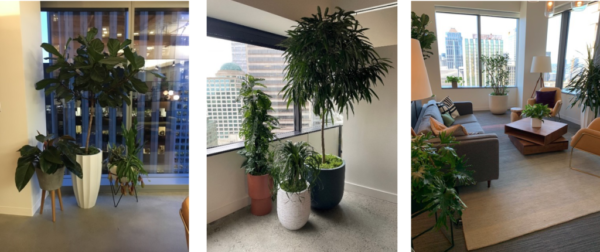
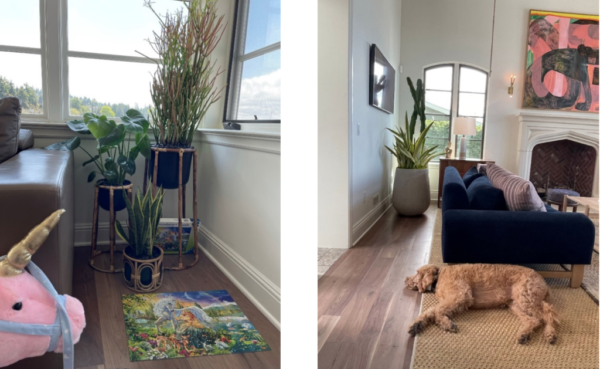
This time of calendar year, when we are indoors additional, missing our gardens and outdoor patio crops, I recommend bringing your concentration inside. Go purchase a couple of new versions and planters that can increase freshness to your residence. Take into consideration finding larger planters so you can mix a few versions with each other. Or perhaps find a corner the place you can combine 2 or 3 complementary planters and vegetation alongside one another to make the out of doors truly feel.

I will display a handful of illustrations of approaches we beautify with plants. Permit your creative imagination stream.

The comment I listen to most from people is that they never have a “green thumb.” I consider we can all have green thumbs, in particular now with new know-how. You can buy small expand lights on-line and set reminders on your cellular phone to water your crops, or you can follow millions of plant bloggers on the internet.

The pandemic made a plant frenzy when we were all isolated indoors at household. We wanted a relationship with other living points. Vegetation are more common now than at any time just before, even in the ‘70s. Oh, and I hope you didn’t toss out individuals macrame planters from the ‘70s, simply because they’re again!

Household plants have been rising in attractiveness for the previous ten years among buyers of all ages. Some individuals purchase household crops not only for aesthetics but also for their air-purifying results or as temper enhancements.

Succulents

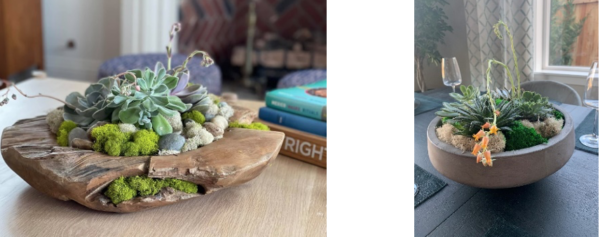
Succulents are constantly well known. Just remember that these will will need to be rotated periodically. Due to the fact our Pacific Northwest temperature is far too cool, darkish and soaked for extensive-time period survival of the terrific succulents we see at yard centers, I counsel working with them as rotating crops in arrangements.

Preserved moss wall

Preserved moss walls are an additional common development, necessitating no servicing but offering biophilic gains.

One particular of the most asked for vegetation is the ficus lyrata or fig tree. This plant is so well-known but can be tricky to preserve alive if not given the proper placement and treatment. Also, getting vegetation from a dependable nursery or grower has a whole lot to do with your success in rising previous with this beautiful specimen. These eco-friendly women like a dazzling window!


Of training course you will inquire, “how a lot drinking water do I give it?” This is a complicated concern for me to reply, for the reason that there are so numerous factors that play a aspect in your plant treatment. It is not just the h2o that keeps them flourishing. What time of yr is it? How hot or chilly is your house? What route is the window facing? My vegetation are only drinking every 7 to 12 times suitable now. In the summertime, I may possibly have to drinking water every 4 to 6 times. I always start with emotion the soil a fantastic way down and then h2o it until it arrives out the base (yes, constantly present proper drainage). That way you know your plant obtained a thorough drink.

A lot more information:

– Fertilizing. This is not the time to be fertilizing our lovelys. They want a tiny split from growth manner. I commonly suggest gentle fertilizing April by October.

– Pruning. Don’t be terrified to prune your vegetation. We all love a haircut from time to time. Most effective time to prune is in the rising year.

– Cleansing. Dust and wipe leaves consistently

– Pest manage: Examine your vegetation routinely for pests and disorders.

– Rotate your vegetation so they are whole all all-around.

Last but not least, it is Okay to include crops to your compost when it’s time. There is a daily life expectancy for all living matters, so do not experience lousy. I normally notify myself that they are likely to plant heaven to make much more plants.

Satisfied Planting!

— By Michelle Ritter

Michelle Ritter owns Seattle Plant Corporation. Her enthusiasm for indoor landscaping will come from 25 decades in the horticulture market, building award-profitable inside plant and living-wall design. She is a business believer in the electrical power of vegetation and how they have an affect on our lives. Her firm is a comprehensive-assistance horticultural source providing interior platescapes, patioscapes, holiday break décor, floral and living partitions. It is federally and point out accredited as a woman-owned organization and is an lively member of Eco-friendly Crops for Green Buildings.

Planting, protecting, harvesting (Gardening for Life)

The next “Gardening for Daily life” column is presented as the next of two sections. Discover the initially part listed here.

Picture owning a beautiful vegetable harvest inside methods of your kitchen area. Escalating your personal food stuff gives you entry to the freshest doable create. Alive with taste and nutrients, it seems and preferences much better than anything you could purchase at the supermarket.

What you are going to be carrying out with your back garden is termed “edible landscaping,” also acknowledged as foodscaping, which emphasizes creative gardening techniques. It is not a new notion, but has been rebranded numerous instances. An edible landscape can include things like edible bouquets, herbs, veggies, fruit trees and berries.

As you transfer from visualization to motion, bear in mind that soil is the basis of your garden. Get good organic and natural soil and comply with instructions to unfold it evenly in your backyard garden beds. To give it that further punch, you can amend it with compost created from your possess garden clippings, leaves and vegetable trimmings you really don’t have to have a environmentally friendly thumb if you have very good-top quality soil! 

The addition of a thick layer of straw as mulch all over emergent vegetables can support control weeds and preserve h2o — just make positive it does not go over your newly planted seeds or seedlings.

In selecting what to increase, consider of your preferred veggies, preserving in thoughts equally their tolerance of the North Jersey weather and their aesthetic benefit. Below is a partial list of crops that are edible, appealing and can thrive in Montclair:

  • • Fruits and berries: Strawberries, raspberries, blueberries, apples, pears, peaches.
  • • Herbs: Rosemary, thyme, mint, sage, oregano, chives, basil, lavender. 
  • • Vegetables: Swiss chard, arugula, kale, collard greens, carrots, peas, bok choy, beans, lettuce (distinct colours and shapes). 

When making your edible back garden, maintain in thoughts the planting cycle: planting, feeding, watering and harvesting. The ideal diet program to feed your backyard garden soil is organic and natural supplies this kind of as standard compost, vermicompost or compost tea.

Sequential planting is the very best approach to make certain you have garden-refreshing generate on your desk each and every week during the year. This suggests planting your seeds or seedlings in sequence from early spring to fall in accordance to the plant’s choice for cooler or warmer temperature. Spend attention to the period of time the plant can take from planting to harvest this can differ from 35 to 75 times. 

Part 1: Developing an edible landscape

Combining distinctive veggies and fruit that improve in the exact time can build a full meal at harvest time. For example, a spring harvest can present you with bok choy, cilantro, sugar snap peas, lettuce and strawberries. 

This blend allows you to cook sautéed bok choy seasoned with contemporary cilantro and a lettuce salad with sugar snap peas, with fresh new strawberries for dessert. If you plant these greens and strawberries now, by the conclusion of Could you could be taking pleasure in this food suggestion. 

Jose German-Gomez claims that with a minor setting up, it is easy to develop your have create correct in your backyard.

Jose German-Gomez suggests that with a little setting up, it’s effortless to mature your individual make right in your yard.

Establish a successful garden

The trick to a productive expanding time is continuity of planting. Do not wait around right up until you have a harvest. Hold planting new generations of veggies. If you want lettuce on your desk just about every 7 days, plant a new batch each individual two weeks. Most importantly, plant in as significantly abundance as your backyard house will allow. When you are rising your personal food items, you are planning your meals a couple of months ahead of time. 

Until mid-Could, focus on cool-temperature crops. Quite a few of these crops, such as lettuce, arugula and radishes, will be prepared for harvest in just a couple of weeks if you get the seeds in now — just be sure to keep them moist until they sprout. For many others, these as kale, broccoli, collards and chard, you can plant the seeds now, but you are going to will need to hold out a tiny extended for the harvest. If you deficiency tolerance, you can leap-start out the process by shopping for seedlings.

By mid-May perhaps, it is time to plant warm-temperature crops, including tomatoes, peppers, eggplant, zucchini and basil. At this level, it is finest to plant these as seedlings. Pole beans and bush beans can be started off from seed as the soil warms. 

Shielding your minor farm

Late spring comes, the veggies are thriving, and abruptly, “Who ate my vegetation?”  

Safeguarding your backyard is just one the very first factors you want to do to prevent this uncomfortable surprise. In our suburban natural environment, we coexist with a large amount of critters that love fresh generate as a lot as we do — deer, rabbits, racoons, squirrels and groundhogs, between others. Maintaining them away from your yard can be tough. Let’s look at some methods to secure your harvest.

Rabbits can be discouraged by a 2-foot fence all over the beds. If your garden is fenced, you can reduce the danger of visits by voracious groundhogs, but be on guard about the perimeter groundhogs are very diligent diggers. 

They could presently be residing in your lawn, and you don’t even know you have a tenant living hire-free of charge. If you do find a telltale gap, an eviction procedure desires to be set in spot. Unpleasant smells — these kinds of as from ammonia or human hair — in the burrow normally suffice to persuade these tenants to seek out lodging elsewhere. Deer can be excluded with a higher fence (8 feet higher).

Groundhogs, deer and other most other issue mammals detest the scent of mint and oregano, so these herbs planted all over your backyard beds can act as repellents even though also flavoring your food. Both equally vegetation are intense spreaders, even so, so it is finest to plant them in pots. 

Some other companion plants, these as marigolds and parsley, can support repel insect pests. 

Almost nothing is additional gratifying than developing your own foodstuff. Pleased expanding season!

Jose German-Gomez is an environmental activist, Essex County qualified grasp gardener and Montclair resident. He is the founder of the Northeast Earth Coalition.

Jose German-Gomez is an environmental activist, Essex County qualified grasp gardener and Montclair resident. He is the founder of the Northeast Earth Coalition.

Cross Creek Nursery and Landscaping planting a new location in Hanover

Chesterfield nursery opening location in Hanover

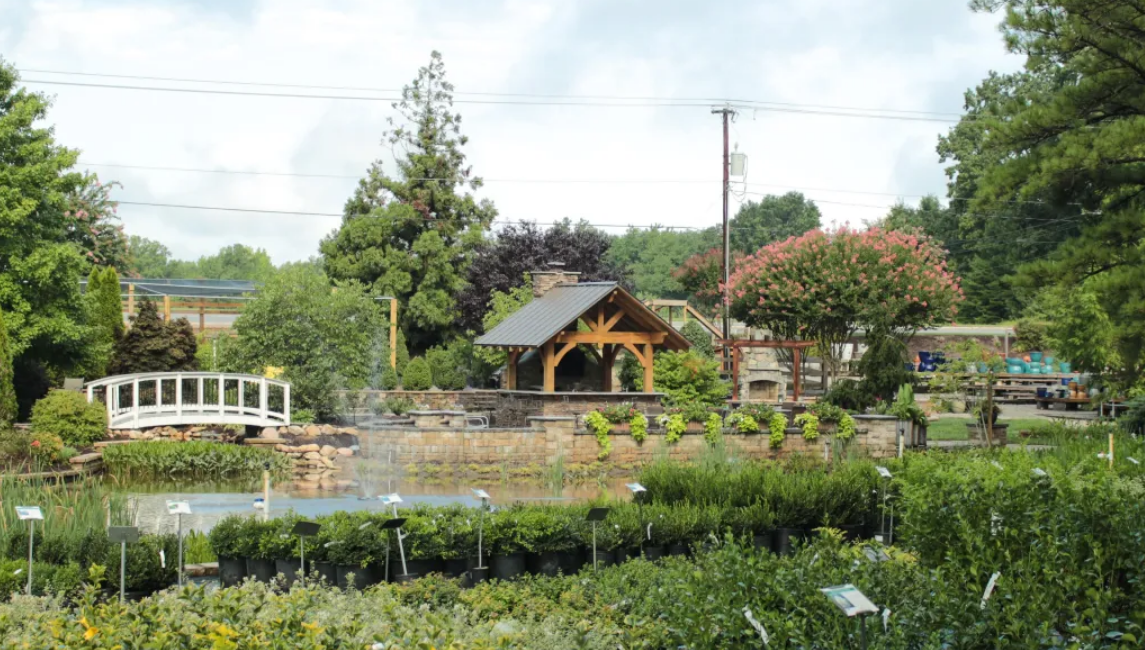
Cross Creek Nursery and Landscaping strategies to open a nursery in Hanover County subsequent year. It currently has a person in Chesterfield County, demonstrated below. (Courtesy of Cross Creek Nursery and Landscaping)

A very long-jogging plant nursery in Chesterfield has sown the seeds for an enlargement north of the river.

Cross Creek Nursery and Landscaping is planning a new nursery and yard middle on a 15-acre web page at 15503 Ashland Highway in Hanover County, in the vicinity of the intersection with Pouncey Tract Street.

The new nursery is anticipated to open by late 2022, Mark McAuliffe of Cross Creek said this week. It will be the company’s second nursery, signing up for its current locale at 501 Courthouse Street in Chesterfield.

“Our home foundation will be listed here in Chesterfield but otherwise there will be the very same companies (at the Hanover nursery),” McAuliffe stated.

Cross Creek gives landscaping and routine maintenance expert services and sells plants and connected goods like mulch and soil.

The firm purchased the two Hanover parcels for its new nursery site for $550,000 from Pouncey Tract Partners in a offer that was recorded with Hanover in January, according to on line house documents. A 1,500-sq.-foot dwelling on the site will be converted into an workplace.

Cross Creek launched in 1974 as a plant keep named Tropical Treehouse in Carytown underneath Gene and Diane McAuliffe, Mark’s mother and father. They keep on to individual the enterprise, even though Mark and his brothers Jason and Andrew oversee working day-to-day operations.

The Chesterfield nursery opened in the 1980s, operating on about 18 acres of a more substantial 26-acre assets.

McAuliffe stated the organization has been contemplating a next place for numerous many years. He said the Hanover web page delivers the company nearer to present shoppers and positions it to faucet into new customers in that portion of town.

“We’ve had a significant degree of expansion below at this area in the past 10 decades to the point it was receiving a small little bit restricted,” he reported, referring to the Chesterfield location. “We experienced been searching for a pair decades. (The Hanover internet site) has dimensions. It is huge adequate to do what we want it to do.”

McAuliffe expects the Hanover nursery to be crafted in phases above many several years. The initially stage would be done future year and will involve the renovated office environment, a greenhouse that would be expanded later on, as very well as out of doors plant areas.

McAuliffe claimed the nursery will open up with about 30 to 40 workforce, about half of whom would be new hires. The enterprise at present has 175 employees distribute throughout the Chesterfield nursery, a farm in Nottoway County and a farm in Hanover.

Community-driven tree planting greens the neighbouring landscape

  • 1.

    Le, Q. B., Nkonya, E. & Mirzabaev, A. Biomass productivity-based mapping of global land degradation hotspots. Econ. Land Degrad. Improve. Glob. Assess. Sustain. Dev. https://doi.org/10.1007/978-3-319-19168-3_4 (2016).

    Article 

    Google Scholar
     

  • 2.

    IPBES. The IPBES assessment report on land degradation and restoration. Secrateriat Intergov. Sci. Platf. Biodivers. Ecosyst. Serv. https://doi.org/10.5281/ZENODO.3237393 (2018).

  • 3.

    Webb, N. P. et al. Land degradation and climate change: Building climate resilience in agriculture. Front. Ecol. Environ. 15, 450–259 (2017).

    Article 

    Google Scholar
     

  • 4.

    Mbow, C., Smith, P., Skole, D., Duguma, L. & Bustamante, M. Achieving mitigation and adaptation to climate change through sustainable agroforestry practices in Africa. Curr. Opin. Environ. Sustain. 6, 8–14 (2014).

    Article 

    Google Scholar
     

  • 5.

    Waswa, B. S. et al. Geoderma Evaluating indicators of land degradation in smallholder farming systems of western Kenya. Geoderma 195–196, 192–200 (2013).

    ADS 
    Article 

    Google Scholar
     

  • 6.

    Lasco, R. D., Delfino, R. J. P., Catacutan, D. C., Simelton, E. S. & Wilson, D. M. Climate risk adaptation by smallholder farmers : The roles of trees and agroforestry. Curr. Opin. Environ. Sustain. 6, 83–88 (2014).

    Article 

    Google Scholar
     

  • 7.

    Thorlakson, T., Neufeldt, H. Reducing subsistence farmers’ vulnerability to climate change: evaluating the potential contributions of agroforestry in western Kenya. Agric & Food Secur. 1, 15 (2012).

    Article 

    Google Scholar
     

  • 8.

    De Giusti, G., Kristjanson, P. & Rufino, M.C. Agroforestry as a climate change mitigation practice in smallholder farming: evidence from Kenya. Climatic Change 153, 379–394 (2019).

    ADS 
    Article 

    Google Scholar
     

  • 9.

    Meijer, S. S., Catacutan, D., Ajayi, O. C. & Sileshi, G. W. The role of knowledge, attitudes and perceptions in the uptake of agricultural and agroforestry innovations among smallholder farmers in sub- Saharan Africa. Int. J. Agric. Sustain. 13, 40–54 (2015).

    Article 

    Google Scholar
     

  • 10.

    Henry, M. et al. Agriculture, ecosystems and environment biodiversity, carbon stocks and sequestration potential in aboveground biomass in smallholder farming systems of western Kenya. Agric. Ecosyt. Environ. 129, 238–252 (2009).

    CAS 
    Article 

    Google Scholar
     

  • 11.

    Jindal, R., Swallow, B. & Kerr, J. Forestry-based carbon sequestration projects in Africa : Potential benefits and challenges. Nat. Resour. Forum 32, 116–130 (2008).

    Article 

    Google Scholar
     

  • 12.

    Estrada, M. & Corbera, E. The potential of carbon offsetting projects in the forestry sector for poverty reduction in developing countries. in Integrating Ecology and Poverty Reduction: The Application of Ecology in Development Solutions (eds. Ingram, J. C., DeClerck, F. & del Rio, C.) 137–147. https://doi.org/10.1007/978-1-4614-0186-5_11 (Springer, 2011).

  • 13.

    Willemen, L. et al. How to halt the global decline of lands. Nat. Sustain. 3, 164–166 (2020).

    Article 

    Google Scholar
     

  • 14.

    Reed, M. S. Participatory technology development for agroforestry extension: An innovation-decision approach. Afr. J. Agric. Res. 2, 334–341 (2007).


    Google Scholar
     

  • 15.

    Shames, S., Wollenberg, E., Buck, L. E., Kristjanson, P. & Masiga, M. Institutional Innovations in African Smallholder Carbon Projects. CCAFS Report No. 8 Copenhagen, Denmark: CCAFS (2012).

  • 16.

    TIST. TIST Program Summary: Kenya. http://www.tist.org/tist/docs/USAID-Documents/TIST{6d6906d986cb38e604952ede6d65f3d49470e23f1a526661621333fa74363c48}20Program{6d6906d986cb38e604952ede6d65f3d49470e23f1a526661621333fa74363c48}20Summary{6d6906d986cb38e604952ede6d65f3d49470e23f1a526661621333fa74363c48}20KE{6d6906d986cb38e604952ede6d65f3d49470e23f1a526661621333fa74363c48}20200101.pdf (2021).

  • 17.

    I4EI. USAID Kenya TIST Program Final Performance Report. http://www.tist.org/tist/docs/USAID-Documents/I4EI{6d6906d986cb38e604952ede6d65f3d49470e23f1a526661621333fa74363c48}20USAID{6d6906d986cb38e604952ede6d65f3d49470e23f1a526661621333fa74363c48}20KE{6d6906d986cb38e604952ede6d65f3d49470e23f1a526661621333fa74363c48}20140616{6d6906d986cb38e604952ede6d65f3d49470e23f1a526661621333fa74363c48}20Final{6d6906d986cb38e604952ede6d65f3d49470e23f1a526661621333fa74363c48}20Report{6d6906d986cb38e604952ede6d65f3d49470e23f1a526661621333fa74363c48}20140619.pdf (2014).

  • 18.

    Oppenheimer, S. Impact Evaluation of the TIST Program in Kenya. 1–38. http://www.tist.org/tist/docs/PDD-Documents/TIST{6d6906d986cb38e604952ede6d65f3d49470e23f1a526661621333fa74363c48}20KE{6d6906d986cb38e604952ede6d65f3d49470e23f1a526661621333fa74363c48}20PD-VCS-Ex23{6d6906d986cb38e604952ede6d65f3d49470e23f1a526661621333fa74363c48}20GL2{6d6906d986cb38e604952ede6d65f3d49470e23f1a526661621333fa74363c48}20Community{6d6906d986cb38e604952ede6d65f3d49470e23f1a526661621333fa74363c48}20Survey{6d6906d986cb38e604952ede6d65f3d49470e23f1a526661621333fa74363c48}20Result.pdf (2011).

  • 19.

    CAAC. Monitoring Report For TIST Program in Kenya. VCS-009, Verification 03. http://www.tist.org/tist/docs/PDD-Documents/TIST{6d6906d986cb38e604952ede6d65f3d49470e23f1a526661621333fa74363c48}20KE{6d6906d986cb38e604952ede6d65f3d49470e23f1a526661621333fa74363c48}20PD-VCS-009n{6d6906d986cb38e604952ede6d65f3d49470e23f1a526661621333fa74363c48}20App13{6d6906d986cb38e604952ede6d65f3d49470e23f1a526661621333fa74363c48}20Verif{6d6906d986cb38e604952ede6d65f3d49470e23f1a526661621333fa74363c48}2003{6d6906d986cb38e604952ede6d65f3d49470e23f1a526661621333fa74363c48}20Monitoring{6d6906d986cb38e604952ede6d65f3d49470e23f1a526661621333fa74363c48}20Rpt{6d6906d986cb38e604952ede6d65f3d49470e23f1a526661621333fa74363c48}20200522-2.pdf (2020).

  • 20.

    Jose, S. Agroforestry for ecosystem services and environmental benefits: an overview. Agrofor. Syst. 76, 1–10 (2009).

    Article 

    Google Scholar
     

  • 21.

    Mafongoya, P. et al. Maize productivity and pro fi tability in Conservation Agriculture systems across agro-ecological regions in Zimbabwe : A review of knowledge and practice. Agric. Ecosyst. Environ. 220, 211–225 (2016).

    Article 

    Google Scholar
     

  • 22.

    Wang, J. et al. Relations between NDVI and tree productivity in the central Great Plains. Int. J. Remote Sens. 25, 3127–3138 (2004).

    ADS 
    Article 

    Google Scholar
     

  • 23.

    Gichenje, H. & Godinho, S. Establishing a land degradation neutrality national baseline through trend analysis of GIMMS NDVI time-series. Land Degrad. Dev. 29, 2985–2997 (2018).

    Article 

    Google Scholar
     

  • 24.

    Fensholt, R. & Proud, S. R. Evaluation of earth observation based global long term vegetation trends—Comparing GIMMS and MODIS global NDVI time series. Remote Sens. Environ. 119, 131–147 (2012).

    ADS 
    Article 

    Google Scholar
     

  • 25.

    Borish, D., King, N. & Dewey, C. Enhanced community capital from primary school feeding and agroforestry program in Kenya. Int. J. Educ. Dev. 52, 10–18 (2017).

    Article 

    Google Scholar
     

  • 26.

    De Jong, B. H. J., Bazán, E. E. & Montalvo, S. Application of the “Climafor” baseline to determine leakage : The case of Scolel Te. Mitig. Adapt. Strateg. Glob. Chang. 12, 1153–1168 (2007).

    Article 

    Google Scholar
     

  • 27.

    Ilstedt, U. et al. Intermediate tree cover can maximize groundwater recharge in the seasonally dry tropics. Sci. Rep. 6, 1–12 (2016).

    Article 

    Google Scholar
     

  • 28.

    Ndayambaje, J. D. & Mohren, G. M. J. Fuelwood demand and supply in Rwanda and the role of agroforestry. Agrofor. Syst. 83, 303–320 (2011).

    Article 

    Google Scholar
     

  • 29.

    Iiyama, M. et al. The potential of agroforestry in the provision of sustainable woodfuel in sub-Saharan Africa. Curr. Opin. Environ. Sustain. 6, 138–147 (2014).

    Article 

    Google Scholar
     

  • 30.

    TIST. The Tree: TIST Uganda December 2011 Newsletter. (2011). https://program.tist.org/uganda-newsletters. Accessed 5 Feb 2021.

  • 31.

    TIST. Mazingira Bora: TIST Kenya January 2012 Newsletter. (2012). https://program.tist.org/kenya-newsletters. Accessed 5 Feb 2021.

  • 32.

    Zhang, Y. et al. Multiple afforestation programs accelerate the greenness in the ‘Three North’ region of China from 1982 to 2013. Ecol. Indic. 61, 404–412 (2016).

    Article 

    Google Scholar
     

  • 33.

    Holl, B. N. & Brancalion, P. H. Tree planting is not a simple solution. Science (80) 368, 580–582 (2020).

    ADS 
    CAS 
    Article 

    Google Scholar
     

  • 34.

    Lenton, T. M. Tipping positive change. Philos. Trans. R. Soc. B Biol. Sci. 375, 1–2 (2020).

    Article 

    Google Scholar
     

  • 35.

    Eckert, S., Kiteme, B., Njuguna, E. & Zaehringer, J. G. Agricultural expansion and intensification in the foothills of Mount Kenya : A landscape perspective. Remote Sens. 9, 784 (2017).

    ADS 
    Article 

    Google Scholar
     

  • 36.

    Schmocker, J., Liniger, H. P., Ngeru, J. N., Brugnara, Y. & Auchmann, R. Trends in mean and extreme precipitation in the Mount Kenya region from observations and reanalyses. Int. J. Climatol. 1514, 1500–1514 (2016).

    Article 

    Google Scholar
     

  • 37.

    FAO. Africover Multipurpose Land Cover Database for Kenya. (2000). https://datasets.wri.org/dataset/agricultural-areas-in-kenya. Accessed 4 June 2020.

  • 38.

    Williams, D. L., Goward, S. & Arvidson, T. Landsat: Yesterday, today, and tomorrow. Photogramm. Eng. Remote Sens. 72, 1171–1178 (2006).

    Article 

    Google Scholar
     

  • 39.

    Holben, B. N. Characteristics of maximum-value composite images from temporal AVHRR data. Int. J. Remote Sens. 7, 1417–1434 (1986).

    ADS 
    Article 

    Google Scholar
     

  • 40.

    Gorelick, N. et al. Remote sensing of environment google earth engine: Planetary-scale geospatial analysis for everyone. Remote Sens. Environ. 202, 18–27 (2017).

    ADS 
    Article 

    Google Scholar
     

  • 41.

    QGIS.org. QGIS Geographic Information System. QGIS Association. Version 3.8.2. http://www.qgis.org (2021).

  • 42.

    R Core Team. A Language and Environment for Statistical Computing. R Foundation for Statistical Computing. Version 3.6.3. https://www.R-project.org (2021).