
Pool Maintenance Problems That Turn Clear Water Cloudy

pool maintenance service bradenton

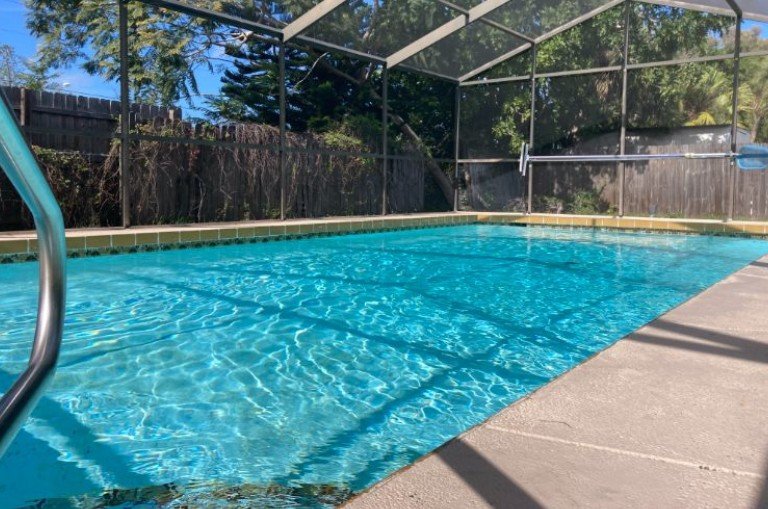
Cloudy pool water rarely appears without warning. In most cases, the water looked fine just days earlier, then slowly lost clarity until the bottom became hard to see. This change is frustrating because it often feels sudden, but the cause is usually a maintenance issue that has been building quietly over time.

Many pool owners begin searching for pool maintenance service bradenton after clear water repeatedly turns dull or hazy despite added chemicals and extra cleaning. This is usually the point at which it becomes clear that the issue is not a single mistake but a pattern of overlooked maintenance problems. Cloudy water is often the first visible sign that the pool system is no longer working as a balanced whole.

Clear water depends on chemistry, circulation, filtration, and consistent upkeep working together. When one part slips, clarity is often the first thing to suffer.

Inconsistent Water Chemistry

Water chemistry is one of the most common causes of cloudy pools, and proper pool maintenance plays a major role in keeping it balanced. Even small imbalances in pH, alkalinity, or sanitizer levels can reduce water clarity and signal gaps in routine pool maintenance. When chlorine becomes less effective due to an improper pH, contaminants remain suspended rather than being neutralized. The pool may still look blue, but it slowly loses its crisp appearance. Regular testing and gradual adjustments are core to effective pool maintenance and help prevent cloudiness from developing.

Poor Filtration and Dirty Filters

Filters remove the tiny particles that cloud pool water, making filtration a critical component of pool maintenance. When filters become clogged or overdue for cleaning, they stop trapping debris effectively. Instead of clearing the water, the system recirculates particles repeatedly. Over time, this buildup gives the water a dull or milky look. Routine filter cleaning or replacement is essential, especially during periods of heavy pool use, and should never be skipped in consistent pool maintenance.

Insufficient Circulation

Clear water requires consistent circulation, another key element of reliable pool maintenance. When circulation is weak, debris and fine particles settle instead of reaching the filter. Dead zones often form in corners, steps, and along the pool floor, creating ideal conditions for cloudiness and algae. Circulation issues are often caused by dirty pump baskets, clogged skimmers, partially closed valves, or improper run times, all of which point back to neglected pool maintenance.

Overusing Chemicals to Fix the Problem

Adding more chemicals does not always improve water clarity and can even complicate pool maintenance. Many pool owners respond to cloudiness by shocking repeatedly or adding clarifiers too often. Overuse can push water chemistry further out of balance, worsening cloudiness instead of fixing it. Correcting the underlying imbalance through proper testing and consistent pool maintenance works far better than adding more products.

Skipping Brushing and Vacuuming

Not all debris floats.

Fine dirt, pollen, algae spores, and dust settle on pool surfaces. Without regular brushing and vacuuming, these particles accumulate and, when disturbed, can cloud the water.

Physical cleaning supports filtration and chemical balance. One cannot replace the other.

Ignoring Early Algae Growth

Algae does not always start green.

Early algae growth often shows up as hazy or dull water before color becomes obvious. During this stage, chlorine demand increases and clarity drops. If ignored, algae spreads quickly and becomes harder to remove.

Early treatment prevents cloudy water from turning into a full bloom.

Poor Pump Run Timing

Pump run timing plays a major role in how well a pool stays clear. Filtration only works when water is moving through the system long enough for debris, oils, and fine particles to be captured. When the pump runs for too short a time, contaminants remain suspended in the water rather than being removed, leading to dull or cloudy water.

Running the pump at the wrong times can be just as problematic. Short, inconsistent cycles do not allow the filter to complete a full turnover of the pool water. Debris gets stirred up without being fully filtered, which is why pools often look hazy even when chemical levels test within normal ranges. Inconsistent schedules also prevent circulation from reaching areas like steps, corners, and the pool floor, where particles tend to settle.

A steady, well-planned run schedule allows the filtration system to work efficiently without overworking the equipment. Proper timing balances energy use, circulation, and filtration, keeping water clear while reducing strain on the pump and extending equipment lifespan.

Relying on Appearance Instead of Testing

Clear water can still be chemically unbalanced.

Many maintenance problems develop long before the water looks cloudy. By the time clarity drops, the issue has often existed for days or weeks. Testing regularly prevents surprises and keeps water predictable.

Why Cloudy Water Keeps Returning

Cloudy water often returns because the real cause was never fixed.

Temporary improvements fade when filtration, circulation, or chemistry habits remain unchanged. Clear water comes from consistency, not reaction.

How to Keep Pool Water Clear Long Term

Long-term clarity depends on balanced care.

  • Maintain stable water chemistry

  • Clean filters on a routine schedule

  • Ensure proper circulation and run times

  • Brush and vacuum consistently

  • Address warning signs early

When these steps work together, cloudy water becomes rare instead of routine.

Conclusion

Cloudy pool water is almost always the result of maintenance problems, not mystery contamination. Inconsistent chemistry, poor filtration, weak circulation, and skipped cleaning tasks quietly undermine clarity over time.

When pool owners want reliable results and fewer repeat issues, Bradenton Pool Service Pros provide professional pool maintenance focused on prevention, balance, and long-term water clarity. Their experience helps keep pools clear, healthy, and ready to enjoy throughout the season.

Exterior Waterproofing: When It Is the Right Solution and When It Is Not

exterior waterproofing cleveland

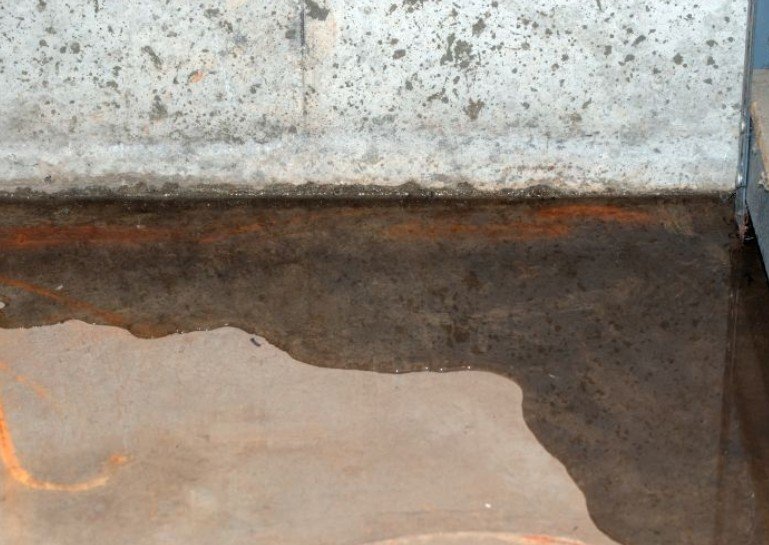
Basement water problems often prompt homeowners to prioritize quick interior fixes first. Sealants, coatings, and drainage systems can help manage moisture once it enters, but they do not always address the root cause. When water pressure builds outside the foundation, the most effective solution often starts on the exterior.

Many homeowners begin researching exterior waterproofing cleveland after repeated leaks make it clear that interior solutions alone are not stopping water intrusion. This is usually the point where water is no longer an occasional nuisance but an ongoing threat to basement walls, stored belongings, and long-term structural stability. Exterior waterproofing focuses on preventing water from ever reaching the foundation, which is why it plays a critical role in certain situations.

Understanding what exterior waterproofing actually does helps homeowners decide whether it is the right investment or if another approach would work better.

Why Water Pressure Outside the Foundation Matters

Water does not damage basements simply by existing. It causes problems when pressure builds.

As soil around a foundation becomes saturated, hydrostatic pressure increases. That pressure pushes water toward the basement walls and floor joints. Concrete and masonry are porous materials, so moisture eventually finds a way through cracks, seams, and microscopic openings.

Interior systems manage water after it enters. Exterior waterproofing prevents that pressure from ever reaching the wall.

What Exterior Waterproofing Actually Solves

Exterior waterproofing addresses water at its source.

Stops water before it reaches the foundation

Waterproof membranes and exterior drainage systems block moisture from contacting the basement walls. This prevents seepage rather than reacting to it.

Reduces long-term hydrostatic pressure

By redirecting groundwater away from the structure, exterior waterproofing reduces the long-term stress on foundation walls.

Protects structural materials

Consistent moisture exposure weakens concrete, mortar, and reinforcement materials. Exterior waterproofing helps preserve the foundation itself.

Supports interior dryness without reliance on pumps

In many cases, exterior systems reduce the need for constant interior water management.

When Exterior Waterproofing Is the Best Option

Exterior waterproofing is not required for every basement, but it excels in specific situations.

Chronic exterior water exposure

Homes with poor soil drainage or frequent groundwater saturation benefit from stopping water at the source.

Leaking foundation walls

When water consistently enters through wall cracks or porous masonry, exterior waterproofing provides a direct solution.

Older foundations with porous materials

Older concrete and block foundations often absorb water more easily, making exterior protection especially valuable.

Major basement renovations planned

Installing exterior waterproofing before finishing a basement prevents future tear-outs and water damage.

When Exterior Waterproofing May Not Be Necessary

In some cases, other solutions may be more practical.

Isolated interior seepage

Minor water entry caused by condensation or limited infiltration may be managed with interior drainage or moisture control.

Surface water issues only

Problems caused by gutter failures or grading issues should be corrected first before considering exterior excavation.

Access limitations

Some properties cannot support excavation due to property lines, structures, or utilities.

How Exterior Waterproofing Systems Are Installed

Exterior waterproofing is a multi-step process.

Excavation

Soil is removed around the foundation to expose the basement walls.

Wall preparation

Cracks are repaired, and surfaces are cleaned to allow proper membrane adhesion.

Waterproof membrane application

A waterproof barrier is applied to block moisture penetration.

Exterior drainage installation

Drainage systems redirect groundwater away from the foundation base.

Backfill and grading correction

Soil is replaced and graded to encourage proper runoff.

Cost Factors to Consider

Exterior waterproofing costs depend on several real-world conditions.

Depth and length of excavation

Deeper foundations and larger perimeters require more labor.

Soil conditions

Clay-heavy or compacted soils increase excavation difficulty.

Existing damage

Foundation repairs may be needed before waterproofing begins.

Drainage integration

Some systems require additional drainage components for full protection.

Interior vs Exterior Waterproofing

Both approaches serve different purposes.

Interior waterproofing manages water after entry. Exterior waterproofing prevents entry altogether. In some homes, combining both creates the most reliable protection.

Choosing the right approach depends on the water source, foundation type, and long-term goals.

Why Professional Evaluation Matters

Exterior waterproofing is not a guesswork project.

Accurate diagnosis prevents unnecessary excavation

Not all water problems originate outside the foundation.

Proper system design ensures performance

Membrane type, drainage placement, and soil handling matter.

Documentation supports resale confidence

Professional installation records reduce inspection concerns.

For general guidance on groundwater management and foundation protection, homeowners can reference resources from the US Environmental Protection Agency at epa.gov.

Conclusion

Exterior waterproofing is one of the most effective ways to stop basement water problems when groundwater pressure is the primary cause. It prevents moisture from reaching foundation walls, reduces long-term stress, and protects the structure itself. However, it is not required in every situation, and proper diagnosis is essential.

When exterior waterproofing is the right solution, Expert Basement Waterproofing Cleveland provides professional evaluations and proven systems designed to stop water at the source. Their experience helps homeowners choose solutions that deliver lasting protection instead of temporary relief.

Siding Installation Pricing: What Drives Cost Up or Down

Siding Installation Pricing - What Drives Cost Up or Down

Siding does far more than improve curb appeal. It protects the structure, supports insulation, and shields the home from weather year after year. When homeowners begin planning a project, pricing becomes the biggest question. The challenge is that siding installation costs are not fixed. They shift based on materials, labor, timing, and the condition of the home itself.

Understanding what drives siding installation pricing helps homeowners make smarter decisions instead of reacting to estimates that feel unpredictable. One of the earliest pricing influences is siding installation rhode island, where labor demand, seasonal scheduling, and local building standards directly affect overall project scope and cost expectations.

Material Choice Shapes the Budget First

Material selection carries the greatest influence on siding installation pricing. Vinyl siding usually sits at the lower end of the cost range, while fiber cement, engineered wood, and natural wood increase pricing due to their weight, handling, and installation precision requirements.

Premium materials often require additional trim work, specialized fasteners, and tighter installation tolerances. While higher-quality siding delivers a longer service life and an improved appearance, it also increases labor time and material costs.

Home Size and Design Complexity

Square footage sets the baseline, but architectural design determines how labor-intensive the project becomes. A simple single-level home installs faster than a multi-story structure with angles, dormers, and decorative features.

Every corner, window opening, and height change adds cutting, fitting, and fastening time. Taller homes may also require scaffolding or lift equipment, which increases setup and labor costs.

Existing Siding Removal Requirements

Removing old siding adds another layer of cost. Labor hours increase, disposal fees apply, and additional preparation is required before new materials can be installed properly.

Homes with multiple siding layers or older materials demand careful removal to avoid damage to the underlying structure. Proper siding installation depends on a clean, stable surface, making removal an important pricing factor.

Repairs Discovered Beneath the Surface

Once old siding is removed, the true condition of the exterior walls becomes visible, and this is where many projects change scope. Moisture intrusion may have weakened sheathing, flashing failures may have allowed water to travel behind walls, or insects may have damaged wood components over time. These issues often remain hidden for years because siding masks early warning signs.

Addressing these problems before new siding is installed is not optional. Rotted sections must be replaced, compromised framing must be reinforced, and moisture pathways must be corrected to restore structural stability. While these repairs increase upfront siding installation costs, they prevent far more expensive damage later. Ignoring underlying issues traps problems behind new materials, leading to premature failure, uneven panels, and reduced lifespan across the entire siding system.

Labor Experience and Installation Quality

Installer skill plays a major role in pricing. Experienced crews follow manufacturer guidelines, proper flashing methods, and correct fastening patterns. That expertise costs more, but it prevents future issues.

Lower labor bids often involve shortcuts. Improper spacing, weak fastening, and poor sealing lead to visible defects and moisture intrusion over time. Quality siding installation pricing reflects craftsmanship, not speed alone.

Seasonal Timing and Demand

The time of year affects both availability and pricing. Busy seasons bring higher demand and tighter schedules. Off-peak periods often provide more flexibility for homeowners planning projects.

Weather conditions also influence installation pace. Extreme temperatures or wet conditions slow progress and affect material handling. Flexible scheduling can help balance timing and budget.

Permits and Local Code Requirements

Permitting requirements vary by location and can influence pricing. Some projects require inspections, documentation, or specific materials that meet local building codes.

Understanding these requirements in advance prevents delays and unexpected adjustments. Local building departments and housing authorities provide guidance that installers must follow.

Insulation and Energy Efficiency Upgrades

Some siding projects include insulation enhancements or weather barrier upgrades. Foam backing, upgraded house wrap, or moisture control layers add cost but improve long-term energy performance.

These additions may reduce heating and cooling strain over time. While they increase the initial cost of siding installation, they add comfort and efficiency benefits that last.

Estimating Siding Installation Costs Accurately

Accurate estimates come from detailed evaluations, not rough averages. Measurements, material selection, removal needs, and potential repairs all affect the final price.

Written estimates that clearly outline scope, materials, and labor help homeowners compare proposals fairly. The goal is clarity, not guesswork.

Why the Lowest Price Often Costs More Later

Choosing the cheapest bid often leads to problems. Poor installation creates gaps, water intrusion, and early wear that require correction later.

Siding functions as a system. Materials, flashing, fasteners, and alignment must work together. Cutting corners during installation usually leads to higher costs down the road.

Conclusion

Siding installation pricing rises or falls based on materials, labor experience, home design, and preparation requirements. Understanding these drivers gives homeowners control over the process and confidence in their investment.

For homeowners seeking dependable workmanship and long-term value, Rhode Island Siding & Exteriors provides professional siding installation services that prioritize durability, clean finishes, and adherence to installation standards. Their approach helps homeowners avoid surprises and invest with confidence.

How Waterproofing Companies Permanently Waterproof a Basement

How Waterproofing Companies Permanently Waterproof a Basement

Water in the basement is one of the most frustrating problems homeowners face. Damp walls, pooling water, musty odors, and recurring leaks can make a lower level feel unusable and raise concerns about long-term structural damage. Many homeowners attempt temporary fixes, only to see the problem return after the next heavy rain. Permanent basement waterproofing requires more than surface treatments. It demands a deeper understanding of how water moves around and beneath a home.

Professional waterproofing companies focus on identifying the source of moisture, not just the visible symptoms. Every basement leaks for a reason, whether it is hydrostatic pressure, foundation cracks, poor drainage, or soil saturation. Long-term solutions begin with accurate diagnosis rather than one-size-fits-all products.

Homeowners who consult experienced waterproofing companies chicago gain clarity on why water is entering their basement and what methods will actually stop it. Proper evaluation ensures the solution addresses the root cause rather than masking the problem temporarily.

Understanding Why Basements Leak

Basements are surrounded by soil that absorbs water from rain and melting snow. When the ground becomes saturated, pressure builds against foundation walls and floors. This pressure forces water toward any available opening, including cracks, porous concrete, or joint seams.

Water intrusion is often caused by:

  • Poor exterior drainage
  • Cracks in foundation walls or floors
  • Weak points where walls meet the footing
  • Aging waterproofing materials
  • High groundwater levels

Waterproofing companies start by identifying which of these factors are present before recommending any repair.

Why Surface Sealers Are Not Permanent Solutions

Many homeowners attempt to solve water problems with interior wall coatings or sealers. While these products may temporarily reduce visible moisture, they do not stop water pressure from acting on the foundation.

Surface treatments often fail because:

  • They do not relieve hydrostatic pressure
  • Water continues to build behind the wall
  • Cracks expand over time
  • Moisture finds new entry points

Permanent waterproofing requires managing water movement, not simply covering damp areas.

Interior Drainage Systems and Their Role

One of the most reliable long-term solutions is an interior drainage system. These systems collect water that enters through the foundation and direct it safely to a sump pump for removal.

Interior drainage works by:

  • Relieving pressure at the wall footing
  • Redirecting water away from finished areas
  • Preventing floor seepage
  • Reducing long-term moisture buildup

Waterproofing companies often recommend this approach when water pressure cannot be controlled entirely from the outside.

Exterior Waterproofing for Full Protection

In some cases, exterior waterproofing provides the most comprehensive solution. This method involves excavating around the foundation to apply waterproof membranes and improve drainage.

Exterior waterproofing addresses:

  • Cracks and porous foundation walls
  • Direct water contact with the structure
  • Soil conditions that trap moisture
  • Long-term exposure to groundwater

While more involved, this method prevents water from reaching the foundation, which is why waterproofing companies recommend it for severe or persistent issues.

Crack Repair as Part of a Permanent System

Foundation cracks are common entry points for water. Permanent waterproofing involves sealing these cracks with specialized materials that flex with the foundation.

Effective crack repair:

  • Stops direct water intrusion
  • Prevents crack expansion
  • Restores structural continuity

Crack repair alone is rarely enough, but it is a critical component of a complete waterproofing system.

Why Proper Drainage Matters

No waterproofing system succeeds without proper drainage. Downspouts, grading, and soil composition all affect how water moves around a home.

Permanent solutions often include:

  • Extending downspouts away from the foundation
  • Improving soil slope
  • Managing surface runoff
  • Reducing water accumulation near walls

Waterproofing companies consider drainage improvements essential for long-term success.

How Long Does Permanent Waterproofing Last?

When installed correctly, professional waterproofing systems are designed to last for decades. Interior drainage systems, exterior membranes, and sump systems are engineered for long-term performance.

Longevity depends on:

  • Installation quality
  • Materials used
  • Ongoing maintenance

Temporary fixes rarely last, but properly installed systems provide lasting protection.

Common Waterproofing Mistakes Homeowners Make

Many basement water problems persist because homeowners rely on incomplete solutions. Common mistakes include:

  • Using wall sealers alone
  • Ignoring exterior drainage
  • Skipping professional inspection
  • Treating symptoms instead of causes

Permanent waterproofing requires a system-based approach rather than isolated fixes.

Choosing the Right Approach for Your Basement

No two basements are identical. Soil conditions, foundation type, and water behavior all influence the best solution. This is why professional evaluation matters.

Waterproofing companies design solutions based on how water behaves around a specific home, not on generic recommendations.

Conclusion

Permanent basement waterproofing is not about quick fixes or surface treatments. It is about controlling water movement, relieving pressure, and protecting the foundation over the long term. When the correct methods are applied, basements stay dry, usable, and structurally sound for years to come.

For homeowners seeking dependable solutions and long-term protection, Chicago Foundation Repair Experts works with experienced waterproofing companies to deliver systems designed to stop water intrusion at its source and restore confidence in the home’s foundation.

HVAC Contractors Costs: What Homeowners Should Expect to Pay

HVAC Contractors Costs - What Homeowners Should Expect to Pay

Hiring help for heating and cooling work can feel confusing for homeowners. Estimates often vary, explanations may feel vague, and it is not always obvious why one quote is higher than another. Without understanding what goes into pricing, it is easy to assume costs are inflated or inconsistent. In reality, HVAC pricing is structured around skill, time, risk, and long-term system performance rather than guesswork. This is why HVAC contractors rarely offer one-size-fits-all pricing for homes.

Homeowners who work with established hvac contractors rhode island often find that clearer communication and detailed explanations make pricing easier to understand. Knowing how HVAC contractors calculate costs helps homeowners compare estimates logically rather than just reacting to the final number.

Why Pricing Looks Different from One Home to Another

Two homes with the same square footage can require very different HVAC solutions. Factors like insulation quality, ceiling height, duct layout, system age, and sun exposure all influence workload and complexity. Experienced HVAC contractors evaluate these conditions before quoting a project, as overlooking them often leads to performance problems later.

Additional cost factors include permit requirements, local building codes, and accessibility. A system installed in a tight attic or crawl space takes longer to service than one in an open mechanical room. Seasonal demand also plays a role, as peak summer and winter months reduce scheduling flexibility and increase urgency.

Labor Is the Largest Cost Driver

Labor typically accounts for the largest portion of HVAC costs. This is because heating and cooling work requires licensed training, hands-on experience, and strict safety compliance. Diagnosing airflow problems, electrical issues, or refrigerant behavior is not trial-and-error work.

Qualified HVAC contractors spend time testing system performance, verifying proper operation, and confirming compliance with safety standards. Labor pricing reflects not just time on site, but expertise, insurance coverage, and accountability. Paying for skilled labor reduces the risk of misdiagnosis and repeat repairs.

Repairs and Installations Are Priced Very Differently

Repair pricing is usually based on diagnostics, labor, and parts. Installations are more complex and involve multiple stages. Removing old equipment, setting new systems, connecting electrical and refrigerant lines, adjusting airflow, and testing performance all take time.

When HVAC contractors quote an installation, they are pricing the entire process, not just the equipment. Lower estimates sometimes skip essential steps such as load calculations or airflow testing. These shortcuts often result in uneven temperatures, higher energy bills, and premature system wear.

Seasonal Demand and Emergency Service Costs

HVAC work becomes more expensive during extreme weather. When temperatures spike or drop suddenly, demand rises, and schedules fill quickly. Emergency calls outside normal business hours also increase labor costs due to urgency and availability.

Homeowners who plan system upgrades or maintenance before peak seasons often receive more flexible scheduling and steadier pricing. During slower months, hvac contractors have more time to focus on precision rather than speed, which benefits long-term system performance.

Equipment Choice and Its Impact on Pricing

System selection plays a major role in overall cost. Higher-efficiency equipment typically costs more upfront but can reduce long-term operating expenses. Advanced features such as variable-speed motors or smart controls also influence pricing.

Reliable hvac contractors help homeowners weigh upfront cost against long-term value. Choosing the cheapest system may save money initially, but it often leads to higher energy use and more frequent repairs over time.

When Paying More Makes Sense

Paying more upfront is often justified when the work directly affects system efficiency, comfort, or lifespan. New installations, airflow corrections, and efficiency upgrades require careful sizing and precise installation. Cutting costs in these areas often leads to persistent comfort issues.

A properly installed system

  • Operates more efficiently
  • Maintains consistent temperatures
  • Experiences less mechanical stress

Homeowners who invest in quality workmanship from trusted hvac contractors often experience fewer breakdowns and lower lifetime operating costs.

Maintenance and Long-Term Cost Control

Routine maintenance spreads HVAC costs over time and helps prevent unexpected failures. Inspections allow small issues to be addressed before they cause system shutdowns or major damage.

Regular service improves efficiency, extends system life, and reduces the need for emergency repairs. Homeowners who maintain consistent service schedules often spend less over the life of their system than those who wait for failures to occur.

How to Compare Quotes the Right Way

Comparing HVAC quotes involves more than checking the final number. Homeowners should review what each estimate includes and how clearly the work is explained.

Important details to compare include:

  • Scope of work
  • Equipment specifications
  • Warranty coverage
  • Permit inclusion
  • Post-installation support

Clear documentation and transparent explanations often signal professionalism and long-term accountability.

Conclusion

HVAC costs go beyond parts and labor. They represent technical expertise, safety standards, and long-term system reliability. While prices vary by timing and complexity, understanding how those costs are structured helps homeowners make informed decisions rather than rushed ones.

For homeowners seeking dependable service, transparent pricing, and long-term comfort solutions, Rhode Island HVAC Services delivers professional HVAC care backed by experience, accuracy, and a commitment to doing the job right the first time.

Window Replacement Trends: Which Styles Are Most Popular Right Now?

Window Replacement Trends - Which Styles Are Most Popular Right Now

Windows shape the way a home feels, looks, and functions. They bring in light, frame your view, and influence everything from comfort to efficiency. With so many modern designs available, homeowners are paying closer attention to how the right windows can update their homes in a meaningful way.

If you are planning a window replacement in Houston, knowing today’s most popular styles helps you choose options that improve both comfort and curb appeal. Modern windows offer better energy performance, cleaner lines, and improved durability, making them an attractive upgrade for any home. Understanding these trends makes it easier to select styles that fit your architecture and long-term goals.

This guide highlights the window designs homeowners love most right now and explains why they’re trending. With the right choices, your window replacement project can instantly refresh your home and boost everyday comfort.

Black-Framed Windows Stay in Style

Black window frames remain one of the most prominent trends. Their bold appearance adds a modern touch and offers a striking contrast against lighter walls or exterior siding. They work well with a variety of architectural styles, including contemporary, industrial, and farmhouse designs.

The sleek lines of black frames help define a space without overwhelming it. Indoors, they act like natural picture frames around your view. Outdoors, they add eye-catching character without needing extra details or trim.

Large Picture Windows for More Light

Homeowners who want more natural light are upgrading to large picture windows. These windows offer wide, unobstructed views and make rooms feel more open and inviting. With slimmer frame designs becoming popular, picture windows bring in more daylight while maintaining a clean, modern look.

Since they don’t open, picture windows are also naturally energy efficient. They work especially well in living rooms, dining rooms, and any space where you want to highlight the outdoors.

Energy-Efficient Windows Lead the Way

Rising energy costs have made efficiency one of the biggest reasons homeowners choose new windows. Double-pane and triple-pane designs reduce heat transfer, helping keep homes cooler in summer and warmer in winter. Low-E glass, which reflects heat without blocking natural light, is becoming a must-have option in hot climates.

Energy-efficient windows are a smart choice for window replacement because they enhance comfort, reduce fading on furniture, and lower energy bills. They offer long-term savings that make the initial investment worthwhile.

Sliding Windows Grow in Popularity

Sliding or gliding windows are trending because they are practical, easy to operate, and ideal for tight spaces. They slide open horizontally, requiring no extra room to swing out, which makes them perfect for kitchens, hallways, and bathrooms.

These windows offer wide views and strong airflow. They also have fewer moving parts than many other styles, which means less maintenance and fewer repairs over time.

Casement Windows Offer Ventilation and Style

Casement windows continue to rise in popularity for their combination of strong airflow and secure sealing. They hinge at the side and open outward, catching breezes more effectively than most window types. When closed, they form a tight seal that improves energy efficiency.

Their clean, simple lines make them a suitable fit for both traditional and modern homes. Casement windows are especially useful in bedrooms and kitchens where controlled ventilation is needed.

Bay and Bow Windows Add Depth and Character

For homeowners looking to add architectural interest, bay and bow windows remain top choices. These windows extend outward from the home, creating additional interior space and a beautiful exterior focal point. They bring in more light and create cozy areas perfect for reading, plants, or decorative seating.

Modern materials make bay and bow windows more durable and insulated than older versions. Their elegant look, paired with today’s efficiency improvements, keeps them trending year after year.

Sound-Reducing Windows Gain Attention

Noise pollution is a growing concern, especially for homes near busy roads, schools, or commercial areas. Sound-reducing windows, often double-pane or triple-pane, help block outside noise and create a quieter living environment.

These windows not only improve comfort but also boost energy efficiency. They have become a popular upgrade for homeowners wanting a peaceful home without sacrificing style.

Smart Windows Appeal to Tech-Loving Homeowners

Smart home technology is becoming more common, and windows are no exception. Smart windows use automated tinting or powered blinds built into the glass to reduce glare, block heat, and increase privacy. Some models connect to home automation systems so you can control them with your phone or voice commands.

While still a higher-end option, smart windows continue to attract attention for their convenience and modern appeal.

Choosing the Right Trend for Your Home

Before choosing a trending style, consider how it complements your home’s architecture. A modern black-framed design may look perfect on a contemporary home, but may clash with a more traditional exterior. Think about your local climate, too. Energy-efficient features like Low-E glass are especially important in warm regions.

Budget and long-term value also matter. Some trends deliver instant visual impact, while others offer ongoing savings or lower maintenance needs. The best window replacement projects strike a balance between appearance, durability, and energy performance.

Conclusion

Window trends continue to evolve, giving homeowners more ways to update their homes with style and function. Whether you’re drawn to bold black frames, expansive picture windows, energy-efficient upgrades, or smart technology, the right design can make a noticeable difference in comfort and appearance. Understanding these trends helps you make informed decisions that enhance your home for years to come.

For expert help choosing and installing the best windows for your home, contact Conservation Construction of Houston for window replacement. Their team provides high-quality materials, skilled installation, and modern solutions designed to improve both performance and curb appeal.