
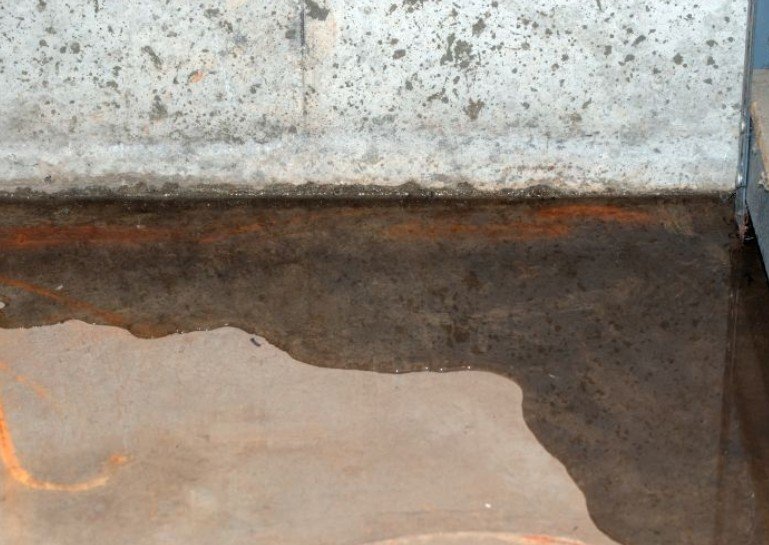
Basement water problems often prompt homeowners to prioritize quick interior fixes first. Sealants, coatings, and drainage systems can help manage moisture once it enters, but they do not always address the root cause. When water pressure builds outside the foundation, the most effective solution often starts on the exterior.
Many homeowners begin researching exterior waterproofing cleveland after repeated leaks make it clear that interior solutions alone are not stopping water intrusion. This is usually the point where water is no longer an occasional nuisance but an ongoing threat to basement walls, stored belongings, and long-term structural stability. Exterior waterproofing focuses on preventing water from ever reaching the foundation, which is why it plays a critical role in certain situations.
Understanding what exterior waterproofing actually does helps homeowners decide whether it is the right investment or if another approach would work better.
Why Water Pressure Outside the Foundation Matters
Water does not damage basements simply by existing. It causes problems when pressure builds.
As soil around a foundation becomes saturated, hydrostatic pressure increases. That pressure pushes water toward the basement walls and floor joints. Concrete and masonry are porous materials, so moisture eventually finds a way through cracks, seams, and microscopic openings.
Interior systems manage water after it enters. Exterior waterproofing prevents that pressure from ever reaching the wall.
What Exterior Waterproofing Actually Solves
Exterior waterproofing addresses water at its source.
Stops water before it reaches the foundation
Waterproof membranes and exterior drainage systems block moisture from contacting the basement walls. This prevents seepage rather than reacting to it.
Reduces long-term hydrostatic pressure
By redirecting groundwater away from the structure, exterior waterproofing reduces the long-term stress on foundation walls.
Protects structural materials
Consistent moisture exposure weakens concrete, mortar, and reinforcement materials. Exterior waterproofing helps preserve the foundation itself.
Supports interior dryness without reliance on pumps
In many cases, exterior systems reduce the need for constant interior water management.
When Exterior Waterproofing Is the Best Option
Exterior waterproofing is not required for every basement, but it excels in specific situations.
Chronic exterior water exposure
Homes with poor soil drainage or frequent groundwater saturation benefit from stopping water at the source.
Leaking foundation walls
When water consistently enters through wall cracks or porous masonry, exterior waterproofing provides a direct solution.
Older foundations with porous materials
Older concrete and block foundations often absorb water more easily, making exterior protection especially valuable.
Major basement renovations planned
Installing exterior waterproofing before finishing a basement prevents future tear-outs and water damage.
When Exterior Waterproofing May Not Be Necessary
In some cases, other solutions may be more practical.
Isolated interior seepage
Minor water entry caused by condensation or limited infiltration may be managed with interior drainage or moisture control.
Surface water issues only
Problems caused by gutter failures or grading issues should be corrected first before considering exterior excavation.
Access limitations
Some properties cannot support excavation due to property lines, structures, or utilities.
How Exterior Waterproofing Systems Are Installed
Exterior waterproofing is a multi-step process.
Excavation
Soil is removed around the foundation to expose the basement walls.
Wall preparation
Cracks are repaired, and surfaces are cleaned to allow proper membrane adhesion.
Waterproof membrane application
A waterproof barrier is applied to block moisture penetration.
Exterior drainage installation
Drainage systems redirect groundwater away from the foundation base.
Backfill and grading correction
Soil is replaced and graded to encourage proper runoff.
Cost Factors to Consider
Exterior waterproofing costs depend on several real-world conditions.
Depth and length of excavation
Deeper foundations and larger perimeters require more labor.
Soil conditions
Clay-heavy or compacted soils increase excavation difficulty.
Existing damage
Foundation repairs may be needed before waterproofing begins.
Drainage integration
Some systems require additional drainage components for full protection.
Interior vs Exterior Waterproofing
Both approaches serve different purposes.
Interior waterproofing manages water after entry. Exterior waterproofing prevents entry altogether. In some homes, combining both creates the most reliable protection.
Choosing the right approach depends on the water source, foundation type, and long-term goals.
Why Professional Evaluation Matters
Exterior waterproofing is not a guesswork project.
Accurate diagnosis prevents unnecessary excavation
Not all water problems originate outside the foundation.
Proper system design ensures performance
Membrane type, drainage placement, and soil handling matter.
Documentation supports resale confidence
Professional installation records reduce inspection concerns.
For general guidance on groundwater management and foundation protection, homeowners can reference resources from the US Environmental Protection Agency at epa.gov.
Conclusion
Exterior waterproofing is one of the most effective ways to stop basement water problems when groundwater pressure is the primary cause. It prevents moisture from reaching foundation walls, reduces long-term stress, and protects the structure itself. However, it is not required in every situation, and proper diagnosis is essential.
When exterior waterproofing is the right solution, Expert Basement Waterproofing Cleveland provides professional evaluations and proven systems designed to stop water at the source. Their experience helps homeowners choose solutions that deliver lasting protection instead of temporary relief.