

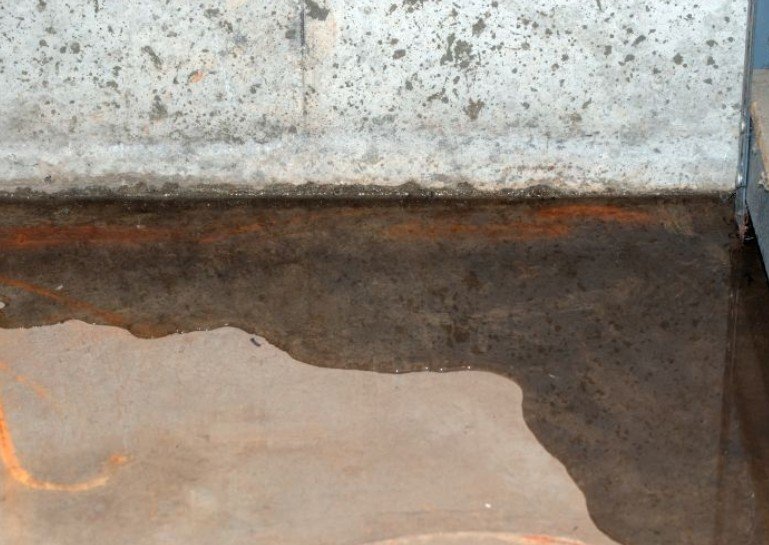
Exterior Waterproofing: When It Is the Right Solution and When It Is Not

exterior waterproofing cleveland

Basement water problems often prompt homeowners to prioritize quick interior fixes first. Sealants, coatings, and drainage systems can help manage moisture once it enters, but they do not always address the root cause. When water pressure builds outside the foundation, the most effective solution often starts on the exterior.

Many homeowners begin researching exterior waterproofing cleveland after repeated leaks make it clear that interior solutions alone are not stopping water intrusion. This is usually the point where water is no longer an occasional nuisance but an ongoing threat to basement walls, stored belongings, and long-term structural stability. Exterior waterproofing focuses on preventing water from ever reaching the foundation, which is why it plays a critical role in certain situations.

Understanding what exterior waterproofing actually does helps homeowners decide whether it is the right investment or if another approach would work better.

Why Water Pressure Outside the Foundation Matters

Water does not damage basements simply by existing. It causes problems when pressure builds.

As soil around a foundation becomes saturated, hydrostatic pressure increases. That pressure pushes water toward the basement walls and floor joints. Concrete and masonry are porous materials, so moisture eventually finds a way through cracks, seams, and microscopic openings.

Interior systems manage water after it enters. Exterior waterproofing prevents that pressure from ever reaching the wall.

What Exterior Waterproofing Actually Solves

Exterior waterproofing addresses water at its source.

Stops water before it reaches the foundation

Waterproof membranes and exterior drainage systems block moisture from contacting the basement walls. This prevents seepage rather than reacting to it.

Reduces long-term hydrostatic pressure

By redirecting groundwater away from the structure, exterior waterproofing reduces the long-term stress on foundation walls.

Protects structural materials

Consistent moisture exposure weakens concrete, mortar, and reinforcement materials. Exterior waterproofing helps preserve the foundation itself.

Supports interior dryness without reliance on pumps

In many cases, exterior systems reduce the need for constant interior water management.

When Exterior Waterproofing Is the Best Option

Exterior waterproofing is not required for every basement, but it excels in specific situations.

Chronic exterior water exposure

Homes with poor soil drainage or frequent groundwater saturation benefit from stopping water at the source.

Leaking foundation walls

When water consistently enters through wall cracks or porous masonry, exterior waterproofing provides a direct solution.

Older foundations with porous materials

Older concrete and block foundations often absorb water more easily, making exterior protection especially valuable.

Major basement renovations planned

Installing exterior waterproofing before finishing a basement prevents future tear-outs and water damage.

When Exterior Waterproofing May Not Be Necessary

In some cases, other solutions may be more practical.

Isolated interior seepage

Minor water entry caused by condensation or limited infiltration may be managed with interior drainage or moisture control.

Surface water issues only

Problems caused by gutter failures or grading issues should be corrected first before considering exterior excavation.

Access limitations

Some properties cannot support excavation due to property lines, structures, or utilities.

How Exterior Waterproofing Systems Are Installed

Exterior waterproofing is a multi-step process.

Excavation

Soil is removed around the foundation to expose the basement walls.

Wall preparation

Cracks are repaired, and surfaces are cleaned to allow proper membrane adhesion.

Waterproof membrane application

A waterproof barrier is applied to block moisture penetration.

Exterior drainage installation

Drainage systems redirect groundwater away from the foundation base.

Backfill and grading correction

Soil is replaced and graded to encourage proper runoff.

Cost Factors to Consider

Exterior waterproofing costs depend on several real-world conditions.

Depth and length of excavation

Deeper foundations and larger perimeters require more labor.

Soil conditions

Clay-heavy or compacted soils increase excavation difficulty.

Existing damage

Foundation repairs may be needed before waterproofing begins.

Drainage integration

Some systems require additional drainage components for full protection.

Interior vs Exterior Waterproofing

Both approaches serve different purposes.

Interior waterproofing manages water after entry. Exterior waterproofing prevents entry altogether. In some homes, combining both creates the most reliable protection.

Choosing the right approach depends on the water source, foundation type, and long-term goals.

Why Professional Evaluation Matters

Exterior waterproofing is not a guesswork project.

Accurate diagnosis prevents unnecessary excavation

Not all water problems originate outside the foundation.

Proper system design ensures performance

Membrane type, drainage placement, and soil handling matter.

Documentation supports resale confidence

Professional installation records reduce inspection concerns.

For general guidance on groundwater management and foundation protection, homeowners can reference resources from the US Environmental Protection Agency at epa.gov.

Conclusion

Exterior waterproofing is one of the most effective ways to stop basement water problems when groundwater pressure is the primary cause. It prevents moisture from reaching foundation walls, reduces long-term stress, and protects the structure itself. However, it is not required in every situation, and proper diagnosis is essential.

When exterior waterproofing is the right solution, Expert Basement Waterproofing Cleveland provides professional evaluations and proven systems designed to stop water at the source. Their experience helps homeowners choose solutions that deliver lasting protection instead of temporary relief.
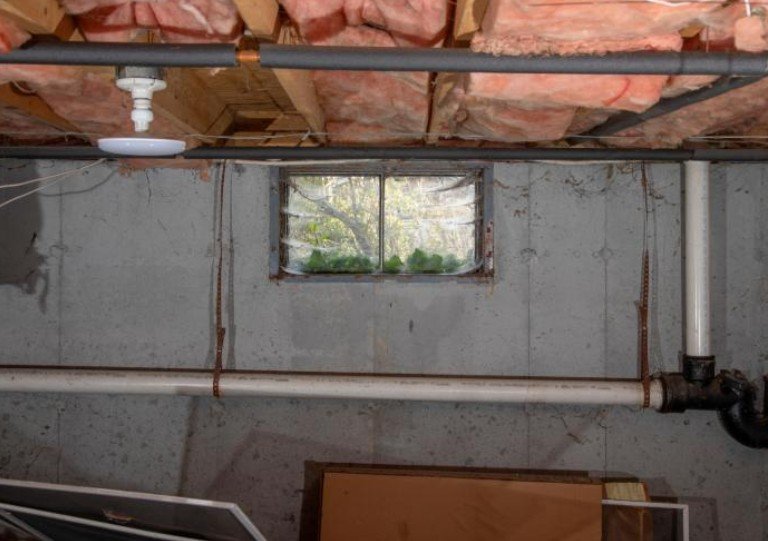
How Waterproofing Companies Permanently Waterproof a Basement

How Waterproofing Companies Permanently Waterproof a Basement

Water in the basement is one of the most frustrating problems homeowners face. Damp walls, pooling water, musty odors, and recurring leaks can make a lower level feel unusable and raise concerns about long-term structural damage. Many homeowners attempt temporary fixes, only to see the problem return after the next heavy rain. Permanent basement waterproofing requires more than surface treatments. It demands a deeper understanding of how water moves around and beneath a home.

Professional waterproofing companies focus on identifying the source of moisture, not just the visible symptoms. Every basement leaks for a reason, whether it is hydrostatic pressure, foundation cracks, poor drainage, or soil saturation. Long-term solutions begin with accurate diagnosis rather than one-size-fits-all products.

Homeowners who consult experienced waterproofing companies chicago gain clarity on why water is entering their basement and what methods will actually stop it. Proper evaluation ensures the solution addresses the root cause rather than masking the problem temporarily.

Understanding Why Basements Leak

Basements are surrounded by soil that absorbs water from rain and melting snow. When the ground becomes saturated, pressure builds against foundation walls and floors. This pressure forces water toward any available opening, including cracks, porous concrete, or joint seams.

Water intrusion is often caused by:

  • Poor exterior drainage
  • Cracks in foundation walls or floors
  • Weak points where walls meet the footing
  • Aging waterproofing materials
  • High groundwater levels

Waterproofing companies start by identifying which of these factors are present before recommending any repair.

Why Surface Sealers Are Not Permanent Solutions

Many homeowners attempt to solve water problems with interior wall coatings or sealers. While these products may temporarily reduce visible moisture, they do not stop water pressure from acting on the foundation.

Surface treatments often fail because:

  • They do not relieve hydrostatic pressure
  • Water continues to build behind the wall
  • Cracks expand over time
  • Moisture finds new entry points

Permanent waterproofing requires managing water movement, not simply covering damp areas.

Interior Drainage Systems and Their Role

One of the most reliable long-term solutions is an interior drainage system. These systems collect water that enters through the foundation and direct it safely to a sump pump for removal.

Interior drainage works by:

  • Relieving pressure at the wall footing
  • Redirecting water away from finished areas
  • Preventing floor seepage
  • Reducing long-term moisture buildup

Waterproofing companies often recommend this approach when water pressure cannot be controlled entirely from the outside.

Exterior Waterproofing for Full Protection

In some cases, exterior waterproofing provides the most comprehensive solution. This method involves excavating around the foundation to apply waterproof membranes and improve drainage.

Exterior waterproofing addresses:

  • Cracks and porous foundation walls
  • Direct water contact with the structure
  • Soil conditions that trap moisture
  • Long-term exposure to groundwater

While more involved, this method prevents water from reaching the foundation, which is why waterproofing companies recommend it for severe or persistent issues.

Crack Repair as Part of a Permanent System

Foundation cracks are common entry points for water. Permanent waterproofing involves sealing these cracks with specialized materials that flex with the foundation.

Effective crack repair:

  • Stops direct water intrusion
  • Prevents crack expansion
  • Restores structural continuity

Crack repair alone is rarely enough, but it is a critical component of a complete waterproofing system.

Why Proper Drainage Matters

No waterproofing system succeeds without proper drainage. Downspouts, grading, and soil composition all affect how water moves around a home.

Permanent solutions often include:

  • Extending downspouts away from the foundation
  • Improving soil slope
  • Managing surface runoff
  • Reducing water accumulation near walls

Waterproofing companies consider drainage improvements essential for long-term success.

How Long Does Permanent Waterproofing Last?

When installed correctly, professional waterproofing systems are designed to last for decades. Interior drainage systems, exterior membranes, and sump systems are engineered for long-term performance.

Longevity depends on:

  • Installation quality
  • Materials used
  • Ongoing maintenance

Temporary fixes rarely last, but properly installed systems provide lasting protection.

Common Waterproofing Mistakes Homeowners Make

Many basement water problems persist because homeowners rely on incomplete solutions. Common mistakes include:

  • Using wall sealers alone
  • Ignoring exterior drainage
  • Skipping professional inspection
  • Treating symptoms instead of causes

Permanent waterproofing requires a system-based approach rather than isolated fixes.

Choosing the Right Approach for Your Basement

No two basements are identical. Soil conditions, foundation type, and water behavior all influence the best solution. This is why professional evaluation matters.

Waterproofing companies design solutions based on how water behaves around a specific home, not on generic recommendations.

Conclusion

Permanent basement waterproofing is not about quick fixes or surface treatments. It is about controlling water movement, relieving pressure, and protecting the foundation over the long term. When the correct methods are applied, basements stay dry, usable, and structurally sound for years to come.

For homeowners seeking dependable solutions and long-term protection, Chicago Foundation Repair Experts works with experienced waterproofing companies to deliver systems designed to stop water intrusion at its source and restore confidence in the home’s foundation.