

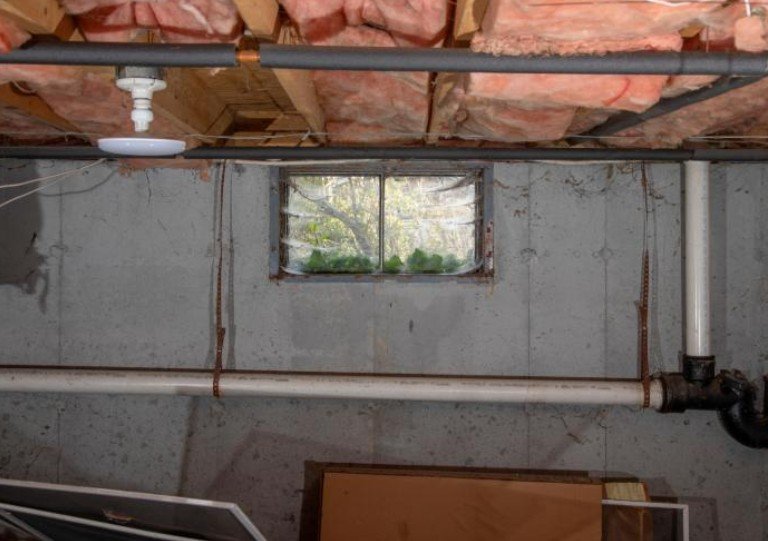
Water in the basement is one of the most frustrating problems homeowners face. Damp walls, pooling water, musty odors, and recurring leaks can make a lower level feel unusable and raise concerns about long-term structural damage. Many homeowners attempt temporary fixes, only to see the problem return after the next heavy rain. Permanent basement waterproofing requires more than surface treatments. It demands a deeper understanding of how water moves around and beneath a home.
Professional waterproofing companies focus on identifying the source of moisture, not just the visible symptoms. Every basement leaks for a reason, whether it is hydrostatic pressure, foundation cracks, poor drainage, or soil saturation. Long-term solutions begin with accurate diagnosis rather than one-size-fits-all products.
Homeowners who consult experienced waterproofing companies chicago gain clarity on why water is entering their basement and what methods will actually stop it. Proper evaluation ensures the solution addresses the root cause rather than masking the problem temporarily.
Understanding Why Basements Leak
Basements are surrounded by soil that absorbs water from rain and melting snow. When the ground becomes saturated, pressure builds against foundation walls and floors. This pressure forces water toward any available opening, including cracks, porous concrete, or joint seams.
Water intrusion is often caused by:
- Poor exterior drainage
- Cracks in foundation walls or floors
- Weak points where walls meet the footing
- Aging waterproofing materials
- High groundwater levels
Waterproofing companies start by identifying which of these factors are present before recommending any repair.
Why Surface Sealers Are Not Permanent Solutions
Many homeowners attempt to solve water problems with interior wall coatings or sealers. While these products may temporarily reduce visible moisture, they do not stop water pressure from acting on the foundation.
Surface treatments often fail because:
- They do not relieve hydrostatic pressure
- Water continues to build behind the wall
- Cracks expand over time
- Moisture finds new entry points
Permanent waterproofing requires managing water movement, not simply covering damp areas.
Interior Drainage Systems and Their Role
One of the most reliable long-term solutions is an interior drainage system. These systems collect water that enters through the foundation and direct it safely to a sump pump for removal.
Interior drainage works by:
- Relieving pressure at the wall footing
- Redirecting water away from finished areas
- Preventing floor seepage
- Reducing long-term moisture buildup
Waterproofing companies often recommend this approach when water pressure cannot be controlled entirely from the outside.
Exterior Waterproofing for Full Protection
In some cases, exterior waterproofing provides the most comprehensive solution. This method involves excavating around the foundation to apply waterproof membranes and improve drainage.
Exterior waterproofing addresses:
- Cracks and porous foundation walls
- Direct water contact with the structure
- Soil conditions that trap moisture
- Long-term exposure to groundwater
While more involved, this method prevents water from reaching the foundation, which is why waterproofing companies recommend it for severe or persistent issues.
Crack Repair as Part of a Permanent System
Foundation cracks are common entry points for water. Permanent waterproofing involves sealing these cracks with specialized materials that flex with the foundation.
Effective crack repair:
- Stops direct water intrusion
- Prevents crack expansion
- Restores structural continuity
Crack repair alone is rarely enough, but it is a critical component of a complete waterproofing system.
Why Proper Drainage Matters
No waterproofing system succeeds without proper drainage. Downspouts, grading, and soil composition all affect how water moves around a home.
Permanent solutions often include:
- Extending downspouts away from the foundation
- Improving soil slope
- Managing surface runoff
- Reducing water accumulation near walls
Waterproofing companies consider drainage improvements essential for long-term success.
How Long Does Permanent Waterproofing Last?
When installed correctly, professional waterproofing systems are designed to last for decades. Interior drainage systems, exterior membranes, and sump systems are engineered for long-term performance.
Longevity depends on:
- Installation quality
- Materials used
- Ongoing maintenance
Temporary fixes rarely last, but properly installed systems provide lasting protection.
Common Waterproofing Mistakes Homeowners Make
Many basement water problems persist because homeowners rely on incomplete solutions. Common mistakes include:
- Using wall sealers alone
- Ignoring exterior drainage
- Skipping professional inspection
- Treating symptoms instead of causes
Permanent waterproofing requires a system-based approach rather than isolated fixes.
Choosing the Right Approach for Your Basement
No two basements are identical. Soil conditions, foundation type, and water behavior all influence the best solution. This is why professional evaluation matters.
Waterproofing companies design solutions based on how water behaves around a specific home, not on generic recommendations.
Conclusion
Permanent basement waterproofing is not about quick fixes or surface treatments. It is about controlling water movement, relieving pressure, and protecting the foundation over the long term. When the correct methods are applied, basements stay dry, usable, and structurally sound for years to come.
For homeowners seeking dependable solutions and long-term protection, Chicago Foundation Repair Experts works with experienced waterproofing companies to deliver systems designed to stop water intrusion at its source and restore confidence in the home’s foundation.